Categoría: Documentos

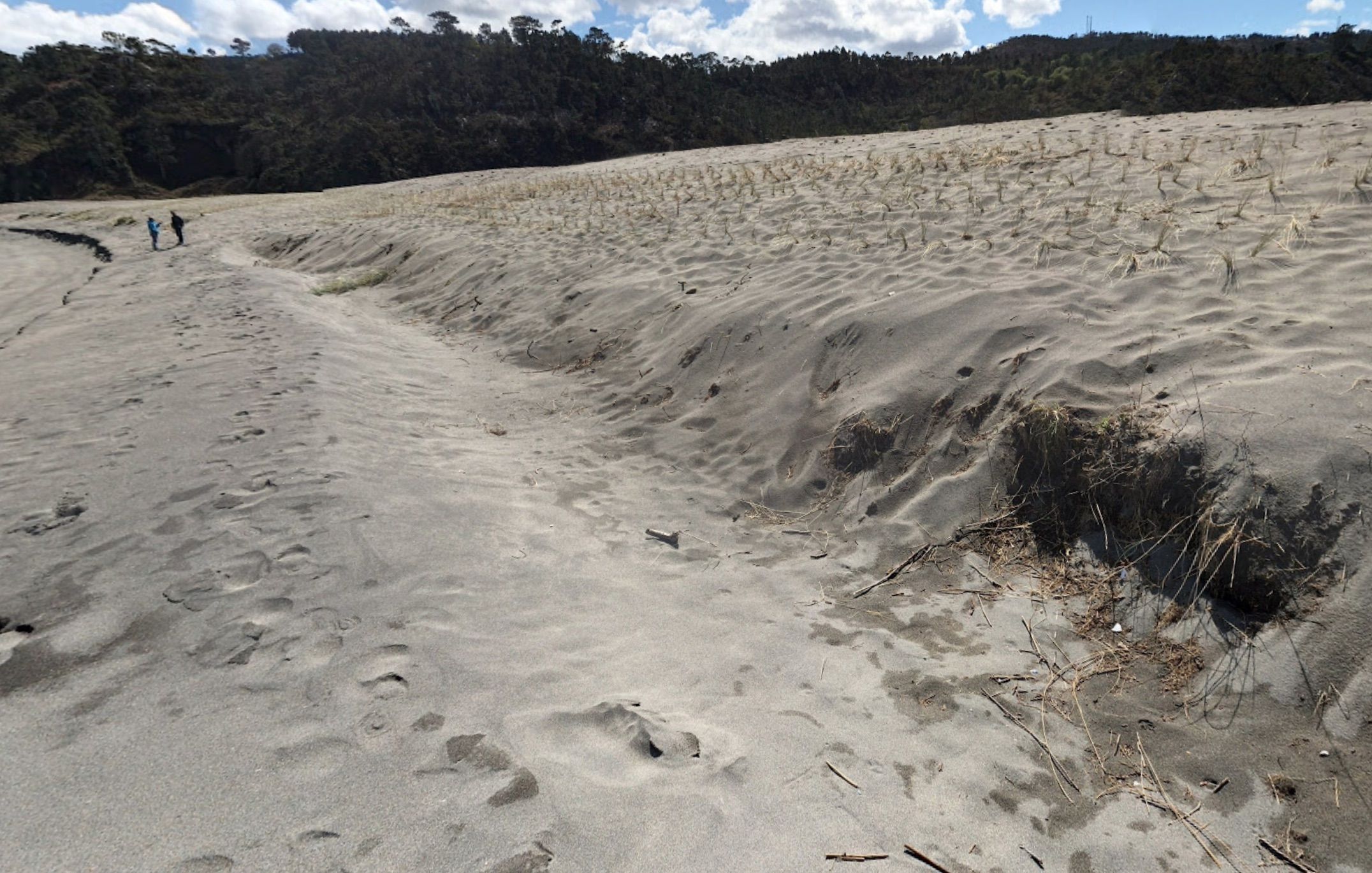
  • The first 360º images of the Barayo dune system before reinforcement planting.

    The first 360º images of the Barayo dune system before reinforcement planting.

    We could wait no longer to show you the first results that the smoothing of the front embankment has had on the dune system. By improving the conditions of the front, sand from the beach can once again reach the upper part of Barayo.

    The good health of the primary and secondary dune vegetation depends on a sandy substrate, aided by the wind and the salty air. With the help of the wind over the past few weeks, we have managed to transform dune setting enough so as to put us in good stead to successfully face the next planting phase.

    The first plantations that you can see in 360º image were carried out using European beach grass (Ammophila arenaria), which had detached from the top part of the dune and which was developing at the base of the front embankment. At LIFE+ARCOS we have taken the utmost care to ensure that these species – natural to white dunes – have not been affected by the conditioning works on the dune front.

    We hope to shortly embark upon the bulk of planting with plants from the nursery that the Directorate General of Sustainability of the Coast and the Sea has in the Cantabrian town of Loredo, for the production of dune species. In the meantime, we will leave you with this image to give you an idea of how our efforts to recover these types of habitat – disappearing in the Partial Nature Reserve of Barayo over recent years – are advancing.


  • Check out these 10 new brochures concerning the conservation actions that Life+ARCOS is devoping in 10 coastal SCAs in Northern Spain

    Check out these 10 new brochures concerning the conservation actions that Life+ARCOS is devoping in 10 coastal SCAs in Northern Spain

    If you visit one of the beaches that connect with a dune system we are working to improve (within one of Red Natura 2000’s Special Areas of Conservation), please take our survey. We want to evaluate the social impact of our work and analyse how visitors perceive Cantabrian dunes.

    We have created a series of informational brochures for each of the 10 sites included in this project. They will help you understand the problems these Cantabrian dunes are facing and how important it is that they be included in the largest network of protected sites, Red Natura 2000.

    You can download them here:


    In Asturias:

    SAC Penarronda-Barayo (ES0000317) (ES0000317)

    Location: Barayo Beach


    SAC Busto-Luanco Cape (ES1200055)  (ES1200055)

    Location: Verdicio

    SAC Vega Beach (ES1200022) (ES1200022)

    Location: Vega Beach


    In Cantabria:

    SAC Liencres Dunes and Pas Estuary (ES1300004) (ES1300004)

    Location: Valdearenas

    SAC Puntal Dunes and Miera Estuary (ES1300005) (ES1300005)

    Location: Somo Beach

    SAC Santoña, Victoria and Joyel Marshes (ES1300007) (ES1300007)

    Location: Berria and Helgueras Beach


    In the Basque Country: 

    SAC Barbadún Sea Inlet (ES2130003) (ES2130003)

    Location: La Arena Beach

    SAC Urdaibai Coast and Marshes (ES2130007) (ES2130007)

    Location: Laga Beach

    SAC Urola Sea Inlet (ES2120004) (ES2120004)

    Location: Santiago Beach

    SAC Iñurritza (ES210009)

    Location: Zarautz Beach

    You can download these brochures from the «downloads» area of our website.


  • Somo dunes (Cantabria) exhibits a good conservation status after several years of conservation actions developed by Life+ARCOS

    Somo dunes (Cantabria) exhibits a good conservation status after several years of conservation actions developed by Life+ARCOS

    The Life+ARCOS project is currently working on three Cantabrian dune spaces, with the one located within the SAC Puntal Dunes and Miera Estuary giving the best results in terms of restoration.

    After the storms in 2014 that completely destroyed the dune barrier in this setting, the Directorate General of Sustainability of the Coast and the Sea performed dredging actions, enabling part of the displaced sediment to be recovered. This action was followed by others, already within the Life+ARCOS project, which have led to a recovery of the plant cover both on the white and grey dune.

    Added to these actions are others of an outreach, dissemination and protection nature, and support for capturing sand, which along with the major works undertaken to eliminate invasive exotic species from the space, offer an optimistic outlook on the future of this dune system.

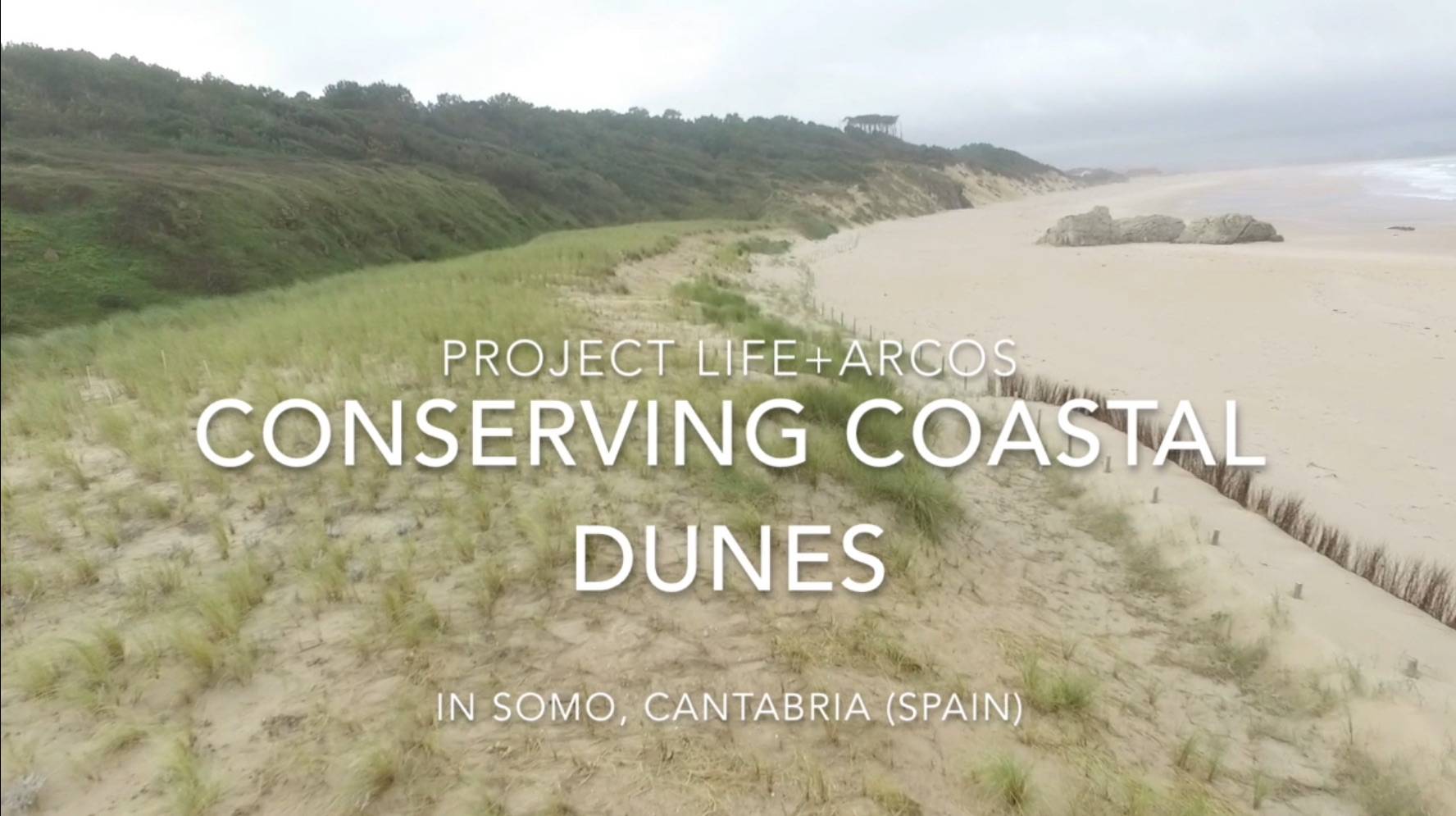
    The following video reveals the current state of the Somo dune system in Cantabria, just a few years from finishing the project.

    We hope you enjoy it!


  • The Asturias dunes in the 50’s and today. Do you want to see it?

    The Asturias dunes in the 50’s and today. Do you want to see it?

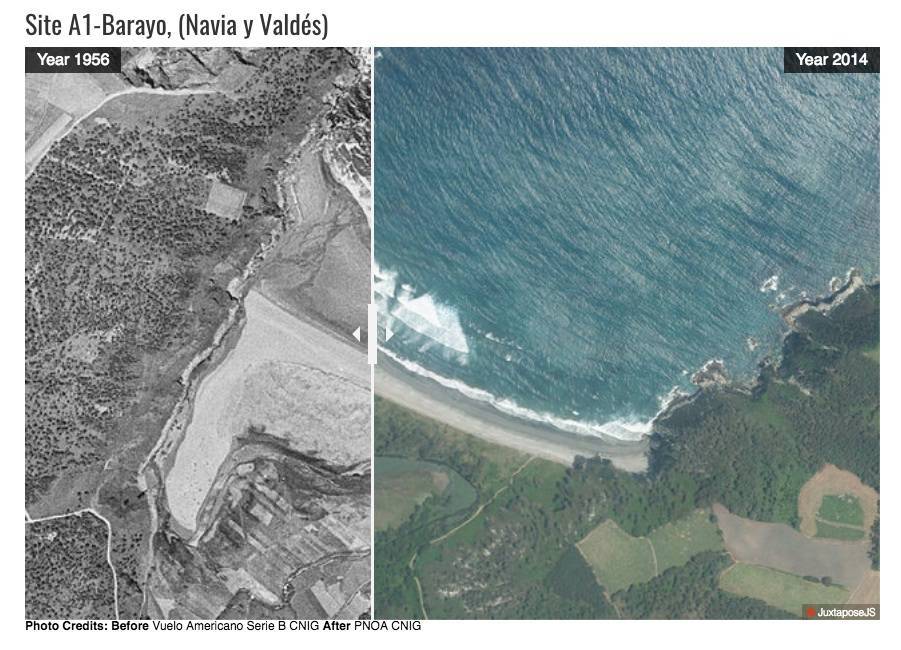
    This aerial photograph was taken in the 1950’s by the American army. It shows what the dune system landscape looked like in those years. We have compared it with current images from the Spanish National Plan for Aerial Orthophoto.

    In the following photos you can see images of all the Asturian areas where the Life+ARCOS project carries out its work: from the 50’s and from 2014.  You can clearly see how much the area has changed. Click and drag over the photos so you can see how the area looked before and now. It is as easy as that.

    It is true that it will be impossible for us to recover the area the dune systems covered in the past, but here at Life+ARCOS, we believe the sandbanks still deserve a chance. We are working on it.

    We hope you enjoy it.

    Site A1-Barayo, (Navia and Valdés)

    Site A2-Verdicio (Gozón)

    Site A3- Vega Beach (Ribadeslla)

  • Centinelas project (Coastwatch Cantabria) organises an elimination campaign of invasive plants in La Arena Beach (Muskiz, Bizkaia)

    Centinelas project (Coastwatch Cantabria) organises an elimination campaign of invasive plants in La Arena Beach (Muskiz, Bizkaia)

    Centinelas (Coastwatch-Cantabria)

    On Sunday, 23 October the organisation called Centinelas carried out an environmental volunteer activity for a group of employees of the Port Authority of Bilbao in the La Arena beach area.

    A total of 40 people, most of them families with children, visited La Arena beach in the municipality of Ciérvana on their day off to volunteer and help Life+ARCOS carry out the activities we have been working on in the area.

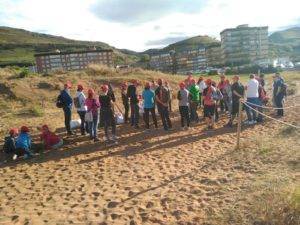
    The activity began with an introduction to the Life+ARCOS project, as well as to the dune system and its vulnerabilities. Carlos Ley, head of Ecología Litoral, beneficiary member of the project, gave the introduction.

    First, we started to search for and eradicate the invasive flora in the area. To make sure we would not make any mistakes, we were accompanied and advised by the person in charge of coordinating restoration and conservation of this dune within the Life+ARCOS project. We were able to extract approximately 40 kg. of the invasive plant.

    Afterwards, we broke up into small groups to plant dune flora species.

    We wanted to thank volunteers for all their hard work and gave them a gift and appetisers. We were thrilled to see how satisfied everyone was after having participated in the activity.

    Our Association would like to thank the Port Authority of Bilbao and its employees for having worked to conserve and recover the La Arena beach dune system.

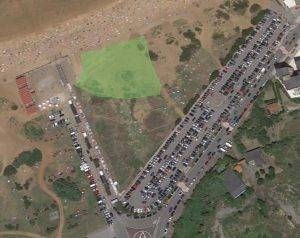
    Lugar de actuación
    Activiy area
    Presentación de la actividad
    Introdudction to activity

    What is the Centinelas and Coastwatch project?

    The Centinelas project is the local adaptation of the European volunteer programme called Coastwatch. It works to develop an environmental volunteer programme that values, protects and manages the coastline.

    The project framework came about almost 30 years ago in Ireland and has, ever since then and on occasion, been present in Cantabria.

    It is currently an established program that serves as a link between the Cantabrian people and Coastwatch International in a network of entities in charge of coordinating different areas of the European coast (countries, autonomous communities, provinces, regions…).

    These local entities serve as a nexus between the international project and its participants by providing information, training, resources and opportunities for people to join the project’s efforts.

    More information about Centinelas project here

    You can download the activity report provided by the Centinelas project team (Coastwatch-Cantabria) here: Report of Centinelas activity in La Arena beach.