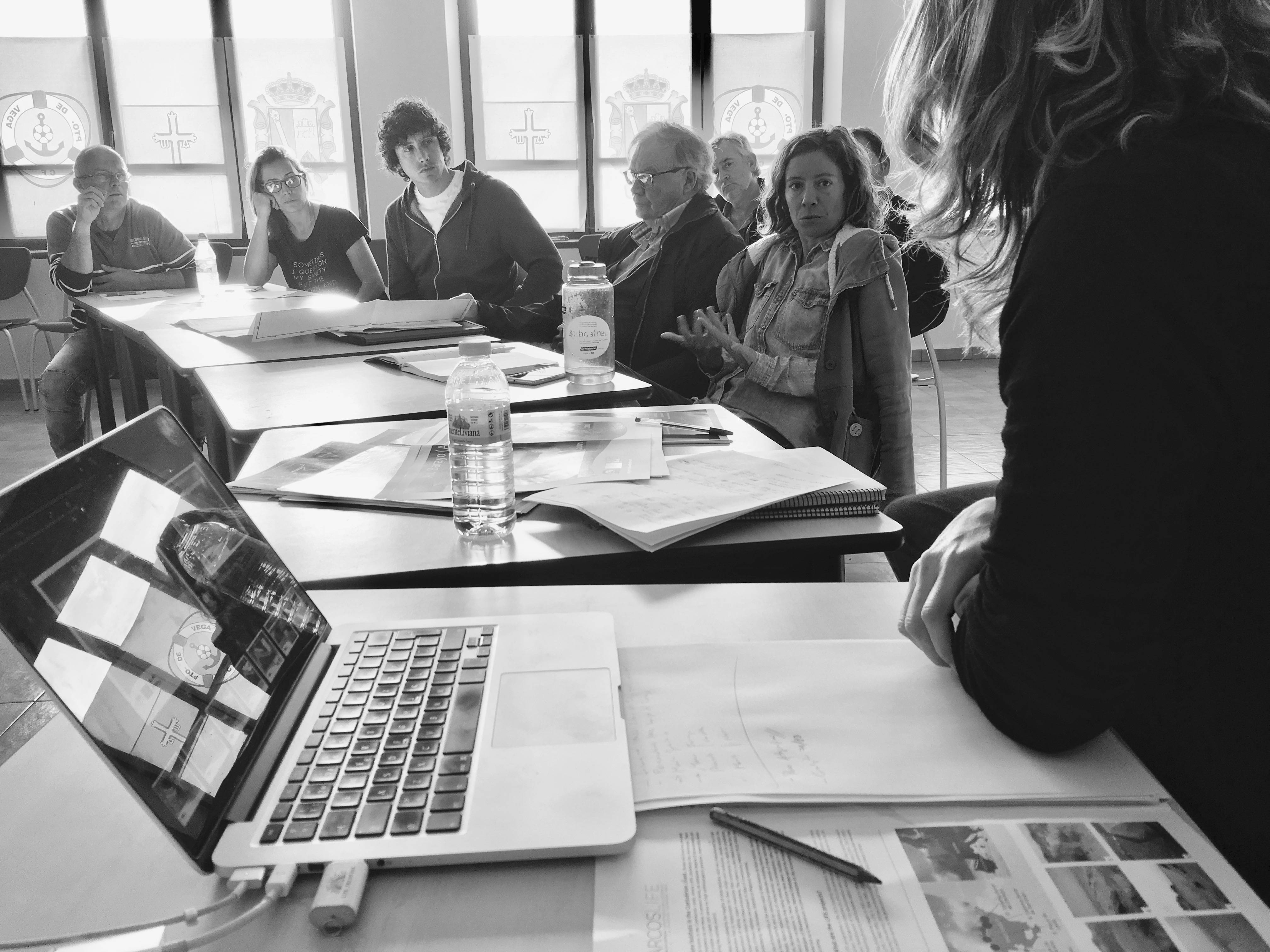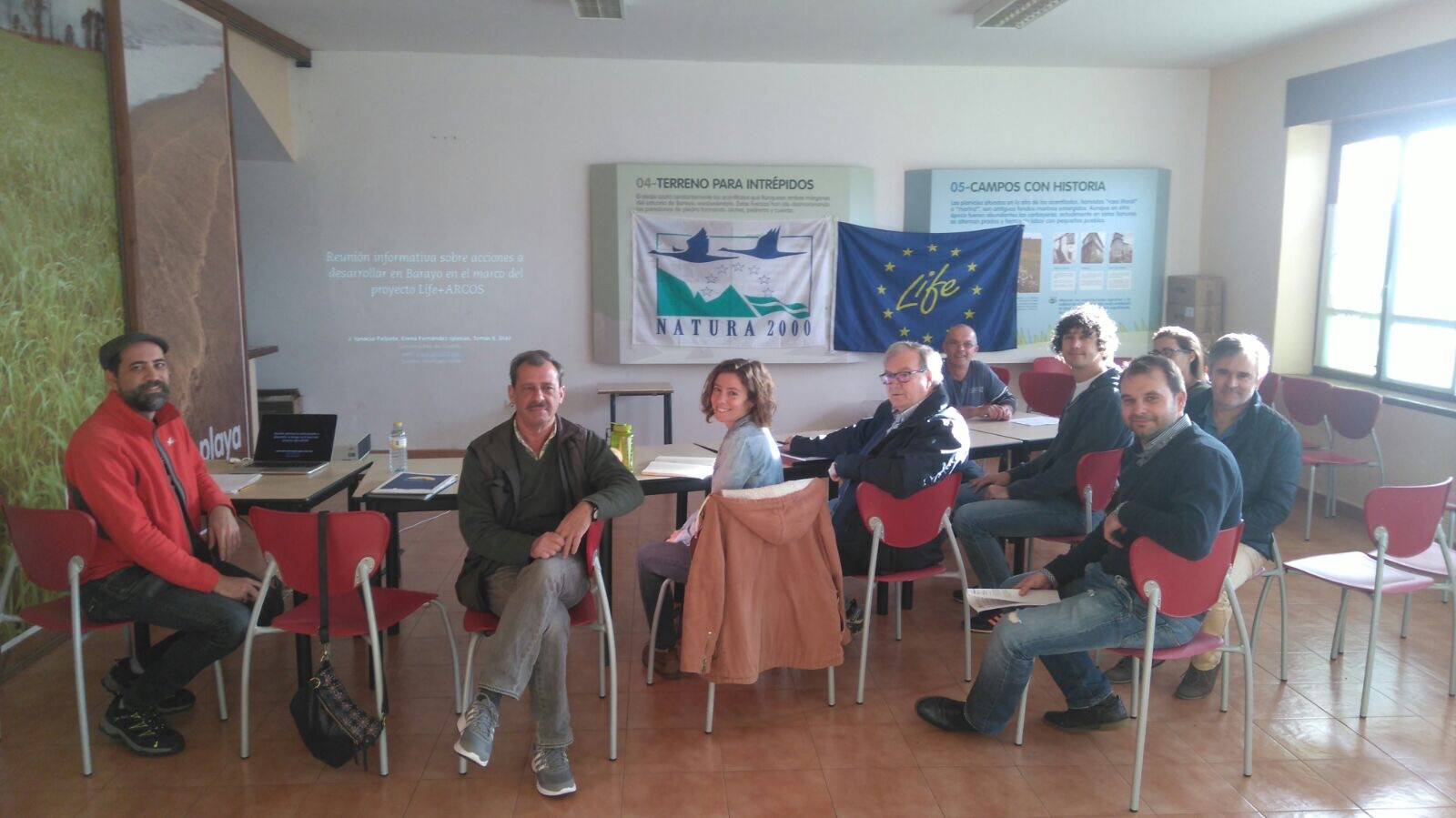
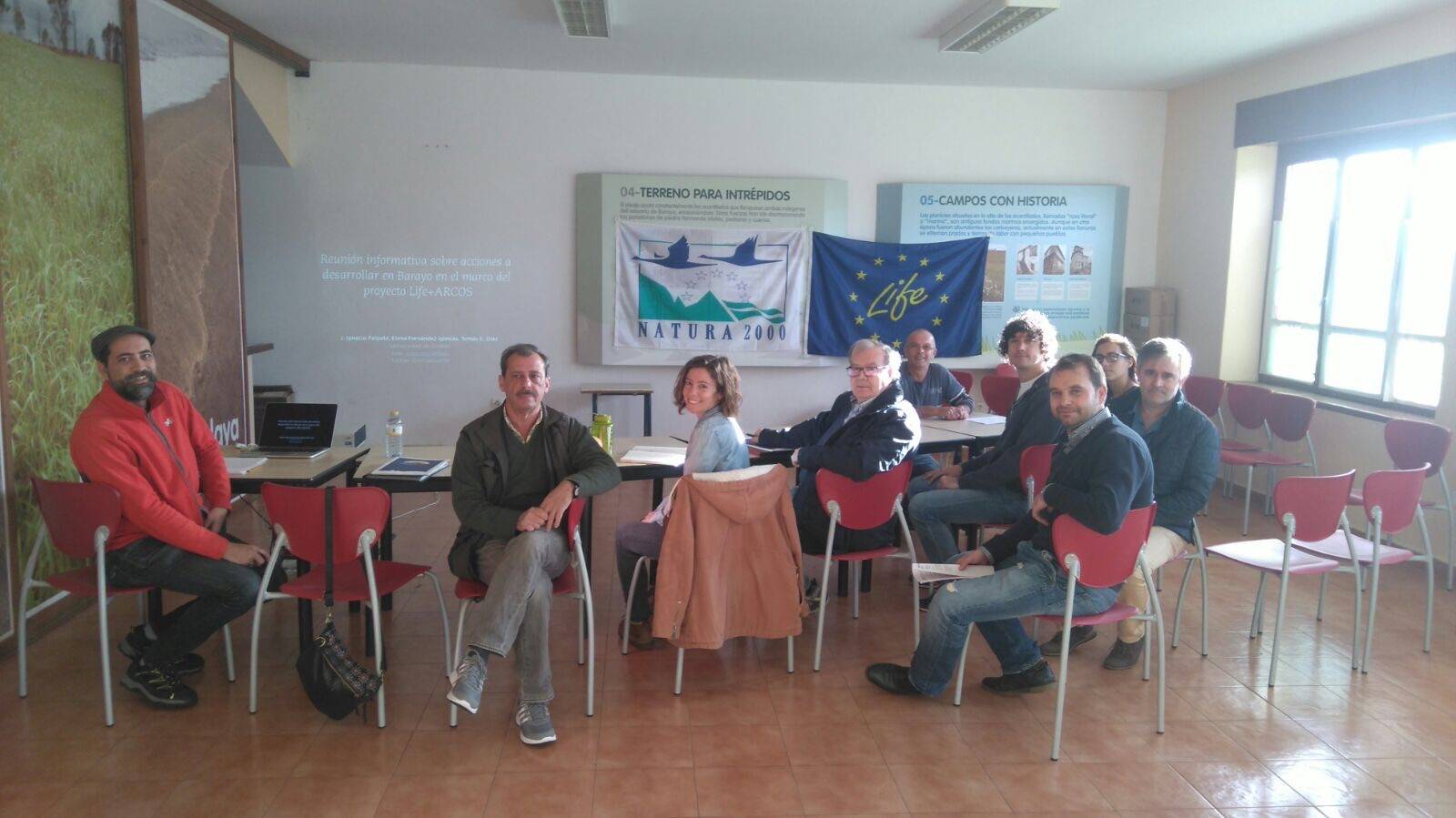
On 23rd November 2017, the Life+ARCOS team travelled to the town of Vigo in Navia, home to the Partial Natural Reserve of Barayo Interpretation Centre, to take part in an information session including the participation of various members of the Life+ARCOS project coordinating team belonging to the University of Oviedo, along with ECOLOGÍA Litoral, also a project partner, with the manager Carlos Ley Vega de Seoane.
Representatives from the two councils that share the space occupied by the Partial Natural Reserve of Barayo, Valdés and Navia attended the meeting. Representing the Navia Council was Marino Fernández, and on behalf of the Valdés Council were Ricardo García and Marcos Fernández. The Principality of Asturias was also present at the meeting, represented by Susana García Díaz, a biologist from the Service of Protected Spaces and Nature Conservation from the Directorate-General of Biodiversity.
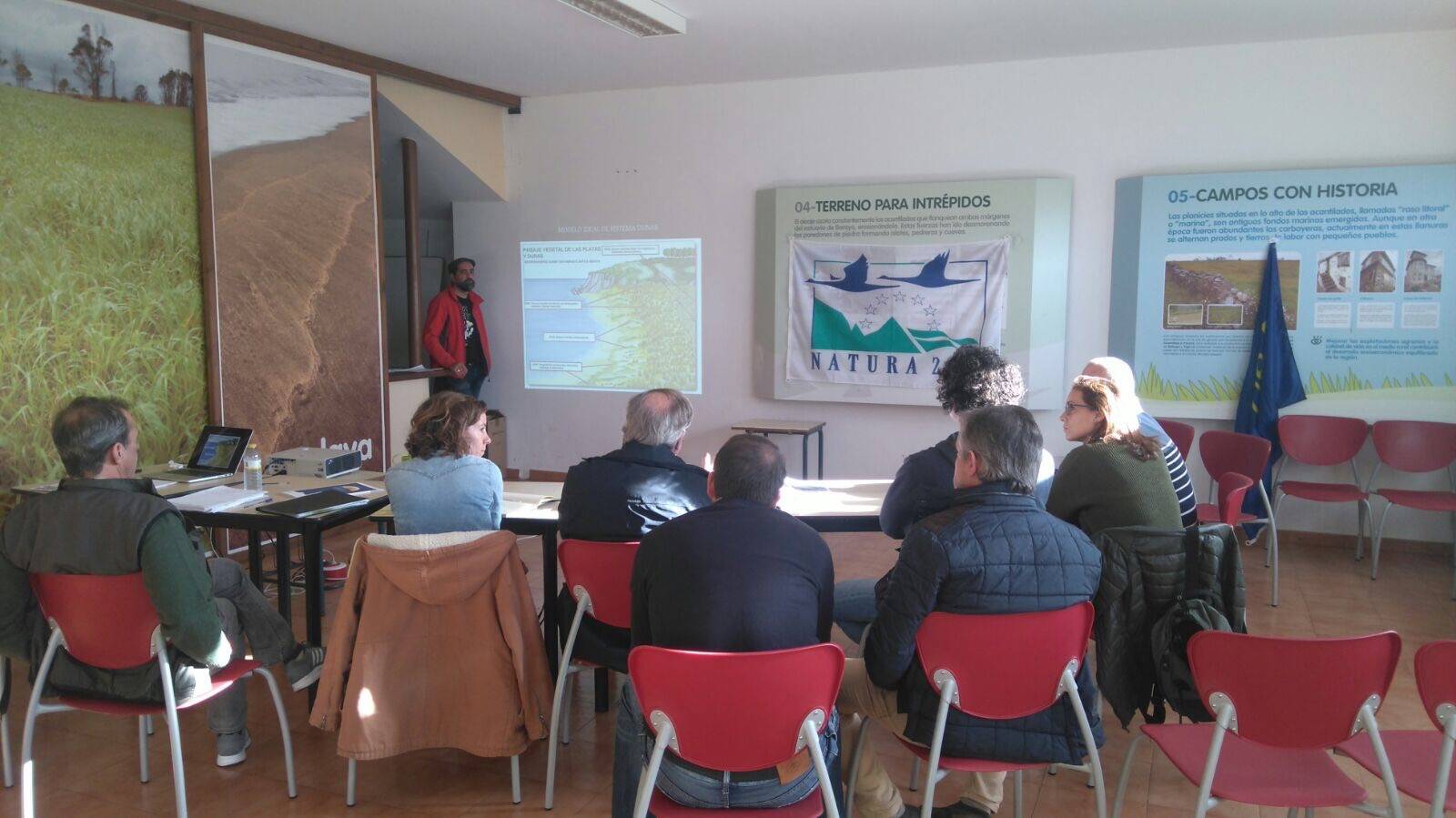
Tomás E. Díaz, the principal researcher, and Elena Fernández Iglesias along with J.Ignacio Felpete, technicians from the project linked to the INDUROT (Institute of Natural Resources and Territorial Planning), were in charge of breaking down the actions proposed in the Action Plan for Barayo. This Action Plan constitutes an internal document to manage the actions that have been agreed to by the players involved in managing the protected space
The meeting format meant that questions or debates about the scope of the actions could be proposed whilst they were being presented. The contributions of the attendees, in particular those from local people from the area of action, were extremely interesting. Particularly significant, in terms of the action to eliminate the pine covering currently present on the dune space, was the historical review using aerial photos from 1956 to the modern day, to confirm that the first Pinus pinaster plantations must have occurred at the end of the 1950s. Some unsuccessful management actions performed on the space were also reviewed, in comparison with those proposed today, and some of the reasons behind the failure of these actions were analysed.
Part of the presentation was also dedicated to understanding the extent of the problem of invasive exotic species within the protected space, very insignificant in terms of diversity (around 5 species), yet extremely important in terms of the space occupied by the most worrying of them all: Spartina patens. Information was given about the results obtained from the partial trials performed in situ, and discussions were held about the possibility of applying the same technique used in the trials across the entire occupied area.
The meeting was an opportunity to reveal the actions that are going to be carried out in the space, and to reinforce or set up communication channels between neighbouring groups and associations such as the Asociación de Amigos de Barayo (with which a joint day of volunteering was already planned). In short, the aim was to link together the actions of this project funded by the European LIFE programme, with the reality of the inhabitants of the spaces targeted for recovery, so as to involve them in the decision-making process. The pleasant atmosphere enjoyed throughout the day leads us to think that the environmental improvement targets for the protected space are shared by all participants, and also helped us close this year with a common wish for actions to be implemented as best as possible, without forgetting the need for these actions to continue over time to ensure both mid and long-term success.