Etiqueta: Workshop

  • This is how went the International Workshop – Management of Coastal Dunes & Sandy Beaches, hold in Dunkirk, FR, on 12th to 14th of June 2018

    This is how went the International Workshop – Management of Coastal Dunes & Sandy Beaches, hold in Dunkirk, FR, on 12th to 14th of June 2018

    From 12 to 14 June 2018, the French city of Dunkirk hosted the International Workshop on Management of Coastal Dunes and Sandy Beaches, organized by the Agency of Nature and Forests of the Flemish authority and with collaboration from the  Université du Littoral Côte d’Opale within the framework of the LIFE+ Nature project FLANDRE. The BOS+  and EUCC-France organizations supported the efforts. 

    Life+ARCOS attended this international seminar with participants from the University of Oviedo (J. Ignacio Felpete) and the company Ecología Litoral (Carlos Ley).


    Tuesday 12 June (opening session, LIFE session projects and first parallel sessions)


    At the opening session on 12 June, the European perspective was represented with speeches given by two members of the Directorate-General of Natural Environment of the European Commission: François Delcueillerie, affiliate of the Life program and Michéal O’Briain, his counterpart of the Nature Protection Unit.
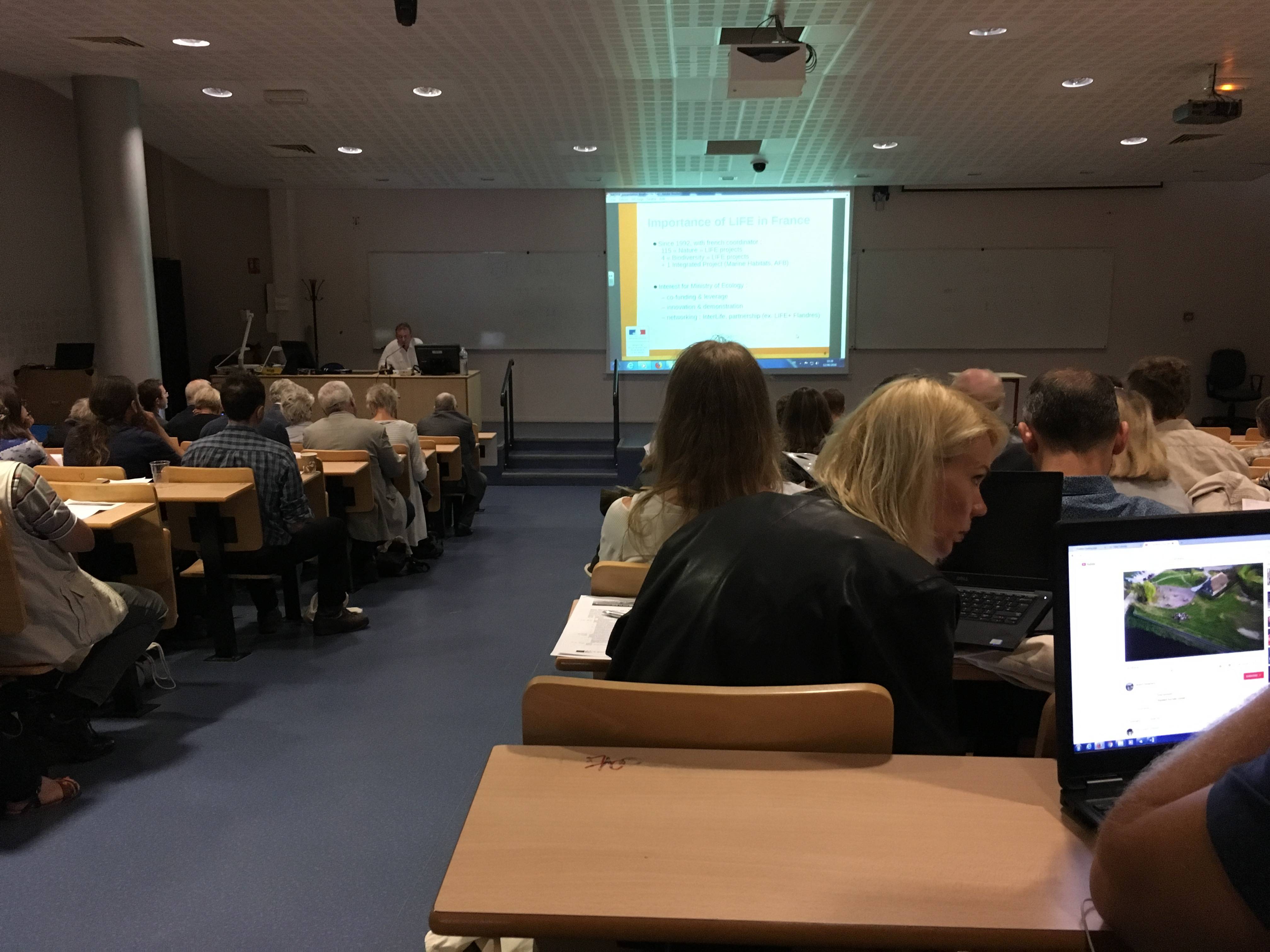
    Opening session of the International Workshop on management of Coastal Dunes and Sandy Beaches. Dunkirk (12-14 June, 2018)

    Later, John Houston from NEEMO explained the need to boost the biogeographic process for the Atlantic Biogeographical Region, an initiative that works to increase efforts and actions to develop the conservation of our habitats within a biogeographic context.

    To close the opening session, Loïc Gouguet, National Forest Administration of France (ONF-Office National des Forêts) and Jean-Louis Herrier, from the Flemish Agency for Nature and Forests, talked about the advancements in the habitat protection of 2,130 grey dunes in France and the importance of cross-border cooperation to protect the dune habitats, which is carried out within the Life+FLANDR project, providing support to maintain the French-Belgian Natura 2000 Network.

    After the coffee break, the inspiring LIFE projects session started. It was hosted by Edy Fantinato, head of the LIFE REDUNE project, which aims to restore diverse spaces within the Natura 2000 Network on the Venetian coast. During his speech, Fantinato explained the project’s main objectives and foreseen joint efforts.
     

    Life REDUNE

    The following session was led by Gundega Ulme and Vilis Zinkevics from Carnikava, Lithuania city hall and members of the LIFE15 NAT/LV/000900 project. Both talked about the CoHaBit project, which aims to conserve the coastal habitats of Piejura Natural Park in Lithuania.

    J. Ignacio Felpete, researcher for the Life+ARCOSproject, was the next to speak. He did not give a session about the project’s objectives and action points, but about the main differences between Cantabrian and European dunes. He pointed out the urgent need to prioritize their conservation. The presentation was titled “Prioritizing the conservation of coastal dunes in Northern Spain” and concluded with participation from the audience by asking the tough question: “Can we really talk about conserving Cantabrian dune systems considering their current state?” In this situation, the more correct term to use would be restore instead of conserve.

    Nadia Sanz Casas, Eric Girard and Etienne Dubaille, from the Conservatoire du Littoral presented on the LIFE Adapto project. They taught us about the 10 flexible-management systems on the coast that they are putting into practice.
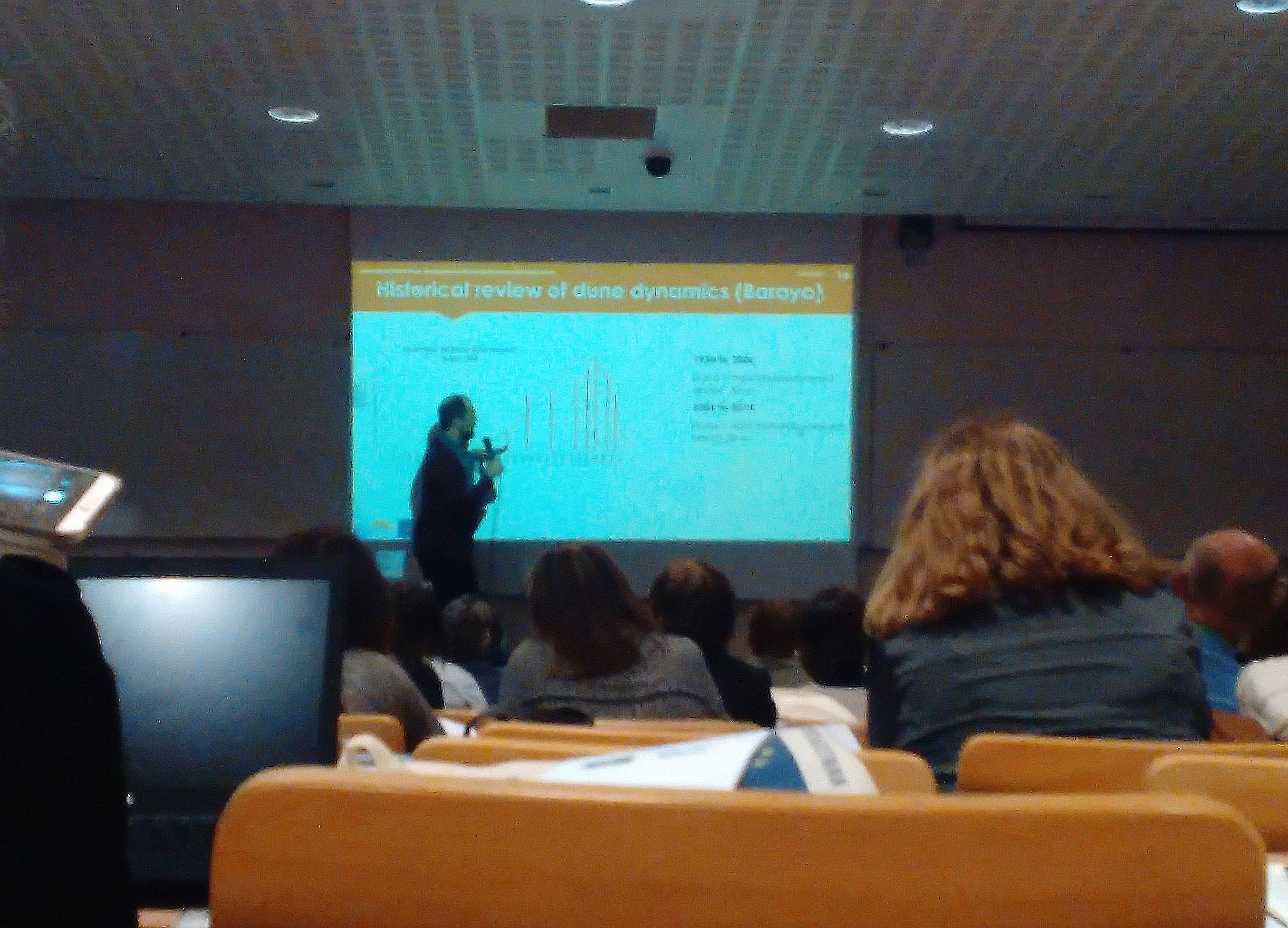
     

    Presentation by J.I. Felpete (Life+ARCOS)

    Lunch in the poster room allowed attendees to talk about their experiences with other projects focused on coastline protection. Then, the first parallel sessions started:

    1. Climate change & coastal dynamics (moderated by Yvonne BATTIAU-QUENEY, head of EUCC France)
    2. Ecosystem services from dunes and beaches (moderated by Jean HUGÉ from the Université Libre de Bruxelles, ULB, Belgium)
    3. Spatial fragmentation and ecological connectivity (moderated by Jean-Louis HERRIER, Agency for Nature and Forests, Flanders, Belgium)

    Wednesday, 13 June (Excursion)


    We met near the Opalo Coast University at 8:00 AM to make our way towards the French/Belgium cross-border dune complex. We visited the Bray-Dunes (Dune du Perroquet) on the French side, Panne dunes (De Westhoek) on the Belgian side, tertiary fossil dunes of Carbour-domein in Belgium, and finally, the fossil dunes of Ghyvelde in France.
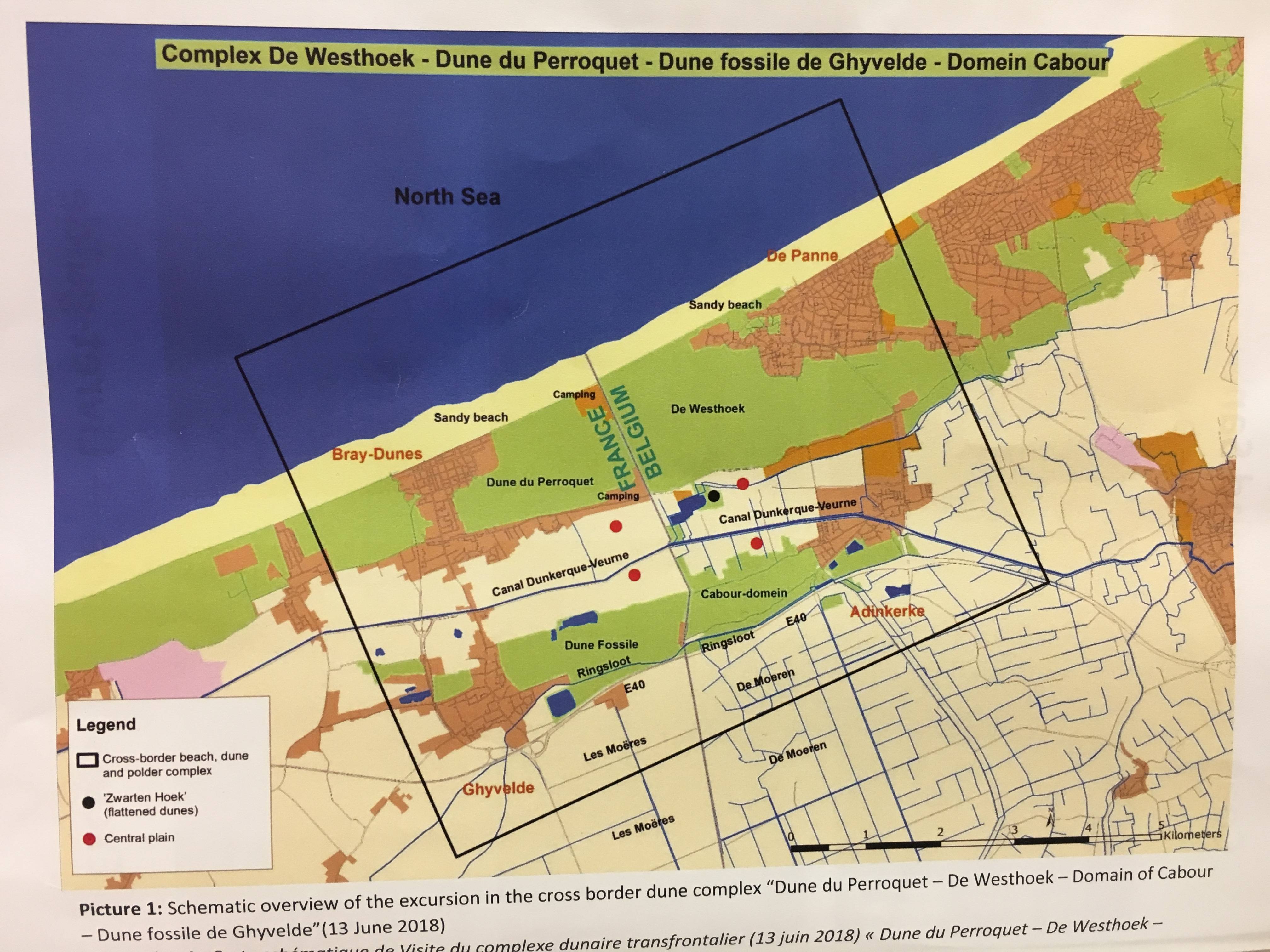
    Excursion map extracted from the interpretive guide edited for the occasion.

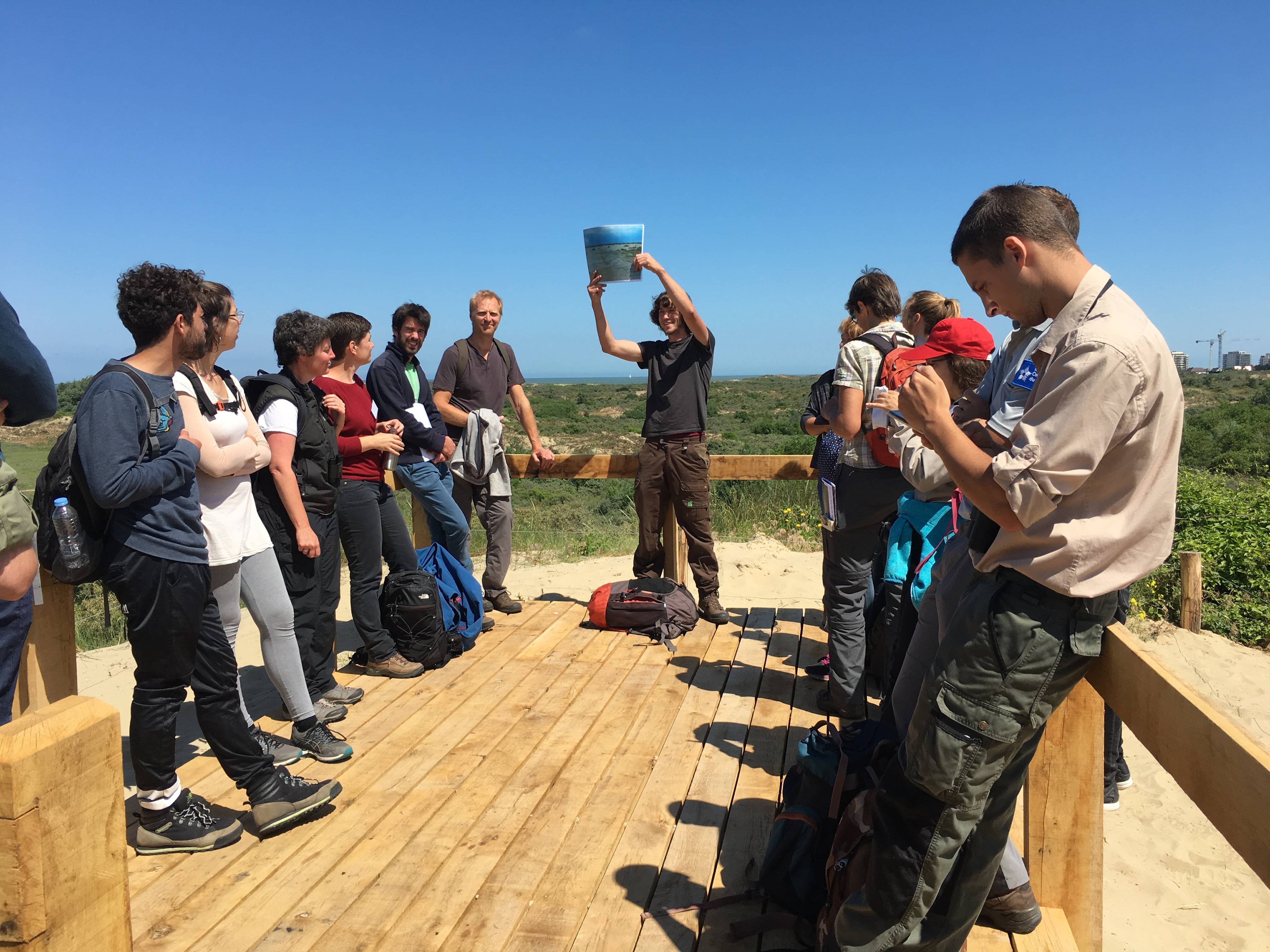
    During the 17-km long visit, members of the French and Belgian coastal conservation agencies (EUCC-France, Opalo Coast University) and other centres explained the work they carry out.  During the 12-stop tour, we saw all the habitat dunes in that area.

    Here are some images of our trip and of some of the habitats undergoing active work.
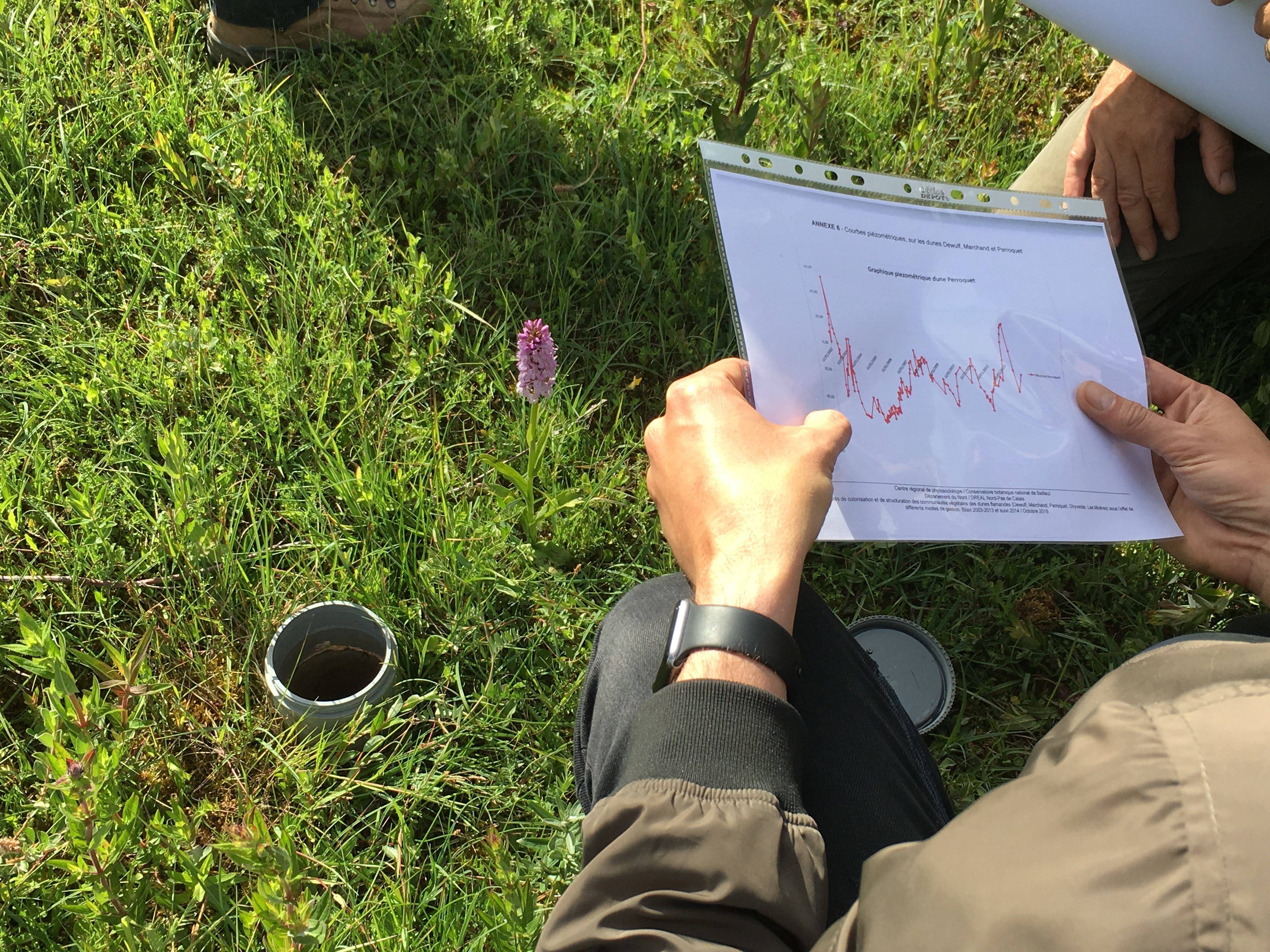
    Installation of piezometers in the wet interdune depressions (habitat 2190) to monitor water levels.
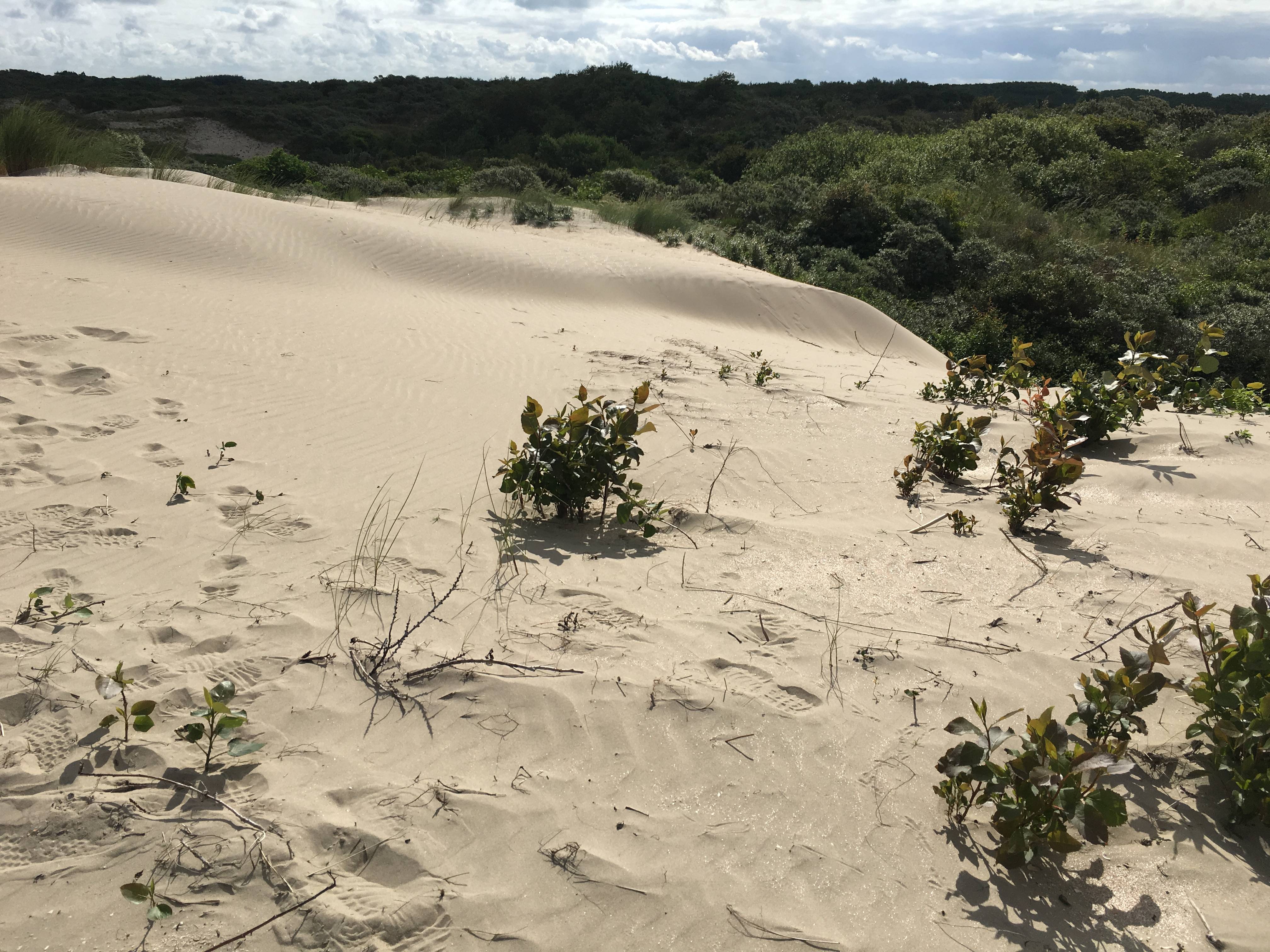
    Parabolic dune

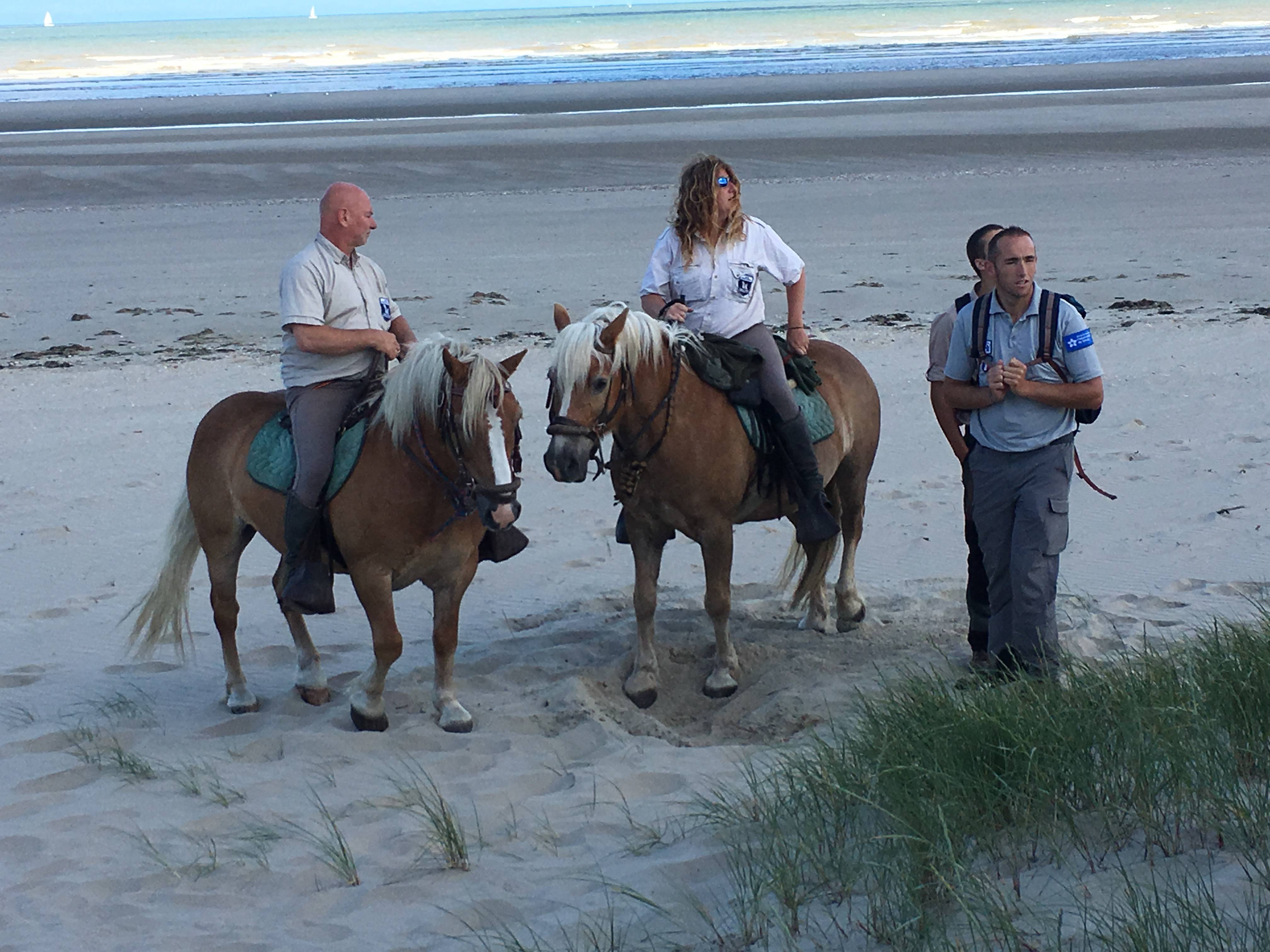
    Coast guard on horses in the Dunkirk dunes
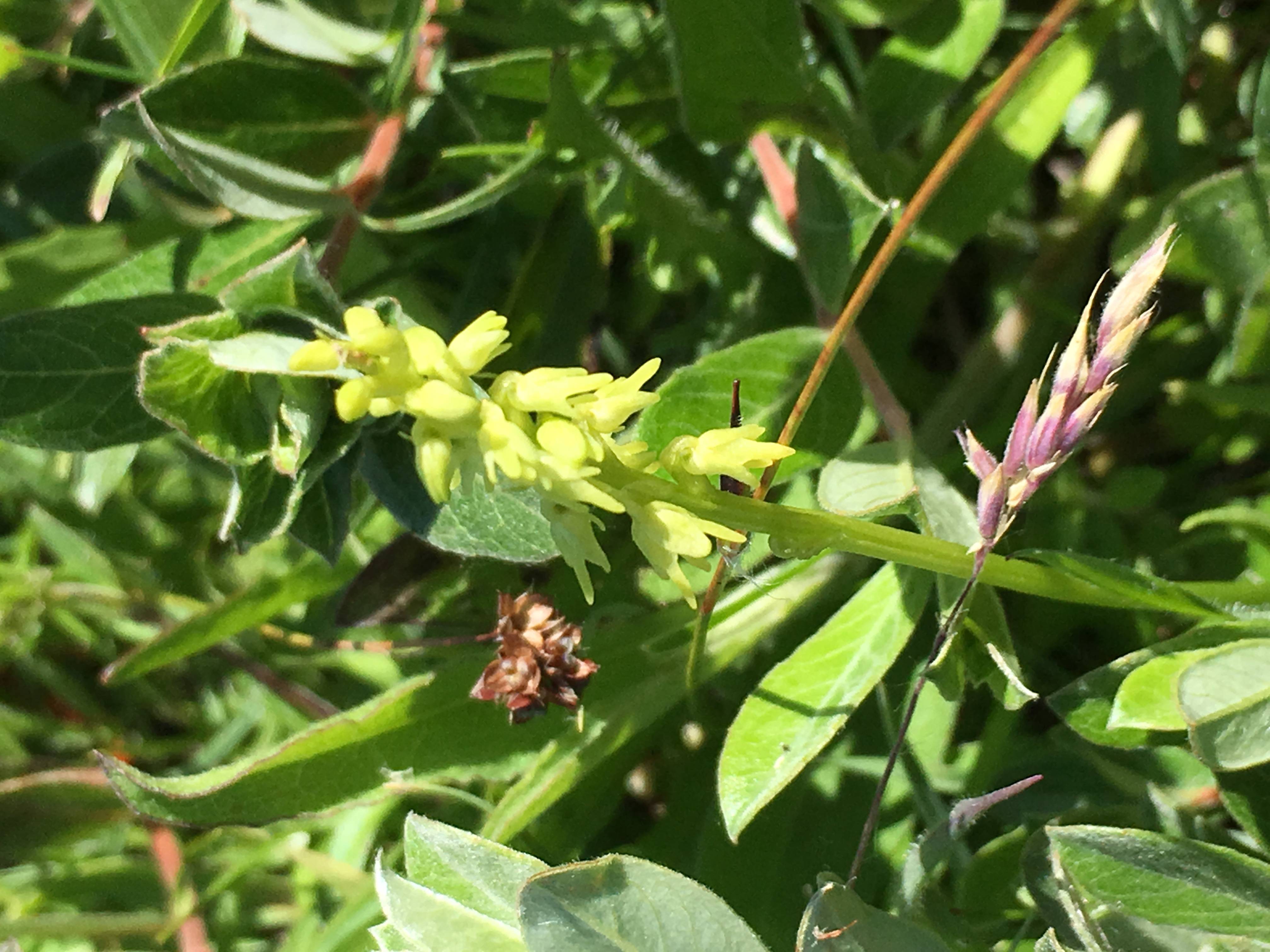
    Liparis loeselii (orchid)
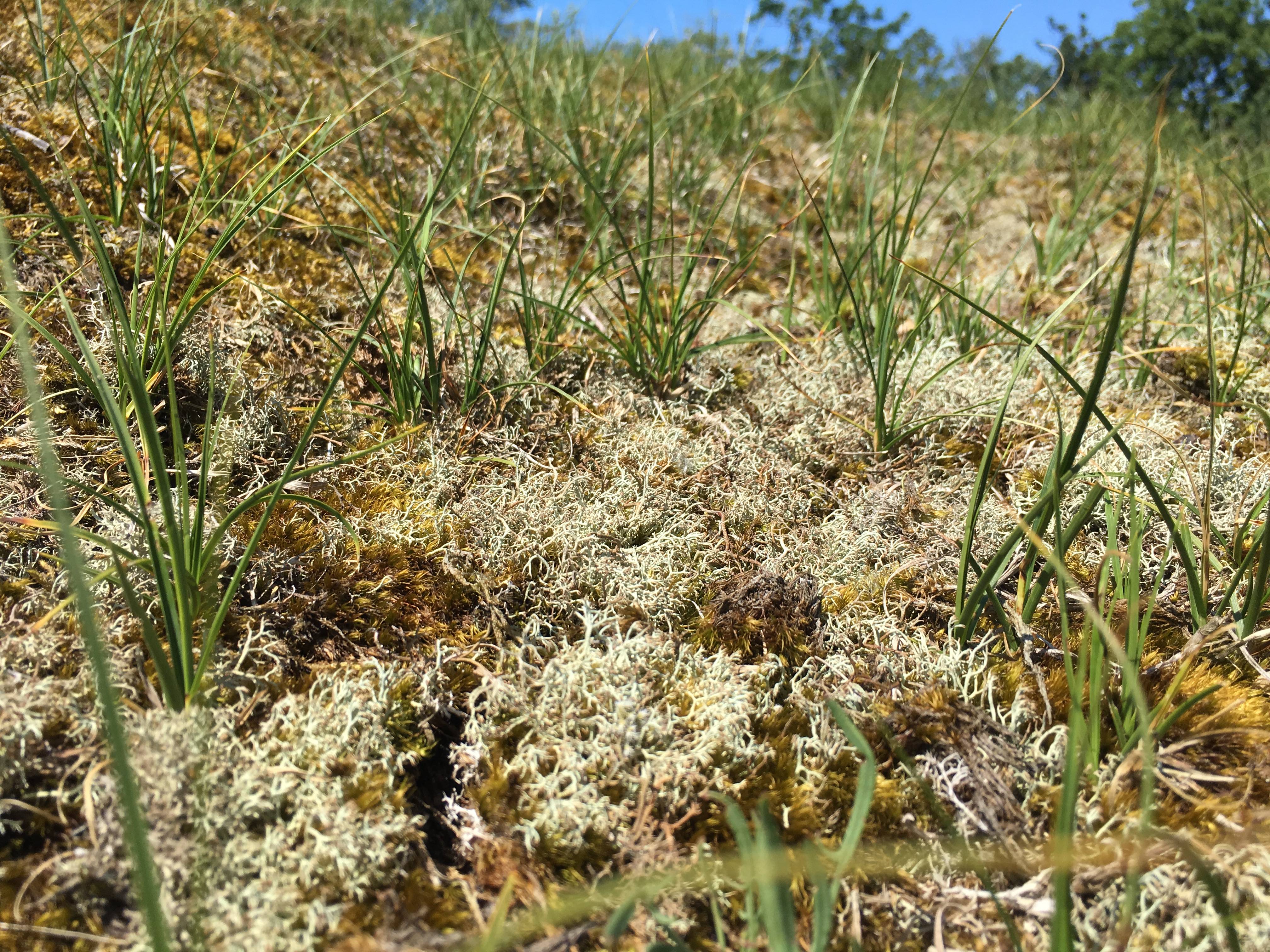
    Aspect of a fossil dune, characterized by a great presence of lichens and mosses


    Thursday, 14 June (second parallel sessions, workshop on Atlantic Dune Roadmap, conclusions and post-workshop excursion)


    The last three parallel sessions took place on Thursday morning. The topics and moderators were:

    1. Climate change & atmospheric nitrogen deposition versus biodiversity (moderated by Hubert BRABANT from EDEN 62 and EUCC France)
    2. Integrating nature development in coastal defence (moderated by Kristien OOMS from BOS+, Belgium)
    3. Management planning and monitoring (moderated by Marie-Claire PRAT from EUCC France)

    After the coffee break (an opportunity to chat with the poster artists), a workshop on the Atlantic Dune Roadmap, within the Biogeographic Process promoted by Europe, was held.

    John Houston from NEEMO and Jean-Louis Herrier from the Flemish Agency for Nature and Forests (Flanders, Belgium) were in charge of evaluating the current state of this roadmap. All attendees were encouraged to join improvement efforts. V.3 of this roadmap should be ready by September of next year. They hope to get the financing needed to implement it more efficiently.

    They especially focused on the need to boost national networks within this context. Maike Isermann from the University of Bremen requested everyone’s help to progress in exchanging experiences in eliminating exotic invasive species.

    Finally, the moderators of each of the 6 parallel sessions held on Tuesday and Thursday proceeded to give a detailed lecture on their conclusions.

    Michéal O’Briain and Jean-Louis Herrier gave the closing speech.
  • That’s how Life+ARCOS celebrated the European day for Natura 2000 network in Barayo (Navia-Valdés) Asturias

    That’s how Life+ARCOS celebrated the European day for Natura 2000 network in Barayo (Navia-Valdés) Asturias

    On 26 May, Life+ARCOS celebrated European Natura 2000 Network day alongside 34 people at the Penarronda-Barayo Special Area of Conservation (ES0000317). Here is a video summary of the day.

    At the Barayo Partial Nature Reserve interpretation centre, located in the village of Vigo (Navia), we invited Life+ARCOS members to participate in a chat with members of the Friends of Barayo Association and other associations. The goal of the chat was to inform the neighboring areas of the protected site about the project and what we aim to recover.

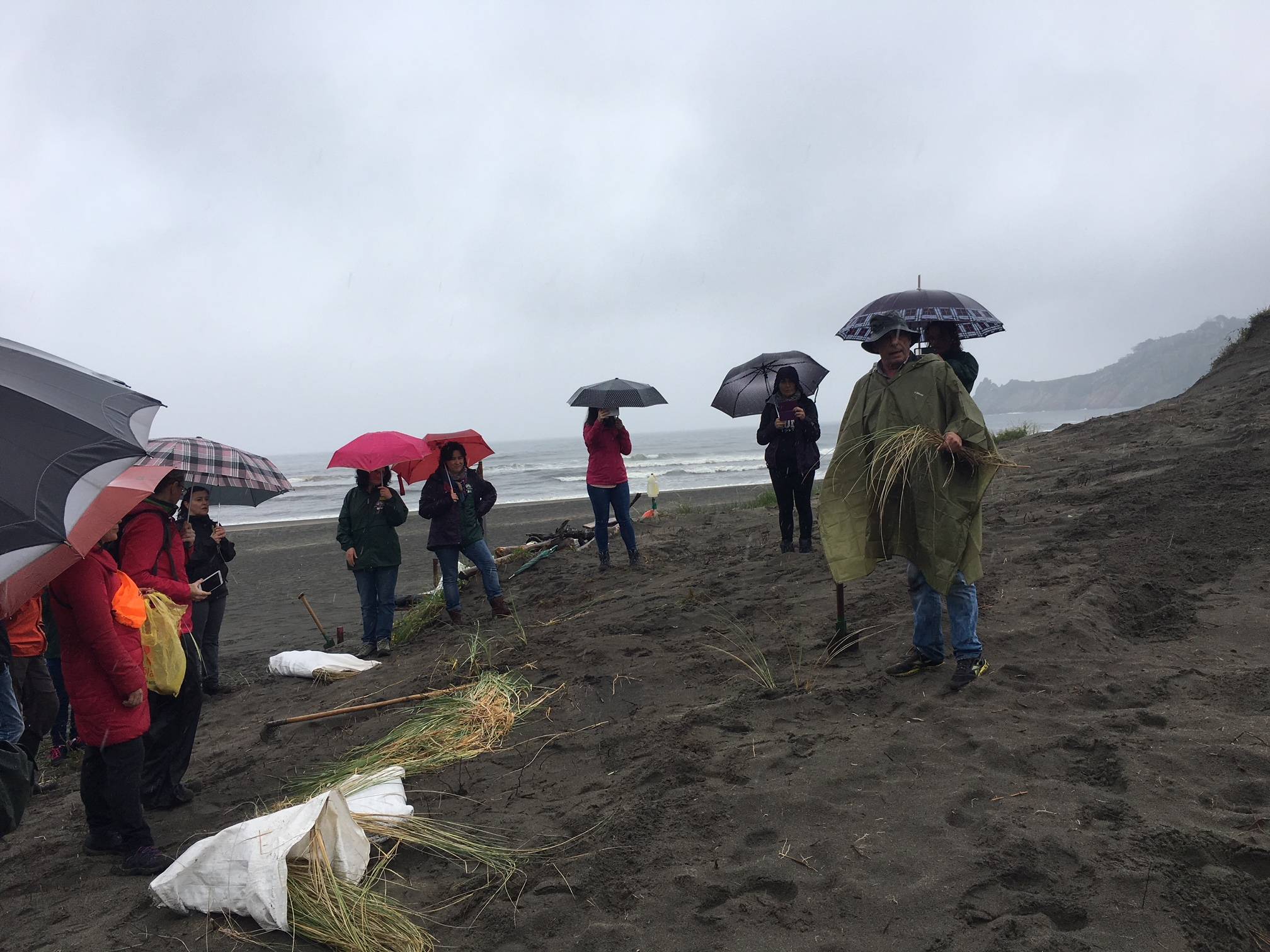
    After the chat (which turned into a Q&A session with the Life+ARCOS team) we went to the Barayo dune system to hear explanations about dune system vegetation and to observe plants that are native to these areas.
    Carlos Ley, from the company Ecología Litoral, demonstrated planting techniques for two structural species that will be introduced into the area: European beachgrass and sand couch-grass.

    Unfortunately, the bad weather prevented us from cleaning parts of the dunes that are invaded by Espartina patens.

    The day concluded with lunch at the interpretation centre.
    Life+ARCOS would like to thank all attendees for participating.

  • LIFE+ARCOS will attend the workshop «Nature in the City» hold by the LIFE project «Anillo verde la Bahía de Santander»

    LIFE+ARCOS will attend the workshop «Nature in the City» hold by the LIFE project «Anillo verde la Bahía de Santander»

    The LIFE+ARCOS project will attend the workshop under the motto of “Nature in the City”, and will present various initiatives about managing and restoring the environment. The event will be held in the University of Cantabria Assembly Hall in Santander from 15th to 17th November.

    The director of the Liencres dune Park, Jesús Varas (Directorate General of the Environment, Cantabria) is set to participate in this workshop, organised by the “Green Belt Bay of Santander” project, presenting the LIFE Arcos Project (Coastal sandbanks: conserving Cantabrian dunes) on Thursday 16th November in the University of Cantabria Assembly Hall.

    The conference is framed within block IV: Conserving Natural Heritage. Along with this, the workshop programme also includes a block dedicated to Green Infrastructures, another covering Environmental Education and Public Use and another about Ecosystem Services (see attached programme).

    Link to download the programme

    The congress, organised by the Fundación Naturaleza y Hombre and the University of Cantabria Ecocampus Department, is framed within the LIFE Project “Green Belt Bay of Santander”, which aims to create a network of natural spaces in the bay area.

    USEFUL INFORMATION:

    FREE ENTRY, PRIOR SUBSCRIPTION.
    Aimed at both specialists and the general public.
    Acknowledged with 0.5 ECTS credits from the University of Cantabria.

    MORE INFO:

    goo.gl/nGM7PL

    REGISTRATIONS:

    goo.gl/sy21rB


  • EUCC-Atlantique & LIFE ARCOS Project organize a Workshop on Cantabrian dunes, in Santander, 25-26 april 2017

    EUCC-Atlantique & LIFE ARCOS Project organize a Workshop on Cantabrian dunes, in Santander, 25-26 april 2017

    EUUC Centre Atlantique
    ARCOS Life+Project

    The non-governmental organisation EUCC, via its local branch EUCC-Atlantic, with headquarters in Biarritz (https://euccatlantic.net) and in collaboration with the ARCOSLIFE project for coastal sandbanks, is organising some field days on the Liencres and Somo-Loredo dunes, set to take place on 25th and 26th April 2017.

    Some 30 attendees are expected, including professionals, students and independent individuals from various different countries. Among the participating entities are EUCC (European Union for Coastal Conservation), National Forestry Office (Office National des Fôrets) (France) and some mayors from coastal towns such as Saint Jean de Monts (Vendée, France).

    • Web Workshop site here
    • News about Workshop in EUCC-Atlantique web here
    • Workshop registration form here


    PROVISIONAL PROGRAMME

    25th April 2017

    8:30: Meeting point in front of the dock palace on the Port of Santander. Bus shuttle to the Liencres dunes.

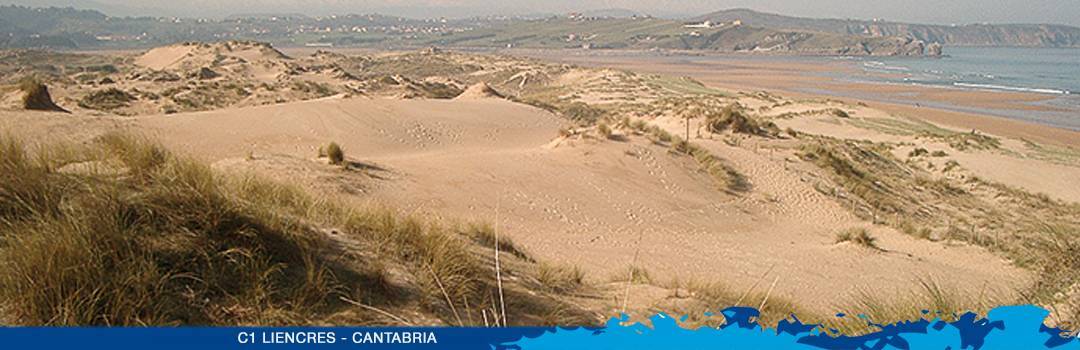
    Morning: Liencres Dunes/Pas Estuary

    liencres_700

    Carlos Ley, director of Ecología Litoral, and Jesús Varas, from the Government of Cantabria (Directorate-General of the Environment), will cover four main issues during the journey along the dune system:

    • Characteristics, formation and historical evolution of the dune system
    • Beach clean-up (polygonifolia vs  peplis)
    • Management of the pine forest
    • Public use

    Elena Fernández Iglesias, researcher from the University of Oviedo (INDUROT), will speak about the geomorphological context of the area

    13:00 – 14:00: lunch.

    Bus shuttle to the Directorate General of the Environment premises.

    14:30: Reception at the premises of the Directorate General of the Environment (Santander).

    Presentation by a representative from the Government of Cantabria.

    • (Speaker to be confirmed: Legislative context and territorial organisation in Cantabria: the keys to understanding dune management
    • Maria Recio, Hydraulic Institute of Cantabria: Analysis of the effects of pedestrian transit over the dune vegetation
    • Ignacio Alonso, Life+ARCOS project: “The role of the Life+ARCOS project in recovering the Cantabrian dune systems”.
    • Loïc Gouguet, Leading National Coastal Expert from the “National Forestry Department (Office National des Forêts, OFN)”: Managing the French Atlantic dunes, from the beach to the forested dune.
    • Paul Rooney, Liverpool Hope University: differences and similarities between the management priorities of the coastal dunes in northern and southern Europe.

    15:45 – 17:15: discussion.

    17:15 – 17:30: Presentation about the reactivation of players for the European Atlantic Network for Coastal Risk Management (ANICORIM).

    17:30 – 18:00: Return to Santander by bus


    26th April 2017

    8:30: Meeting point in front of the dock palace, Santander

    8:45: Departure of the boat across the Santander bay.

    9:00: Walk (1.5 km) to the Somo-Loredo dunes.

    Morning: The Somo dunes (photo) and the dune plant nursery

    P1000091

    Carlos Ley and Lourdes González Azpiri, from the Government of Cantabria (Directorate-General for the Environment), will guide us through the dunes and will explain:

    • The actions of the LIFE ARCOS Project: dune restored by planting European beach grass and other dune plants.
    • The techniques for planting in dunes.
    • The Loredo Dune Plant Nursery.

    13:00: Return on foot to Somo and lunch at the Surf Centre.

    Afternoon: Somo Surf Centre.

    14:30: Welcome and presentation by Mr Francisco Asón, Mayor of Ribamontán al Mar.

    • Tomás Díaz Gonzalez, Botany Professor at the University of Oviedo and general coordinator of the LIFE ARCOS Project. “The wealth of the Cantabrian dune systems”.
    • André Ricolleau,President of the Communauté de Communes Océan-Marais de Monts and Jean Magne, responsible for overseeing environmental policies: French communities and the management of public use. Examples of the “House of the Dune and of the Forest” and of the interactive Biotopia exhibition.
    • Luis Cayón, manager of the Ribamontán al Mar tourism competitiveness centre: tourist uses and visits to the Somo dunes.
    • David Rosebery, ONF coastal project managerPublic use of the Aquitaine coast.

    15:45 – 17:15: discussion.

    17:15: Return to the Somo dock and crossing of Santander bay by boat.

    18:15: Arrival in Santander