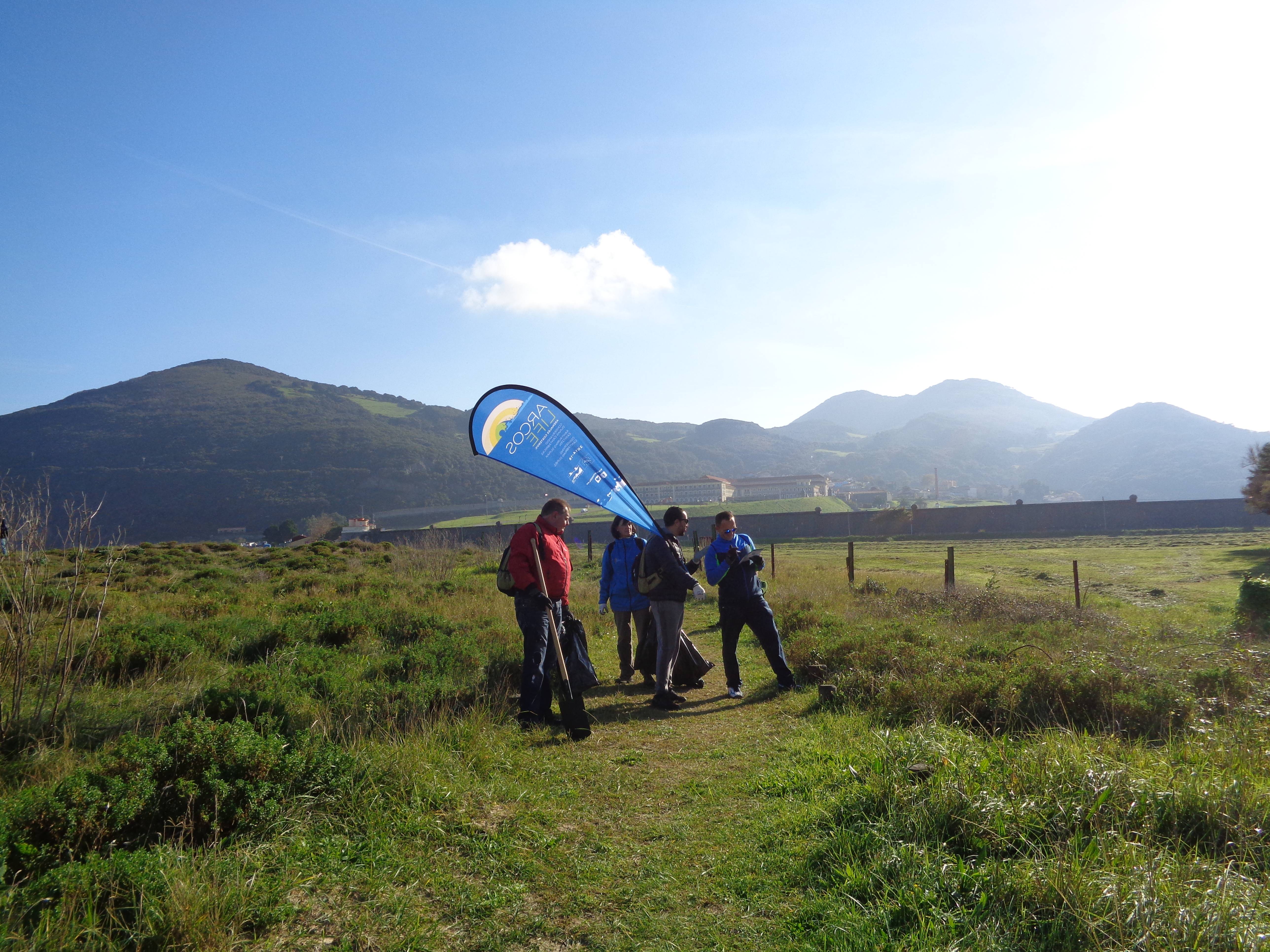
On 17th November, a new day of volunteering was held, within the framework of the LIFE ARCOS Project for dune restoration and conservation, this time with a new and different approach.
The project formed part of the NACAR Programme (Nature and Prison), in which inmates from the El Dueso Penitentiary Centre in Santoña are collaborating with the LIFE ARCOS Project on numerous occasions, mainly in the task of removing invasive exotic species, and producing and planting native flora in the dune system in the beaches near the penitentiary centre (Berria beach in Santoña and Helgueras beach in Noja).
The director of the Santoña, Victoria and Joyel Marshes Natural Park expressed the importance and value of the dune systems and their habitats; this was followed by a presentation given by members from the Asociación Ambiente Europeo (European environment association) (http://ambienteeuropeo.org/) about the citizen science project “International Coastal Cleanup”, its objectives as well as the deeply concerning issue of plastic waste in the world’s seas and oceans. The Berria beach and dune system (Santoña) were the setting for the first activity of this kind in Cantabria, with man-made waste collected using the Ocean Conservancy methodology employed on an international level in over 100 countries and territories.
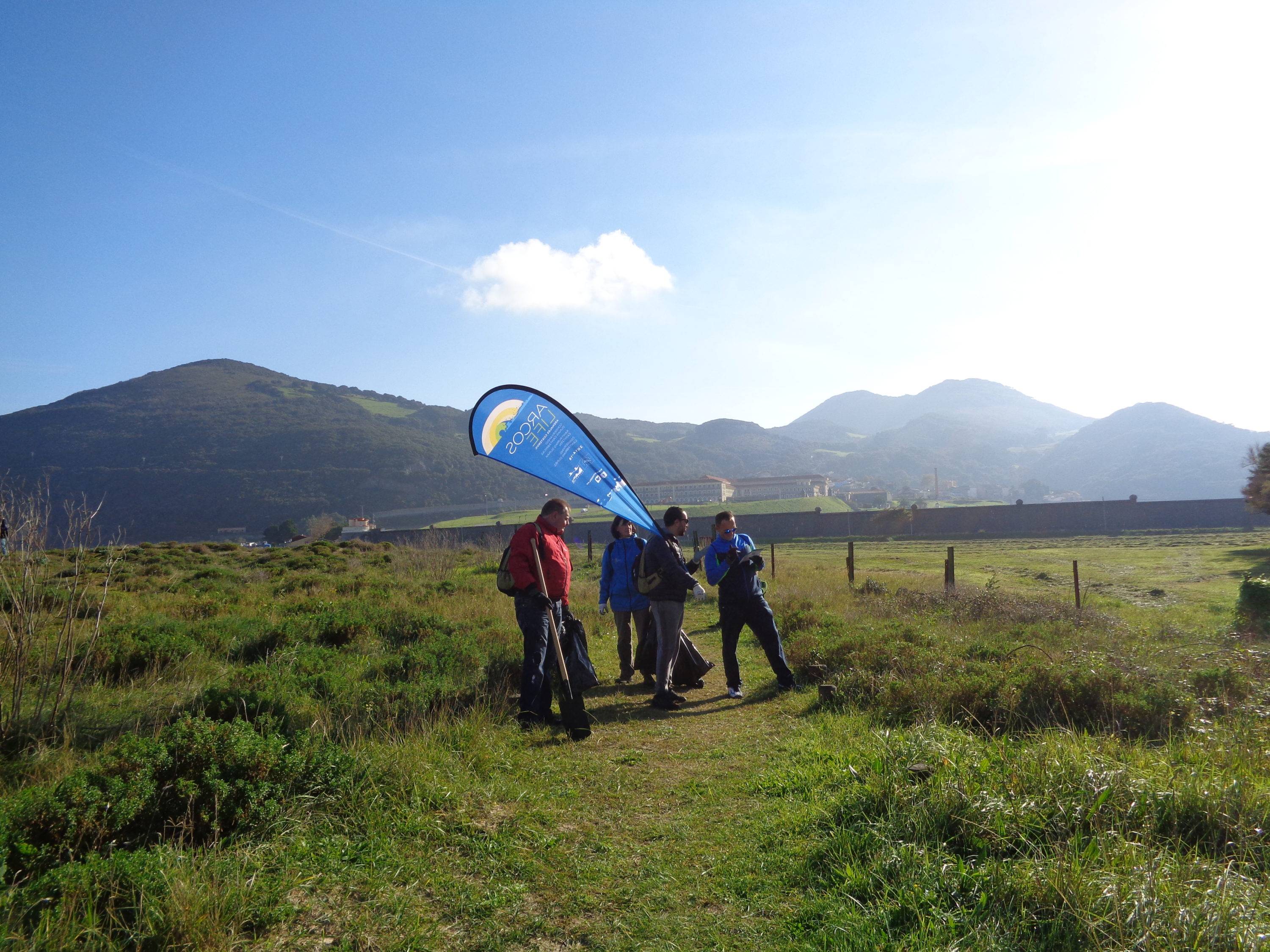
The painstaking work proposed by this methodology consists in detailing the amount of different types of waste found in the study area so as to discover the nature of it, as well as the surprising ordinariness of much of it, to raise awareness among the public and bring about a change in our everyday lifestyle habits. During the morning, waste collection was carried out (some 14.5 kg) on both the 250 m stretch of the dune system, and then along the tide line where the majority of non-biodegradable waste is concentrated, brought in by the tide.
Along the route followed to collect the waste, some cuttings of crossworts (Crucianella maritima) and seeds from other local dune flora species such as toadflax (linaria) and sea thrift (Armeria maritima) were moved for reproduction in the El Dueso nursery (Gardening Workshop), to be later replanted back on the dunes on nearby beaches.
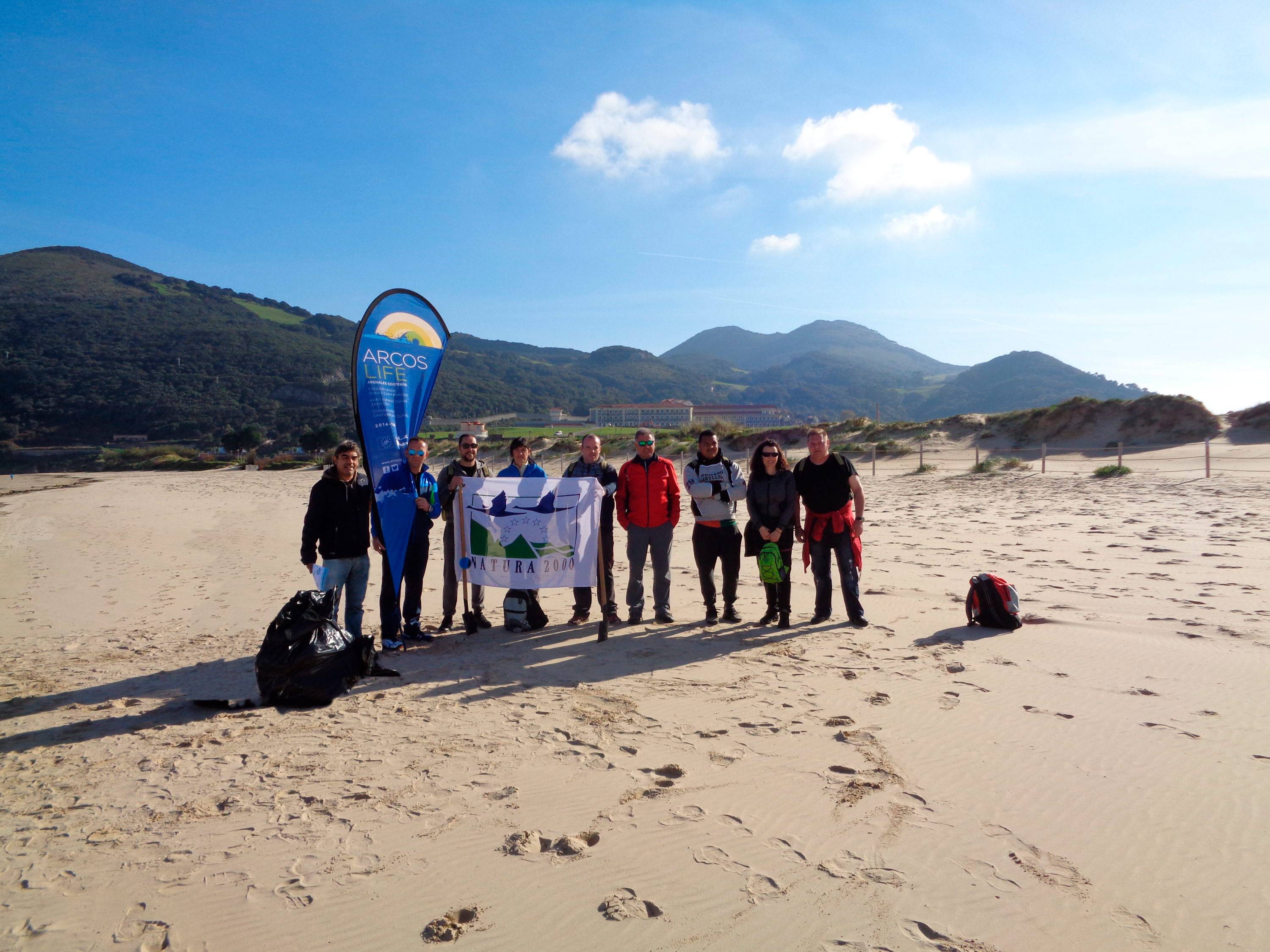
Finally, the slips filled out during the waste collection were pooled to verify their characteristics first hand, once again highlighting the great importance that simple actions in our everyday lives can have on marine ecosystems, such as avoiding buying products that have excessive plastic packaging, or choosing not to have fresh foods wrapped in plastic.
The Directorate General of the Environment from the Government of Cantabria was extremely grateful to the collaborating entities for their involvement in these kinds of tasks, which highlight just how far small gestures go towards producing major results, and that underscore the need for a change in social awareness, particularly in terms of the waste produced by each and every one of us.
