Autor: me

  • Life+ARCOS held a meeting with the authorities of the Santoña Council

    Life+ARCOS held a meeting with the authorities of the Santoña Council

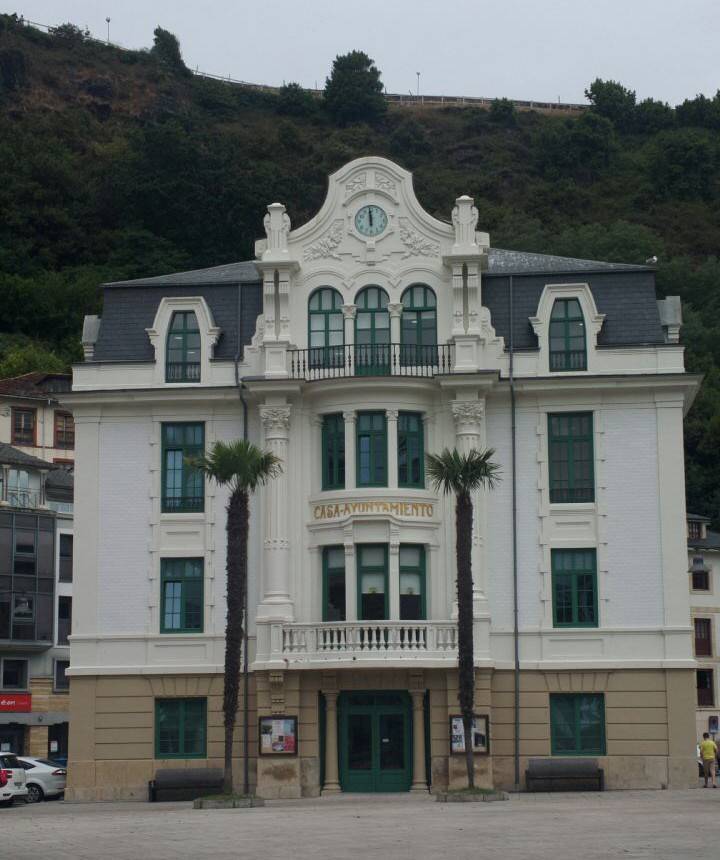
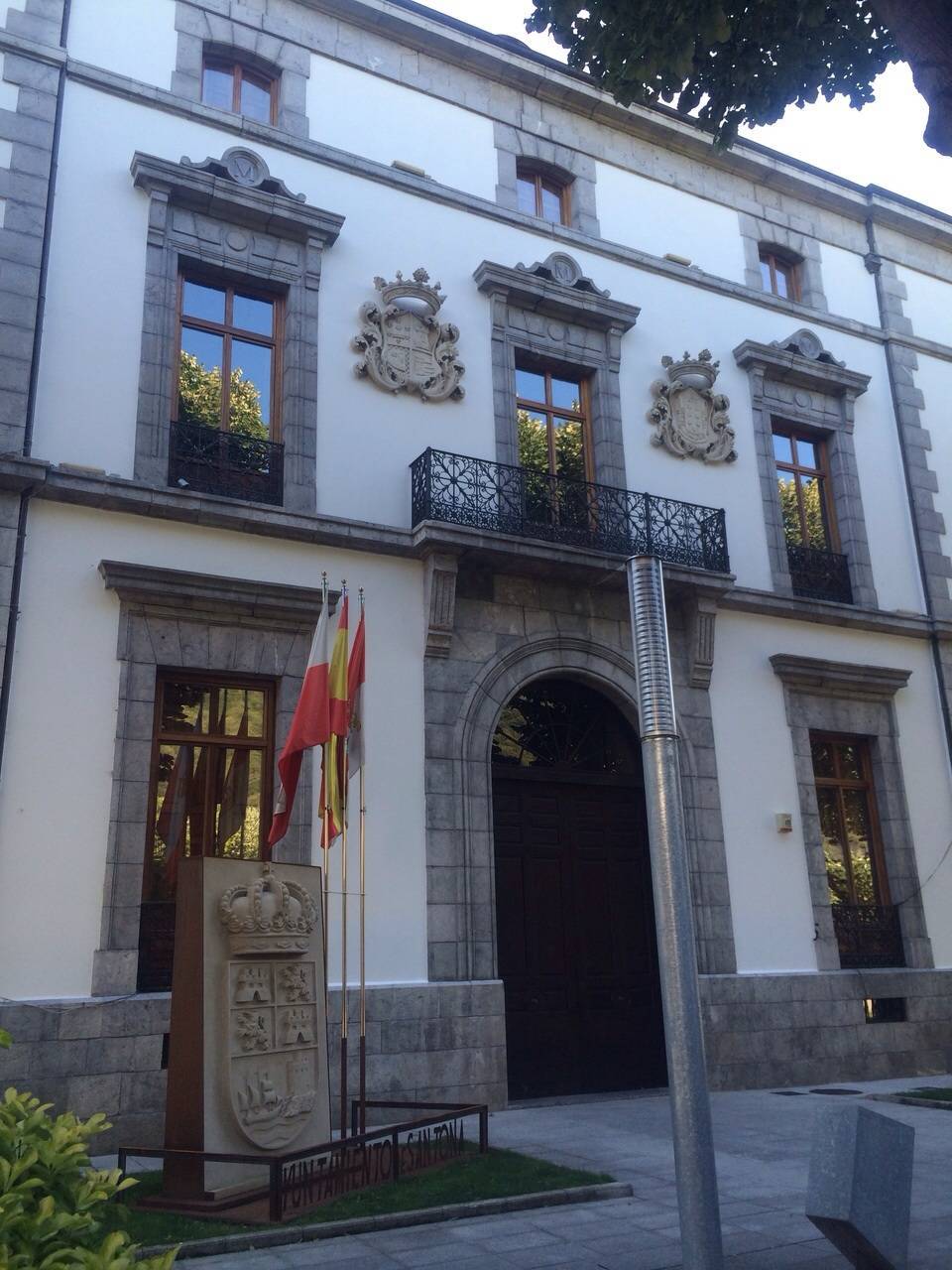
    Palacio Manzanedo, Santoña
    Council of Santoña, Manzanedo Palace, where the meeting between the Life+ARCOS project representative and representatives from the Council of Santoña was held

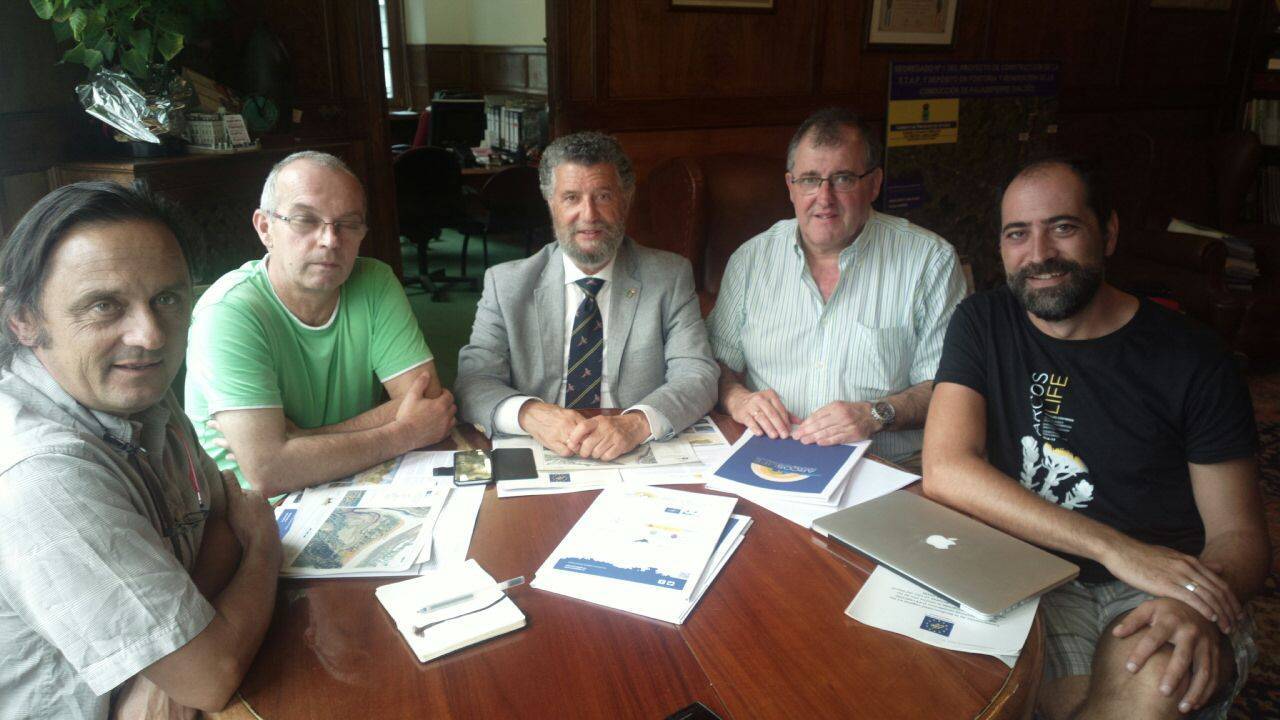
    On 23 July, the director of the Santoña, Victoria and Joyel Marshes Natural Park of the Directorate-General of Forestry and Nature Conservation of the Regional Ministry of Rural Affairs, Fisheries and Food of the Government of Cantabria (collaborating member of the LIFE+ARCOS project), Ms Lourdes González Azpiri, met with the Mayor of Santoña, Mr Sergio Abascal Azofra, and the Councillor of the Environment, Mr Fernando Palacio Ansola. They talked about items of interest within the Natural Protected Area and about the LIFE+ARCOS dune restoration project for Berria Beach (Santoña).

    Attendees received a thematic portfolio on the LIFE+ARCOS subject “Conserving Cantabrian Dunes” and learned about the scope of action and activities to be carried out on Berria Beach through 2018. They were informed about the importance of the activities planned within the project (closing the dunes, installing sand collectors, eradicating invasive species and planting dune vegetation as main activities) to maintain the structure and dynamic of the dune system. We also insisted on the need for mechanical cleaning of the front side of the beach (responsibility of the Council of Santoña) that is far enough away from the dune to conserve its habitats. In reference to the volunteer activities, we explained the relationship the NACAR (Nature and Prison) environmental volunteer programme (since 2004) with the LIFE+ARCOS project with the activities scheduled for next autumn.
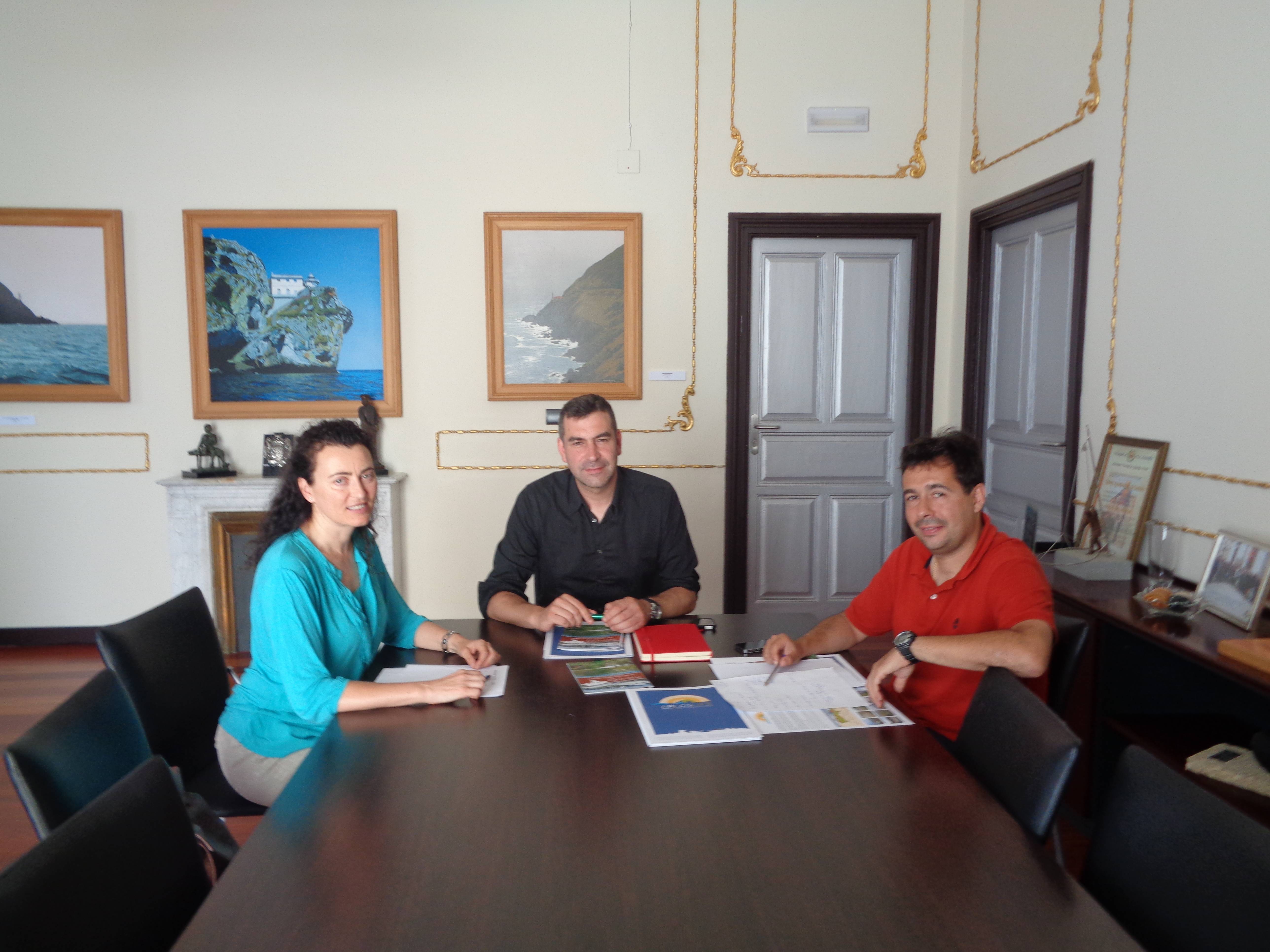
    Ms Lourdes González, the mayor of Santoña, Mr Sergio Abascal and the Councillor of Environment, Mr Fernando Palacio during the meeting.

    The Mayor and Councillor of Environment were interested in knowing more about the project’s activities and suggested carrying out a technical visit to Berria beach on 3 August to interact with the current state of Berria beach’s dune system and to evaluate existing public use infrastructure.
  • Life+ARCOS team finds a new population of the protected species Chamaesyce peplis in the Verdicio (Asturias) dune system

    Life+ARCOS team finds a new population of the protected species Chamaesyce peplis in the Verdicio (Asturias) dune system

    In the course of the Cantabrian dune system recovery actions within the activity of the Life+ARCOS project, on the Tenrero beach, Verdicio (Asturias), a population of the threatened species Chamaesyce peplis has been identified.

    This species had already been listed by Damián Abril-San Juan for this protected space, in his end-of-degree project about the “Assessment of Plant Coverage in the Verdicio Dune System, Gozón (Asturias)”, but during 2014 the Life+ARCOS team in charge of collecting seeds for their preservation and use in re-introduction actions envisaged within the project were unable to find it.

    Frutos de Chamaesyce peplis
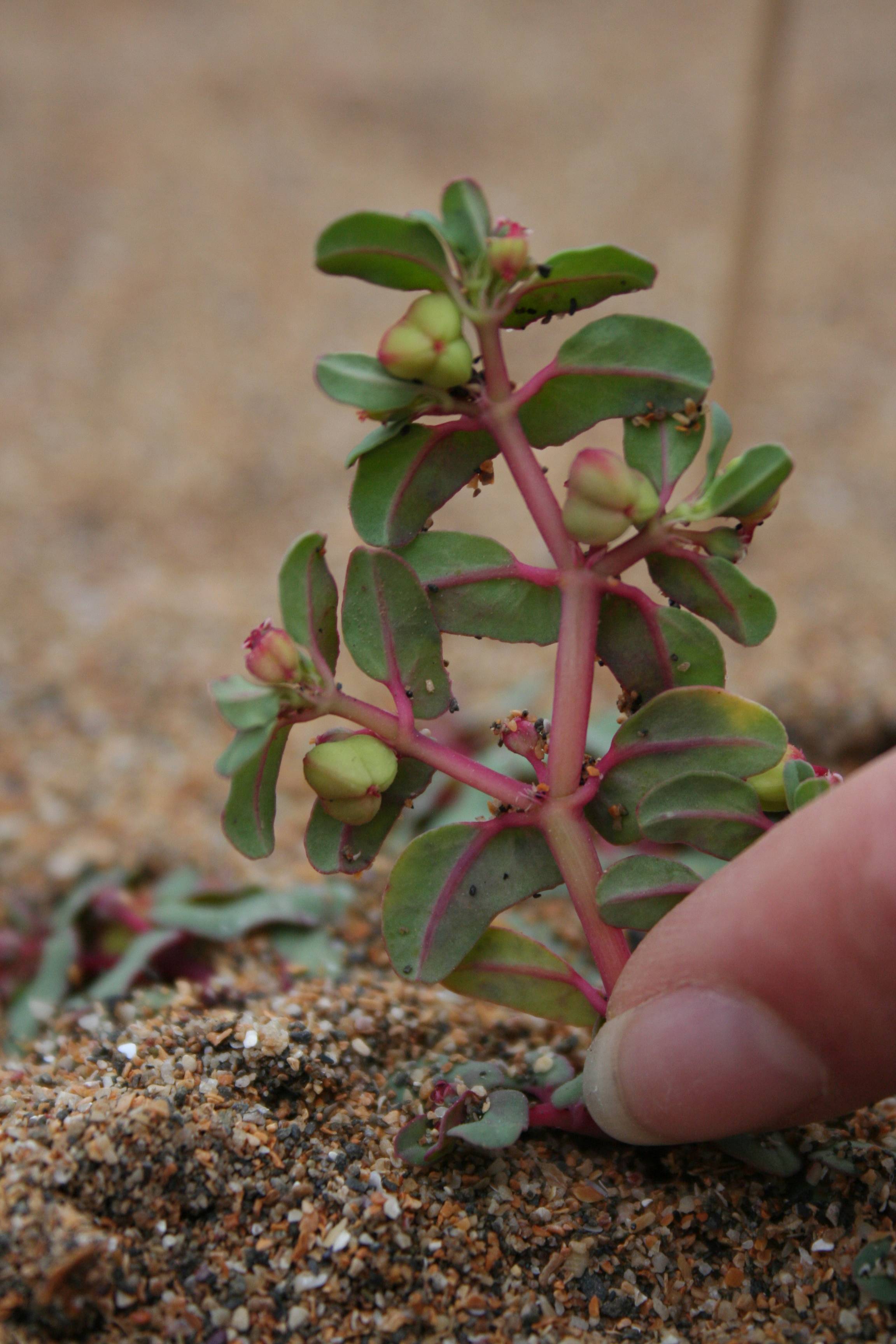
    “Sea spurge” specimen, displaying its still unripe fruits, each containing 3 seeds.

    Chamaesyce peplis is a species that along with around twenty other taxa, are being preserved in the germoplasm banks in Iturrarán (Basque Country) and in the Atlantic Botanical Garden, where its germination capacity is being assessed and for its later use in restoring 10 dune ecosystems along the Cantabrian coast benefiting from this European project.

    Sea spurge is an annual plant found on the tide line area of dunes and sandbanks, included within the Principality of Asturias Regional Catalogue of Threatened Flora Species under the “Endangered“ category. In the Communities of the Basque Country and Cantabria, this species is also included in the protection catalogues under the category of “Vulnerable“. 

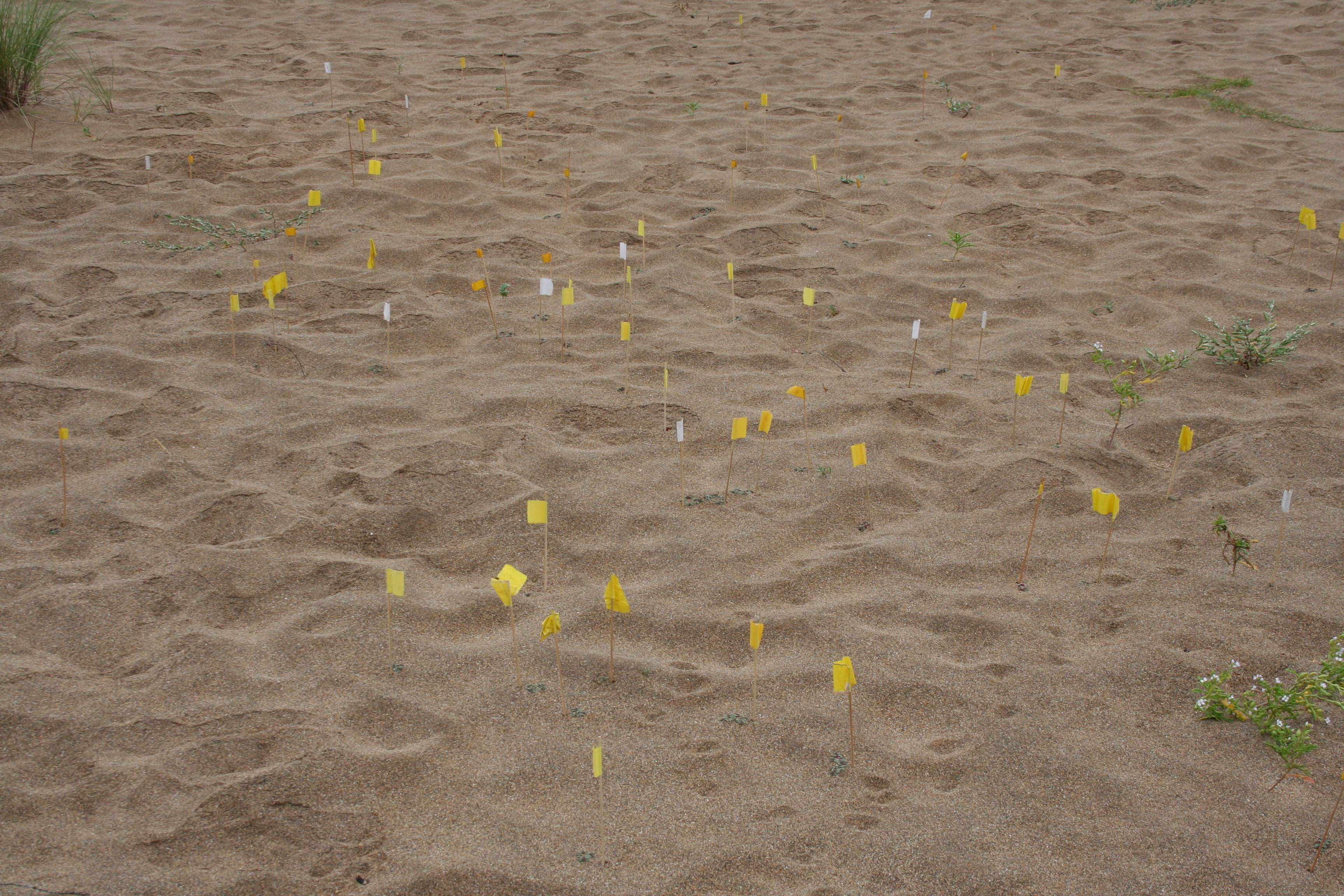
    A direct census has been carried out on this population, producing an approximate figure of 150 specimens. This high number of specimens is particularly striking given the harsh environmental conditions faced by these plants over the past autumn-winter seasons, in which adverse weather conditions considerably altered the landscape.

    The recreational use of the habitat where this species is developing – particularly intense over the summer season – can make it difficult for enough species to complete their life cycle (remember that they are annual plants), culminating with the production of seeds that allow it to regenerate year after year.

    Other activities, such as beach cleaning with machinery, can cause irreparable damage to the numbers of this species.

    Señalización de ejemplares de Chamaesyce peplis en la playa de Verdicio.
    Image displaying the census carried out on “sea spurge” populations located in Verdicio

    Sea spurge is currently in full flower, and even though some plants have already begun to develop fruits, we must still wait for several weeks before collecting the seeds. 

    In the photograph you can see the still green fruits of this species (small and smooth trilocular capsules) each containing three seeds.

    In the near future, once the seeds of this species have been collected, the University of Oviedo-Atlantic Botanical Garden scientific team will develop the most suitable cultivation protocols so as to reintroduce the Chamaesyce peplis back into the Cantabrian dune, where it has currently disappeared completely, or to reinforce enclaves where its numbers have been diminishing.

    If you come across this species on a visit to Verdicio, please remember that it is protected and enjoy its presence without damaging it. It is a great privilege to see such a rare species along the coasts of the northern Iberian peninsula.

  • Life+ARCOS encuentra la “lechetrezna de playa” en la playa de Verdicio

    Life+ARCOS encuentra la “lechetrezna de playa” en la playa de Verdicio

    En el transcurso de las acciones de recuperación de los sistemas dunares cantábricos que centran la actividad del proyecto Life+ARCOS se ha localizado, en la playa de Tenrero, Verdicio (Asturias), una población de la especie amenazada Chamaesyce peplis.

    Esta especie ya había sido mencionada para este espacio protegido por Damián Abril-San Juan, en su trabajo de fin de grado sobre la «Evaluación de la Cubierta Vegetal en el Sistema Dunar de Verdicio, Gozón (Asturias)» pero durante el año 2014 no se localizó por el equipo de Life+ARCOS encargado de la recogida de semillas para su conservación y utilización en las acciones de reintroducción previstas en el proyecto.

    Frutos de Chamaesyce peplis
    Ejemplar de «lechetrezna de playa» en el que pueden observarse los frutos todavía inmaduros que albergan 3 semillas cada uno.

    Chamaesyce peplis es una especie que, junto con otra veintena de taxones, están siendo conservados en los bancos de germoplasma de Iturrarán (País Vasco) y del Jardín Botánico Atlántico, para evaluar su capacidad germinativa y posterior uso en la restauración de los 10 ecosistemas dunares de la costa cantábrica beneficiados de este proyecto europeo.

    La lechetrezna de playa es una planta anual propia de la zona de arribazón de dunas y arenales que se encuentra incluida dentro del Catálogo Regional de Especies Amenazadas de la Flora del Principado de Asturias bajo la categoría «En peligro de extinción«. En las Comunidades de el País Vasco y en Cantabria esta especie también está recogida en los catálogos de protección bajo la categoría de «Vulnerable«. 

    Sobre esta población se ha podido realizar un censo directo que arroja unas cifras aproximadas al centenar y medio de ejemplares. Es particularmente llamativo el elevado número de individuos debido a la dureza de las condiciones ambientales a las que se encuentran expuestas estas plantas, donde los fuertes temporales del pasado otoño-invieron han modificado considerablemente el paisaje.

    El uso recreativo dentro del hábitat en el que se desarrolla esta especie, especialmente intenso durante la época estival, puded dificultar que un número suficiente de ejemplares complete su ciclo vital (recordemos que son plantas anuales) culminando con la producción de semillas que permitiría su regeneración año tras año.

    Otras actividades como la limpieza de playas con maquinaria provocan desastres irreparables sobre las poblaciones de esta especie.

    Señalización de ejemplares de Chamaesyce peplis en la playa de Verdicio.
    Imagen que muestra el censo realizado sobre la población de «lechetrezna de playa» localizada en Verdicio

    Actualmente, la lechetrezna de playa se encuentra en plena floración, y aunque algunas plantas han comenzado a desarrollar ya sus frutos aún tendremos que esperar varias semanas para poder recolectar las semillas. 

    En la fotografía que os mostramos se pueden observar, todavía verdes, los frutos de esta especie (pequeñas cápsulas triloculares lisas) que contienen tres semillas cada uno.

    Próximamente, y una vez llevada a cabo la recogida de semillas de esta especie, el equipo científico del Jardín Botánico Atlántico-Universidad de Oviedo, pondrá a punto los protocolos de cultivo más adecuados para poder reintroducir a Chamaesyce peplis en las dunas de las playas cantábricas en las que actualmente ha desaparecido o reforzar aquellos enclaves en los que su número se ha hecho cada vez menor.

    Si visitáis Verdicio y veis esta especie, por favor, recordad que está protegida y disfrutad de su presencia sin causarla daños. Podréis consideraros privilegiados de ver una especie muy rara en las costas del norte de la Península Ibérica.

  • Life+ARCOS meets the majors and councillors of Valdés and Navia Councils, Asturias

    Life+ARCOS meets the majors and councillors of Valdés and Navia Councils, Asturias

    Asistentes a la reunión
    From left to right. Álvaro Bueno, Mariano Fernández, Ignacio García Palacios, Simón Guardado Pérez and Ignacio Alonso, attendees at the meeting.

    Today, members of the University of Oviedo, the coordinating partner of the Life+ARCOS project, held a meeting at the Luarca Council with the local mayor, Mr Simón Guardado Pérez, the Councillor of Navia, Mr Ignacio García Palacios, and a member of the Navia Council Environmental Department, Mr Mariano Fernández, to give information about the development of the conservation actions included within the project for the Barayo Beach protected space.

    During the meeting, Mr Alvaro Bueno Sánchez and D. J. Alonso Felpete explained to representatives from both Councils the actions envisaged for the Partial Natural Reserve of Barayo, a protected space that encompasses terrain belonging to both Navia and Valdés. They were given an informative dossier with the list of foreseen actions in the other enclaves where this project is being developed.

    IMG-20150708-WA0005
    Luarca Council, which hosted the meeting between representatives of the Life+ARCOS project and representatives of the Navia and Valdés Councils

    The Councillors and members of the Council shared the interest and concern expressed by Life+ARCOS to recover the state of conservation of the dune system, which is currently far from optimal. Removing invasive species from the setting, specifically the actions on the invasive grass Spartina patens, were a central part of the meeting. The proposal to remove the non-native trees currently covering the space on the Barayo grey dune was met with great interest by all parties, who discussed the possibility that the dune ecosystem restoration actions may receive financial support from other institutions, which until now had not been part of the project development.

    The meeting ended with the intention of all parties to hold an information session about all the actions envisaged for the Barayo space, with citizen participation and open to specific groups that may be interested in participating in the volunteering programme, which have been planned for this space within the Life+ARCOS project.

  • Life+ARCOS se reúne con los ayuntamientos de Valdés y Navia, Asturias

    Life+ARCOS se reúne con los ayuntamientos de Valdés y Navia, Asturias

    Asistentes a la reunión
    De izda. a dcha. Álvaro Bueno, Mariano Fernández, Ignacio García Palacios, Simón Guardado Pérez e Ignacio Alonso, asistentes a la reunión.

    Integrantes de la Universidad de Oviedo, socio coordinador del proyecto Life+ARCOS mantuvieron el día de hoy una reunión en el ayuntamiento de Luarca con el alcalde de este consistorio, D. Simón Guardado Pérez, el edil del  Concejo de Navia, D. Ignacio García Palacios y el concejal de Medio Ambiente de este último ayuntamiento, D. Mariano Fernández, para informar sobre el desarrollo de las acciones de conservación incluidas dentro del proyecto para el espacio protegido de la Playa de Barayo.

    Durante la reunión, D. Alvaro Bueno Sánchez y D. J. Ignacio Alonso Felpete explicaron a los representantes de ambos concejos las actuaciones que se pretende llevar a cabo en la Reserva Natural Parcial de Barayo, espacio protegido que comparte territorio entre Navia y Valdés y se les entregó un dossier informativo con el listado de acciones previstas en el resto de enclaves en los que se desarrolla este proyecto.

    IMG-20150708-WA0005
    Ayuntamiento de Luarca, que acogió la reunión entre los representantes del proyecto Life+ARCOS y los representantes de los ayuntamientos de Navia y Valdés.

    Los ediles y concejales compartieron con el equipo de Life+ARCOS el interés y preocupación por recuperar el estado de conservación del sistema dunar, actualmente muy alejado de su óptimo. La eliminación de las especies invasoras del entorno, en concreto las acciones sobre la gramínea invasora Spartina patens, centraron parte de la reunión. La propuesta de eliminación del arbolado no auctóctono que actualmente ocupa el espacio de la duna gris de Barayo fue acogida con interés por todas las partes, que debatieron sobre la posibilidad de que las acciones de restauración del ecosistema dunar contaran con el apoyo financiero de otras instituciones, hasta ahora ajenas al desarrollo del proyecto.

    La reunión finalizó con la intención de todas las partes de realizar una sesión informativa sobre el conjunto de las acciones previstas sobre el espacio de Barayo, abierto a la ciudadanía y a grupos concretos que puedan estar interesados en participar dentro del programa de voluntariado que, dentro de Life+ARCOS se han previsto para este espacio.

  • Volunteering day in Berria with the aim of NACAR project. Event date: 12/06/2015

    Volunteering day in Berria with the aim of NACAR project. Event date: 12/06/2015

    Dune restoration by removing waste, invasive plants and by planting sea daffodils on the Berria beach (SCI Santoña, Victoria and Joyel Marshes)

    NACAR_banderola
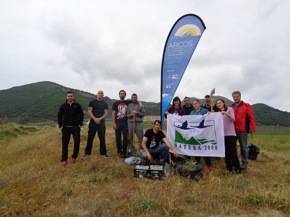
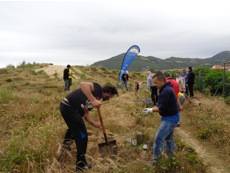
    Image of the group of participants on the volunteering day

    After being forced to rain off the activity set for 15th May, this time inmates and technicians from the El Dueso Penitentiary Centre participated in the start of the volunteering activities within the Life+ARCOS programme, also giving continuity to the NACAR Programme (Nature and Prison) that has involved environmental volunteering work since 2009 on the Berria beach dune system.

    articulo_NACAR_localizacion
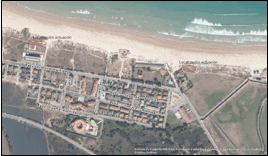
    Area of action

    The Nature Conservation Expert from the Directorate General of Forestry and Conservation from the Government of Cantabria and two trainees (Technical Forestry Engineers) explained the Life+ARCOS programme, whose main aim is to restore dune systems on different points along the Cantabrian coast. They gave them notions about the Protected Natural Space, the problematic issue of invasive species, planting bulbs, giving their full support at all times for hands-on implementation.

    The first action that was carried out was collecting waste and removing specimens from the entire ragweed population (Ambrosia artemisiifolia) along the tertiary dune area on the Berria beach, using careful manual removal techniques to avoid new shoots from forming in the future from the stoloniferous rhizomes. Some 30 young specimens of another invasive species were found in the same area: Adam’s needle (Yucca gloriosa), which were also removed, excavating the sand so as to remove its roots.

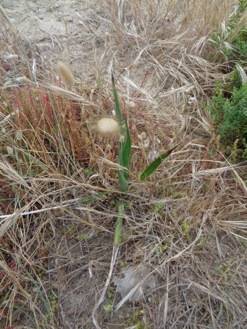
    yucca
    Yucca gloriosa

    Next, almost 100 sea daffodils were replanted (Pancratium maritimum) in the areas cleared of the ragweed. The sea daffodil bulbs used had been kept since March in the nursery of the El Dueso Penitentiary Centre Gardening Workshop, as part of another activity carried out by inmates involving collecting the bulbs from the same dune system where they had been displaced by winter storms.

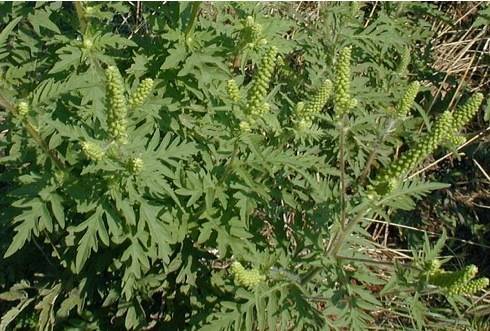
    ambrosia
    Ambrosia artemisiifolia

    The second activity was carried out on the middle zone of the dune system, in front of the Juan de la Cosa Hotel, also on the Berria beach tertiary dune. First the small stones and rubble piled on the sand were sieved out, so as to remove the largest materials. Next, the sea daffodil bulbs were replanted.

    Plantación de bulbos de azucena marina
    Plantación de bulbos de azucena marina


    The objectives of this day to improve the dune system habitats and to raise environmental awareness have been successfully achieved. The area worked on directly, in total comprised some 1,500 m2 of tertiary dune.

    At the end of the day, the inmates received a Life+ARCOS project t-shirt and they were enthusiastic about having the opportunity to have collaborated in this environmental activity.

    As well as various workshops, the El Dueso Penitentiary Centre also has a Radio channel that broadcasts the most important events in which the inmates participate. After the day of volunteering, one of the participants broadcast on the El Dueso Radio Programme in the local area of Santoña, about the activities carried out, including details about the plant species that they had been working on.

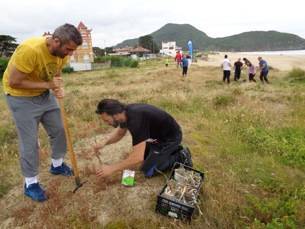
    Voluntarios durante los trabajos de restauración de la duna terciaria de Berria
    Volunteers during the Berria tertiary dune restoration works

    We hope to carry out a new activity from the LIFE+ARCOS soon, in collaboration with the NACAR Programme (Nature and Prison)!


  • Voluntariado en la playa de Berria dentro del programa NACAR. 12/06/20015

    Voluntariado en la playa de Berria dentro del programa NACAR. 12/06/20015


    Restauración dunar mediante retirada de residuos, de plantas invasoras y plantación de azucena marina en la playa de Berria (LIC Marismas de Santoña, Victoria y Joyel)

    NACAR_banderola
    Imagen de grupo de los participantes en la jornada de voluntariado

    Después de tener que cancelar la actividad el 15 de mayo debido a la intensa lluvia, los internos y técnicos del Centro Penitenciario de El Dueso han sido los partícipes, en esta ocasión, del inicio de las actividades de voluntariado dentro del programa LIFE + ARCOS y, a su vez, dando continuación al programa NACAR (Naturaleza y Cárcel) que desde el año 2009 contempla labores de voluntariado ambiental en el sistema dunar de la playa de Berria.

    articulo_NACAR_localizacion
    Área de actuación

    El Técnico en Conservación de la Naturaleza de la Dirección General de Montes y Conservación del Gobierno de Cantabria y las dos becarias (Ingenieros Técnicos Forestales) explicaron el programa LIFE+ ARCOS, cuyo objetivo principal es la restauración de sistemas dunares en diferentes emplazamientos de la costa cantábrica, y les aportaron nociones sobre el Espacio Natural Protegido, la problemática de las especies invasoras, la plantación de bulbos y apoyaron la ejecución práctica, en todo momento.

    La primera actuación que se llevó a cabo fue la recogida de basuras y retirada de ejemplares de toda la población de ambrosia (Ambrosia artemisiifolia) en zona de duna terciaria presente en la playa de Berria mediante un cuidadoso arrancado manual para evitar el rebrote posterior de su rizoma estolonífero. En la misma zona, fueron detectados unos 30 ejemplares jóvenes de otra especie invasora la yuca (Yucca gloriosa), que también fueron retirados excavando en la arena para retirar sus raíces.

    yucca
    Yucca gloriosa

    Posteriormente, se procedió a revegetar con casi 100 ejemplares de azucena marina (Pancratium maritimum) las zonas aclaradas de ambrosia. Los bulbos de azucena marina utilizados, se habían mantenido desde marzo en el vivero del Taller de Jardinería del Centro Penitenciario de El Dueso, y provenían de otra actividad llevada a cabo con internos que los recogieron del mismo sistema dunar donde habían quedado descalzados por los temporales invernales.

    ambrosia
    Ambrosia artemisiifolia

    La segunda actuación se llevó en la zona media del sistema dunar, frente al Hotel Juan de la Cosa, también en duna terciaria en la playa de Berria. Primeramente, se hizo un cribado de piedras pequeñas y escombros amontonados en la arena con la intención de retirar los materiales más gruesos y, posteriormente, se procedió a su revegetación con azucena marina.

    Plantación de bulbos de azucena marina
    Plantación de bulbos de azucena marina

    Los objetivos de esta jornada de mejora de hábitats del sistema dunar y de sensibilización ambiental han sido alcanzados. La superficie intervenida directamente, en su conjunto, ha sido de unos 1.500 m2 de duna terciaria.

    Al finalizar la jornada, los internos recibieron una camiseta del proyecto LIFE + ARCOS y mostraron su entusiasmo por haber podido colaborar en esta actividad medioambiental.

    El Centro Penitenciario del El Dueso cuenta además con diversos talleres, existiendo uno de Radio con el cual difunden los acontecimientos más significativos en los que los internos participan. Uno de los participantes, después de la jornada de voluntariado difunde dentro del ámbito local de Santoña en el programa de Radio El Dueso las actividades llevadas a cabo, detallando incluso, las especies vegetales con las que han trabajado.

    Voluntarios durante los trabajos de restauración de la duna terciaria de Berria
    Voluntarios durante los trabajos de restauración de la duna terciaria de Berria

    ¡Esperamos realizar pronto una nueva actividad del proyecto LIFE+ARCOS en colaboración con el Programa NACAR (Naturaleza y Cárcel)¡

  • TPA Noticias fin de semana 1ª edición 07/06/2015

    TPA Noticias fin de semana 1ª edición 07/06/2015

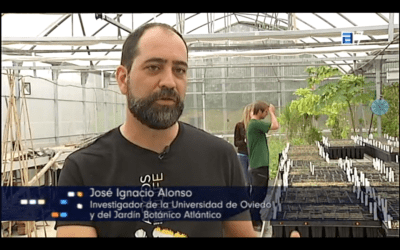
    «Eliminar especies invasoras de las dunas cantábricas y producir plantas para su reintroducción, objetivos del proyecto LIFE+ARCOS»

    Fecha emisión: 07/06/2015 

    [button link=»https://www.youtube.com/watch?t=53&v=vD1RKnVHxFE» color=»lightblue» newwindow=»yes»] VER EN LA WEB[/button]


  • News on the TPA channel. Noticias fin de semana weekend’s news programme. Broadcasting date: 07/06/2015

    News on the TPA channel. Noticias fin de semana weekend’s news programme. Broadcasting date: 07/06/2015

    “Removing invasive species from the Cantabrian dunes and growing plants to be reintroduced, Life+ARCOS project objectives”

    Broadcast date: 07/06/2015

    [button link=»https://www.youtube.com/watch?t=53&v=vD1RKnVHxFE» color=»lightblue» newwindow=»yes»] SEE ON THE WEBSITE[/button]


  • LA NUEVA ESPAÑA

    LA NUEVA ESPAÑA

    Ver noticia en la web de LNE


    Información publicada en el períodico LA NUEVA ESPAÑA
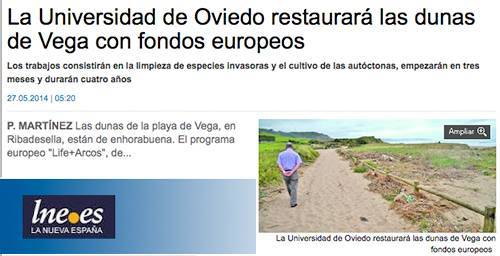
    «La Universidad de Oviedo restaurará las dunas de Vega con fondos europeos»

    Fecha publicación en prensa: 27/05/2014

    Descargar noticia