Categoría: On-line News

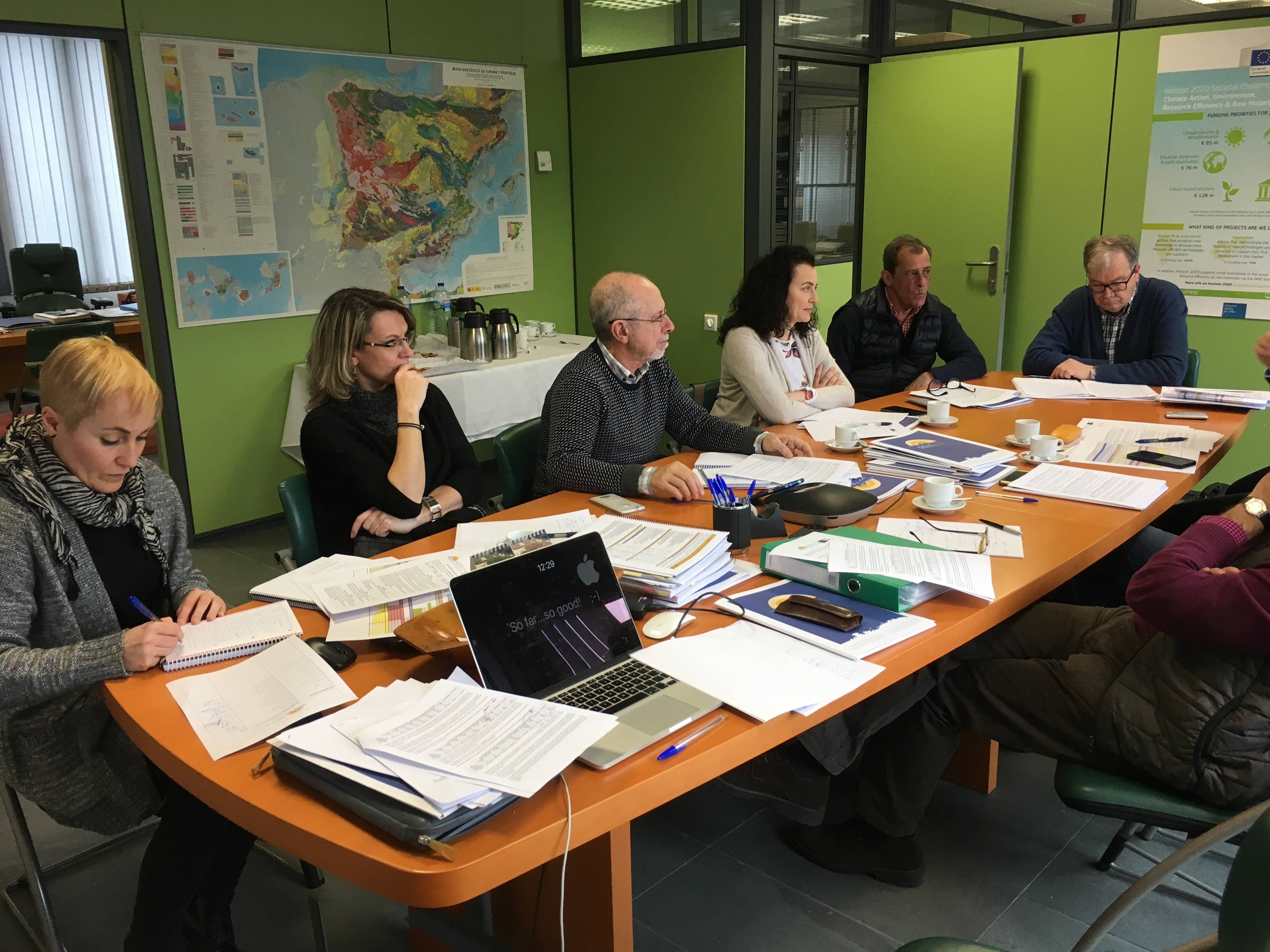
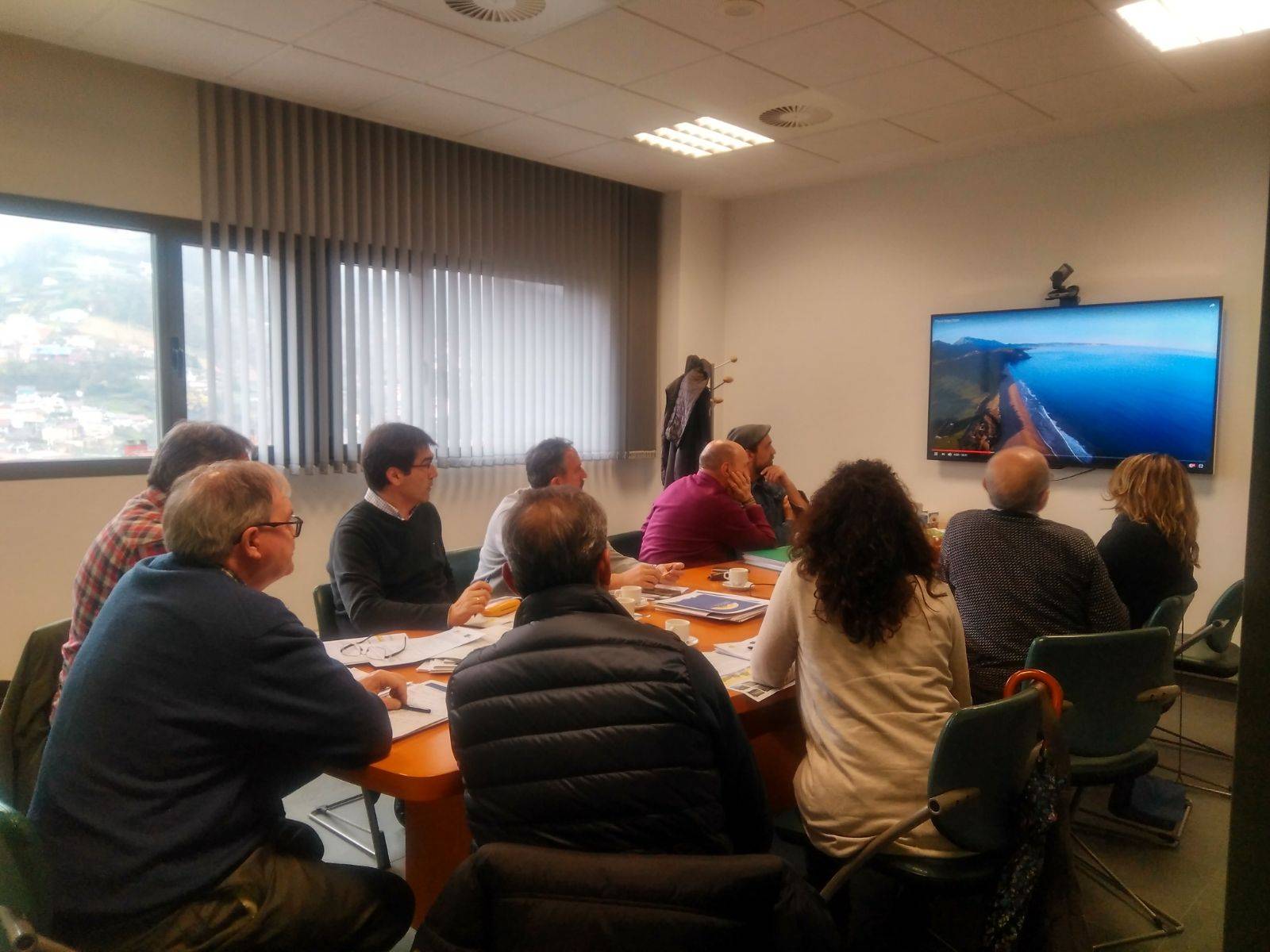
  • Life+ARCOS General meeting prior to the Mid-term report submit, hosted in the INDUROT headquarters in Mieres, Aturias.

    Life+ARCOS General meeting prior to the Mid-term report submit, hosted in the INDUROT headquarters in Mieres, Aturias.

    The morning and afternoon sessions just ended. Members from the General Assembly of the Life+ARCOS @Lifeprogramme project were in attendance, alongside all beneficiary members of the project: Directorate-General for the Sustainability of the Coast and the Sea (via its areas in Asturias, Cantabria and Bizkaia); the Government of Cantabria (via the Directorate-General of Natural Environment), the Provincial Council of Gipuzkoa and the company Ecología Litoral; as well as its coordinating partner, the University of Oviedo.

    The meeting was held at the Institute of Natural Resources and Land Planning (INDUROT)-University of Oviedo, located on the Mieres Campus (Asturias).

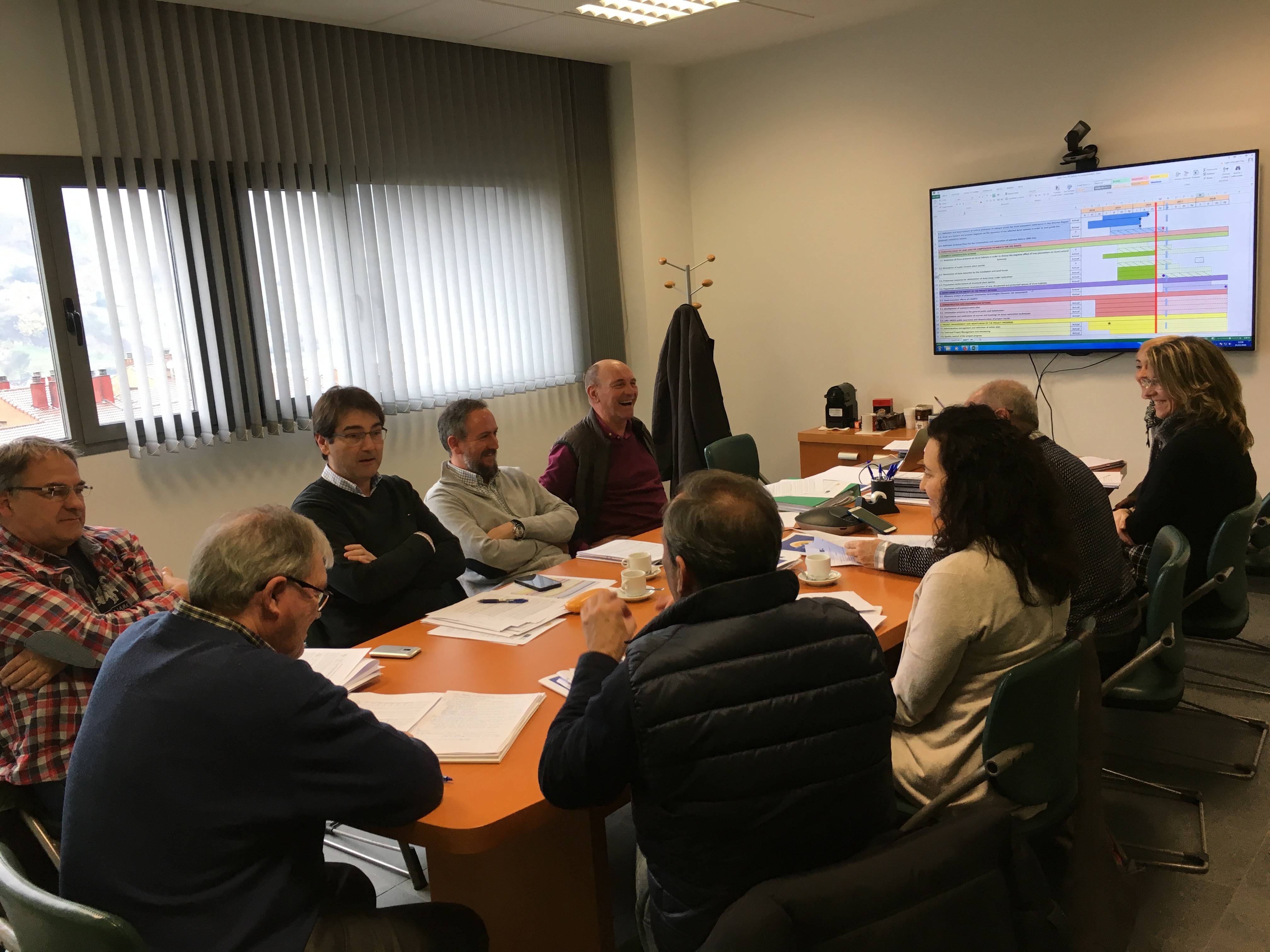
    At the meeting, the head of each of the work areas reviewed the current state of Life project conservation activities. The progress obtained up until now and proposed a closure calendar for each of the 10 enclaves where the activities are taking place was also evaluated. With help from members, the timetable for project closure was adjusted and adapted to current needs. 
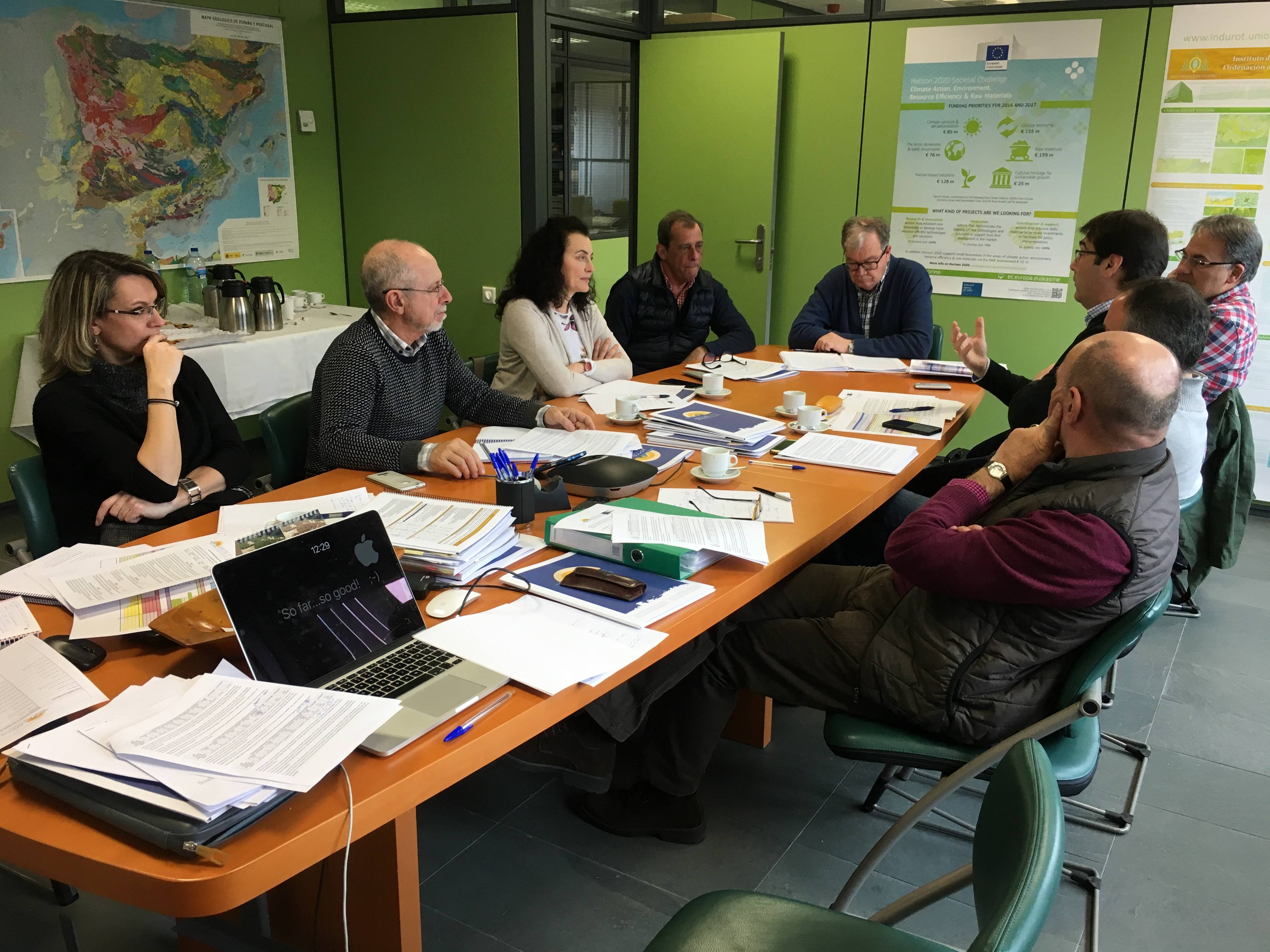
    At the meeting, the project’s interim report was reviewed, which will be sent to European authorities for evaluation. This also marks the beginning of the second and last stage of project closure, which will require an injection of new capital to carry out unfinished activities.

    The European Commission’s visit to activity areas in April of this year formed part of the work session.

    Project dissemination activities were reviewed and the consortium’s participation in international conferences during the following months of 2018 was decided.

    Also, within the scope of communicating and diffusing the project, 18 and 19 May were chosen to celebrate, with all project members, European Natura 2000 Network Day activities which, in the case of the Principality of Asturias, are focused on the Barayo Partial Natural Reserve.
     

    The capacity of the administrations working to manage the protected areas was brought to the table in order to talk about how to continue with the activities Life+ARCOS carries out in the three autonomous communities.

    It was informed that the Aranzadi Science Society recently obtained a subsidy to carry out informational activities. The Society was not present at the end of the meeting.

    The structural species and non-structural species planting calendar was also reviewed. The real capacity of the ARCOS+Life project was adjusted from its initial commitments.

    Finally, coordination between members regarding project closure was encouraged to make the process as successful as possible. In conclusion, everyone said their goodbyes as the next meeting won’t be held until April 2018.
  • Somo dunes (Cantabria) exhibits a good conservation status after several years of conservation actions developed by Life+ARCOS

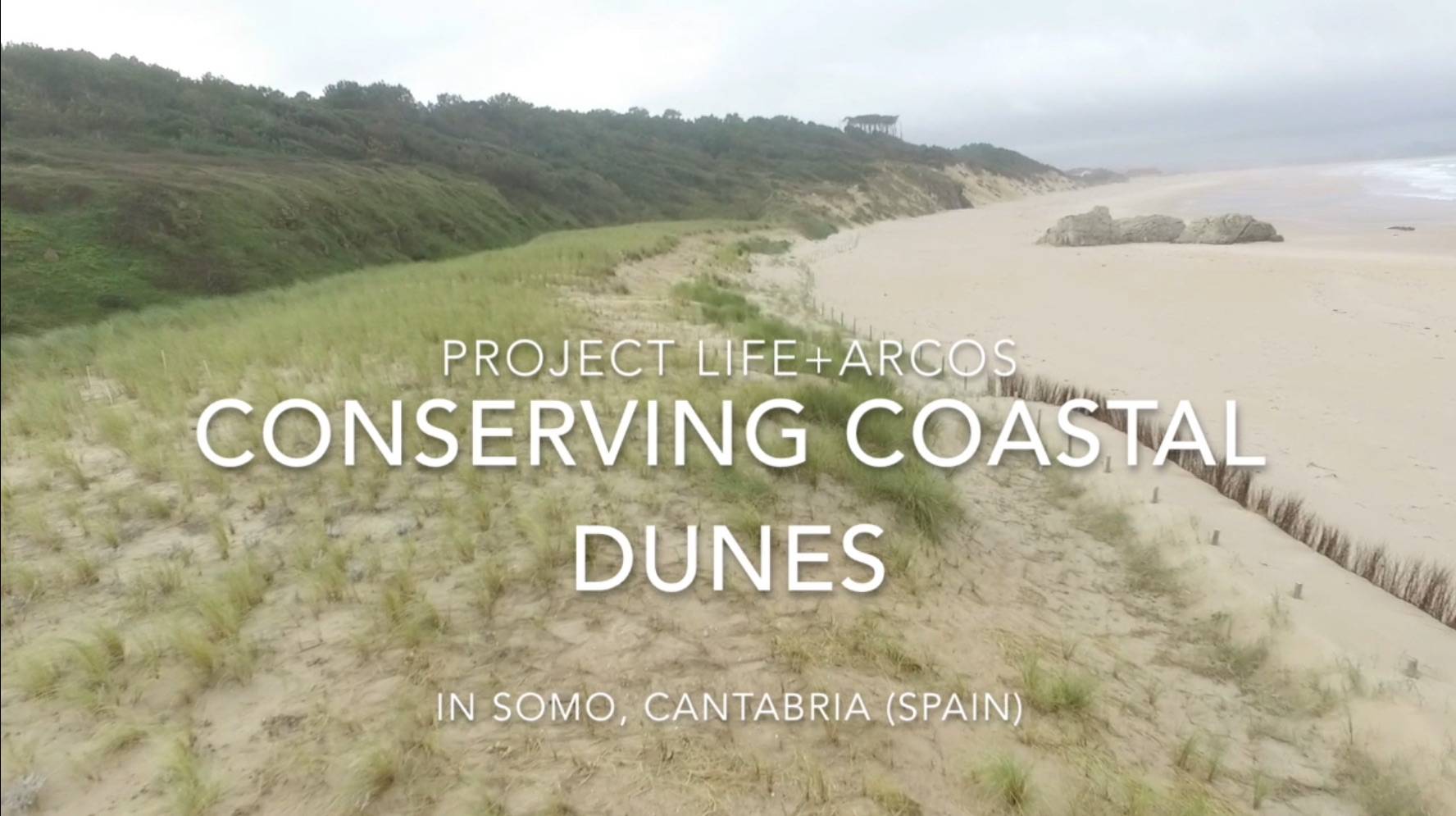
    Somo dunes (Cantabria) exhibits a good conservation status after several years of conservation actions developed by Life+ARCOS

    The Life+ARCOS project is currently working on three Cantabrian dune spaces, with the one located within the SAC Puntal Dunes and Miera Estuary giving the best results in terms of restoration.

    After the storms in 2014 that completely destroyed the dune barrier in this setting, the Directorate General of Sustainability of the Coast and the Sea performed dredging actions, enabling part of the displaced sediment to be recovered. This action was followed by others, already within the Life+ARCOS project, which have led to a recovery of the plant cover both on the white and grey dune.

    Added to these actions are others of an outreach, dissemination and protection nature, and support for capturing sand, which along with the major works undertaken to eliminate invasive exotic species from the space, offer an optimistic outlook on the future of this dune system.

    The following video reveals the current state of the Somo dune system in Cantabria, just a few years from finishing the project.

    We hope you enjoy it!


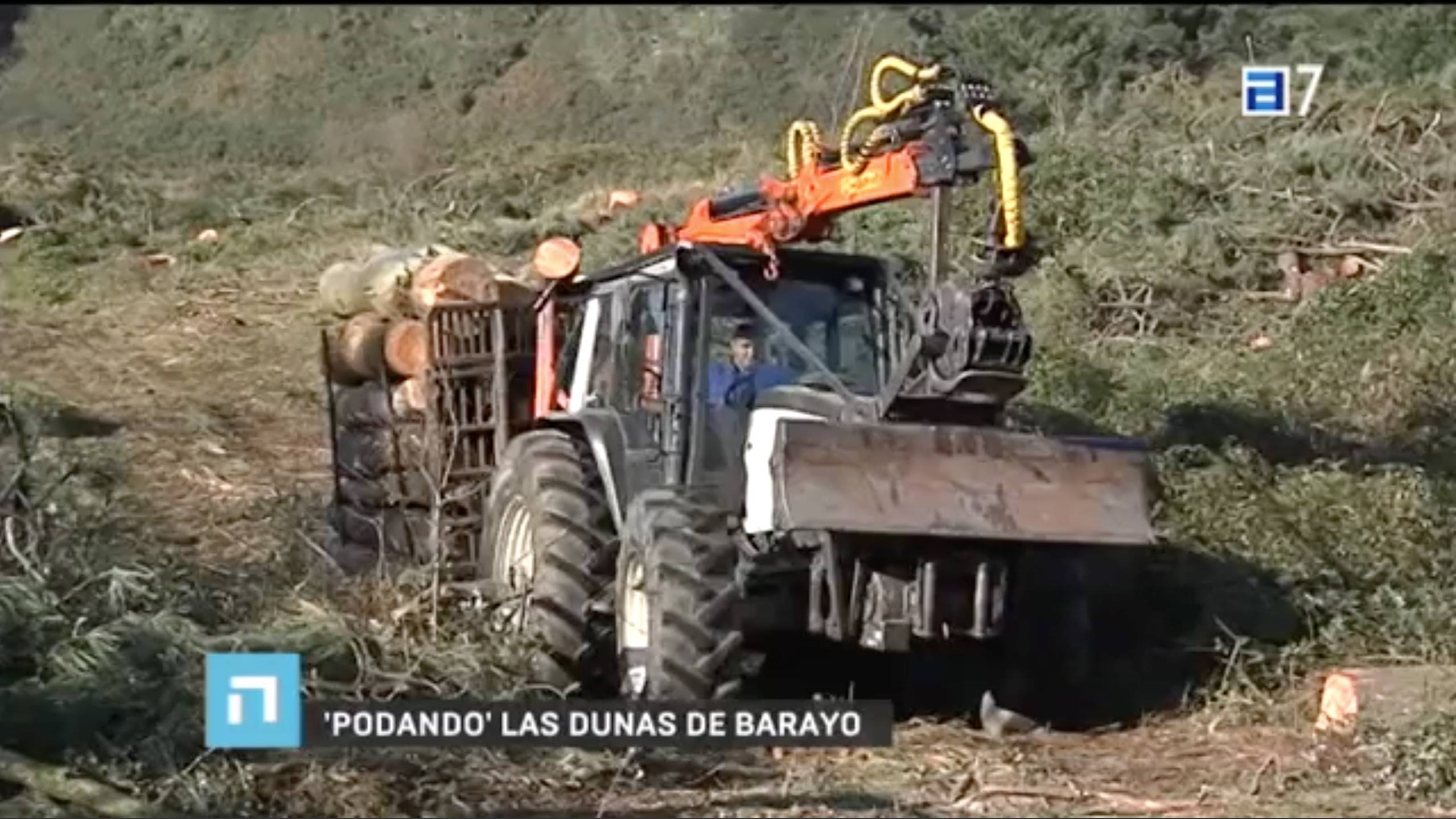
  • The Asturian public TV  includes a video report to show the beginning of the tree cut in Barayo (Asturias) developed by Life+ARCOS

    The Asturian public TV includes a video report to show the beginning of the tree cut in Barayo (Asturias) developed by Life+ARCOS

    Here is the video of the news item, which was used on the opening of the local Asturian TPA News (evening edition) about the activities carried out in Barayo, which commence the dune system recovery actions on this protected space.

    In the interview, the project director Mr Tomás E. Díaz comments on the role that the pine trees used to have in structuring and setting the dune system. When removing the pine tree covering, before the other actions – including the conditioning of the substrate so as to plant dune species such as the European beach grass (Ammophila arenaria)- the stump extraction of the planted pines was not carried out so as to limit the amount of sediment moved.


    Another major issue arising from the recovery of this space is linked directly to the modification of the sediment input needed to keep the dune active. Within the LIFE+Arcos project, the INDUROT team (University of Oviedo) analysed the evolution of these inputs over the past 50 years.

    Acknowledgements: RTPA (link to news)


  • Life+ARCOS closes 2017 with a new volunteers action in Cantabria conducted by AMICA-SAEMA, AMPROS and SERCA

    Life+ARCOS closes 2017 with a new volunteers action in Cantabria conducted by AMICA-SAEMA, AMPROS and SERCA

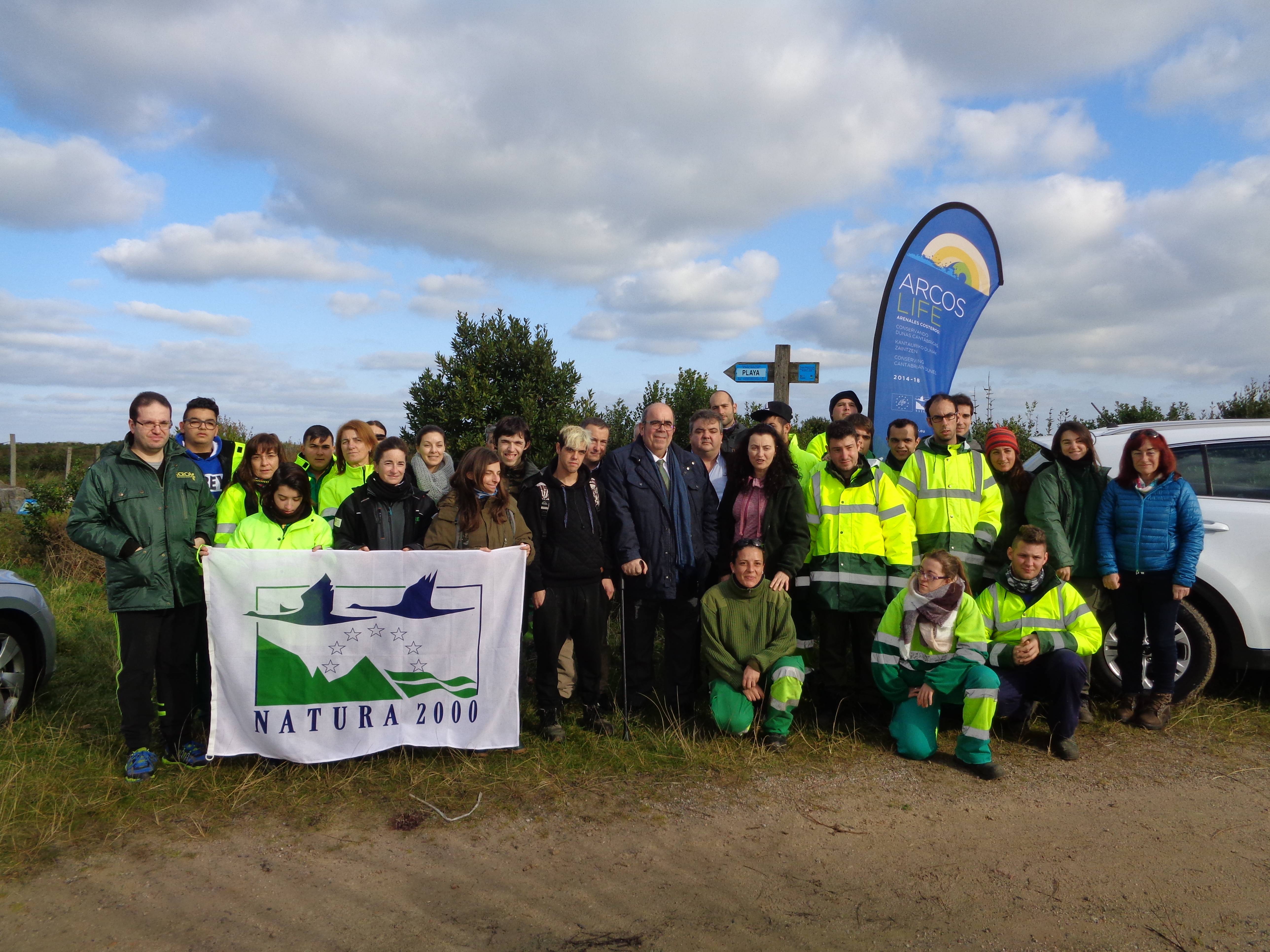
    On 20th December 2017 a new volunteering day was held, with participants from the AMICA-SAEMA, AMPROS and SERCA groups, closing the annual LIFE Arcos project activity in Cantabria.  

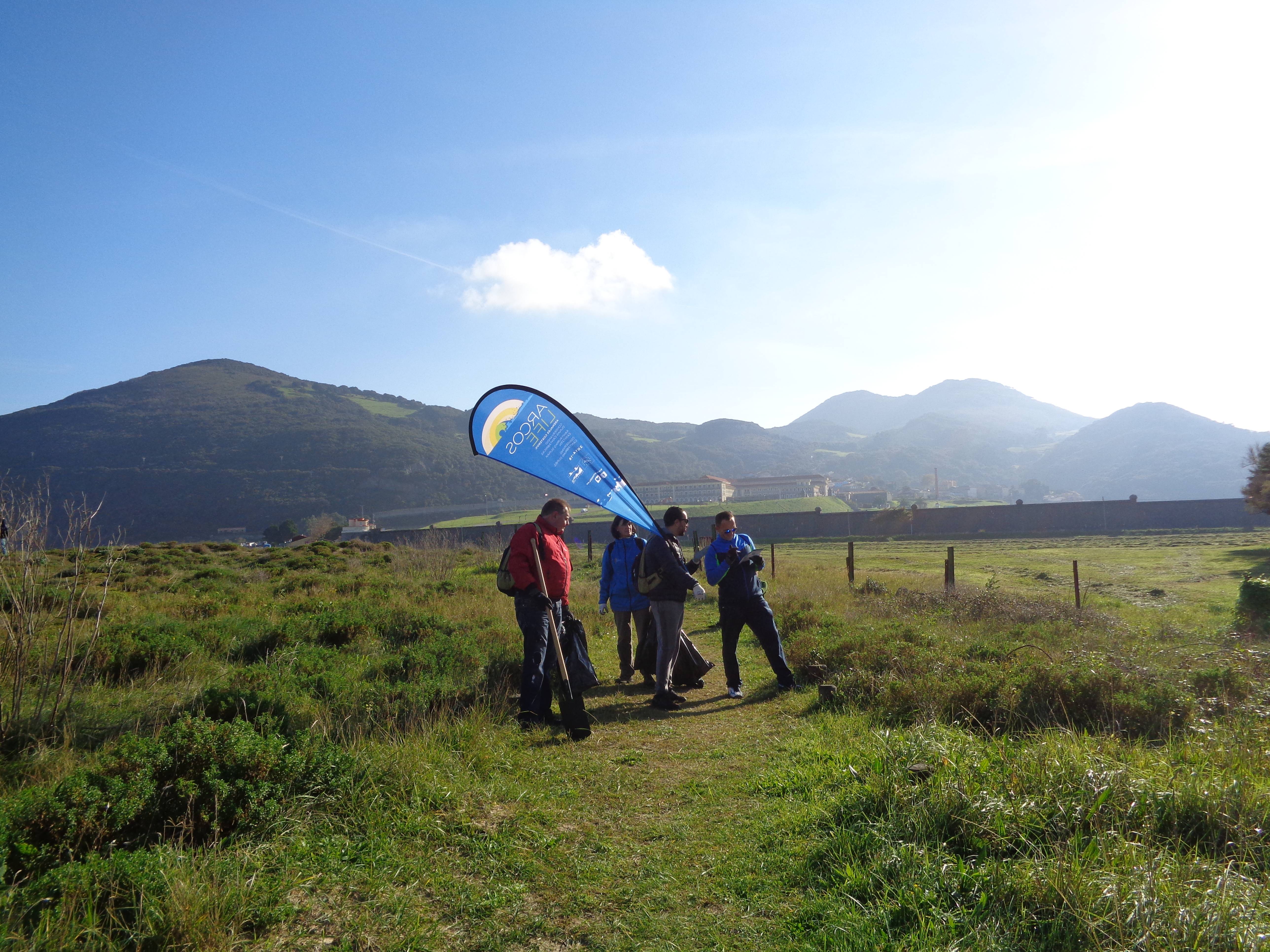
    The activity took place on the Helgueras-Trengandín beach dune system in Noja.  The area chosen for the activity had undergone work on previous occasions, and the effectiveness of the actions carried out over the past years to control invasive species within the LIFE Arcos project were evident. 

    Before starting, the Director of the Santoña, Victoria and Joyel Marshes Natural Park gave the groups a brief introduction about the invasive exotic flora and the importance of eliminating them so as to ensure the conservation of the natural habitats of the Cantabrian dune systems.  Particular emphasis was given during this introduction on identifying the plants to be worked on and how best to control them.  The teams performed an “in situ” recognition and training activity of the invasive exotic species, with the added difficulty of the lack of flowers (given the time of year), which would have made them easier to find.

    The good atmosphere and the energy shown in the tasks carried out made for a productive day, meaning that during the morning the teams managed to remove 1 kg of Crocosmia sp., 2 kg of Agave americana, 6 kg of Sedum praealtum, 10 kg of sweet alyssum (Alyssum maritimum), 18 kg of horseweed (Erigeron canadensis), and 18 kg of evening primrose (Oenothera sp.), totalling 55 kg of invasive plants in an area of approximately 4,000 m2, as well as 3 kg of rubbish.

    Agave Americana specimen (invasive species) before being removed by the participants in this volunteering action.

    The day was also supported at all times by the Technician Assistant of the Environment of the area belonging to the nursery, as well as staff from the Cantabrian Rural Development Network and two trainee technicians from the Government of Cantabria Directorate General of the Environment

    At the end of the morning, and to close the activity, participants were greeted by various regional and municipal authorities, with the Councillor for the Environment, Fisheries and Food, the Mayor, and the technical manager of the Noja Council Environmental Department, all visiting the work area in person.  They all concurred that perseverance in

    these tasks was of the utmost importance, and were able to thank the participants for their involvement first hand.

    This way, and with the aim of continuing with collaborations between bodies to implement these tasks to control invasive exotic species, the 2017 LIFE Arcos activities in Cantabria were brought to a close.   It only remains to reiterate the thanks from the Directorate General of the Environment of the Government of Cantabria to all the people and organisations taking part for their interest and good work.

    The participating work team is greeted by the Councillor for the Environment, Fisheries and Food, the Mayor and the technical manager from the Noja Council Environmental Department, among others.
  • Life+ARCOS wishes you a happy new year 2018

    Life+ARCOS wishes you a happy new year 2018

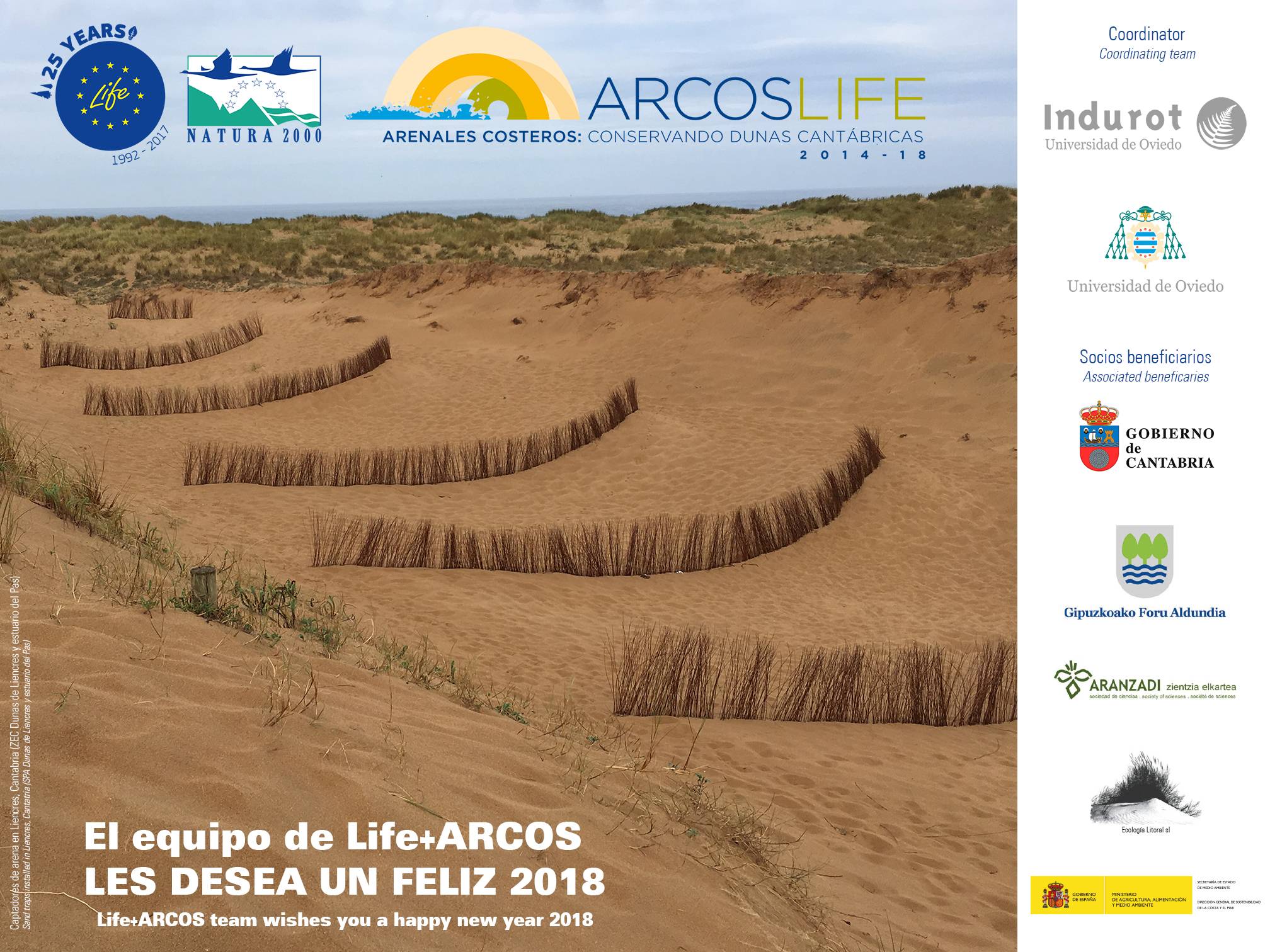
    Todo lo mejor para este nuevo año 2018. Todavía hay mucho trabajo por hacer en nuestras dunas costeras. Seguimos en ello.

    All the best for this new year 2018. There is still a hard work to do on our coastal dunes. We are all in.


  • Life+ARCOS discuss the planned actions for restoring Barayo with Municipal representatives from Navia and Valdés and with the NGO Asociación de Amigos de Barayo

    Life+ARCOS discuss the planned actions for restoring Barayo with Municipal representatives from Navia and Valdés and with the NGO Asociación de Amigos de Barayo

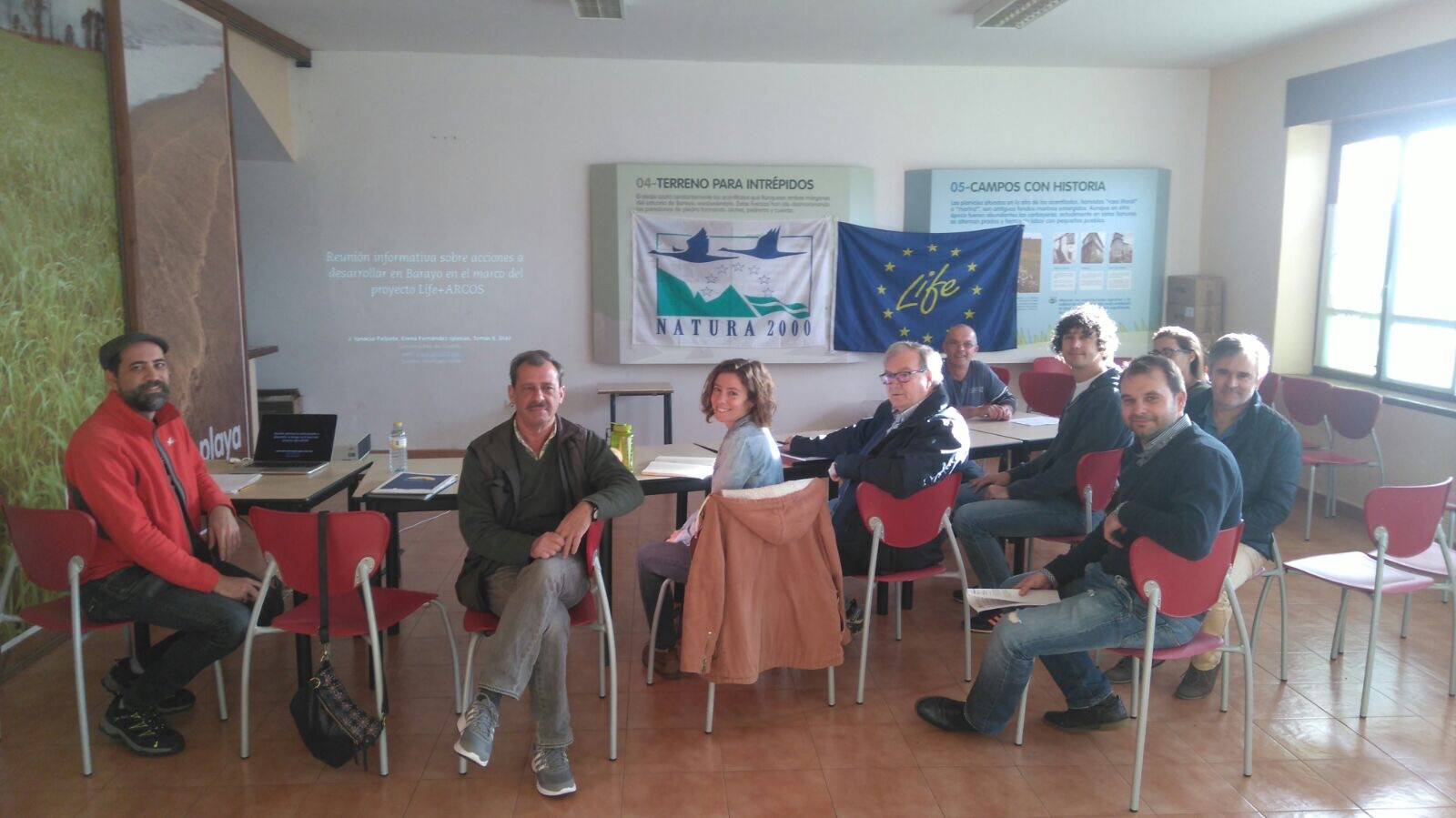
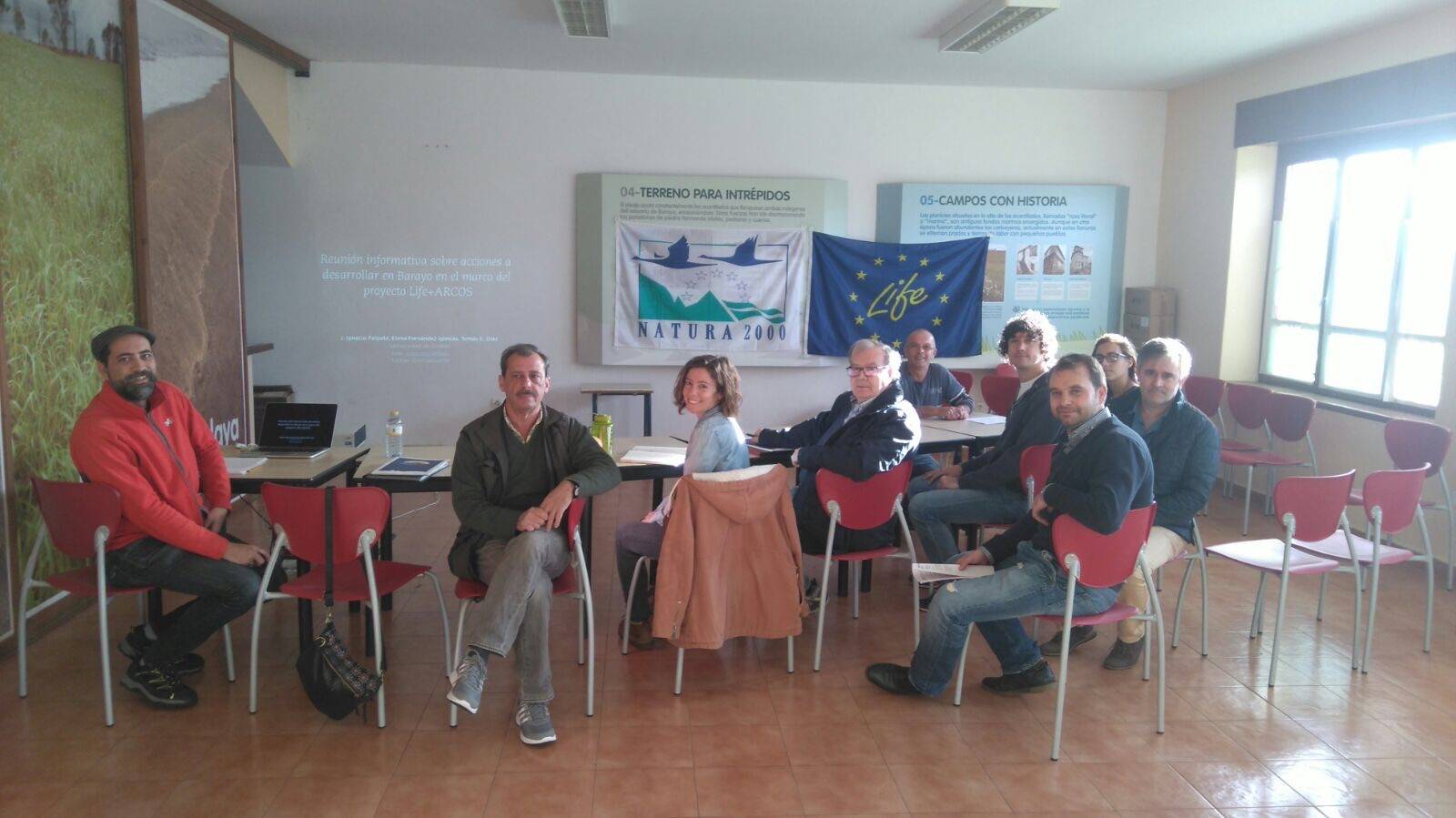
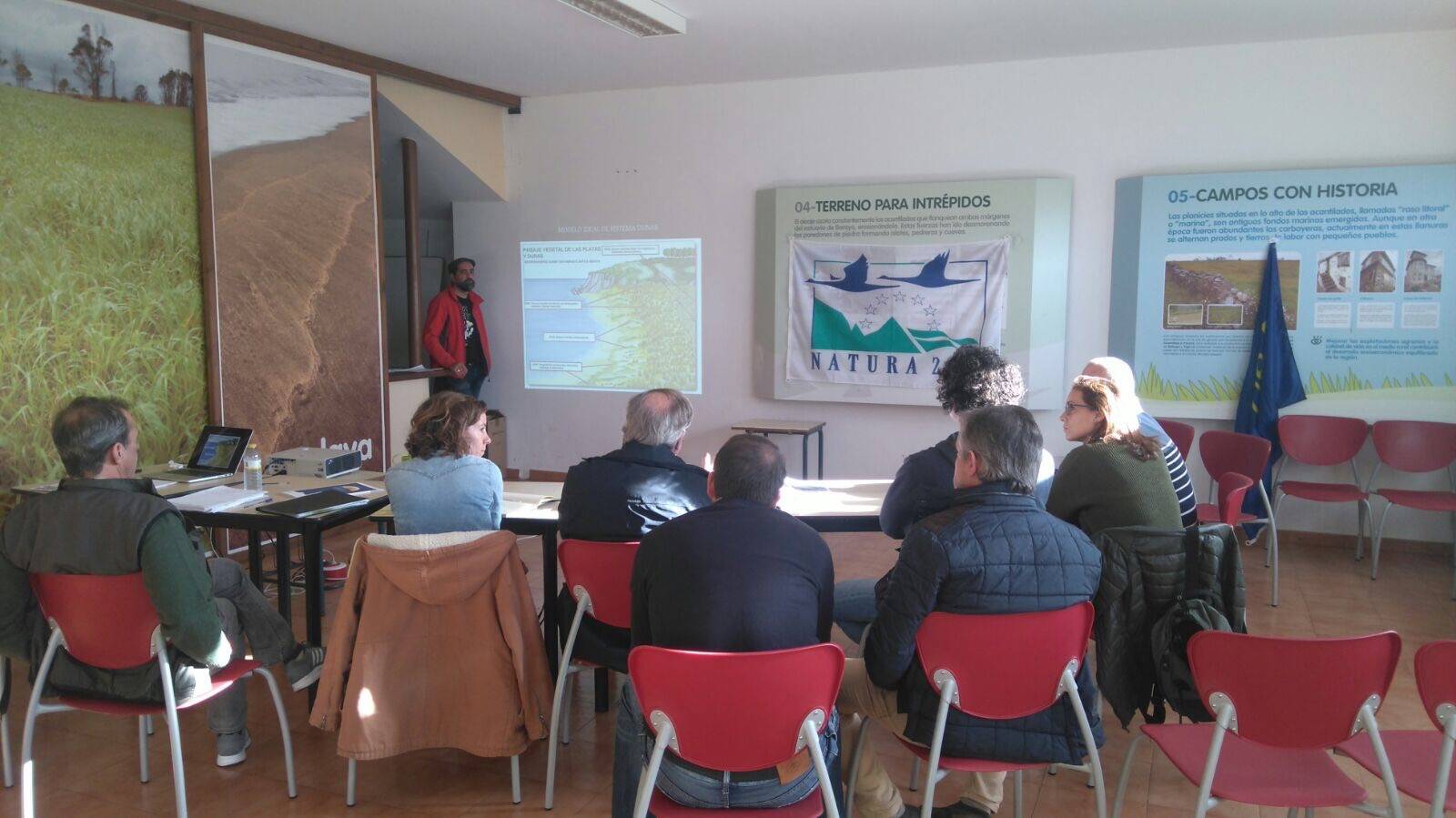
    On 23rd November 2017, the Life+ARCOS team travelled to the town of Vigo in Navia, home to the Partial Natural Reserve of Barayo Interpretation Centre, to take part in an information session including the participation of various members of the Life+ARCOS project coordinating team belonging to the University of Oviedo, along with ECOLOGÍA Litoral, also a project partner, with the manager Carlos Ley Vega de Seoane.

    Representatives from the two councils that share the space occupied by the Partial Natural Reserve of Barayo, Valdés and Navia attended the meeting. Representing the Navia Council was Marino Fernández, and on behalf of the Valdés Council were Ricardo García and Marcos Fernández. The Principality of Asturias was also present at the meeting, represented by Susana García Díaz, a biologist from the Service of Protected Spaces and Nature Conservation from the Directorate-General of Biodiversity.

    Tomás E. Díaz, the principal researcher, and Elena Fernández Iglesias along with J.Ignacio Felpete, technicians from the project linked to the INDUROT (Institute of Natural Resources and Territorial Planning), were in charge of breaking down the actions proposed in the Action Plan for Barayo. This Action Plan constitutes an internal document to manage the actions that have been agreed to by the players involved in managing the protected space

    Some of the attendees at the information meeting held at the Partial Natural Reserve of Barayo Interpretation Centre

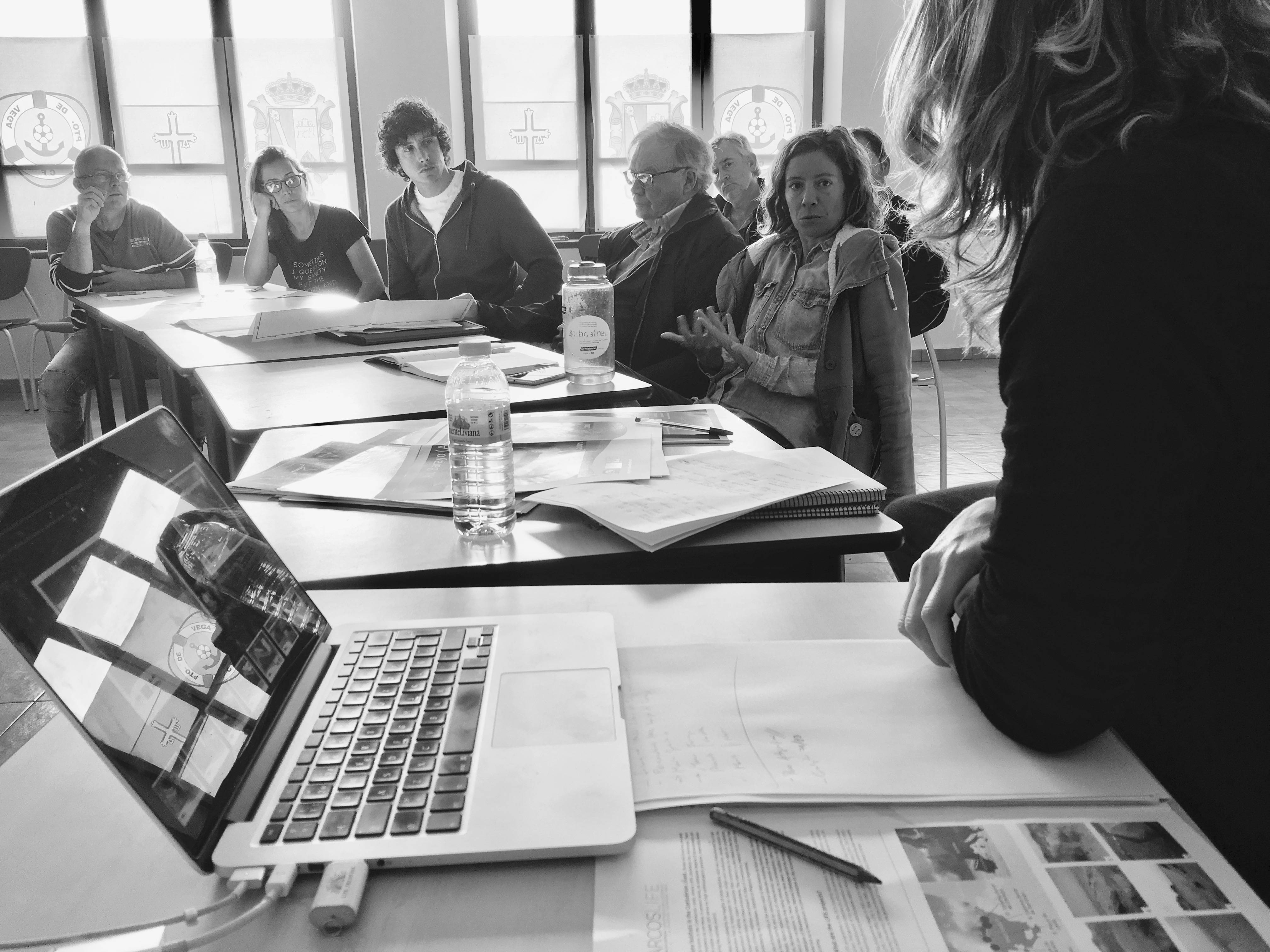
    The meeting format meant that questions or debates about the scope of the actions could be proposed whilst they were being presented. The contributions of the attendees, in particular those from local people from the area of action, were extremely interesting. Particularly significant, in terms of the action to eliminate the pine covering currently present on the dune space, was the historical review using aerial photos from 1956 to the modern day, to confirm that the first Pinus pinaster plantations must have occurred at the end of the 1950s. Some unsuccessful management actions performed on the space were also reviewed, in comparison with those proposed today, and some of the reasons behind the failure of these actions were analysed.

    Part of the presentation was also dedicated to understanding the extent of the problem of invasive exotic species within the protected space, very insignificant in terms of diversity (around 5 species), yet extremely important in terms of the space occupied by the most worrying of them all: Spartina patens. Information was given about the results obtained from the partial trials performed in situ, and discussions were held about the possibility of applying the same technique used in the trials across the entire occupied area.

    The presentation

    The meeting was an opportunity to reveal the actions that are going to be carried out in the space, and to reinforce or set up communication channels between neighbouring groups and associations such as the Asociación de Amigos de Barayo (with which a joint day of volunteering was already planned). In short, the aim was to link together the actions of this project funded by the European LIFE programme, with the reality of the inhabitants of the spaces targeted for recovery, so as to involve them in the decision-making process. The pleasant atmosphere enjoyed throughout the day leads us to think that the environmental improvement targets for the protected space are shared by all participants, and also helped us close this year with a common wish for actions to be implemented as best as possible, without forgetting the need for these actions to continue over time to ensure both mid and long-term success.

  • The citizen science project «International cleanup of beaches»  finds synergies with Life+ARCOS objectives with the aim of the project NACAR

    The citizen science project «International cleanup of beaches» finds synergies with Life+ARCOS objectives with the aim of the project NACAR

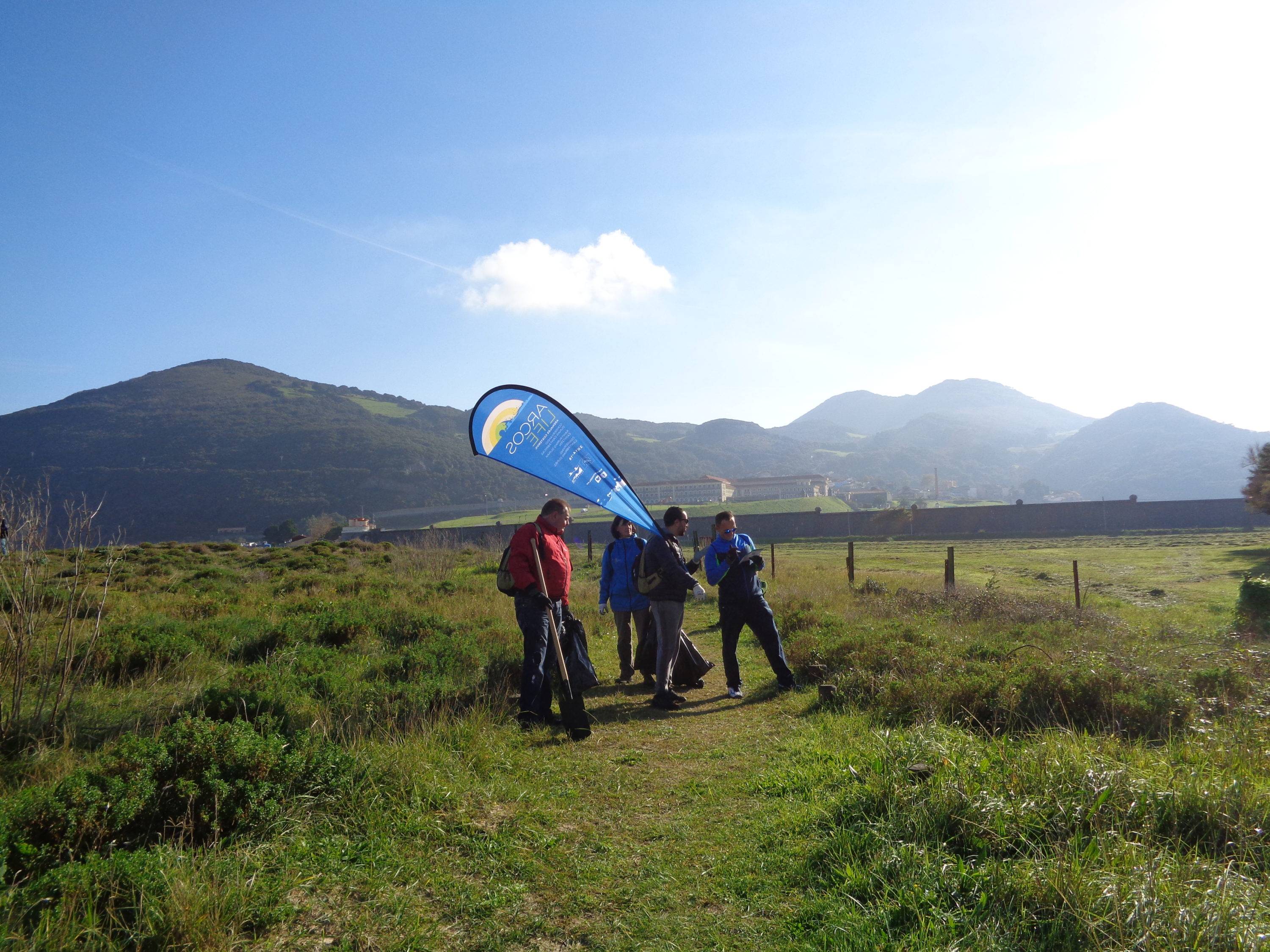
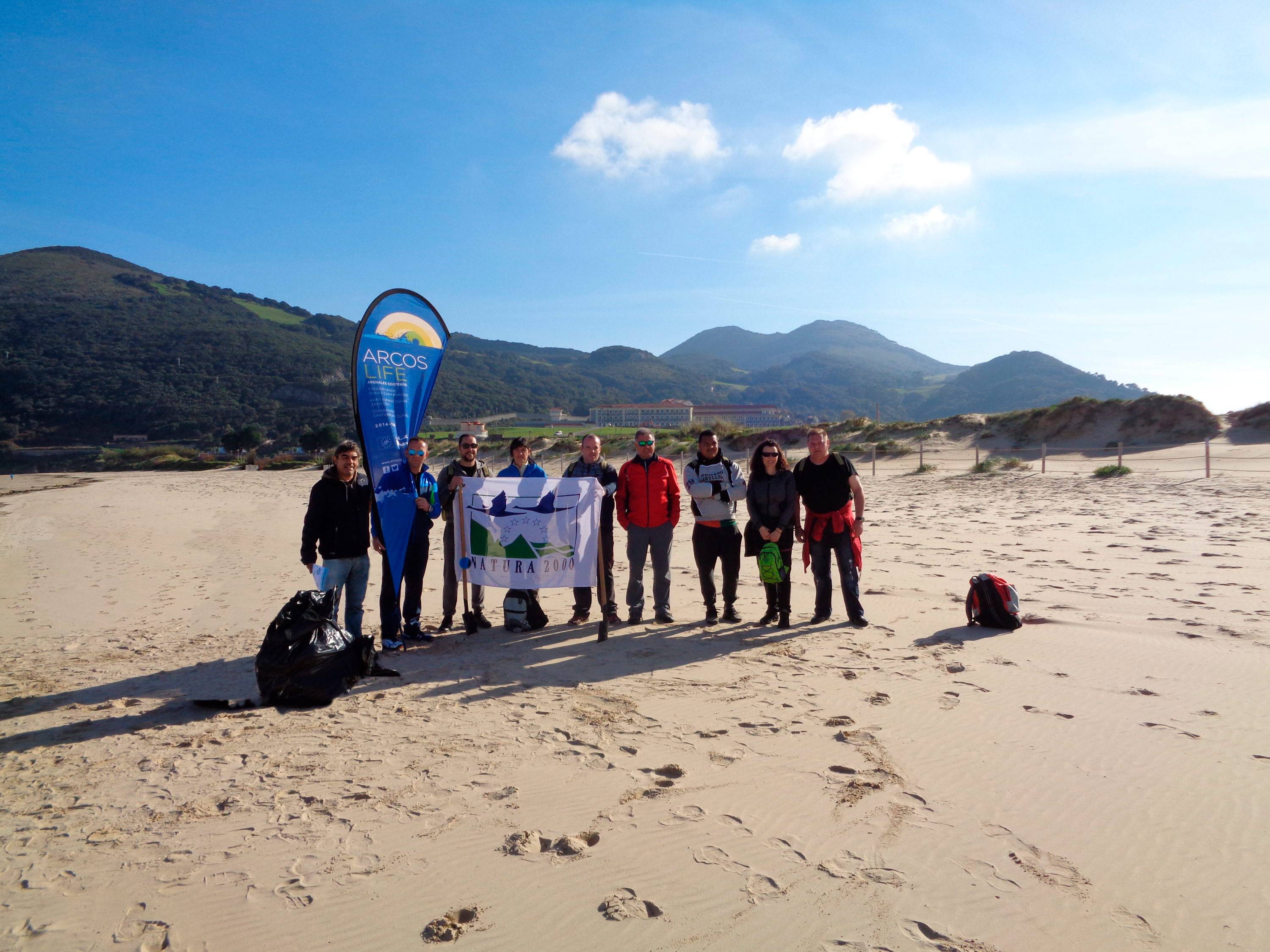
    On 17th November, a new day of volunteering was held, within the framework of the LIFE ARCOS Project for dune restoration and conservation, this time with a new and different approach.

    The project formed part of the NACAR Programme (Nature and Prison), in which inmates from the El Dueso Penitentiary Centre in Santoña are collaborating with the LIFE ARCOS Project on numerous occasions, mainly in the task of removing invasive exotic species, and producing and planting native flora in the dune system in the beaches near the penitentiary centre (Berria beach in Santoña and Helgueras beach in Noja).

    The director of the Santoña, Victoria and Joyel Marshes Natural Park expressed the importance and value of the dune systems and their habitats; this was followed by a presentation given by members from the Asociación Ambiente Europeo (European environment association) (http://ambienteeuropeo.org/) about the citizen science project “International Coastal Cleanup”, its objectives as well as the deeply concerning issue of plastic waste in the world’s seas and oceans. The Berria beach and dune system (Santoña) were the setting for the first activity of this kind in Cantabria, with man-made waste collected using the Ocean Conservancy methodology employed on an international level in over 100 countries and territories.

    Removing waste

    The painstaking work proposed by this methodology consists in detailing the amount of different types of waste found in the study area so as to discover the nature of it, as well as the surprising ordinariness of much of it, to raise awareness among the public and bring about a change in our everyday lifestyle habits. During the morning, waste collection was carried out (some 14.5 kg) on both the 250 m stretch of the dune system, and then along the tide line where the majority of non-biodegradable waste is concentrated, brought in by the tide.

    Along the route followed to collect the waste, some cuttings of crossworts (Crucianella maritima) and seeds from other local dune flora species such as toadflax (linaria) and sea thrift (Armeria maritima) were moved for reproduction in the El Dueso nursery (Gardening Workshop), to be later replanted back on the dunes on nearby beaches.

    Finally, the slips filled out during the waste collection were pooled to verify their characteristics first hand, once again highlighting the great importance that simple actions in our everyday lives can have on marine ecosystems, such as avoiding buying products that have excessive plastic packaging, or choosing not to have fresh foods wrapped in plastic.

    The Directorate General of the Environment from the Government of Cantabria was extremely grateful to the collaborating entities for their involvement in these kinds of tasks, which highlight just how far small gestures go towards producing major results, and that underscore the need for a change in social awareness, particularly in terms of the waste produced by each and every one of us.

  • There’s no much time less to begin the actions to restore the dune system in Barayo protected site (Navia-Valdés, Asturias)

    There’s no much time less to begin the actions to restore the dune system in Barayo protected site (Navia-Valdés, Asturias)

    On 23rd November, the LIFE+ARCOS team is meeting up with the authorities responsible for managing the “Natural Reserve of Barayo” protected space to inform them about the actions envisaged to be implemented in this space before the end of 2017.

    Authorities from the Principality of Asturias, the Navia and Valdés Councils, the Ecología Litora company (partner of the Life+ARCOS project) and the Asturias Coast Demarcation, are set to meet in the Natural Reserve of Barayo Interpretation Centre.

    The aim of this meeting is to inform the competent authorities about the dimension of the actions that will take place, and in particular the felling of the pine trees that currently occupy the entire space. In the past this space was occupied by grey dunes, a priority habitat for conservation, according to that stipulated in the  Directive 92/43/EEC from the Council, 21st May 1992, governing the conservation of natural habitats and wild flora and fauna, better known as the “Habitat Directive”.

    To help us all remember what this protected space used to be like, we will leave you with an image that shows us how much dune area has been lost over the past 50 years, not just as a result of changes in the use of the space, but also as a consequence of the sediment input problems faced by this unique place.

    Place the cursor on the central bar that separates both images and slide it from left to right to see before and after.

    The Barayo dune system (Navia and Valdés) in the 1950s and today

  • LIFE+ARCOS will attend the workshop «Nature in the City» hold by the LIFE project «Anillo verde la Bahía de Santander»

    LIFE+ARCOS will attend the workshop «Nature in the City» hold by the LIFE project «Anillo verde la Bahía de Santander»

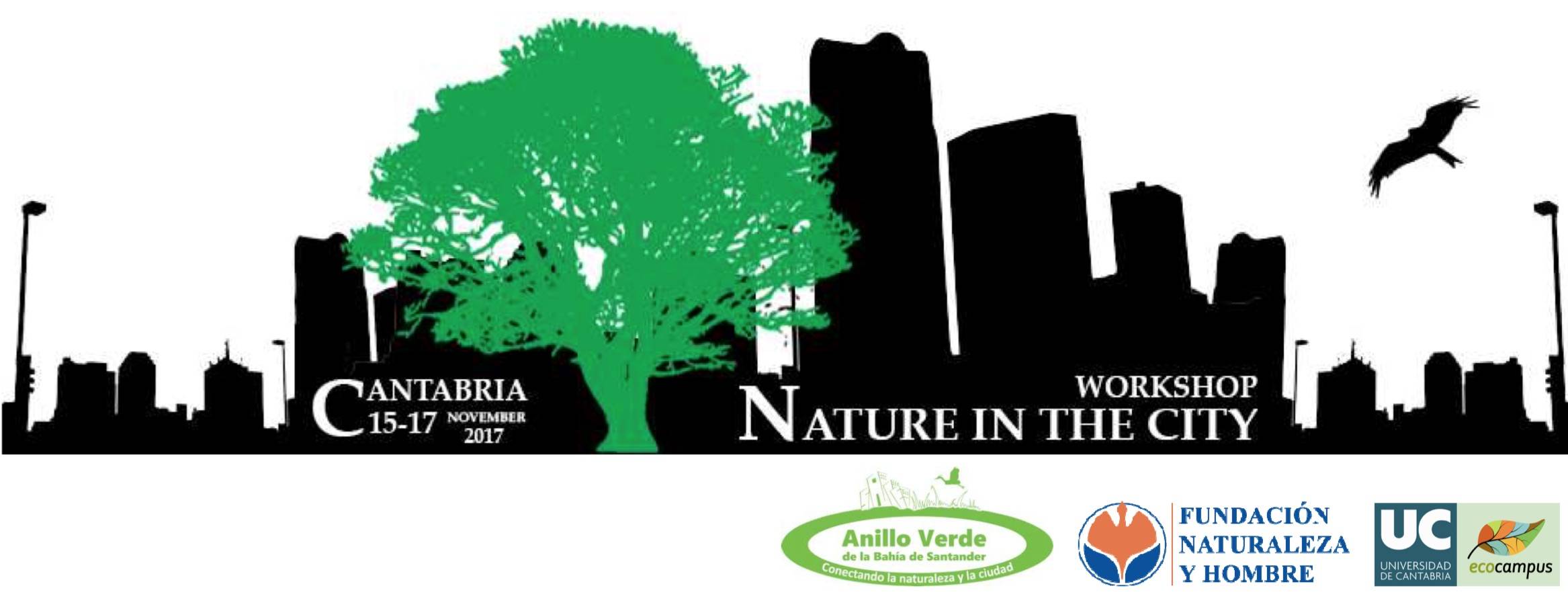
    The LIFE+ARCOS project will attend the workshop under the motto of “Nature in the City”, and will present various initiatives about managing and restoring the environment. The event will be held in the University of Cantabria Assembly Hall in Santander from 15th to 17th November.

    The director of the Liencres dune Park, Jesús Varas (Directorate General of the Environment, Cantabria) is set to participate in this workshop, organised by the “Green Belt Bay of Santander” project, presenting the LIFE Arcos Project (Coastal sandbanks: conserving Cantabrian dunes) on Thursday 16th November in the University of Cantabria Assembly Hall.

    The conference is framed within block IV: Conserving Natural Heritage. Along with this, the workshop programme also includes a block dedicated to Green Infrastructures, another covering Environmental Education and Public Use and another about Ecosystem Services (see attached programme).

    Link to download the programme

    The congress, organised by the Fundación Naturaleza y Hombre and the University of Cantabria Ecocampus Department, is framed within the LIFE Project “Green Belt Bay of Santander”, which aims to create a network of natural spaces in the bay area.

    USEFUL INFORMATION:

    FREE ENTRY, PRIOR SUBSCRIPTION.
    Aimed at both specialists and the general public.
    Acknowledged with 0.5 ECTS credits from the University of Cantabria.

    MORE INFO:

    goo.gl/nGM7PL

    REGISTRATIONS:

    goo.gl/sy21rB


  • Guided excursions to the SCA Inurritza  on July. Activity supported by the Zarautz Council and guidance provided by the Sociedad de Ciencias Aranzadi

    Guided excursions to the SCA Inurritza on July. Activity supported by the Zarautz Council and guidance provided by the Sociedad de Ciencias Aranzadi

    NATURAL TREASURES OF THE INURRITZA DUNE


    Every Friday in July, the Zarautz Council organises guided tours of the Inurritza Special Area of Conservation, where the Life+ARCOS project is undertaking different conservation actions on the dune system.

    Members of the Aranzadi Science Society will be in charge of guiding these trips, which will be offered in various different languages so as to reach a larger audience, following this envisaged schedule:

    Friday 7th July, 16:30-18:00 Basque – Spanish

    Friday 14th July, 18:00-19:30 Basque – French

    Friday 21st July, 16:30-18:00 Basque – English

    July 28th July, 18:00-19:30 Basque- Spanish

    In order to participate in this activity you must register on the Pier (tourist information point).

    Activity free of charge.

    Note: adverse weather conditions will not postpone the activity. Please wear suitable clothing.