Etiqueta: Cantabria

  • LIFE ARCOS project commemorates the European Day of the Natura 2000 Network with volunteer activities in Cantabria

    LIFE ARCOS project commemorates the European Day of the Natura 2000 Network with volunteer activities in Cantabria

    Activity within the LIFE Arcos (2014-18) project is continuing in Cantabria, with volunteering work in collaboration with different entities from the Autonomous Community.

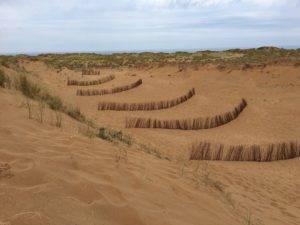
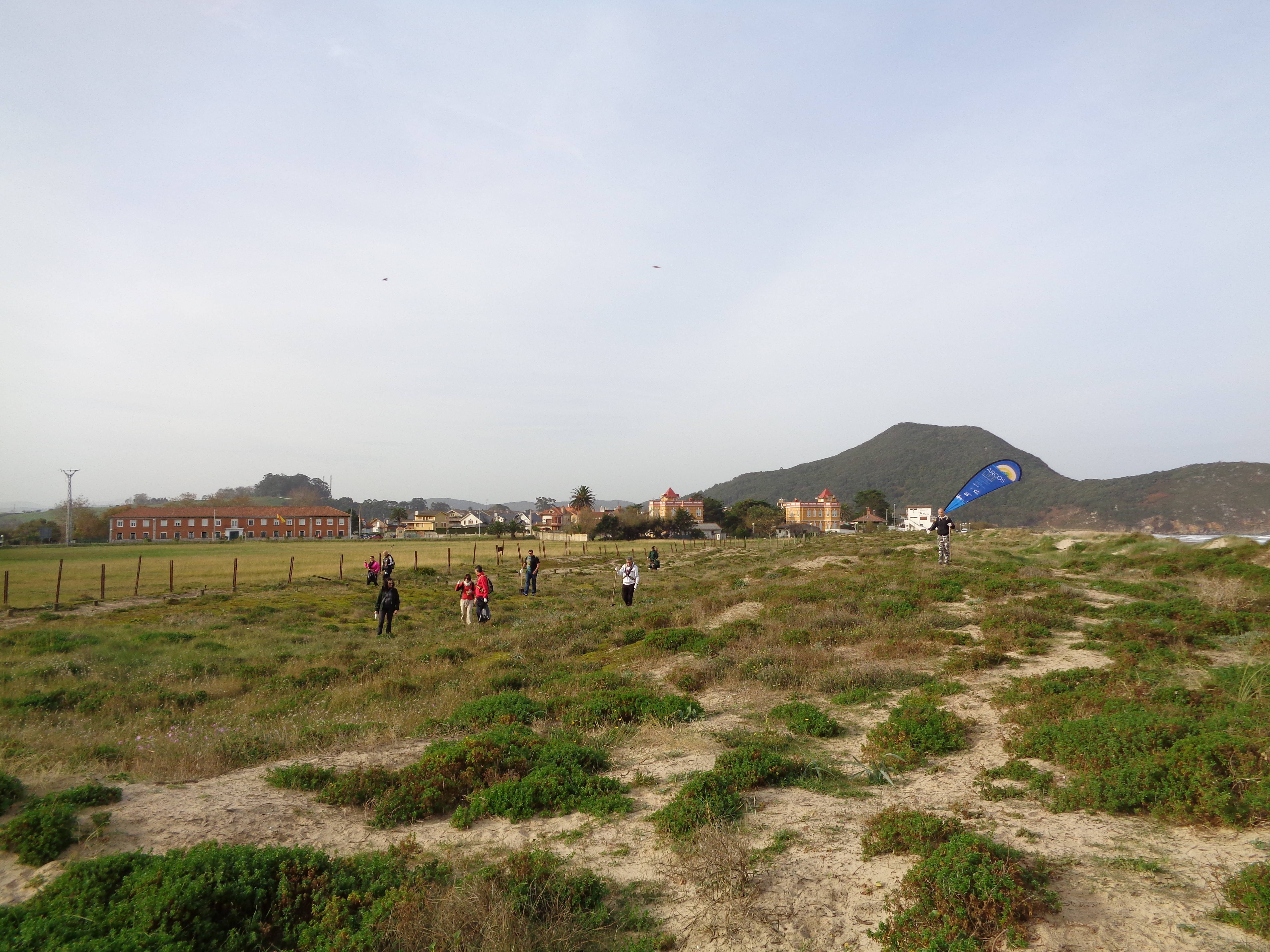
    The Helgueras and Trengandín dune systems have been the focus of the activity over the past two days of work, which have contributed towards recovering the natural dynamic of these systems by mechanically eliminating different species of invasive exotic flora.

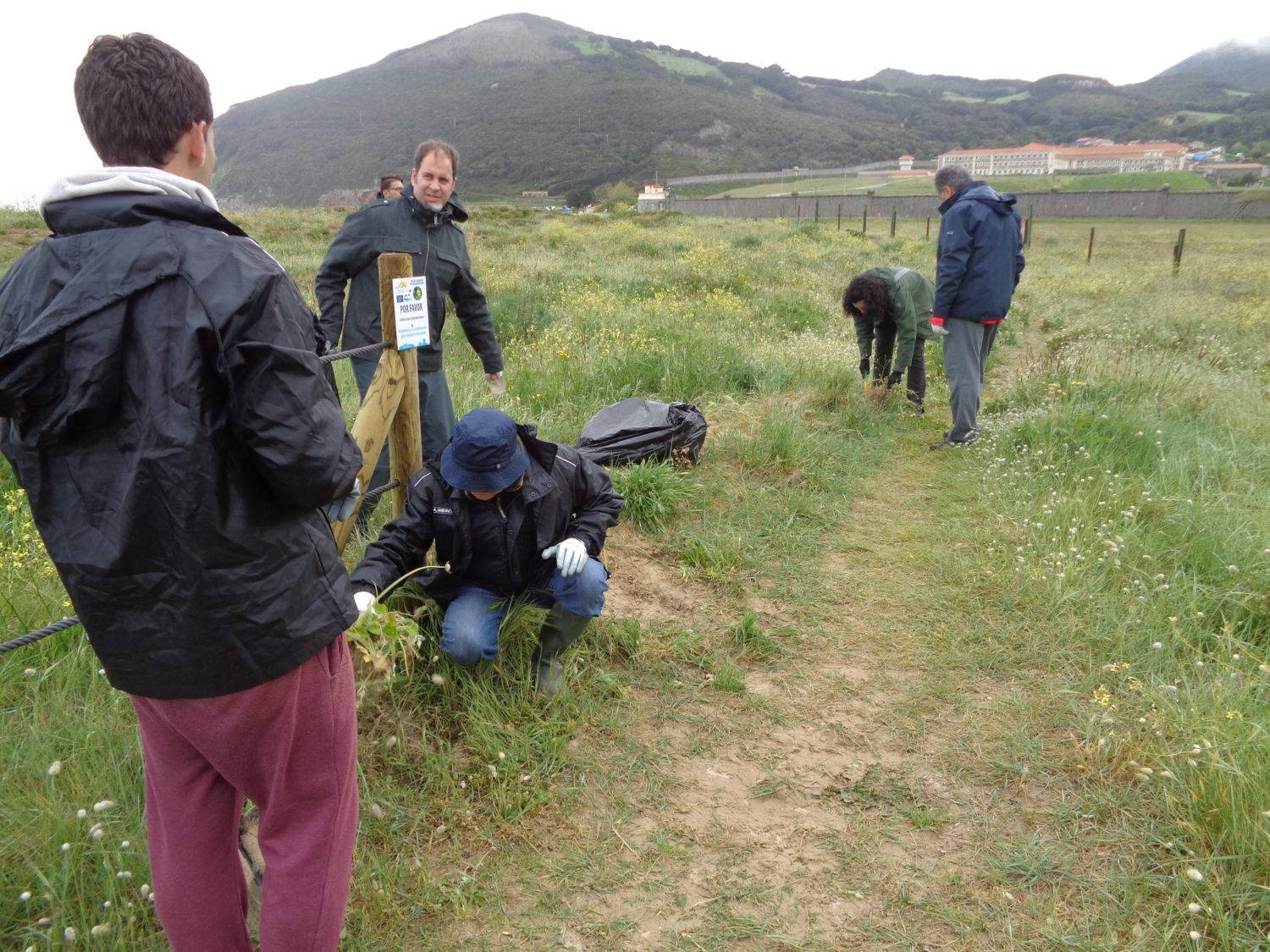
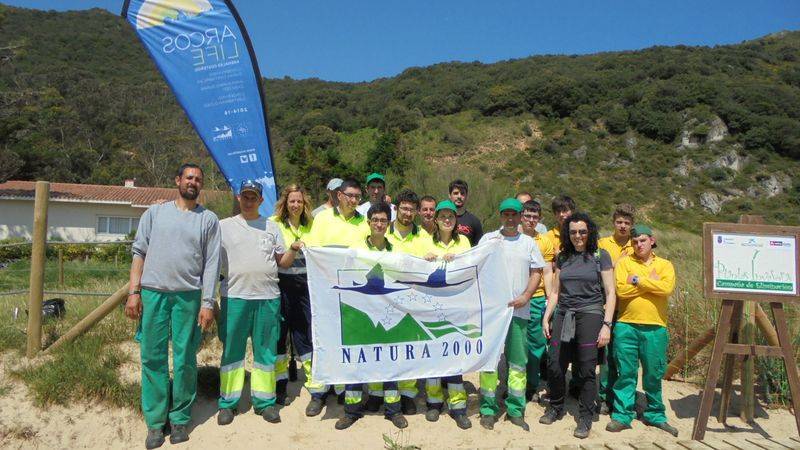
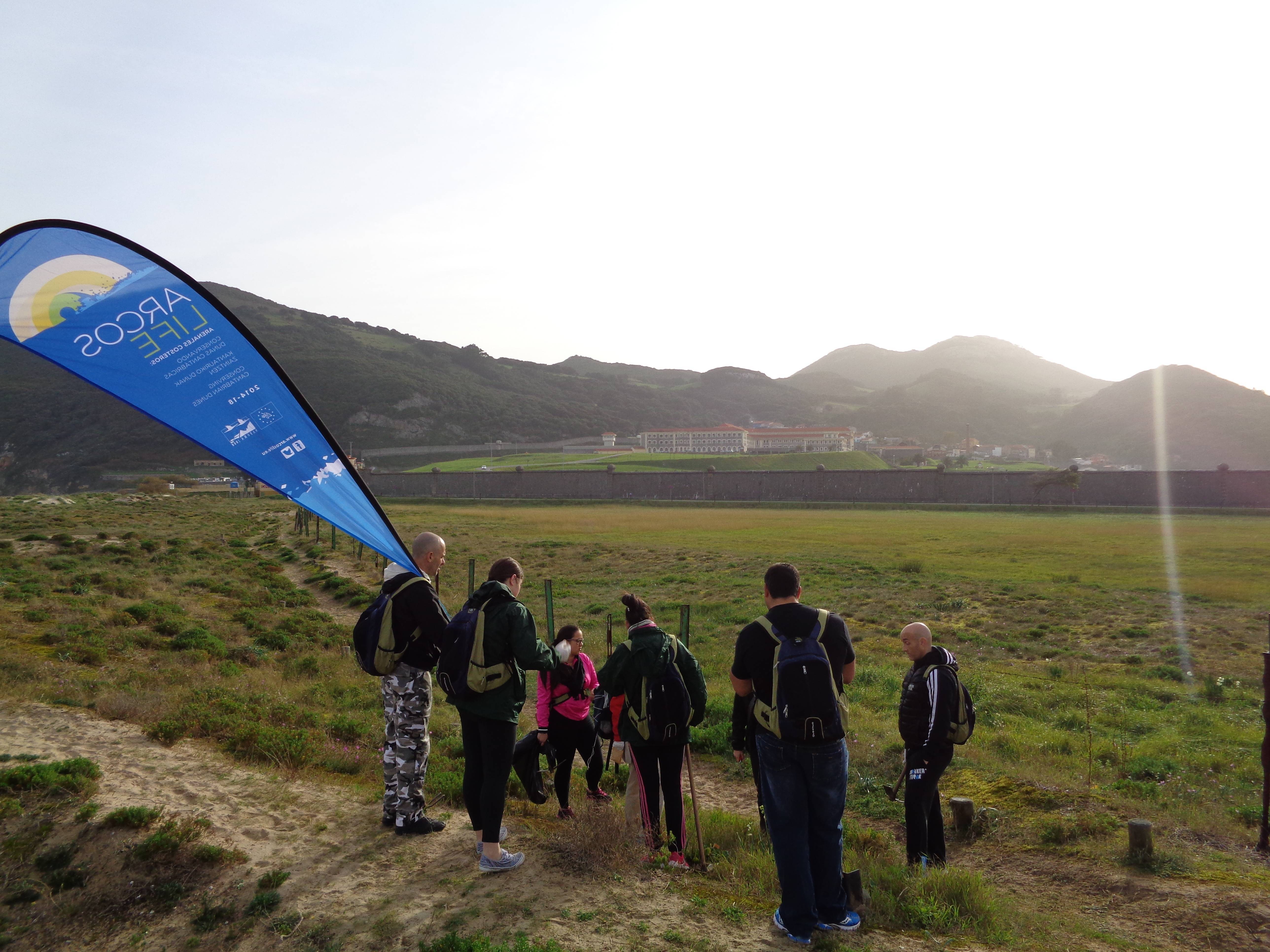
    The first of these days took place on 12th May, with the collaboration of a group of inmates from the El Dueso Penitentiary Centre. Within the NACAR (Nature and Prison) Programme, this group has undertaken outstanding work in restoring the dune by eliminating invasive species, reproducing and planting local species, removing waste, etc.

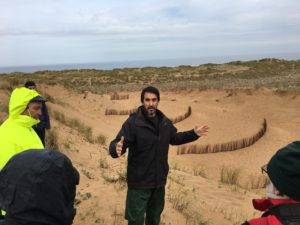
    On this occasion the tasks focused on eliminating ice plant (Carpobrotus edulis) from the dunes on the Helgueras beach. Prior to the work, as on previous occasions, the Director of the Santoña, Victoria and Joyel Marshes Natural Park gave a quick explanation to the participants about the dune dynamic and the problems that invasive species cause on these ecosystems. After this brief introduction and a practical demonstration of how to correctly treat and eliminate the species in question to ensure that the work is effective, the work began, resulting in the removal of some 1,600 kg  of ice plant from a surface area of around 120 m2. The group performed a 3 km hike from the Berria beach in the town of Santoña to reach the work zone, located on the Helgueras beach in Noja.
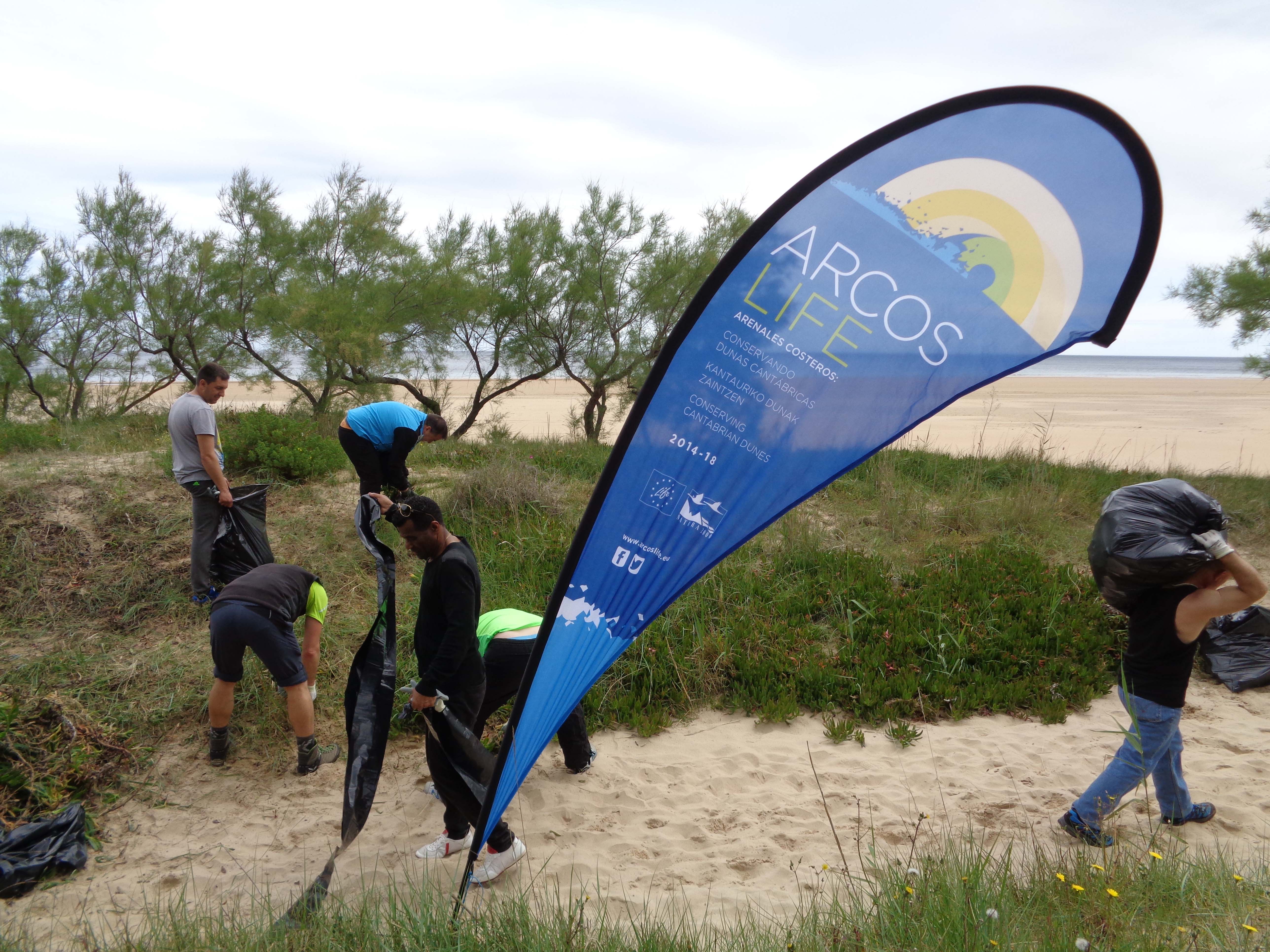
     

    Volunteering Group from the NACAR Programme

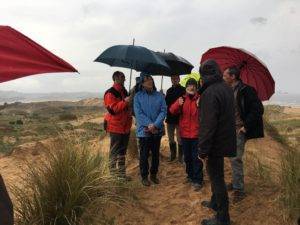
    The action was supported by the Noja Council, firstly represented by the Mayor and the Environmental Technician who made a follow-up visit, alongside civil servants from El Dueso Penitentiary Centre, followed by workers from the Council, who helped transport the plant waste extracted during the morning on the most inaccessible part of Helgueras beach.
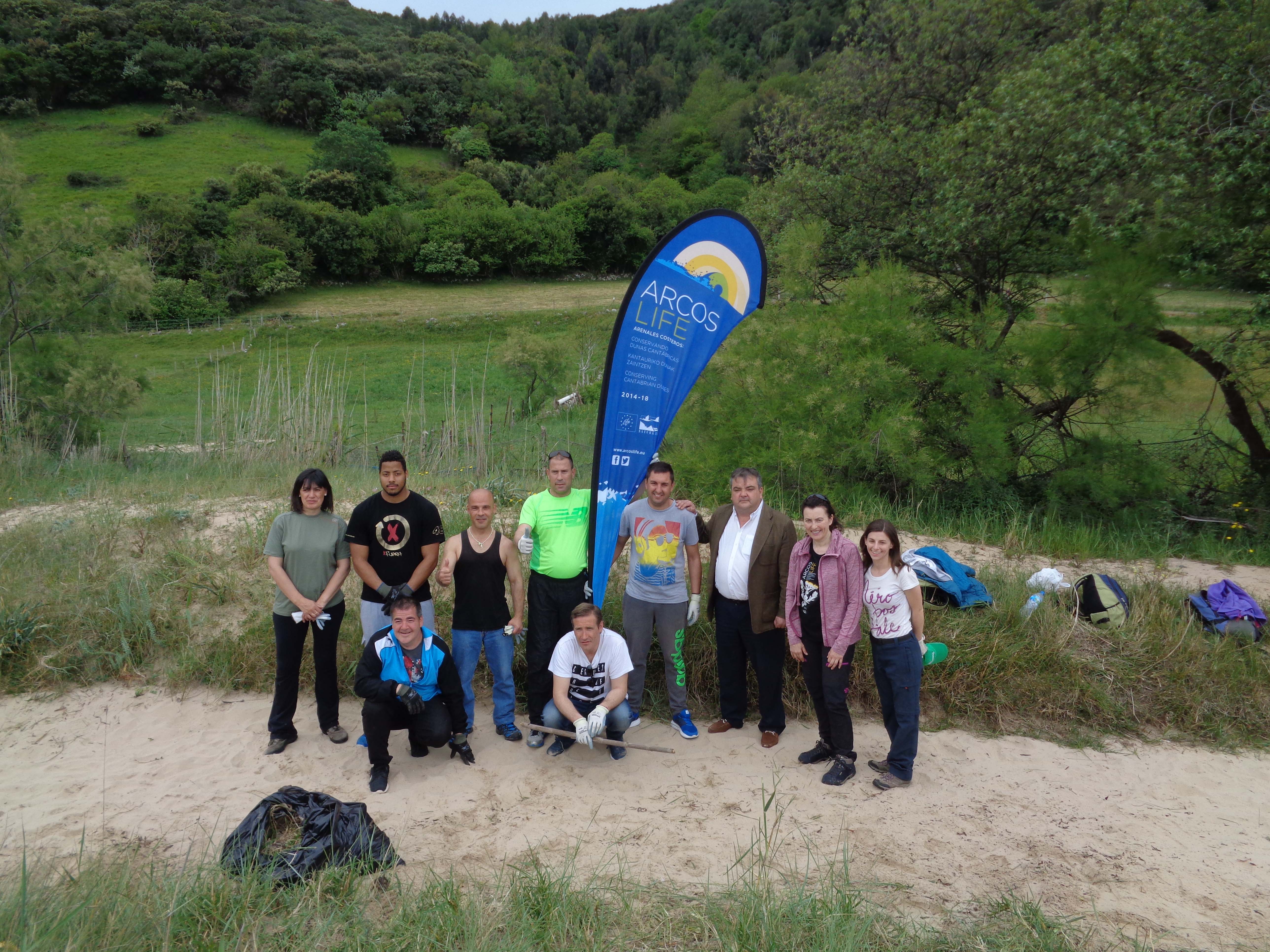
    NACAR Programme group and the ice plant removal activity

    Members of the work team that had already participated in the NACAR Programme on previous occasions were given LIFE ARCOS t-shirts, which were enthusiastically received.
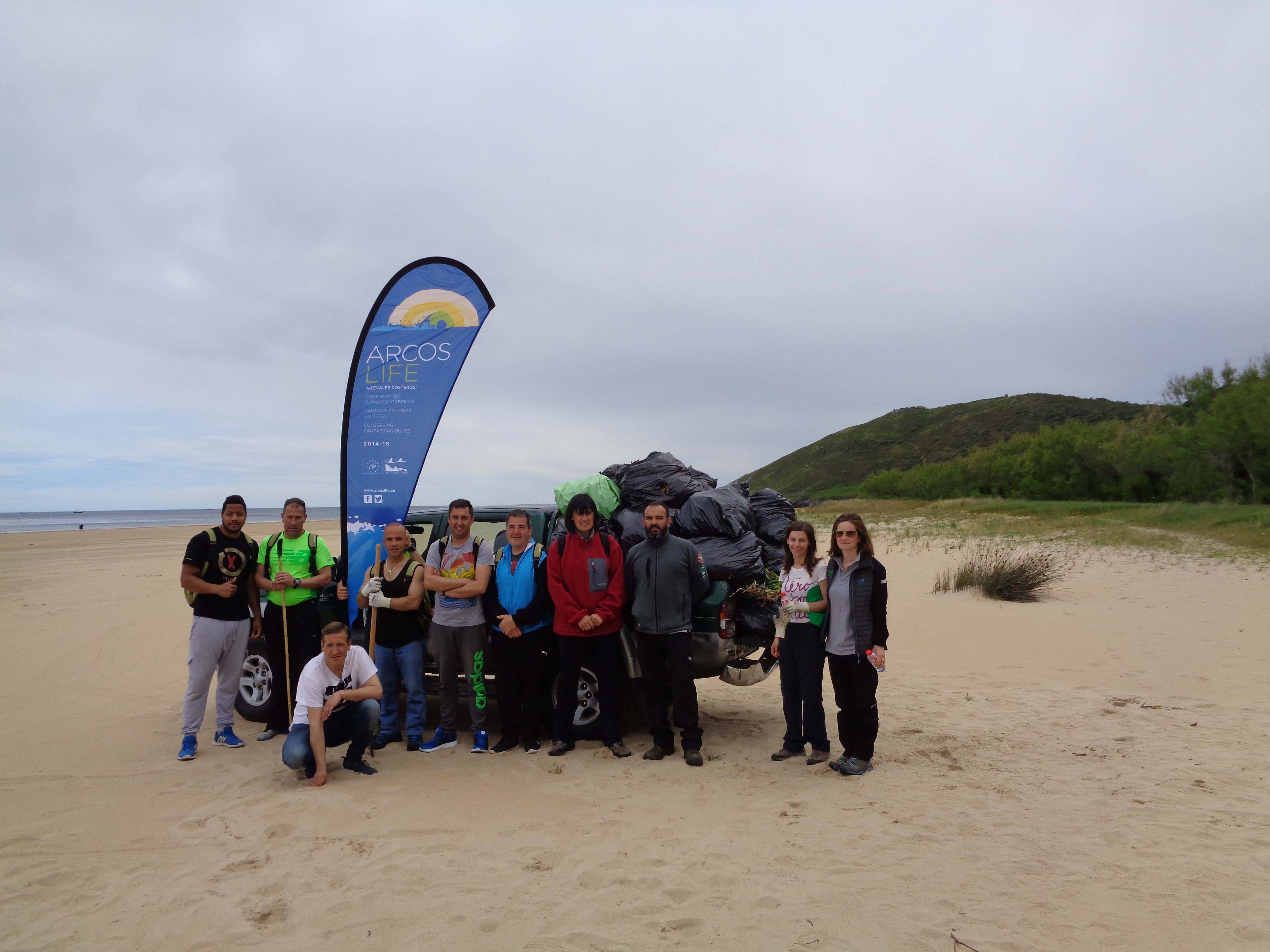
    NACAR Programme group and the ice plant removal activity

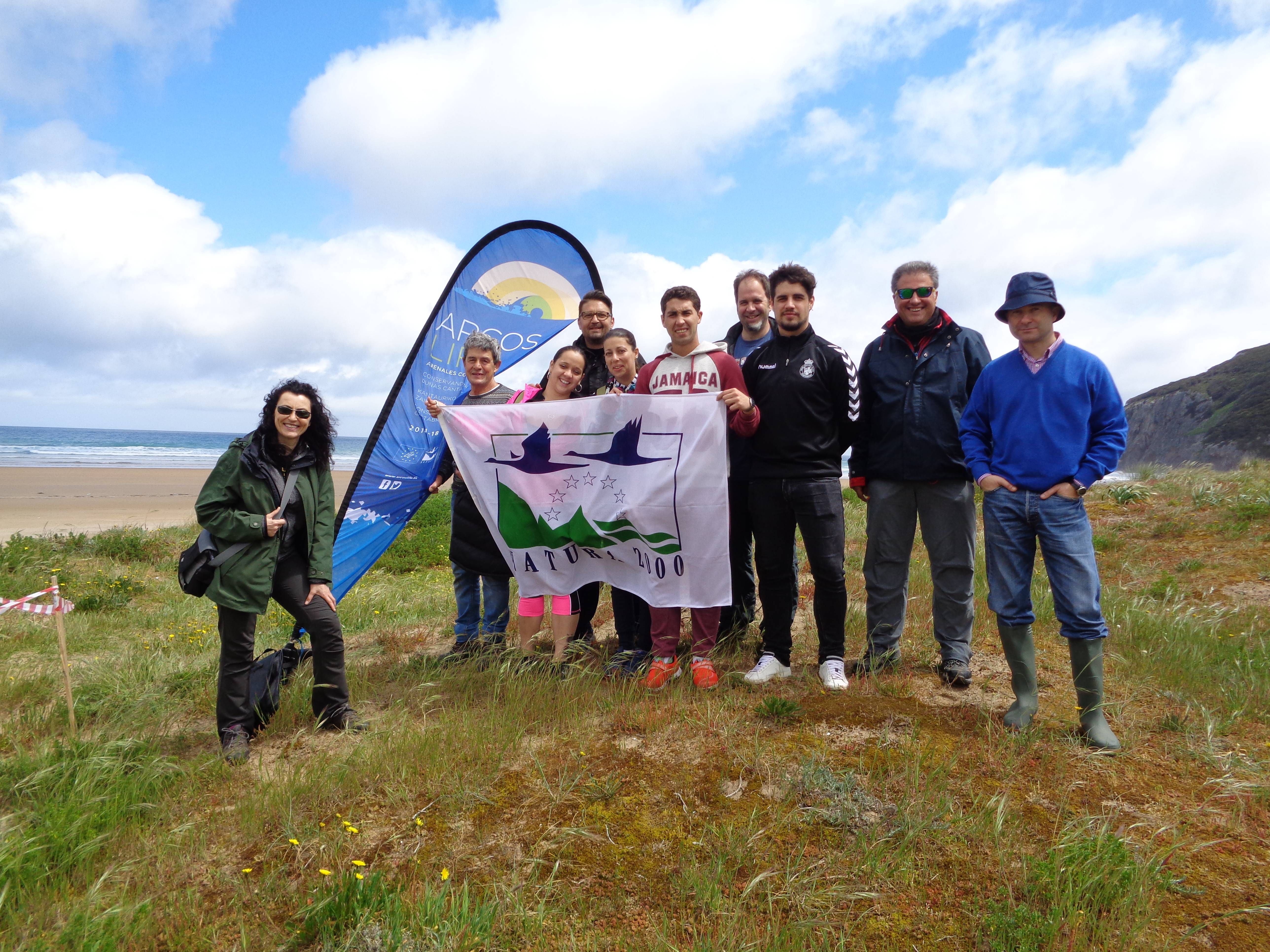
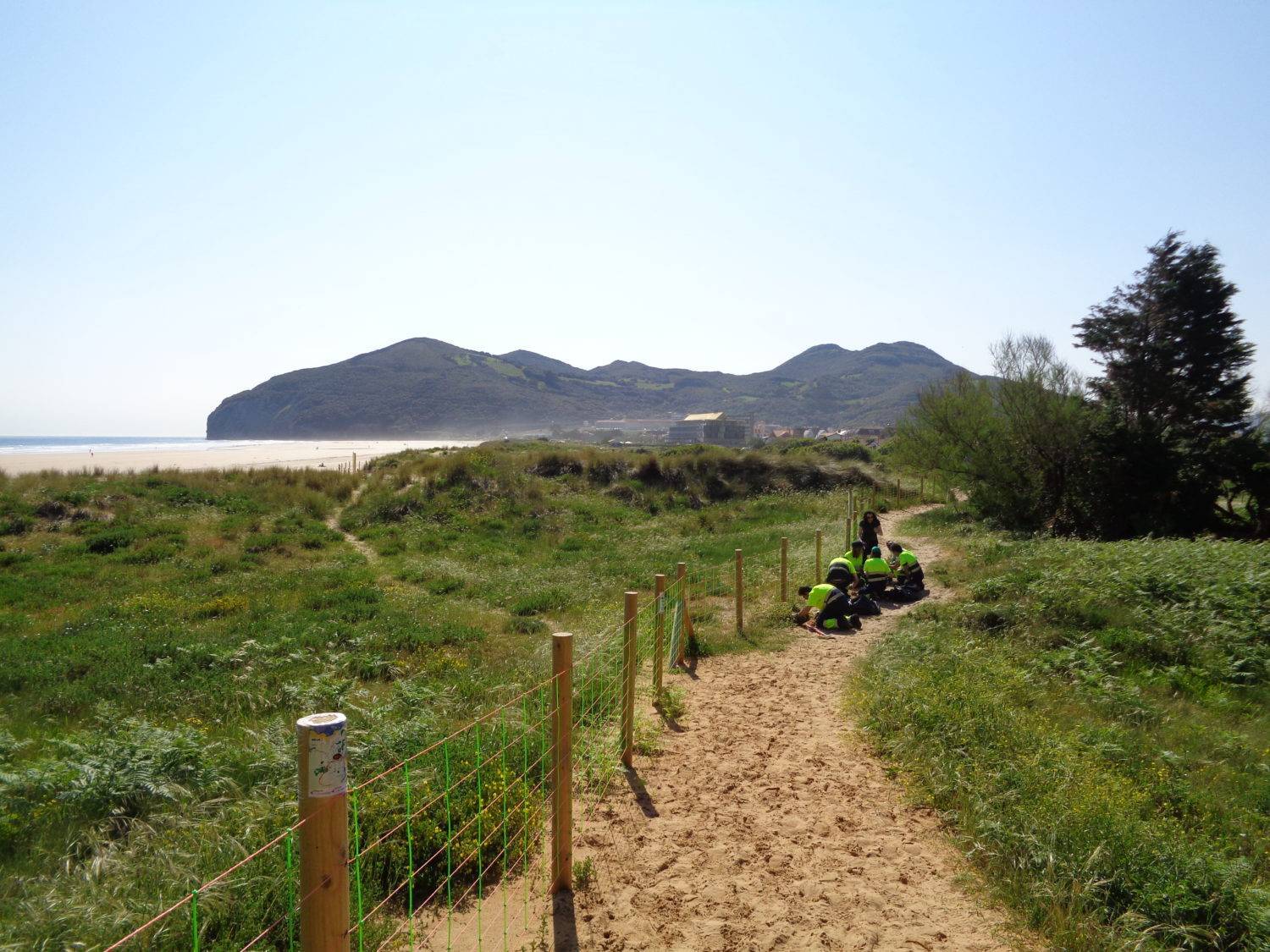
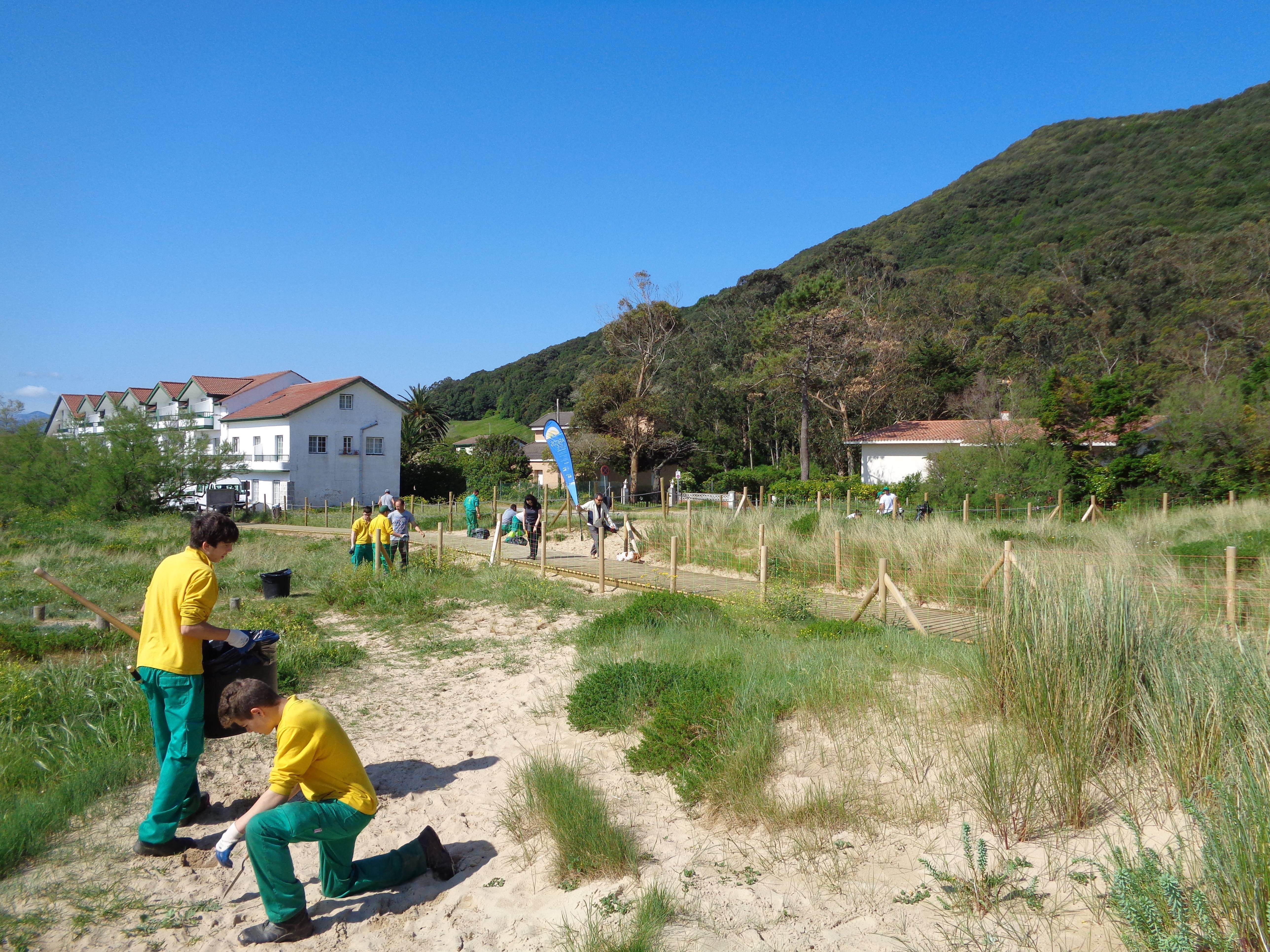
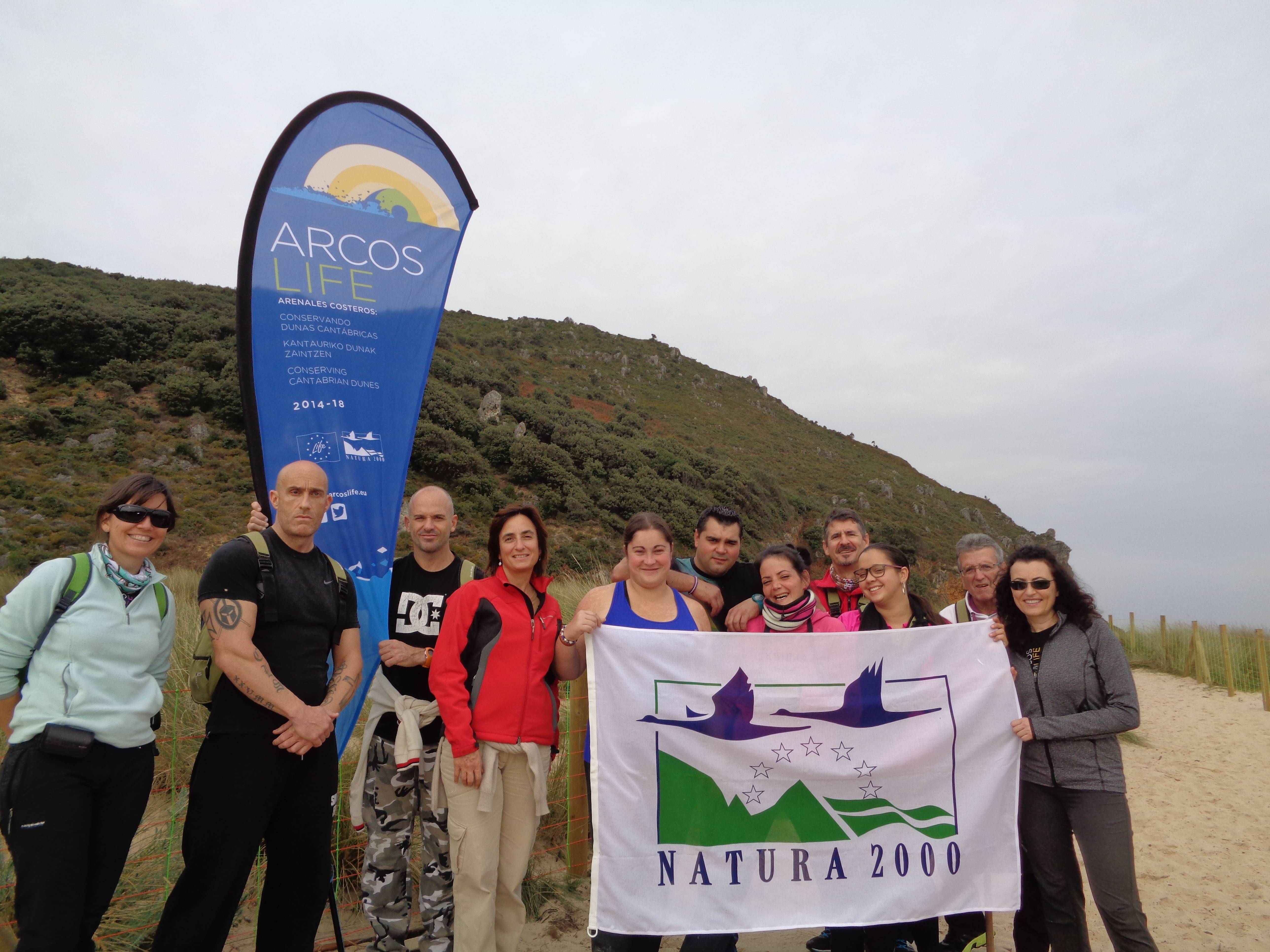
    The second work day took place on 17th May, coinciding to commemorate the European Natura 2000 Day. The activity was carried out with the collaboration of the AMICA and AMPROS associations, and the SERCA Special Employment Centre, which as on previous occasions, collaborated actively with the LIFE Arcos project, splitting into three action groups. 
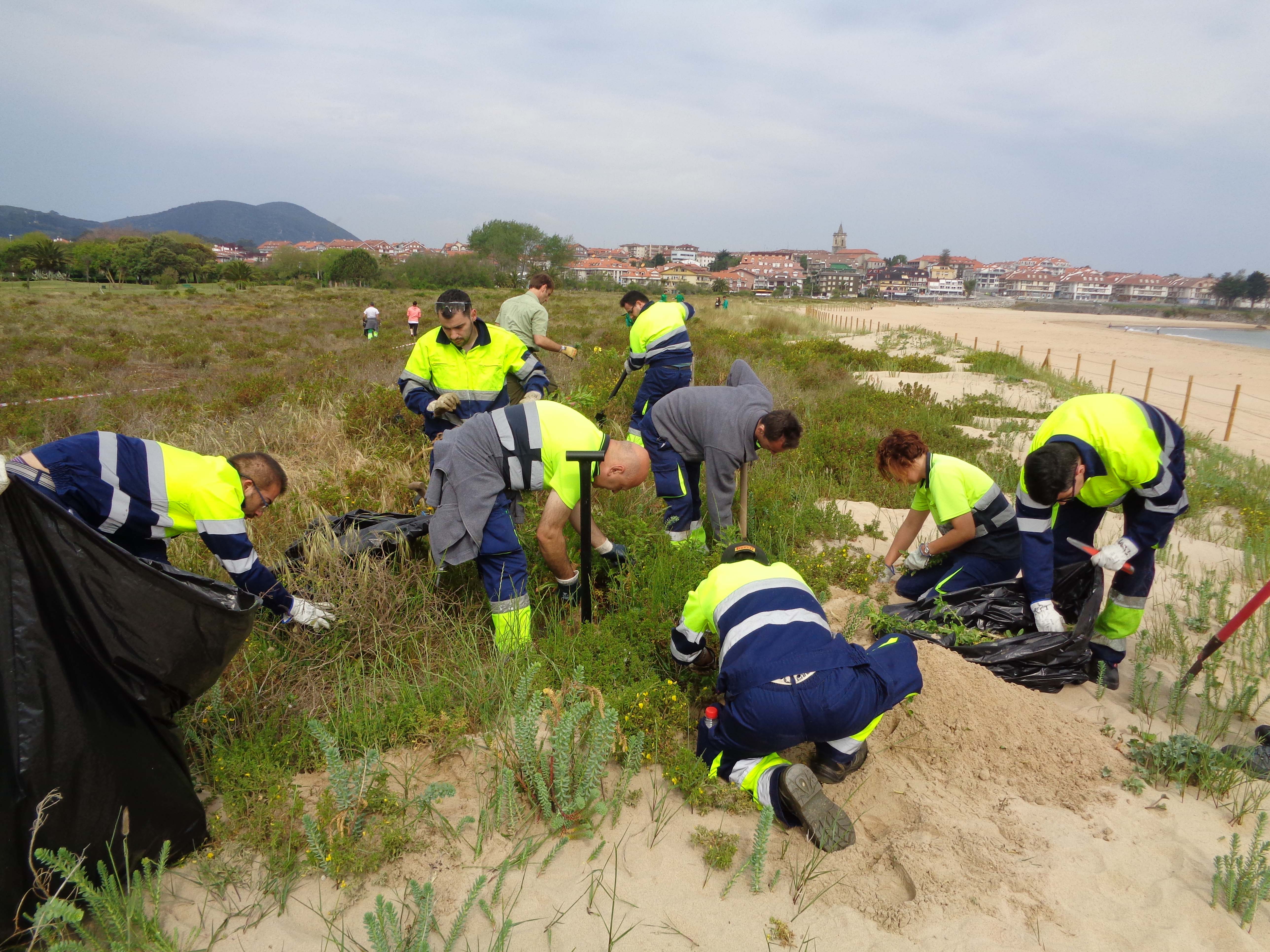
    AMICA volunteering team

    The location chosen for these tasks was the Trengandín beach dune system, which despite being a clear example of the consolidation of the ecosystems of this nature, also presents a significant amount of invasive exotic species.

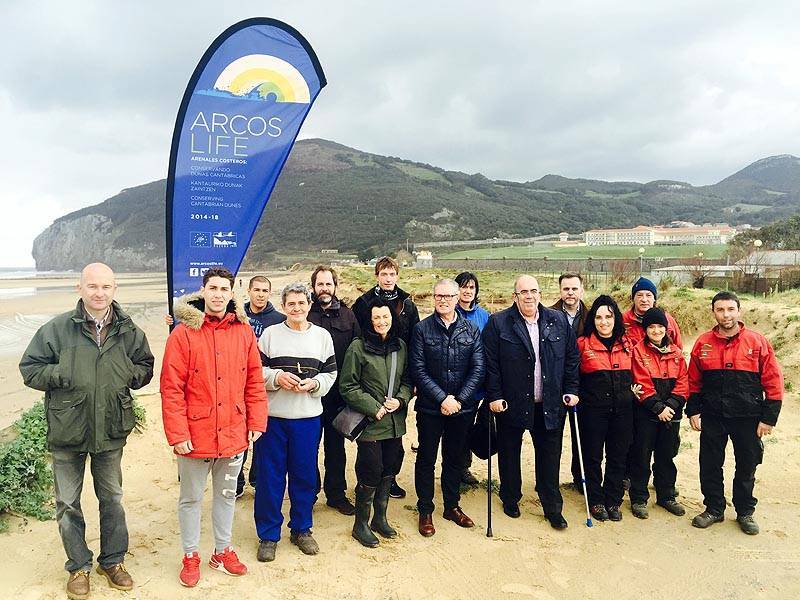
    At the start of the day, various regional and town authorities attended to greet participants in person. The Councillor from the Natural Environment, Fisheries and Food Department , the Directorate General of the Environment, the Head of the Government of Cantabria Conservation Service and the Noja Council Mayor, with environmental experts and council members.

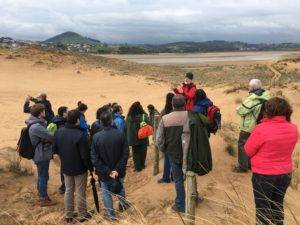
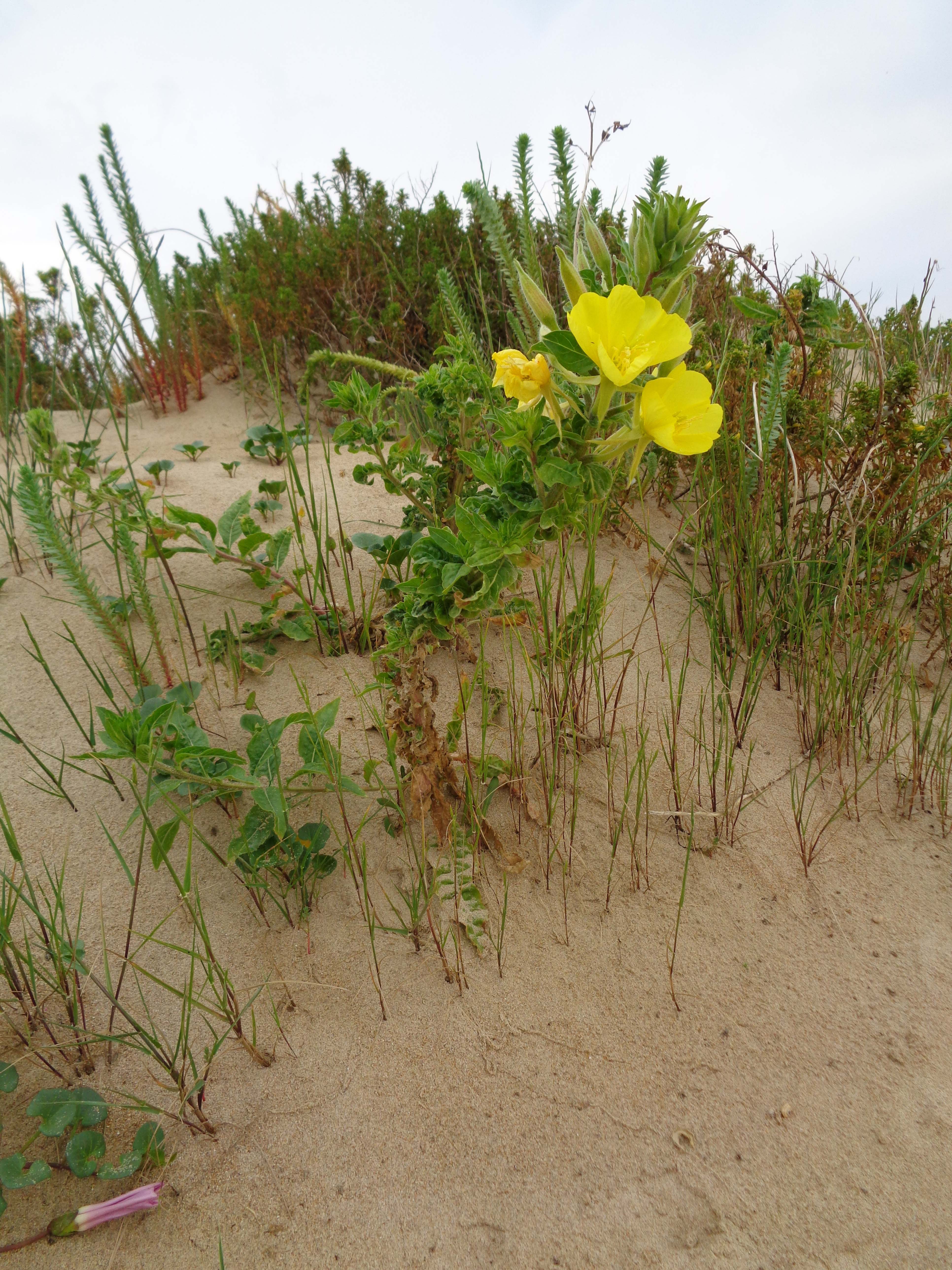
    After the formal greeting, participants were given an introductory explanation about how the dune systems work, the invasive plants and how to eliminate them, and the targets of the LIFE ARCOS Project, in this case focusing specifically on the invasive exotic species, evening primrose (Oenothera glazioviana).
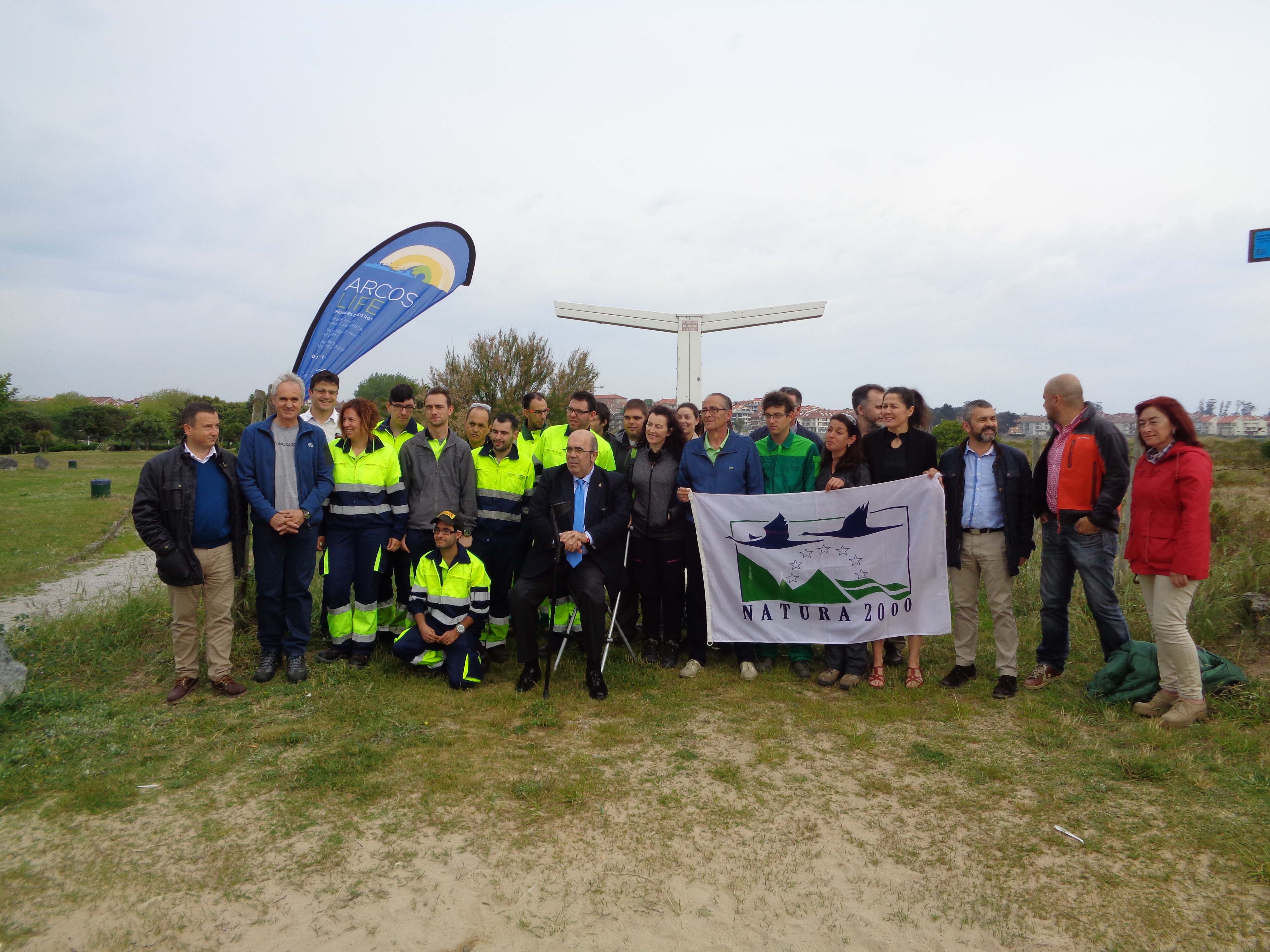
    Volunteering group with the Councillor from the Natural Environment, Fisheries and Food Department
    Evening primrose present in the dune system (Oenothera glazioviana).

    Once the guidelines and aim of the activity were established, the work areas were marked out and the task began, which continued until the rain brought the activity to a close. By this point the group had already removed the evening primrose from a considerable stretch of dune (200 kg and 2 kg of waste) over an area covering around 10,000m2. To end the activity, participants from AMICA, SERCA and AMPROS were all given a LIFE ARCOS logo pendant, which is one of the ceramic pieces that has been made in their Workshops at the El Dueso Penitentiary Centre, as well as pen holders and flower pots. 

    LIFE ARCOS ceramic works produced in the El Dueso Penitentiary Centre Workshop

    During the task of removing the evening primrose, another exotic plant was detected and also removed: Agave americana. It had numerous shoots growing next to the dune vegetation, which would potentially have grown very large.
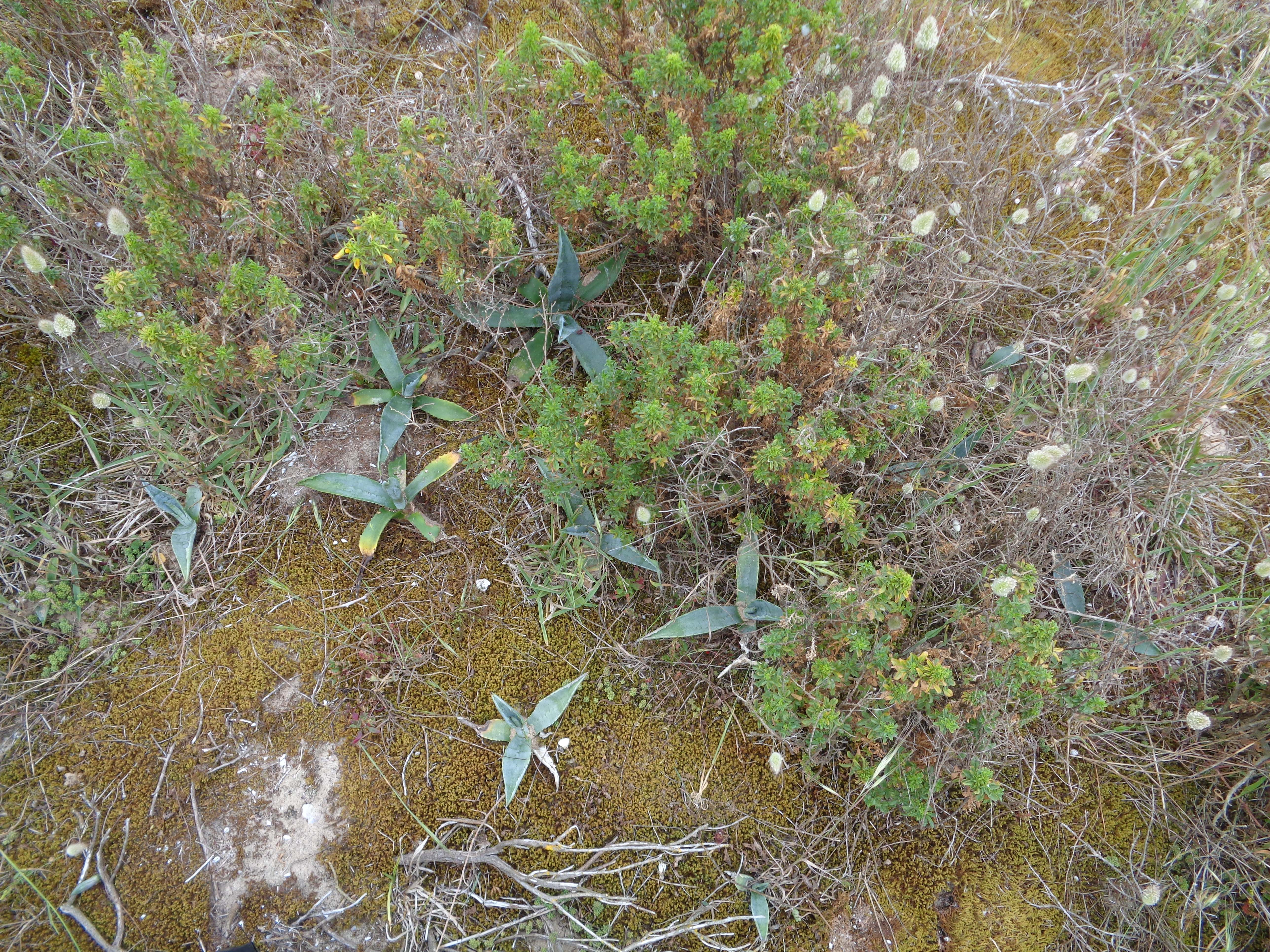
    Removed specimen of invasive species, Agave Americana


    The work performed on both days was supported by staff from the  Cantabrian Rural Development Network team, whose collaboration in removing and managing the plant waste obtained was paramount.

    These kinds of actions represent a major advance in terms of controlling invasive species, and show that adding up small actions can create a big result, which is why it falls to the Government of Cantabria Directorate General of the Environment to thank the collaborating entities for their involvement, without which these tasks would have been impossible.
  • Workshop on dune systems, summary 25th April , 2017. Organised by EUCC-Atlantique and LIFE ARCOS project

    Workshop on dune systems, summary 25th April , 2017. Organised by EUCC-Atlantique and LIFE ARCOS project

    The workshop organised by EUCC-Atlantique, in collaboration with the Life+ARCOS project, has chosen the dune systems in Cantabria and conservation actions, which are being carried out within the framework of this project on the Liencres Dunes and the Puntal Dunes and Miera Estuary (recently declared Special Area of Conservation,  Decree 18/2017, 30th March, Official Cantabria Gazette 70), to bring together an experienced group of experts in managing and conserving this kind of habitat, on 25th and 26th May.

    Summary of the activity held on 25th April

    Visit to the Liencres dune system (tomorrow)

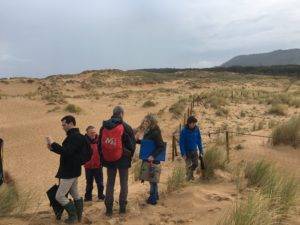
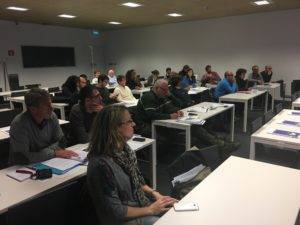
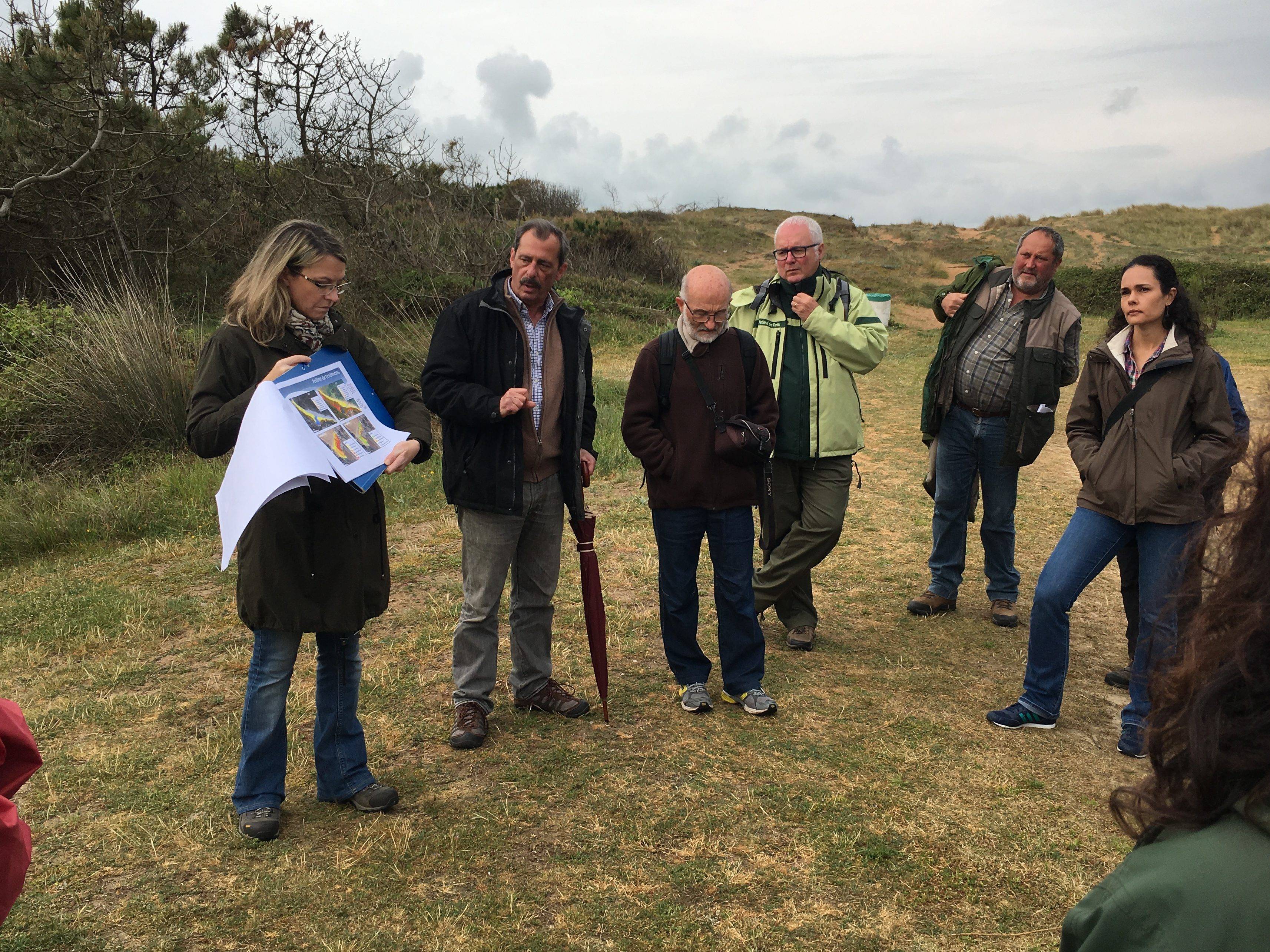
    The day started with a presentation given to all attendees by Christine Clus-Auby (EUCC) and Carlos Ley (Ecología Litoral – Life+ARCOS). After the presentation, following the programme, the group visited the Liencres dune system. Different interventions were given during the walk to the protected area. The visit was guided by the Director of the protected area, Jesús Varas, and was supported by the collaboration of Carlos Ley and Jean Favenecc (EUCC), who also assisted in translating. Jesús Varas was in charge of explaining the different actions that are being carried out in terms of preserving dune habitats and managing the dune space, both in the context of the Life+ARCOS project and in other frameworks dependent on the Cantabrian Directorate for Nature Conservation.


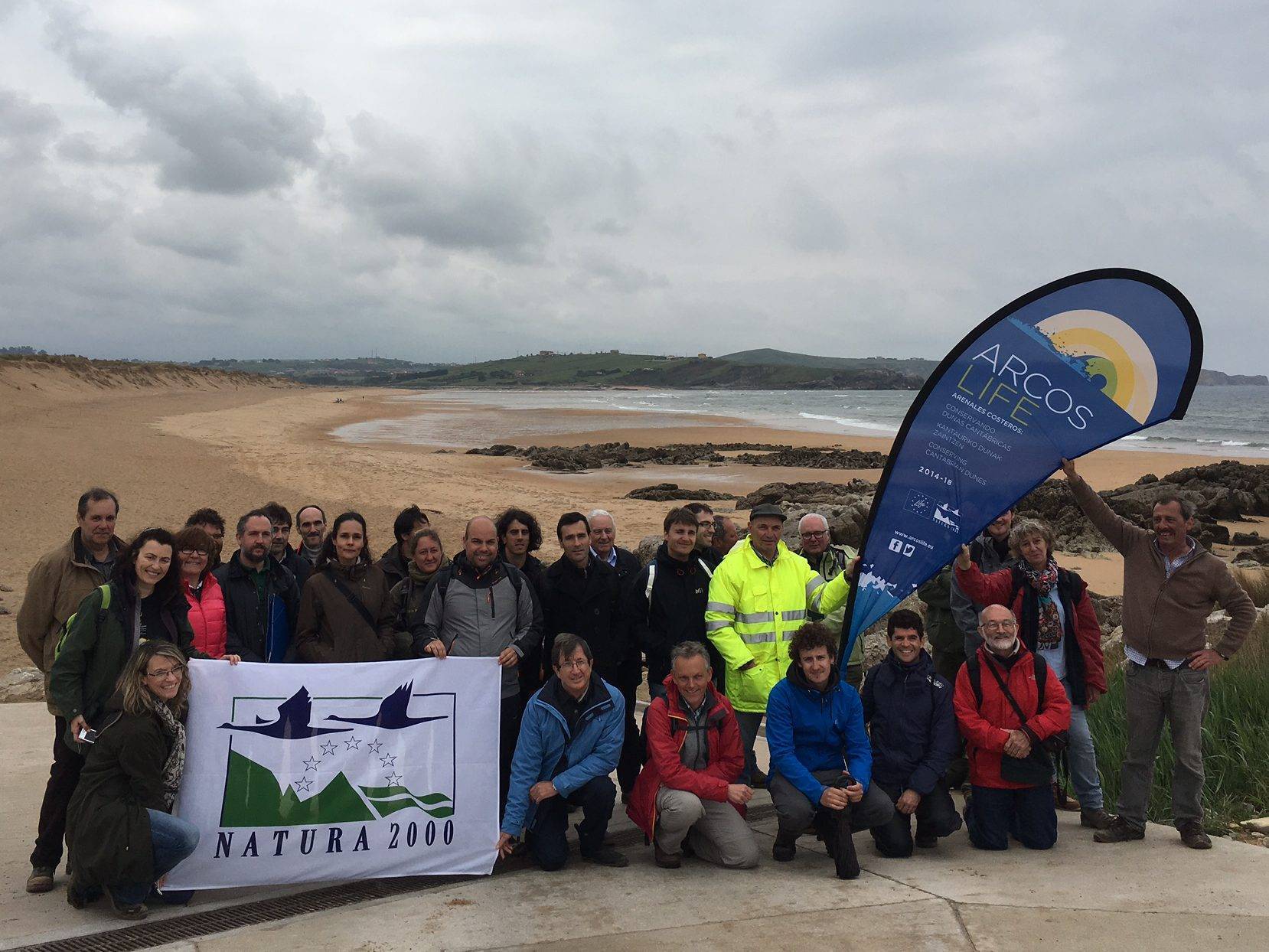
    Group photo with some of the attendees of the activity held on 25th April

    The introduction to the geomorphological situation of the space and the analysis of its sedimentary dynamic was given by Elena Fernández Iglesias (Indurot- Uniovi – Arcos+Life). Elena gave an analysis of the dune system history (1950s to present day), by interpreting historical aerial photos and by analysing LIDAR data. The variation of the sedimentary inputs of the river Pas and the erosive phenomena occurring over recent years, are among the leading causes of the current sediment balance.

    Elena Fernández Iglesias giving the explanation

    The morning included explanations from Mr Jesús Varas and interventions from various attendees, who discussed the set of actions being carried out within the protected space.

    The selective elimination of pine trees, constructing enclosures to organise pedestrian transit, sand collectors, managing seaweed banks as a sand collector element, and eliminating invasive species, were some of the issues addressed and actively discussed “in situ”.

    The morning session ended with a meal at a restaurant near the dune system.

    Some photos of the visit can be seen below.


    Presentations and discussion (afternoon)

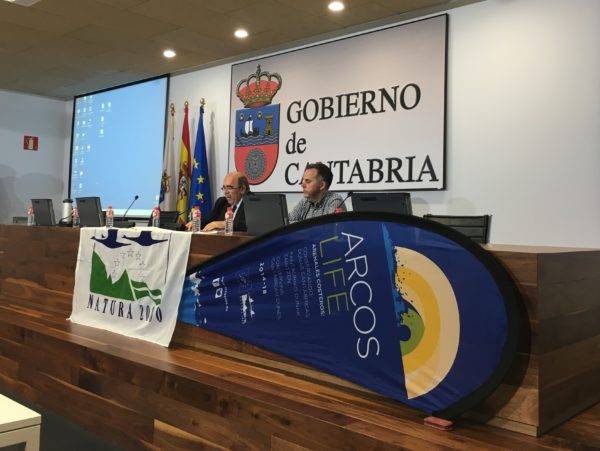
    The Assembly Hall at the Government of Cantabria Directorate General of Nature Conservation, hosted the lively afternoon session, filled with communications and discussion.

    The Session was opened by the Councillor for Rural Affairs, Fisheries and Food, Mr Jesús Oria, who commented on the interest of his department regarding these coastal habitats, reinforced by its participation as beneficiary partner within the Life+ARCOS project.

    Opening of the activity days by the Councillor for Rural Affairs, Fisheries and Food, Mr Jesús Oria

    After the introductory presentation by the Councillor, the different interventions were given in the following order:

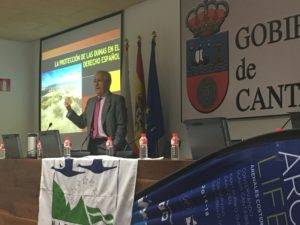
    Luis Martín Rebollo, Administrative Law Professor at the University of Cantabria: Legislative context and territorial organisation in Cantabria: the keys to understanding dune management

    Ignacio Alonso, from the University of Oviedo: The objectives and challenges of the ARCOSLIFE project

    Loïc Gouguet, Leading National Coastal Expert from the “National Forestry Department (Office National des Forêts, ONF)”: Managing the French Atlantic dunes, from beaches to forested dunes

    Maria Recio, Hydraulic Institute of Cantabria: Analysis of the effects of pedestrian transit over the dune vegetation

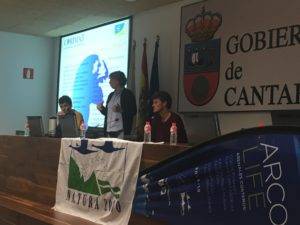
    Photos of the speakers in order of intervention (from top to bottom, left to right).

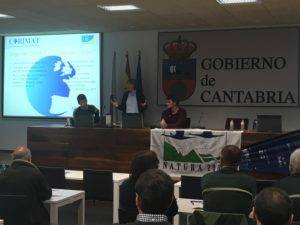
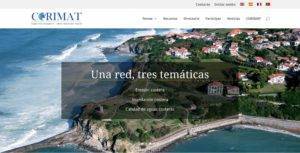
    The debate following the interventions was chaired by Jean Favenecc (EUCC) and Carlos Ley (Ecología Litoral), and after it finished the ANCORIM /CORIMAT portal was officially introduced, created with the aim of reactivating the network of players to manage coastline risks in the European Atlantic area. The presentation of the portal was given by Pedro Fernández (EUCC-Atlantique) and Christine Clus-Auby (EUCC-Atlantique).


    After the debate and the presentation of the CORIMAT portal, the organisation’s bus returned participants to the city of Santander.

    CORIMAT website: https://corimat.net/

    Photos in Twitter with the hasthag: #EUCCworkshop2017 

  • LIFE ARCOS project celebrates the European Natura 2000 Day with volunteering activities (2016)

    LIFE ARCOS project celebrates the European Natura 2000 Day with volunteering activities (2016)

    With the European Natura 2000 Day now approaching, we have included this news about the volunteering days undertaken in Cantabria in 2016, within the framework of the Life+ARCOS project.

    Today is not just any ordinary day; we are celebrating the European Natura 2000 Day, and to do this we are holding some environmental awareness activities and carrying out work to control invasive exotic species on the Berria beach dunes (Santoña). One of the beaches included in the European dune conservation and restoration project Life+ARCOS.

    On this occasion, pupils from Argoños (Pedro Santiuste Primary School) and Santoña (Macías Picavea Primary School), visited the Berria beach dune system in Santoña on 10th and 12th May 2016, walking along the stretch to discover the dune and its flora and fauna, led by instructors from the Cantabrian Rural Development Network (RCDR in Spanish) who work at the Santoña, Victoria and Joyel Marshes Natural Park Interpretation Centre. The pupils were fascinated and their constant questions helped the Cantabrian Rural Development Network instructors from Cantabria (NATUREA programme) to explain all the ins and outs of the unique flora and fauna species that inhabit the dunes.


    Pupils from the Pedro Santiuste Primary School in Argoños, who participated in the activity day

    The activities ended with the mini planting of grasses from the tertiary dunes Festuca vasconcensis – which was the activity that all the pupils had been excitedly waiting for.

    The volunteering activities have not yet finished on the Berria dunes, and some other control activities of invasive species have been carried out with the NACAR Programme (Nature and Prison) and by the Cantabrian AMICA, SERCA and AMPROS groups.

    19th May 2016 was a mostly cloudy day with the odd spot of rain, but even so activities commenced to remove invasive species from the tertiary dune on Berria beach, with a group of 6 inmates from the El Dueso Penitentiary Centre. The work setting – Berria beach nestled between two limestone massifs (El Brusco to the west and Mount Buciero to the east) – was spectacular. The dune systems here are rich in unique species of flora and fauna such as the Linaria supina subspecies. maritima.


    Team from the NACAR Programme working to eliminate the IES “Capeweed”

    This season an invasive exotic species – Capeweed (Artotheca calendula) – has been spotted flowering on the pathways that run alongside the Berria beach and at the main entrance to the dunes next to the apartment buildings. To avoid this concentration of invasive species, thirteen 120L-bags were filled, leaving the area free from the invasive plant.

    Group photo with the team from the NACAR Programme

    On 20th May 2016 work was carried out next to the El Brusco hill on the Berria beach. Staff from AMICA, SERCA and AMPROS joined forces to take action against the invasive species and to commemorate the European Natura 2000 Day.

    AMICA, AMPROS and SERCA staff working to control “Capeweed”

    The work was arduous, and the teams split the work into collecting and cleaning both rubbish and the capeweed, which was in full bloom. Some workers, such as those from AMICA and AMPROS, contributed their far-reaching experience in this kind of manual control of invasive species, whilst the SERCA team, in training for gardening tasks, thoroughly enjoyed the hugely constructive learning experience.

    Another snapshot of the work to control “Capeweed”

    A total of 75 kg of waste were collected, of which 58 kg comprised organic waste, 17 kg recyclable waste, and 103 kg capeweed.

    Everyone worked extremely hard, managing to control the growth of capeweed throughout 2016 in the Berria beach dune system (Santoña). Over the coming years, maintenance work must be carried out to keep the reservoir of the seeds of this species under check.

    Group photo with the members of AMICA, AMPROS and SERCA who participated in the activity day.
  • LIFE+ARCOS celebrates Natura 2000 day in Cantabria

    LIFE+ARCOS celebrates Natura 2000 day in Cantabria

    natura-200da_arcos

    As we have commented  before, this year Life+ARCOS is marking the occasion of the European Natura 2000 Day by organising various activities on different dune systems along the Cantabrian coast.

    In Cantabria, Life+ARCOS will be present in the following events:

    1. 10th and 12th May, guided activity (led by instructors from the Natural Park Interpretation Centre, Cantabrian Rural Development Network) involving explanations and a mini planting session in the Berria dunes (Santoña) with pupils from the Argoños and Santoña primary schools. There may be more centres involved.
    2. 12th May, NACAR activity (Nature and Prison) on the Berria dunes (Santoña), removing Arctotheca calendulaand picking up waste. Directorate General of the Environment from the Government of Cantabria (Lourdes González).
    3. 19th May, informative conference in the Santoña, Victoria and Joyel Marshes Natural Park Interpretation Centre (Santoña) about the LIFE ARCOS Project. Specialists from the Directorate General of the Environment from the Government of Cantabria (Jesús Varas and Lourdes González).
    4. 20th May, activity to remove invasive plants in collaboration with associations for people with disabilities AMICA (confirmed), SERCA and AMPROS (the latter two pending confirmation). Next to the Brusco hill (Berria dunes, Santoña) in an area that was worked on in 2015.

    We hope to see you there!

  • Oria visits Berria (Santoña, Cantabria) to be informed about the progress of the restoration activities developed on this site

    Oria visits Berria (Santoña, Cantabria) to be informed about the progress of the restoration activities developed on this site

    Councillor Oria during the visit


    Information published by the press cabinet of the Government of Cantabria
    “Oria visits the Berria dune system to see the restoration activities being carried out”

    Date of press publication:20/03/2016

    Go to the publication link

  • The Berria dune system is protected against attacks and invasive plants

    The Berria dune system is protected against attacks and invasive plants

    El diario montañes 21/03/2016


    News item in the El Diario Montañés newspaper from 21/04/2016:
    “The Berria dune system is protected against attacks and invasive plants”

    Publishing date: 21/04/2016

    Go to the web site of the news
  • Dune restoration by removing invasive plants and waste and by collecting seeds on the Berria beach (SCI Santoña, Victoria and Joyel Marshes)

    Dune restoration by removing invasive plants and waste and by collecting seeds on the Berria beach (SCI Santoña, Victoria and Joyel Marshes)

    Once again, the Directorate General of the Environment (Rural Affairs, Fisheries and Food Department of the Government of Cantabria) with the collaboration of inmates from the El Dueso Penitentiary Centre as part of the NACAR Programme (Nature and Prison), carried out a volunteering activity encompassed within the LIFE+ ARCOS programme on the Berria beach dune system (municipality of Santoña).

    Voluntariado del Programa NACAR, al fondo Centro Penitenciario El Dueso
    Volunteers from the NACAR Programme, in the background the El Dueso Penitentiary Centre

    The activity carried out on 20th November 2015 led by an Expert from the Nature Conservation Service and a Forestry Expert from the same Service, focused on restoring the dune systems along the Cantabrian coast.

    The day began with an introduction to the Natural Protected Space, in which participants were given an explanation of the dynamic of the dune systems, the importance of preserving native plant life in these ecosystems, and the significance of fighting against invasive species

    Limpiezaresiduos, 20.11.15
    An instant taken on the route followed for the waste clean-up.

    Next, participants walked along the front of the existing dune system on Berria beach collecting rubbish, filling a 120-litre bin bag. During the walk along the dune front, numerous sea daffodil bulbs (Pancratium maritimum) were collected, which were found displaced, and inside the dune system seeds were collected from the same species, from carnations (Dianthus hyssopifolius), toadflax (Linaria supina subsp. maritima) and crosswort cuttings (Crucianella maritima) to be moved (bulbs, seeds and cuttings) to the nursery Gardening Workshop at the El Dueso Penitentiary Centre, where they will be nurtured in view of future activities within the NACAR Programme.

    Retirada Yucas, 20.11.15
    Photo of the team of participants in the activity day

    The major part of the day’s activity focused on removing the invasive Adam’s needle plant (Yucca gloriosa) manually using spades and trowels, resulting in the removal of six 120-litre bags full. In 2010, the Berria beach dune system had numerous adult flowering Yucca specimens that were removed, and with this activity they are being controlled and practically eliminated from the dunes. This activity took place in an area inside the dune system in the middle zone, spanning from the Juan de la Cosa Hotel to the El Brusco hill.

    Some of the volunteers had previously carried out dune restoration work on the Berria beach with the Directorate General of the Environment, and they remembered some of the native dune species, the invasive species and the restoration tasks they had carried out on previous occasions. Specifically, the areas replanted with sea daffodil bulbs collected in March 2015 and transplanted back into the dune system were particularly visible.
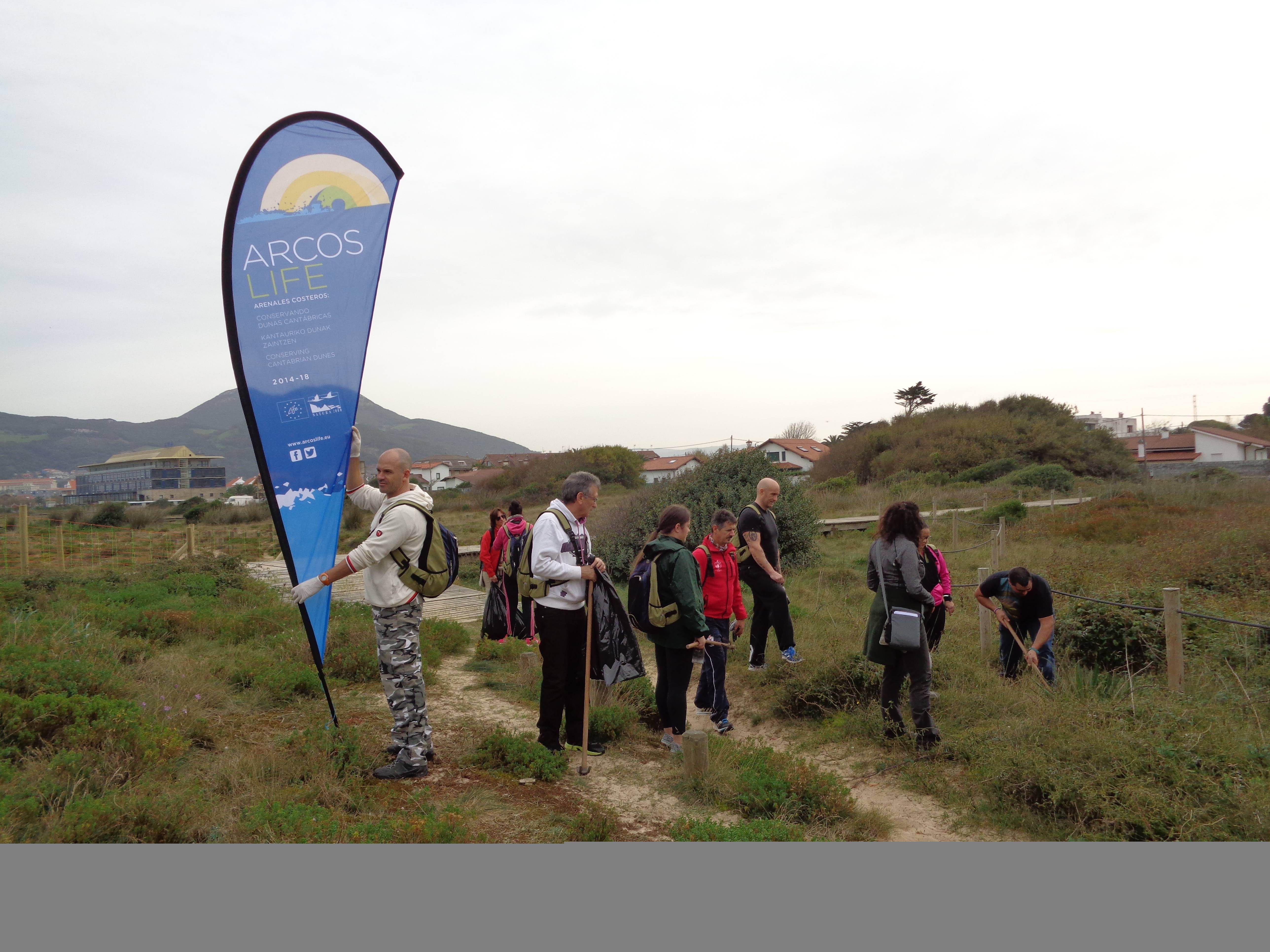
    At the end of the day and as a keepsake, the inmates along with the instructors from the El Dueso Penitentiary Centre, a trainee and the Expert from the Nature Conservation Service from the Government of Cantabria, posed for a photo to leave a record of the hard work that they had all done to conserve the dune systems.


    Final jornada, 20.11.15
    Photo of the team of participants in the activity day
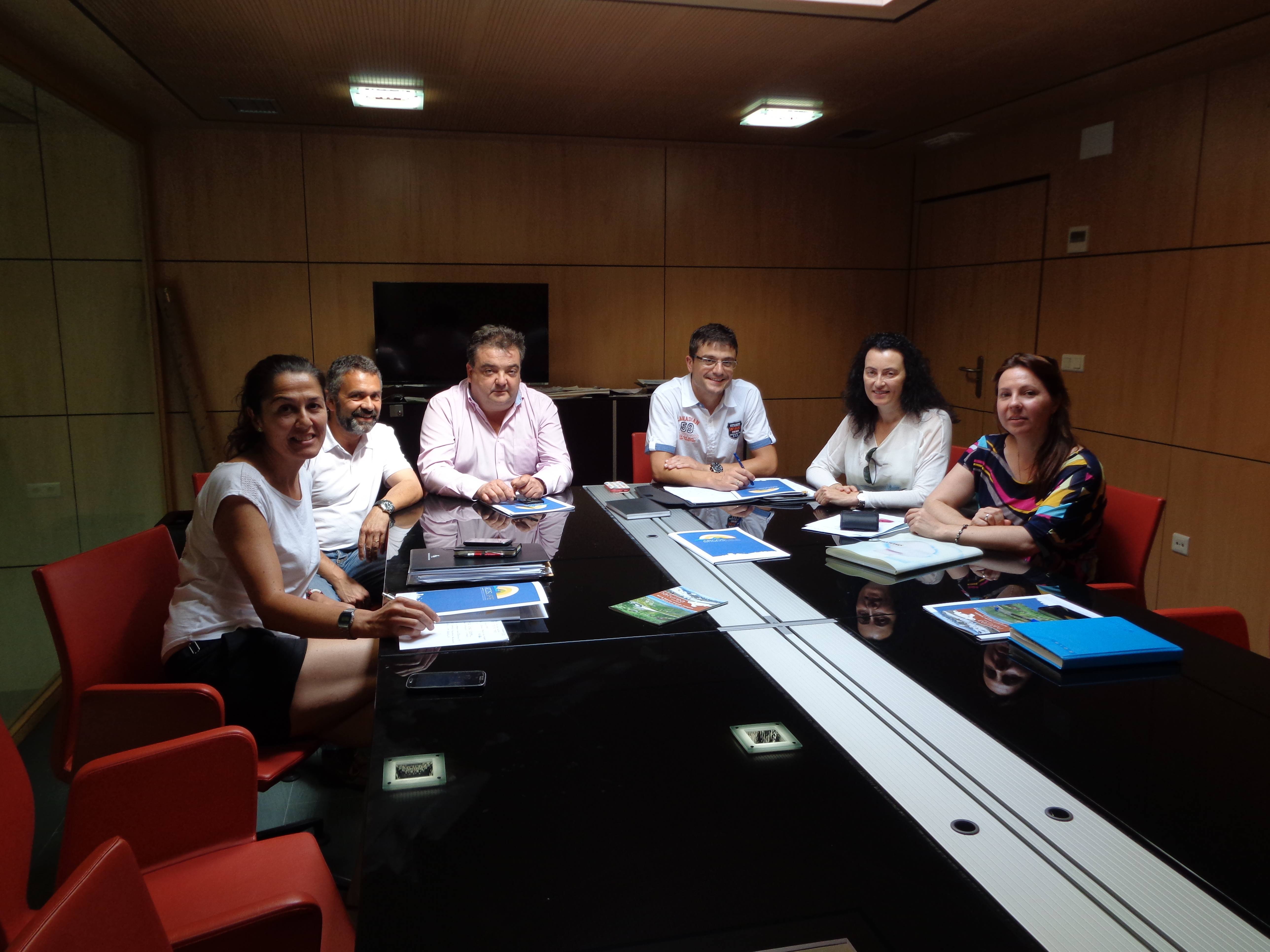
  • Life+ARCOS meets some technicians from the Directorate General of Natural Environment of the Regional Government of Cantabria

    Life+ARCOS meets some technicians from the Directorate General of Natural Environment of the Regional Government of Cantabria

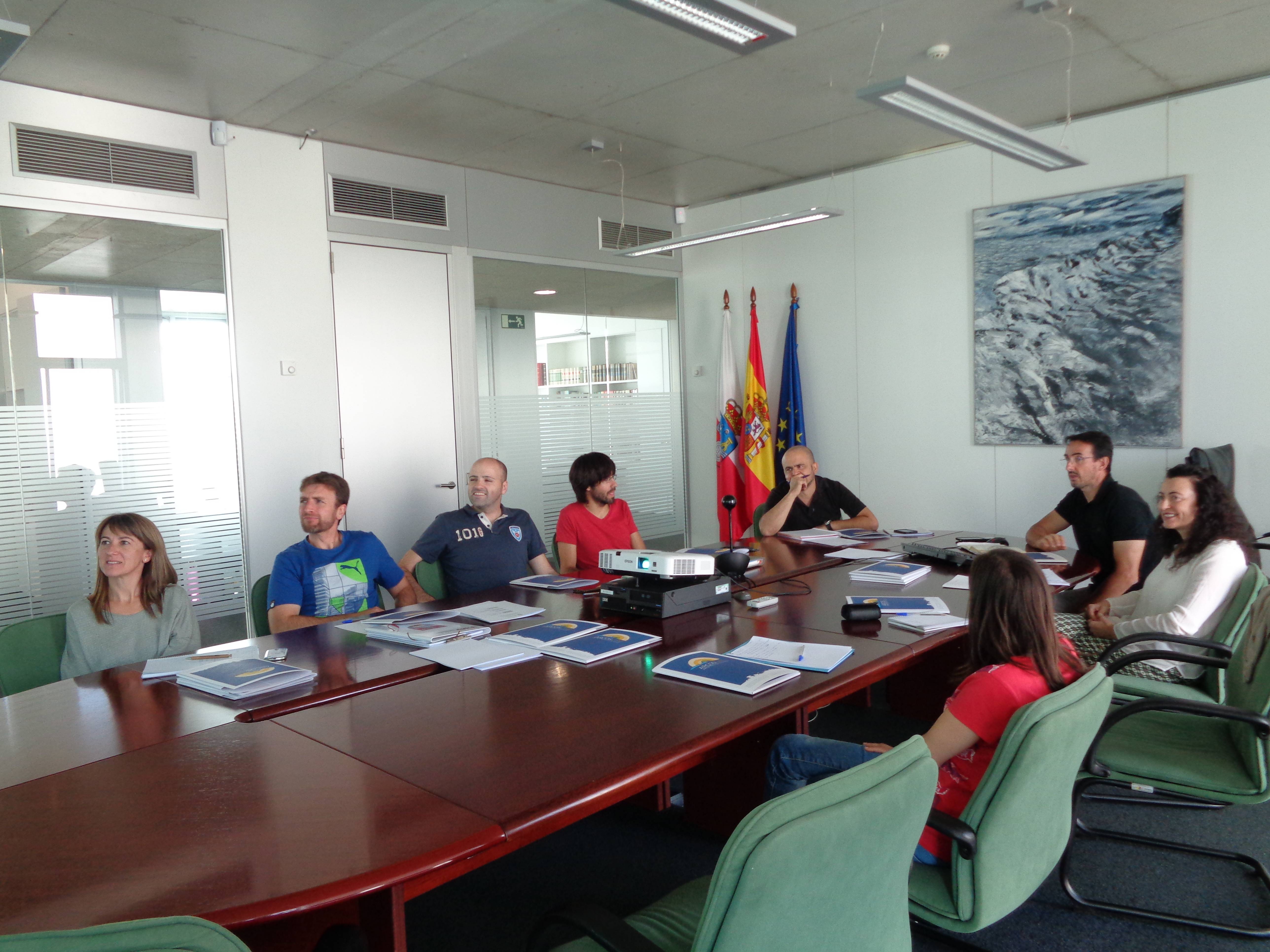
    On 14 August, Jesús Varás (director of the Liencres Dunes Natural Park) and Lourdes González (Director of the Santoña, Victoria and Joyel Marshes Natural Park) met with the Technicians from the Nature Conservation Service to present and explain the LIFE+ARCOS project to colleagues working in other areas of the Directorate-General of Natural Environment of the Regional Ministry of Rural Affairs, Fisheries and Food.

    During the meeting, attendees received thematic portfolios on the LIFE+ARCOS subject “Conserving Cantabrian Dunes.» Then, we presented on the scope of action and the list of activities to develop, focusing on specific activities on Cantabrian beaches that form part of this project (Valdearenas, Loredo, Helgueras and Berria).

    During the meeting, attendees asked interesting questions about species and activities in the Liencres pine forest.

    Reunión con miembros de la DG del Medio Natural del  Gobierno de Cantabria
    Meeting in the Cantabria Science and Technology Park (PCTCAN), where the Technicians (from the Nature Conservation Service) meeting took place.
    We also explained the value the NACAR (Nature and Prison) environmental volunteer programme (since 2004) has added to the LIFE+ARCOS project.

    When the meeting ended, we agreed to keep them informed about the LIFE+ARCOS project as activities in the Cantabrian dune systems are carried out. We also talked about the possibility of creating a volunteer group for the Directorate-General of Natural Environment to carry out activities for the project. All attendees liked the idea and we plan to host a volunteer day in September or October 2015.

  • Life+ARCOS meets the Major of the Piélagos Council

    Life+ARCOS meets the Major of the Piélagos Council

    Momento de la reunión en Piélagos
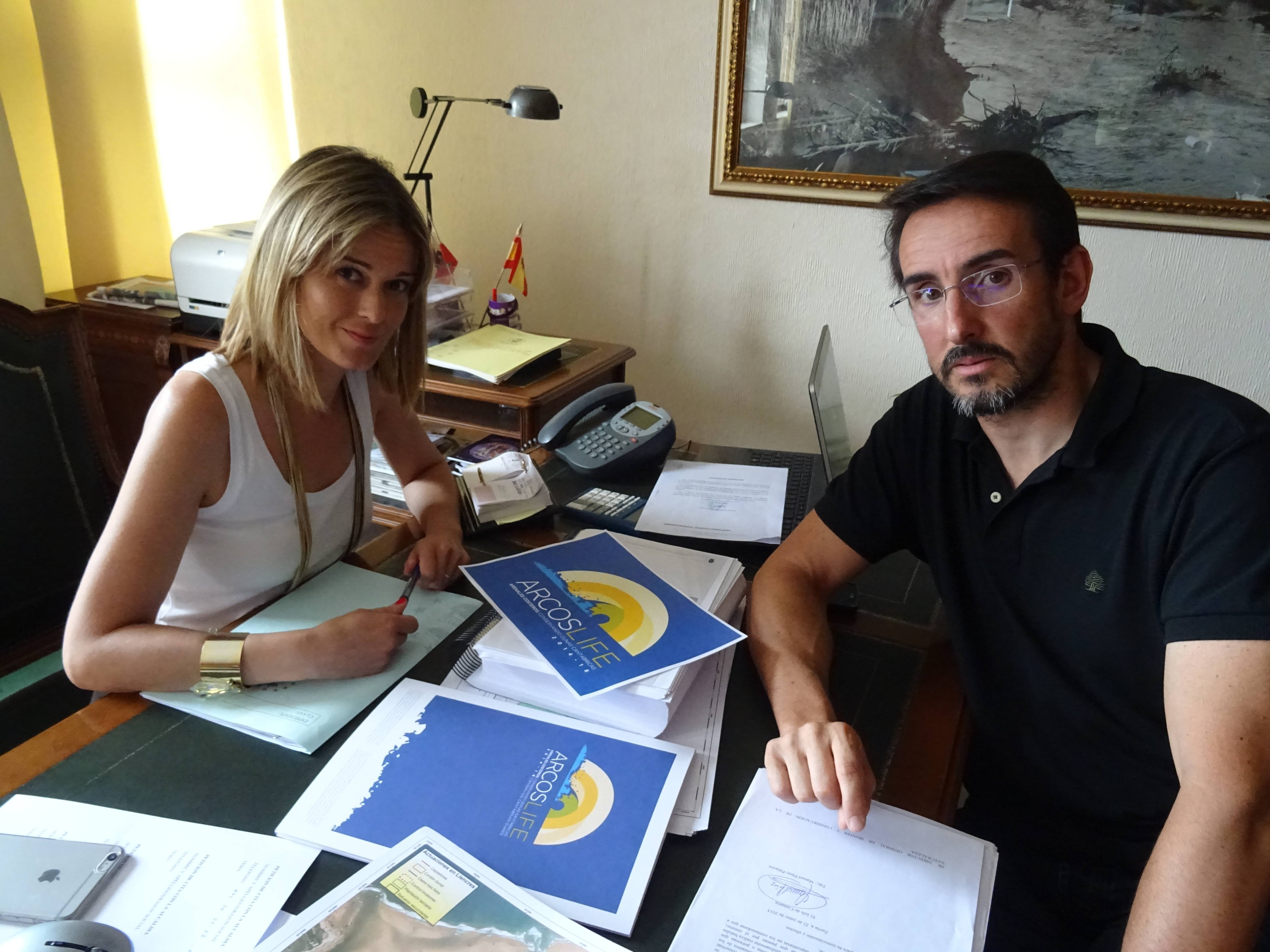
    Meeting held between the mayor of Piélagos, Ms Verónica Samperio and Mr Jesús Varas, director of the Liencres Dunes Natural Park (Government of Cantabria)

    On 3 August the director of the Liencres Dunes Natural Park, of the Directorate-General of Natural Environment of the Regional Ministry of Rural Affairs, Fisheries and Food of the Government of Cantabria (collaborating member of LIFE+ARCOS), Jesús Varas, held a meeting to meet the new mayor of Piélagos, Verónica Samperio. One of the meeting topics related with the Natural Park was introducing her to the LIFE+ARCOS project: “Conserving Cantabrian Dunes” and the activities being carried out in the Valdearenas dune system.

    During the meeting, we explained the general scope of action of LIFE+ARCOS project and analysed the activities scheduled through 2018 within the Valdearenas dune system, one of the largest on the Cantabrian coast. Both parties agreed about the importance of tourism in the area and the need to plan activities to conserve this fragile habitat.

    We also talked about continuing forward with the policy to eradicate invasive plants while prioritising mechanical control methods, planting and increasing threatened native species and installing sand collectors among the activities within the LIFE+ARCOS work programme. It is also advisable that dunes be temporarily closed to avoid alterations to the areas we have worked on.

    The Mayor was interested in knowing more about the project’s activities and suggested holding occasional coordination meetings as well as carrying out a technical visit to Valdearenas beach to interact with the current state of Berria beach’s dune system and to evaluate existing public use infrastructure

  • Life+ARCOS team meets the major of the Noja Council and city councillorscity councillors

    Life+ARCOS team meets the major of the Noja Council and city councillorscity councillors

    Meeting at the Council of Villa de Noja, (from left to right) Ms Mónica Cagigas Ocerin (councillor of Procurement, Personnel, Heritage and Treasury), Mr Francisco Javier Martín Vázquez (councillor of the Environment), Mr Miguel Ángel Ruiz Lavín (mayor of Noja), Mr Álvaro Torre Torralbo (councillor of Sports), Ms Lourdes González Azpiri (director of the Santoña, Victoria and Joyel Marshes Natural Park), and Ms Rocío Gándara Revuelta (councillor of Education, Social Services and Healthcare).

    The LIFE+ARCOS project on Helgueras beach (Noja) will continue to do dune system conservation work from the Directorate-General of Forestry and Nature Conservation (currently the Directorate-General of Natural Environment) of the Regional Ministry of Rural Affairs, Fisheries and Food of the Government of Cantabria, which was already being carried out within the Santoña, Victoria and Joyel Marshes Natural Park.

    As stated by the new Noja mayor, Miguel Ángel Ruíz Lavín , and his councillors, the director of the Santoña, Victoria and Joyel Marshes Natural Park of the Directorate-General of Natural Environment of the Regional Ministry of Rural Affairs, Fisheries and Food of the Government of Cantabria (collaborating member of LIFE+ARCOS), Ms Lourdes González Azpiri at the meeting held on 6 August at the Council of Noja.

    Attendees received a thematic portfolio on the LIFE+ARCOS subject “Conserving Cantabrian Dunes” and learned about the scope of action and activities to be carried out on Helgueras Beach through 2018.

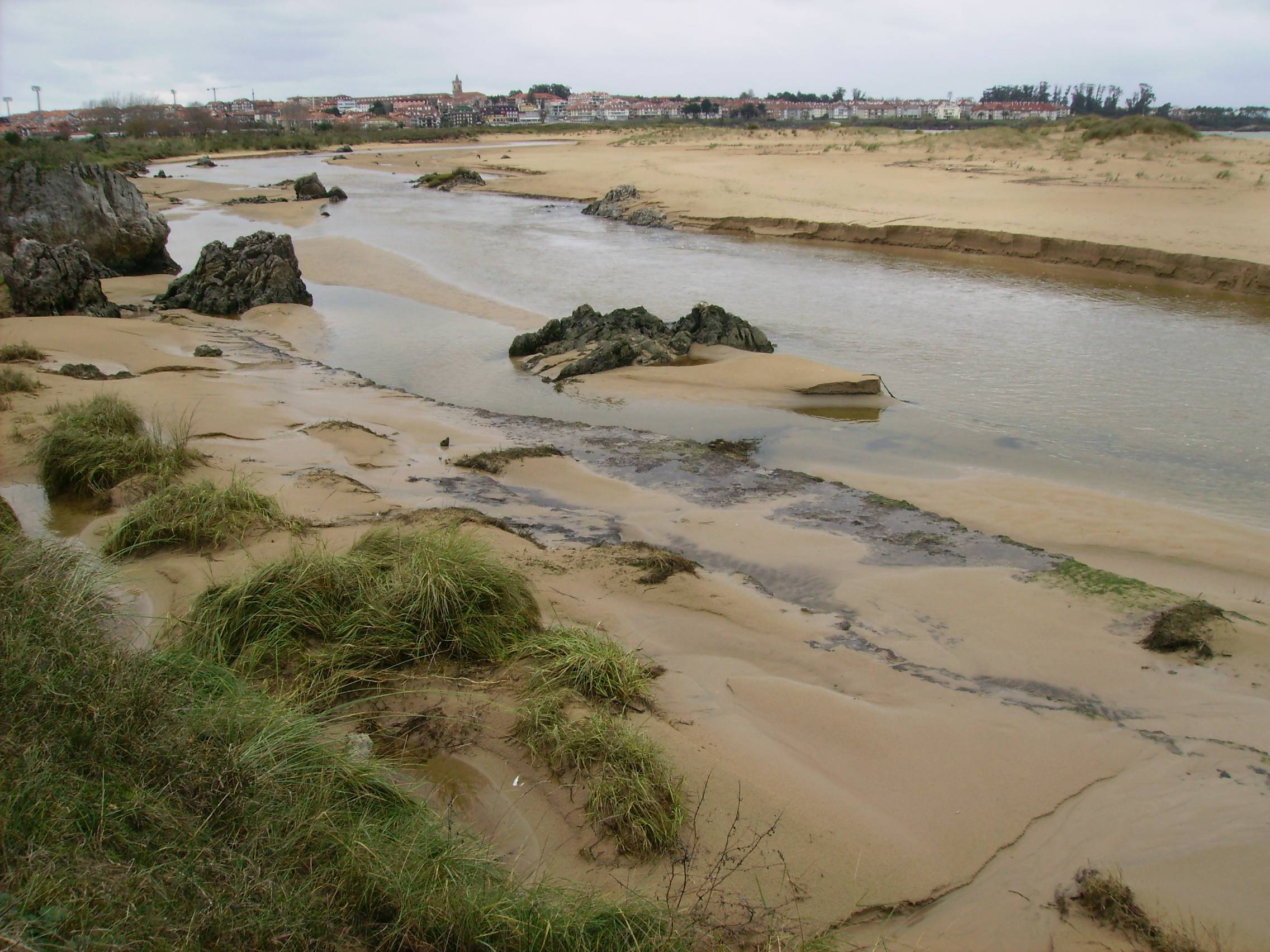
    Estuary of Victoria lagoon and, in the back, the settlement of Noja.

    The activities planned within the project (closing the dunes with wood posts and marine rope, eradicating invasive species and planting dune vegetation as main activities) are relevant to maintain the structure and dynamic of the dune system of Helgueras beach. During the presentation, the mayor expressed his interest in reading detailed information about the beach.

    During the meeting, we talked about the car park problem on Noja’s beaches. We talked about carrying out an activity to mark off an area visitors currently use to park and talked about possible solutions for the municipality during the summer. These potential activities need to be evaluated and studied.

    We also talked about the importance of ensuring dune structure maintenance in an area of the Helgueras dunes that shows signs of erosion. We focused on the importance of mechanical cleaning with a tractor (responsibility of the Council of Noja) on Helgueras and Ris beaches with enough distance from the front of the dune systems to ensure their conservation.

    Mayor Miguel Ángel Ruiz set up a new meeting to talk about different aspects of this Natural Protected Area after summer.