Etiqueta: Cantabria

  • Ice plant extraction on Helgueras beach (Noja, Cantabria) and training with the AMICA, SERCA and AMPROS teams

    Ice plant extraction on Helgueras beach (Noja, Cantabria) and training with the AMICA, SERCA and AMPROS teams

    On 9 May 2019 we participated in a new volunteer and training day in coordination with the LIFE ARCOS Project, from the Directorate-General of Natural Environment of the Regional Ministry of Rural Affairs, Fisheries and Food of the Government of Cantabria.

    The activity started at the frontal dune of Helgueras beach in Noja with the AMICA, SERCA and AMPROS teams, who had been hired on other occasions for a number of manual control projects to eradicate invasive species on the Cantabrian coast. We plan to work with them again on future activities of this type.

    Natural park director, Lourdes González, gave participants a brief introduction on the importance of dune ecosystems and their protective function against winter storms, the distribution of dune species in areas of vegetation and how they are affected by invasive exotic species. 

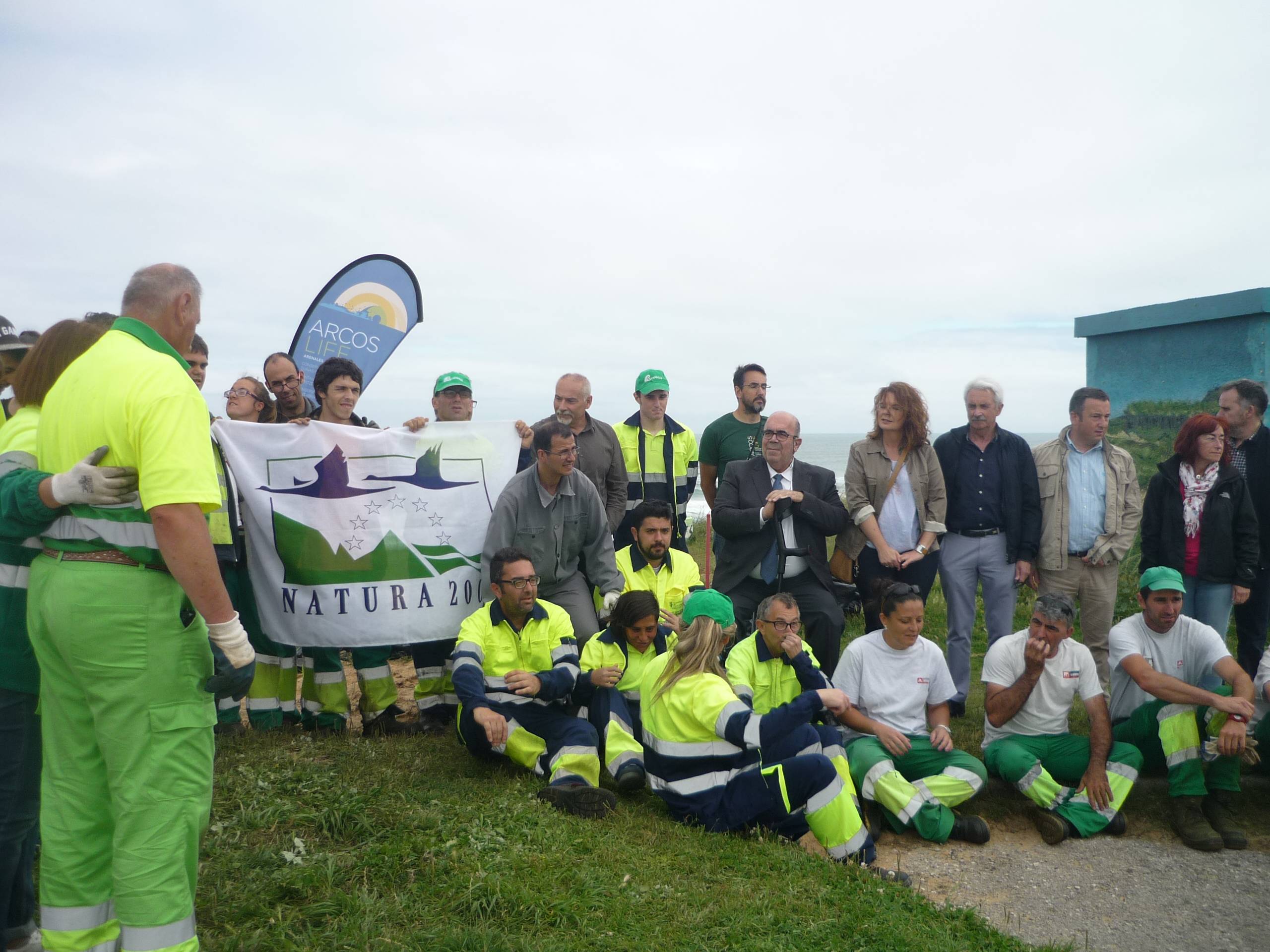
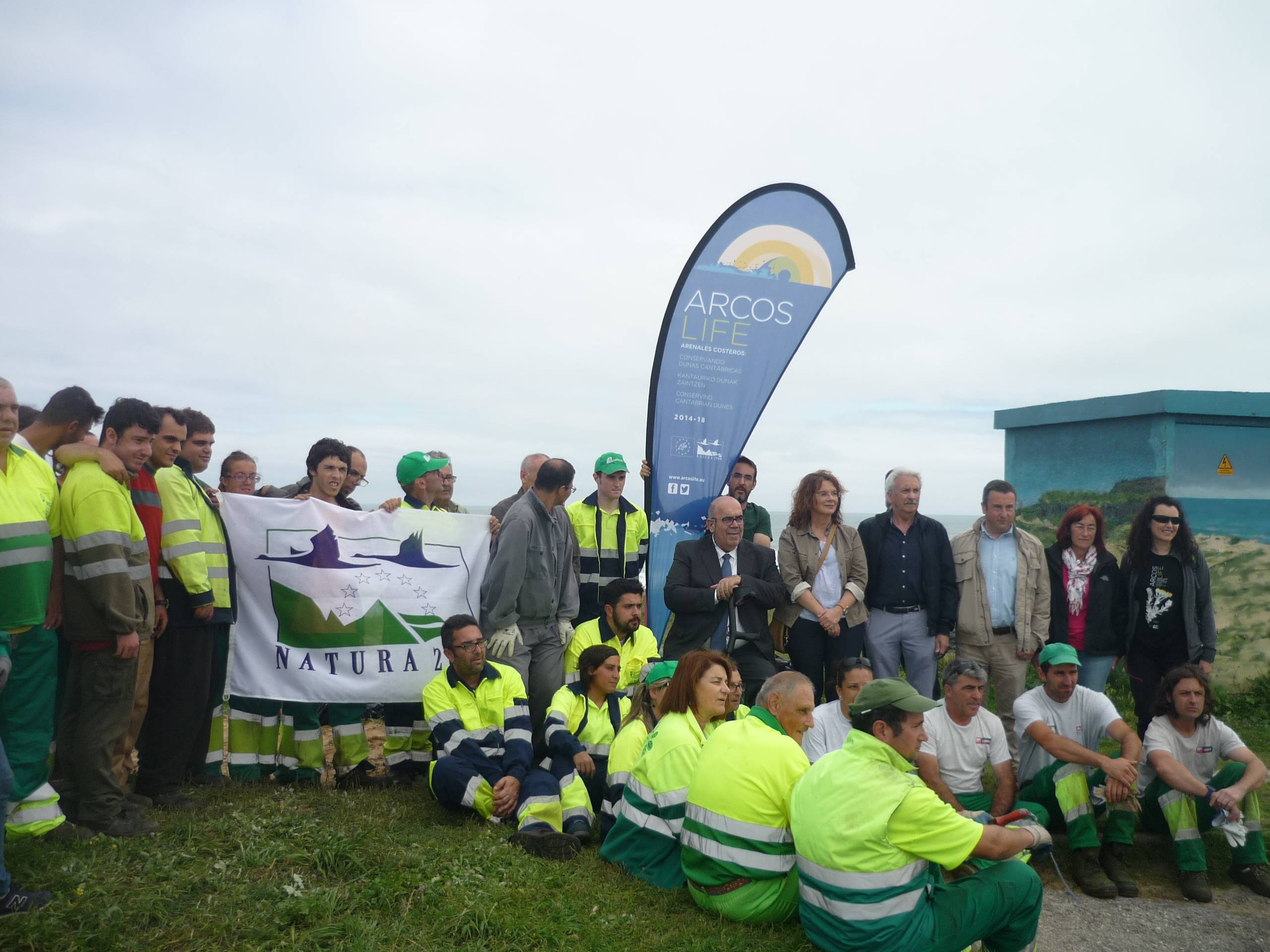
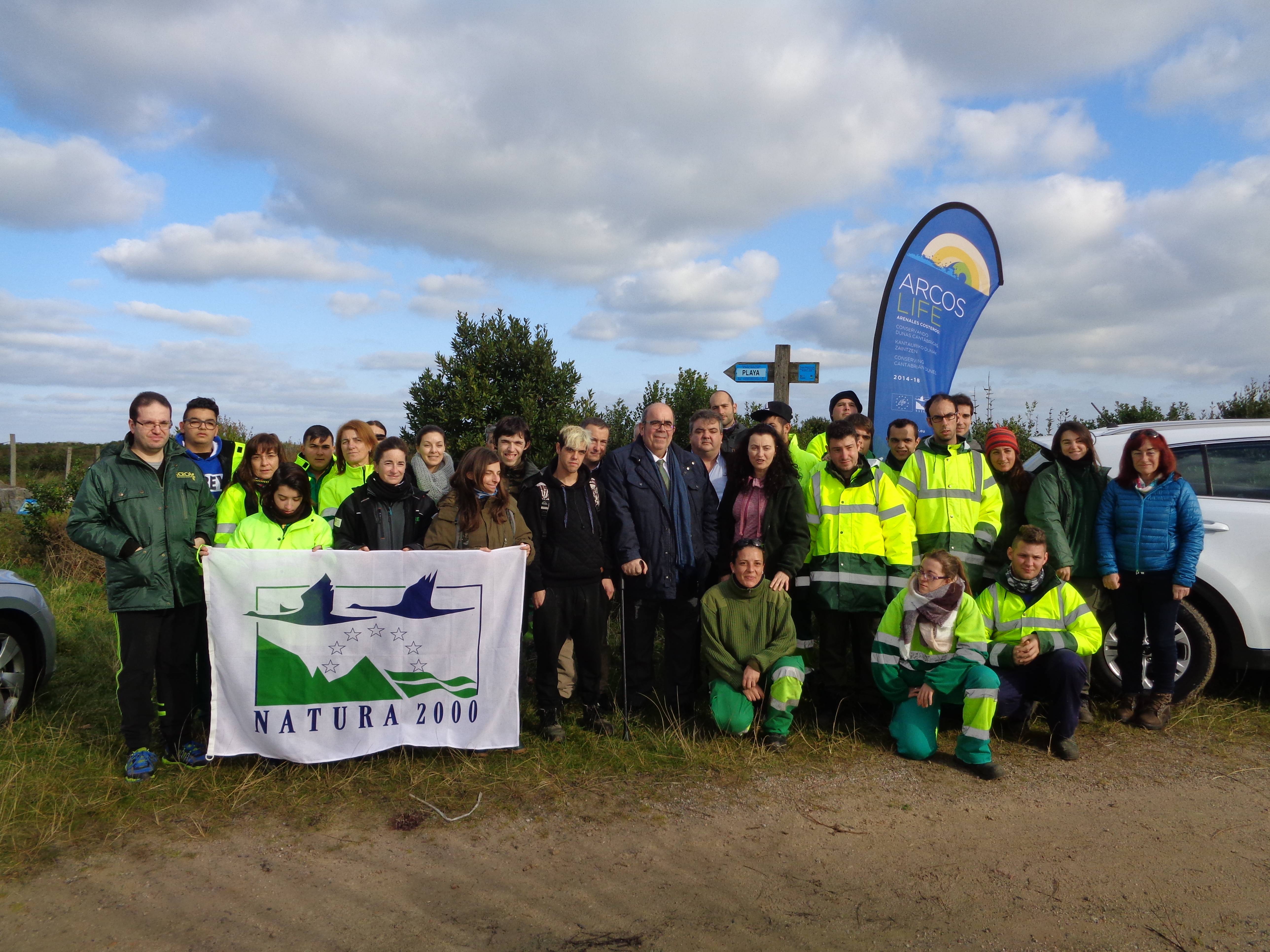
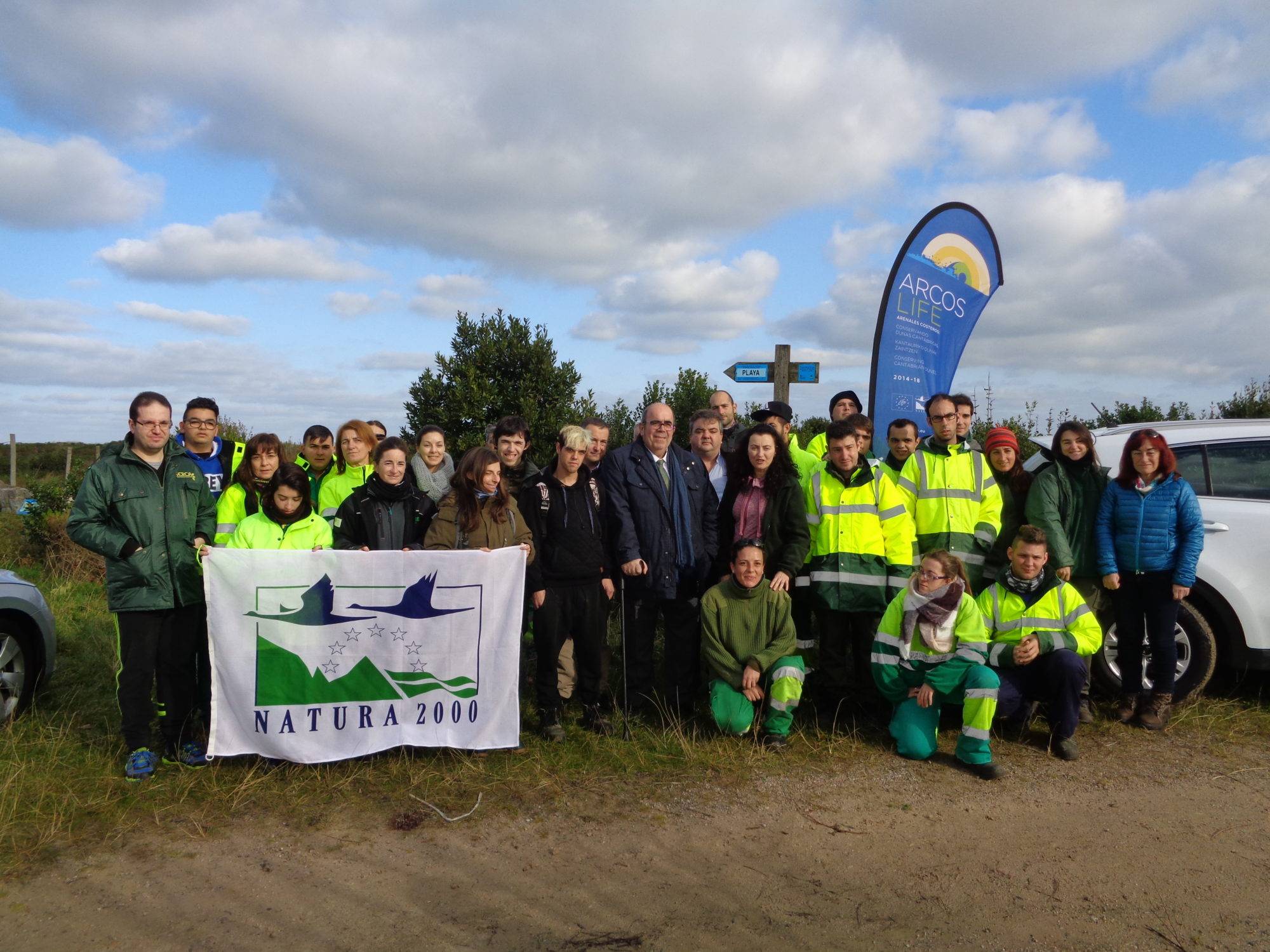
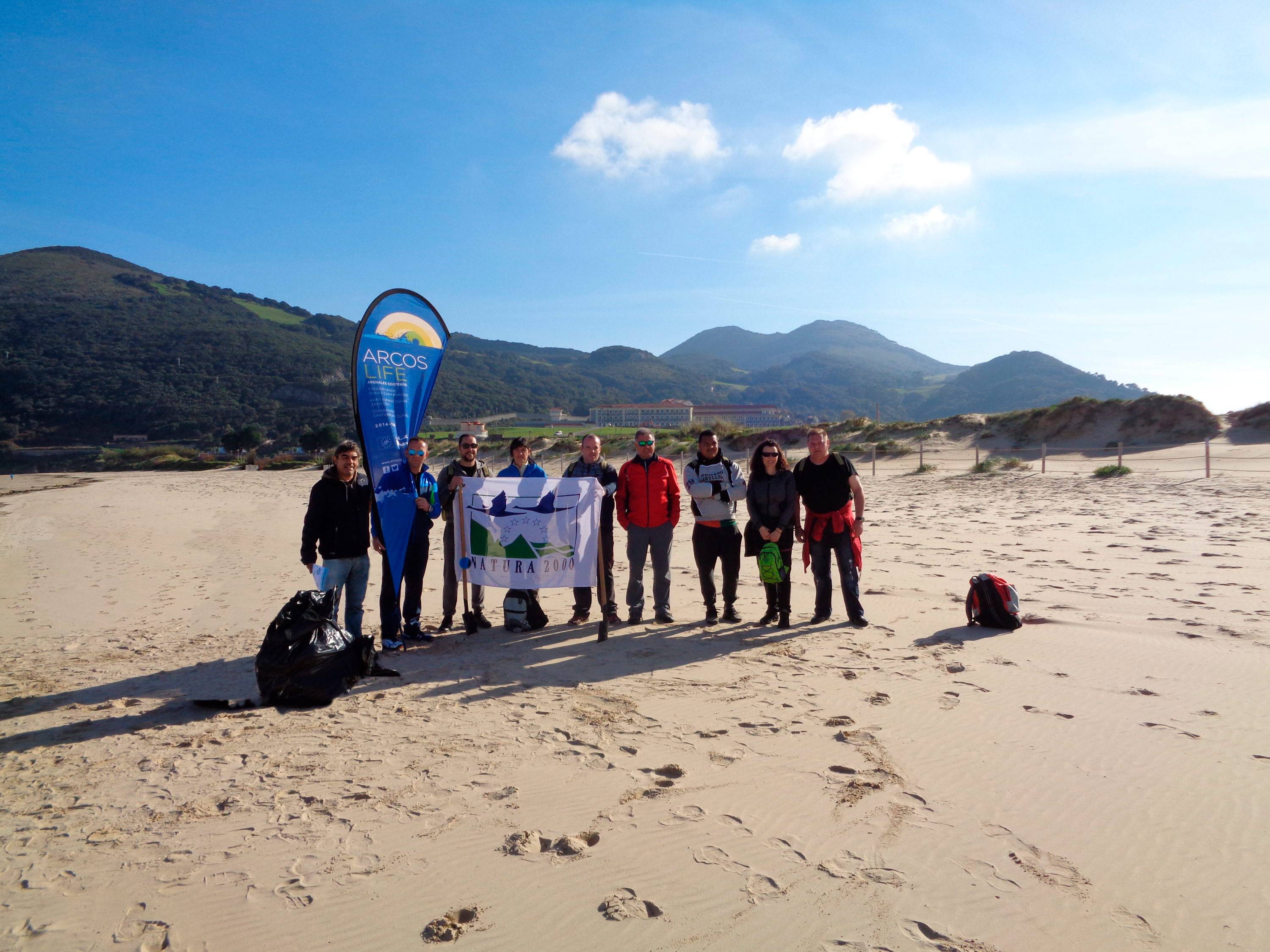
    Photo of the AMICA volunteer team before the NACAR activity began on Helgueras beach.

    Once the activity started, we found different invasive exotic species and learned how to differentiate and identify garden nasturtium (Tropaeolum majus), common evening primrose (Oenothera glazioviana), horseweed (Coniza canadensis), Senecio mikanioidesSenecio angulatus, cape weed (Arctotheca caléndula) and ice plant (Carpobrotus edulis). We observed their distinct radicular systems and the way they grow and disperse in order to learn how to treat them in the soil.

    Environmental Technicians from the Council of Noja stopped by to visit the activity, just as they have done during previous activities on the municipality’s beaches. They kindly helped us with everything we needed. We are thankful for their support and involvement in the activity in Noja.

    During our work, we were able to observe dune vegetation and explain its distribution in dune systems. The day was successful, as we extracted around 3,000 kg of ice plant and some rubbish. Great teamwork was essential to the day, everyone supported each other and enjoyed spending the day outdoors.

    Extraction of ice plant from Helgueras dunes

    Finally, the Cantabrian Network for Rural Development collected all the plants and rubbish for their management.

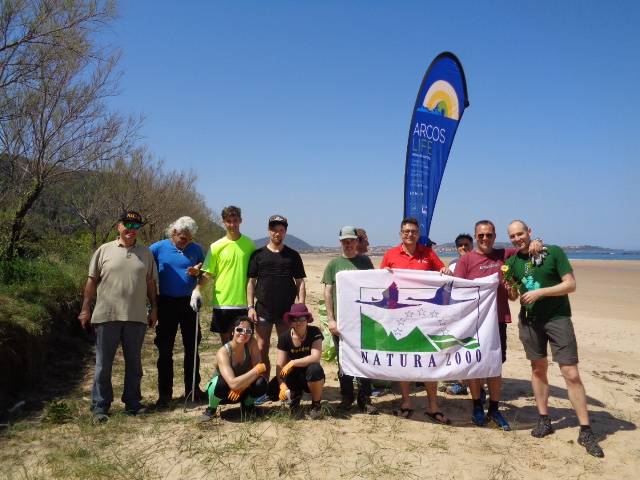
    Photo before extracting ice plant from the frontal dune of Helgueras beach
    Photo after ice plant extraction from the frontal dune of Helgueras beach

    Participants were given a ceramic souvenir with the LIFE ARCOS logo on it. The gift was made by hand by NACAR (Nature and Prison) Ceramic Workshop participants.

    SERCA and AMPROS team participants

    The Directorate-General of Natural Environment would like to thank the volunteer teams (AMICA, SERCA and AMPROS), the Cantabrian Network for Rural Development (RCDR) and the Natural Environment Agency participants for all their hard work. They would also like to thank everyone for playing their part in the extraordinary conservation and restoration work carried out in Cantabrian dune systems.

  • Controlling ice plant on the Helgueras beach (Noja, Cantabria) within the NACAR programme and volunteering

    Controlling ice plant on the Helgueras beach (Noja, Cantabria) within the NACAR programme and volunteering

    Controlling ice plant on the Helgueras beach (Noja)

    NACAR Programme (Nature and Prison) and volunteering within the LIFE ARCOS Project

    On 21st November, a new volunteering day was held in association with the NACAR Programme (Nature and Prison) to eliminate invasive flora within the activities of the LIFE ARCOS Project, coordinated in Cantabria by the Directorate General of the Environment of the Government of Cantabria Natural Environmental, Fisheries and Food Department.

    Work was carried out on the Helgueras beach dunes (Noja) with the participation of inmates and workers from the El Dueso Penitentiary Centre, support from the Cantabrian Rural Development Network team, technical staff from the Government of Cantabria Directorate General of the Environment, and logistical support from the Noja Council.

    Before starting, participants took a short walk from the Berria beach (Santoña), across the El Brusco mountain towards the Helgueras beach. This route was the ideal introduction to the day, revealing how dune systems work and how important they are, giving participants a first-hand insight into the dune restoration actions carried out on the Berria and Helgueras beaches within the LIFE ARCOS Project, some performed in collaboration with the NACAR programme.


    Introduction to the day on the Berria beach

    The main part of the activity consisted in eliminating various patches of ice plant (Carpobrotus edulis) found on the Helgueras dune system, a demanding job given that it is a particularly complex species to remove. In just a few hours of work, around 1500 kg of ice plant were removed, taken off the beach by teams from the Noja Council to be managed by the Cantabrian Rural Development Network.

    The team removing ice plant from the Helgueras beach (Noja)

    Despite their work mainly focusing on the ice plant, both during the route between the beaches and throughout their activities, participants also collected a large amount of non-biodegradable waste, mainly plastics.

    Work group with some of the bags of extracted ice plant

    Once again, we greatly appreciate the collaboration of all those involved in the NACAR programme for their work within the LIFE ARCOS European Project, which has already been the architect of numerous activities to support the conservation of Protected Natural Spaces. We should keep in mind that these activities are undertaken on the Santoña, Victoria and Joyel Marshes Natural Park dune systems, also protected as Special Conservation Areas; SCA Santoña, Victoria and Joyel Marshes; Special Protection Areas for Birds; SPAB Santoña, Victoria and Joyel Marshes; and Ajo Estuary and the Santoña Marshes Wetlands of International Importance.

    During the activity, participants were visited by representatives from the Noja Council environment department, who via the Councillor for the Environment, Health and Spatial Planning, and the Environmental Officer, wished to thank participants for the work undertaken in the pursuit of conserving the dune system.

    Finally, and with the hope that this programme may continue, the Directorate General of the Environment thanked the people and bodies that participated in the activity for their collaboration and the chance to keep working and learning together.

  • Controlling invasive species in Liencres Natural Park (Piélagos) to celebrate Natura 2000 day

    Controlling invasive species in Liencres Natural Park (Piélagos) to celebrate Natura 2000 day

    The companies AMICA, AMPROS and SERCA received training and volunteered for the LIFE ARCOS project.

    We celebrated World Environment Day on 18 June 2018 with a volunteer and training event on invasive flora with the LIFE ARCOS Project from the Directorate-General of Natural Environment of the Regional Ministry of Rural Affairs, Fisheries and Food of the Government of Cantabria.

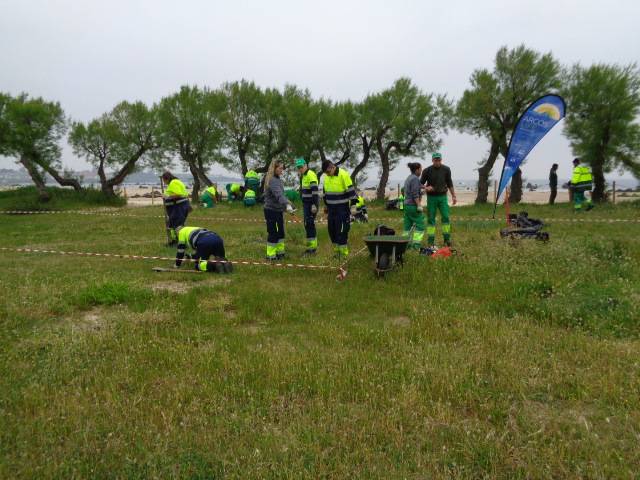
    On this day, the Cantabrian companies AMICAAMPROS and SERCA got to work to control the cape weeds and horseweed on Canllave Beach (Natural Park of Liencres).  After listening to a brief speech from the natural park director, Jesús Varas, the three teams from AMICA, AMPROS and SERCA got to work.  27 people worked within plots marked with temporary plastic tape. They collected approximately 390 kg of cape weeds (Arctotheca calendula) and 25 kg of horseweed (Conyza candensis).  The participants learned to distinguish the characteristics of the cape weeds among other well-preserved and blooming dune plant species such as the sea potato, sea beet, Virginia stock, shore bindweed, European searocket, petty spurge, etc.


    Teams from AMICA, AMPROS and SERCA working in Canallave. Group photo with the Regional Minister for Rural Affairs, Fisheries and Food.

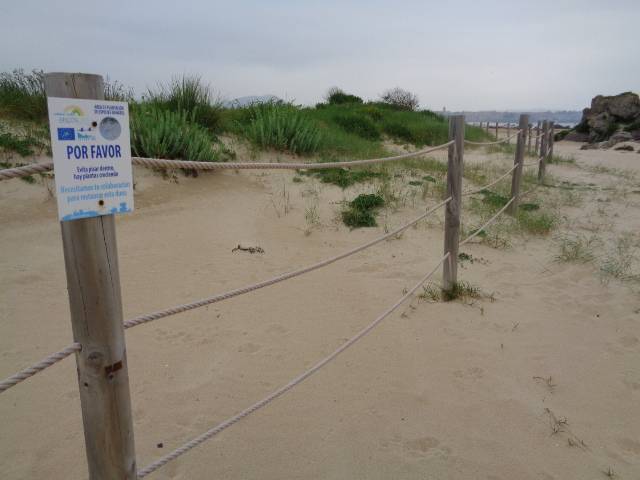
    The work area included dunes where restricted access favored their recovery and the regeneration of dune vegetation.

    Although the area was quite clean, volunteers also collected some non-biodegradable bags.

    Finally, the Cantabrian Network for Rural Development collected all the plants and garbage.

    Participants received commemorative informational t-shirts from LIFE ARCOS.

    The Directorate-General of Natural Environment would like to thank volunteers for their participation. Everyone learned something new about the environment and played their part in restoring vulnerable ecosystems: the dune systems of Cantabria.

    Download the activity announcement here

  • Chronicle #2: Celebrating Natura 2000 day. Removing capeweed plants from Helgueras (Noja)

    Chronicle #2: Celebrating Natura 2000 day. Removing capeweed plants from Helgueras (Noja)

    The companies AMICA, AMPROS and SERCA received training and volunteered for the LIFE ARCOS project

    We celebrated European Natura 2000 Network day on 18 May 2018 with a new volunteer and training event on invasive flora with the LIFE ARCOS Project from the Directorate-General of Natural Environment of the Regional Ministry of Rural Affairs, Fisheries and Food of the Government of Cantabria.

    On this occasion, the Cantabrian companies AMICA, AMPROS and SERCA worked to control the cape weeds that was starting to bloom in the tertiary dunes of the Helgueras beach dune system in Noja (within the Santoña, Victoria and Joyel Marshes Natural Park).  After listening to a brief speech from the natural park director, Lourdes González, the three teams from AMICA, AMPROS and SERCA got to work.  30 people worked within plots marked with temporary plastic tape. They collected approximately 300 kg of cape weeds (Arctotheca calendula), and 10 kg of ice plant (Carpobrotus edulis) was also found.  The participants learned to distinguish the characteristics of the cape weeds among other well-preserved and blooming dune plant species such as the sea potato, sea beet, Virginia stock, shore bindweed, European searocket, petty spurge, etc.

    The work area included dunes closed years ago to regenerate dune vegetation at Helgueras beach.


    Closed dunes of the LIFE ARCOS project

    Although the area was quite clean, volunteers also collected 2 kg of non-biodegradable bags. 

    The day concluded with a visit from the Mayor of Noja, Miguel Ángel Ruiz, the city councillor of the environment, Javier Martín, and two environmental technicians from the City Hall of Noja, Silvia Ochoa y Ludovico de Vega, who visited the volunteer area.

    Finally, the Cantabrian Network for Rural Development collected all the plants and garbage.

    Participants received a commemorative LIFE ARCOS ceramic glass made in a Ceramics Workshop at the El Dueso Penitentiary in its NACAR program (Nature and Prison).

    The Directorate-General of Natural Environment would like to thank volunteers for their participation. Everyone learned something new about the environment and played their part in restoring vulnerable ecosystems: the dune systems of Cantabria.


    Teams from AMICA, AMPROS and SERCA working at Helgueras beach (Noja)
  • Chronicle #1: Celebrating Natura 2000 day. Removing capeweed plants from Berria (Santoña)

    Chronicle #1: Celebrating Natura 2000 day. Removing capeweed plants from Berria (Santoña)

    Volunteering for the NACAR (Nature and Prison) program in the LIFE ARCOS project

    We celebrated European Natura 2000 Network day on 17 May 2018, with a new volunteer event with the Nature and Prison program (NACAR) in coordination with the LIFE ARCOS Project from the Directorate-General of Natural Environment of the Regional Ministry of Rural Affairs, Fisheries and Food of the Government of Cantabria.

    The activity started at the tertiary dune of Berria beach’s dune system.

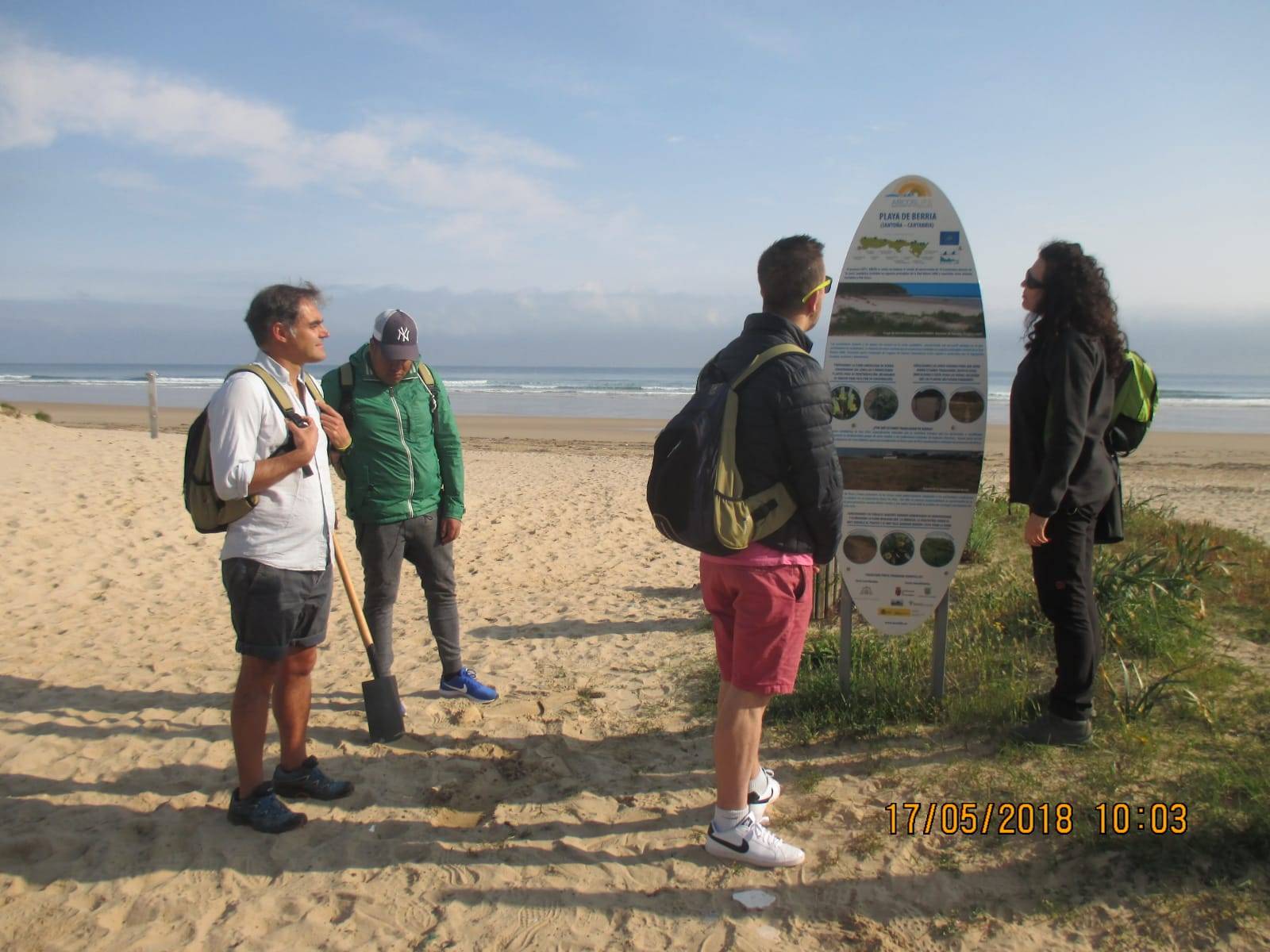
    Natural park director, Lourdes González, briefly introduced the LIFE ARCOS project, the NATURA 2000 NETWORK, the importance of dune ecosystems and how they protect themselves from winter storms, the distribution of dune species in areas and how they are affected by invasive exotic species.  The LIFE ARCOS sign at Berria beached was used to answer attendees’ questions.

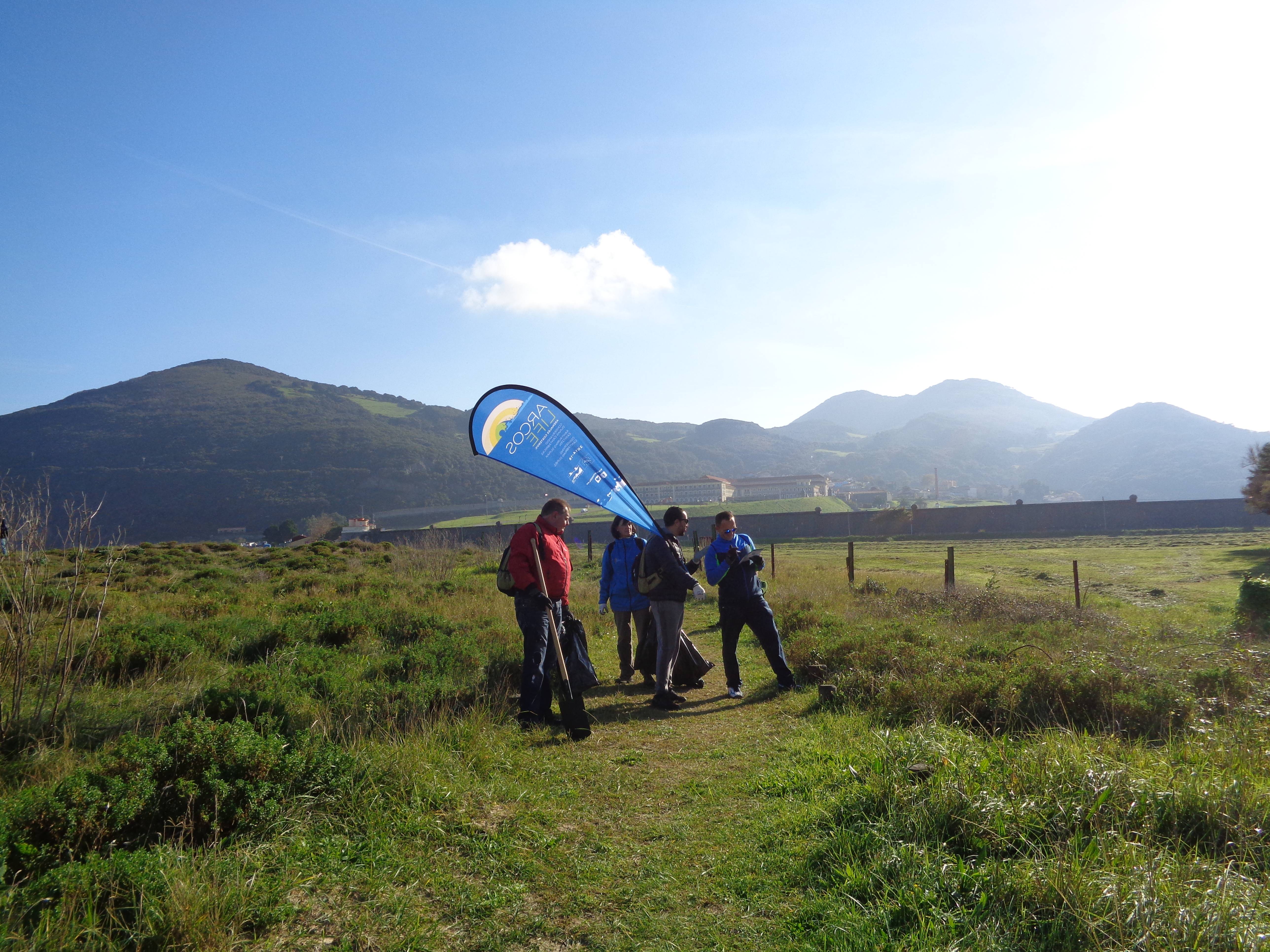
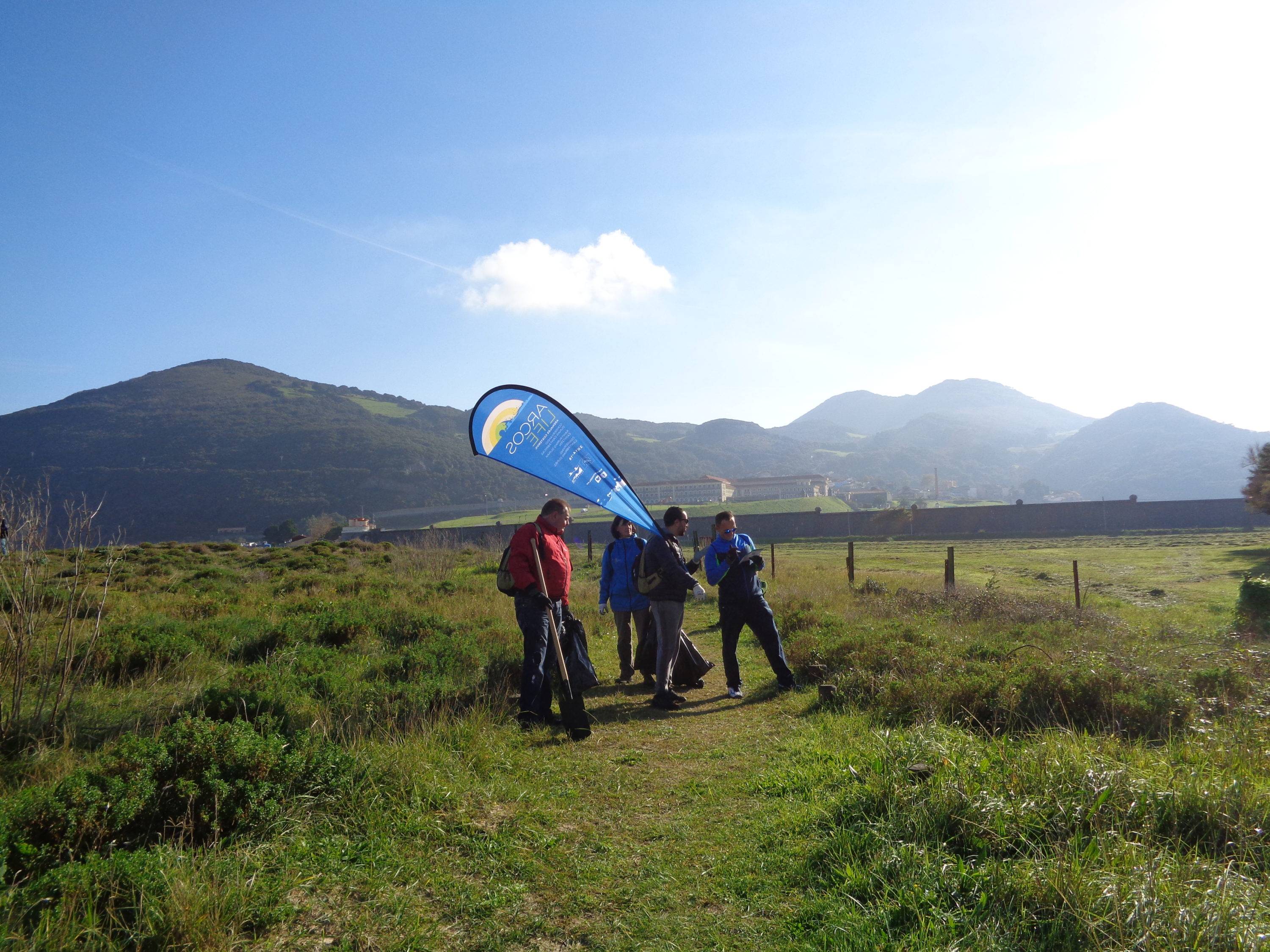
    Beginning of the NACAR volunteer activity at Berria beach

    The team got to work after listening to an explanation on how to recognize the cape weeds and how to extract it.  The invasive exotic species was everywhere around the boardwalk parallel to the beach. Volunteers focused on this area.

    They collected around 130 kg of cape weeds (Arctotheca calendula) and 1 kg of non-biodegradable garbage.  The participants learned to distinguish the characteristics of the cape weeds among other well-preserved and blooming dune plant species such as the sea potato, sea beet, Virginia stock, sea daffodil, bindweed, houseleeks, petty spurge, etc.

    During break and in the work area, we explained why the dunes were closed by the LIFE ARCOS project. José Luís Tejerina from Demarcation of Coasts in Cantabria visited the site and assessed the work being done.

    Extraction of cape weeds from the Berria dunes

    Finally, the Cantabrian Network for Rural Development collected all the plants and garbage.

    The participants received a commemorative LIFE ARCOS t-shirt.

    The Directorate-General of Natural Environment thanked NACAR for participating to conserve and restore the dunes of Cantabria’s beaches.

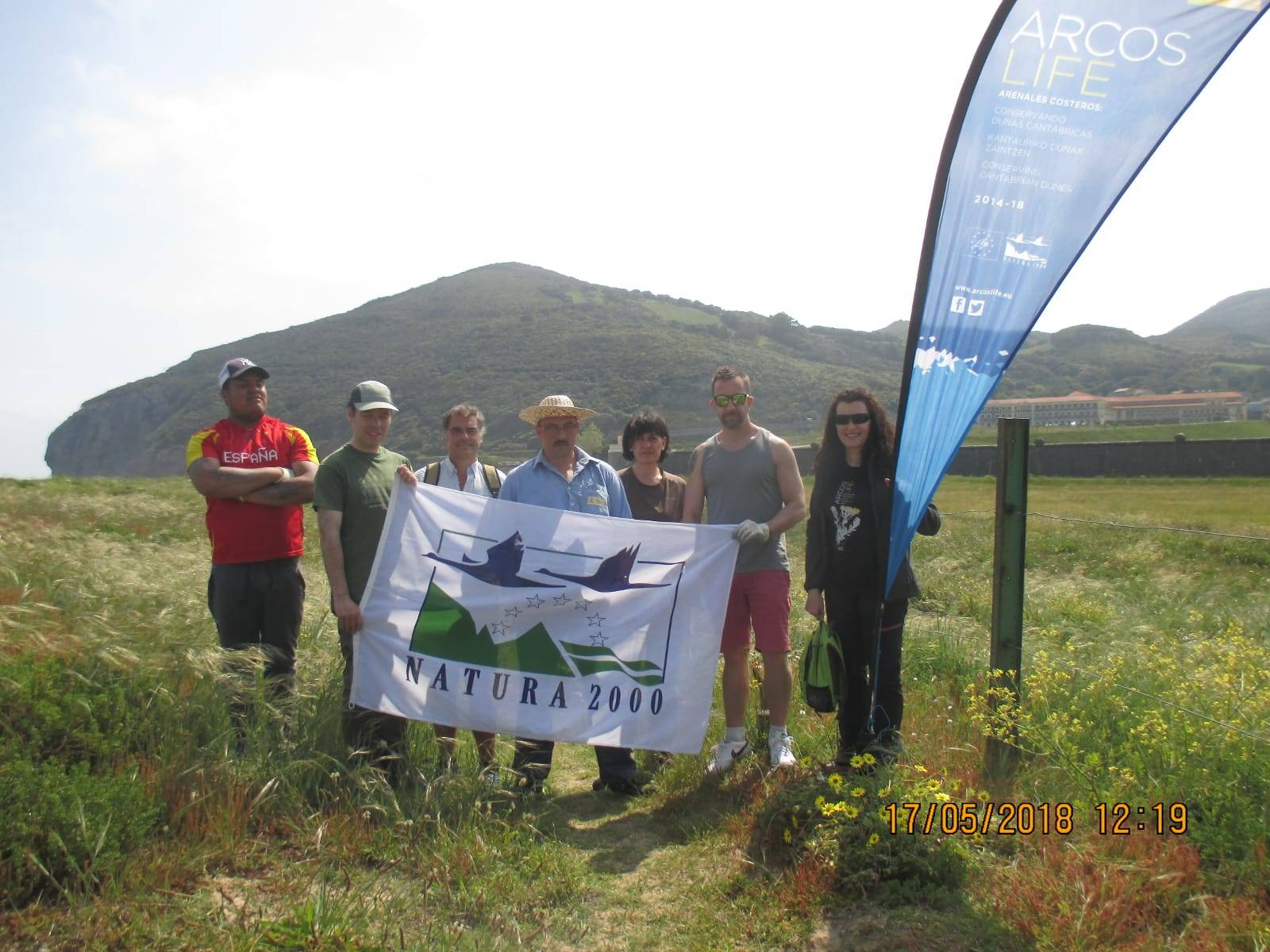
    NACAR team on Berria beach (Santoña)
  • Removing ice plant, an invasive species, from Playa de Helgueras (Noja, Cantabria)

    Removing ice plant, an invasive species, from Playa de Helgueras (Noja, Cantabria)

    Volunteering for the NACAR (Nature and Prison) programme in the LIFE ARCOS project

    A new NACAR (Nature and Prison) programme volunteer event took place on 19 April 2018, in coordination with the LIFE ARCOS project from the Directorate-General of Natural Environment of the Regional Ministry of the Rural Affairs, Fisheries and Food of the Government of Cantabria. The goal of the event was to remove invasive flora.

    Collaboration between the NACAR programme and the European LIFE ARCOS programme has brought about various activities, mainly in the dune systems of the Natural Park Marshes of Santoña, Victoria and Joyel (which are also protected as a Special Area of Conservation), SAC Santoña, Victoria and Joyel Marshes (Special Protection Area for Birds), SPAB Santoña, Victoria and Joyel Marshes, Ajo Estuary, and Marshes of Santoña (Wetlands of International Importance).

    This time, we worked on the Helgueras beach (Noja) dunes with the participation of inmates and civil servants from the El Dueso Penitentiary. We also had the support of the Cantabrian Network for Rural Development team (and two foreign students interns) and technical personnel of the Directorate-General of Natural Environment of the Government of Cantabria. The Council of Noja provided logistical support.

    The day started with a brief introduction at Berria beach (Santoña), where we explained the importance of dune systems. From there, we made our way towards Noja. On the way, we walked through the El Brusco hill. From different viewpoints, we explained the positive impact the LIFE ARCOS dune restoration project has had on Berria beach over the last few years (some of which was with the NACAR project). Likewise, when passing through the Cantabrian oak-tree forest, we talked about some of its characteristics and referenced the positive effect El Dueso Penitentiary inmates’ work has had there.

    Walk from Berria beach to El Brusco (Santoña)

    Once we passed El Brusco and reached Helgueras (Noja) beach, we started the main activity of the day: extracting ice plant (Carpobrotus edulis). After a few hours of meticulous work—keeping in mind the importance of extracting every single remain of the extracted plants to prevent their return—we eradicated approximately 1,100 kg of ice plant. The Council of Noja team helped us load and dispose of the ice plant at the Cantabrian Network for Rural Development collection point.

    The team extracting ice plant at Helgueras beach (Noja)

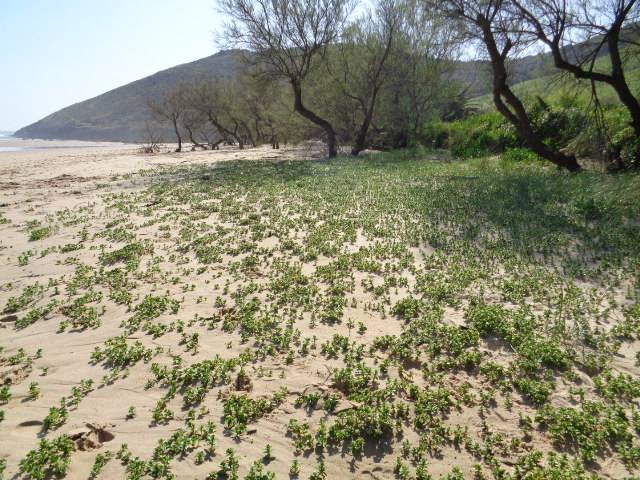
    We also collected various bags full of non-biodegradable garbage and planted sea daffodil (Pancratium maritimum) seeds to control the resurgence of ice plant collected.  We expect this effort to reinforce the natural colonization of dune species in the area, which should be rich in Honckenya peploides community species, but is increasingly scarce on the Cantabrian coast.

    Honckenya peploides community on Helgueras beach (Noja)

    We hope that this programme continues to grow and move forward. We would like to thank the Directorate-General of Natural Environment and everyone who worked on this opportunity to continue working and learning together.

    Work team at Helgueras beach (Noja)
  • Somo dunes (Cantabria) exhibits a good conservation status after several years of conservation actions developed by Life+ARCOS

    Somo dunes (Cantabria) exhibits a good conservation status after several years of conservation actions developed by Life+ARCOS

    The Life+ARCOS project is currently working on three Cantabrian dune spaces, with the one located within the SAC Puntal Dunes and Miera Estuary giving the best results in terms of restoration.

    After the storms in 2014 that completely destroyed the dune barrier in this setting, the Directorate General of Sustainability of the Coast and the Sea performed dredging actions, enabling part of the displaced sediment to be recovered. This action was followed by others, already within the Life+ARCOS project, which have led to a recovery of the plant cover both on the white and grey dune.

    Added to these actions are others of an outreach, dissemination and protection nature, and support for capturing sand, which along with the major works undertaken to eliminate invasive exotic species from the space, offer an optimistic outlook on the future of this dune system.

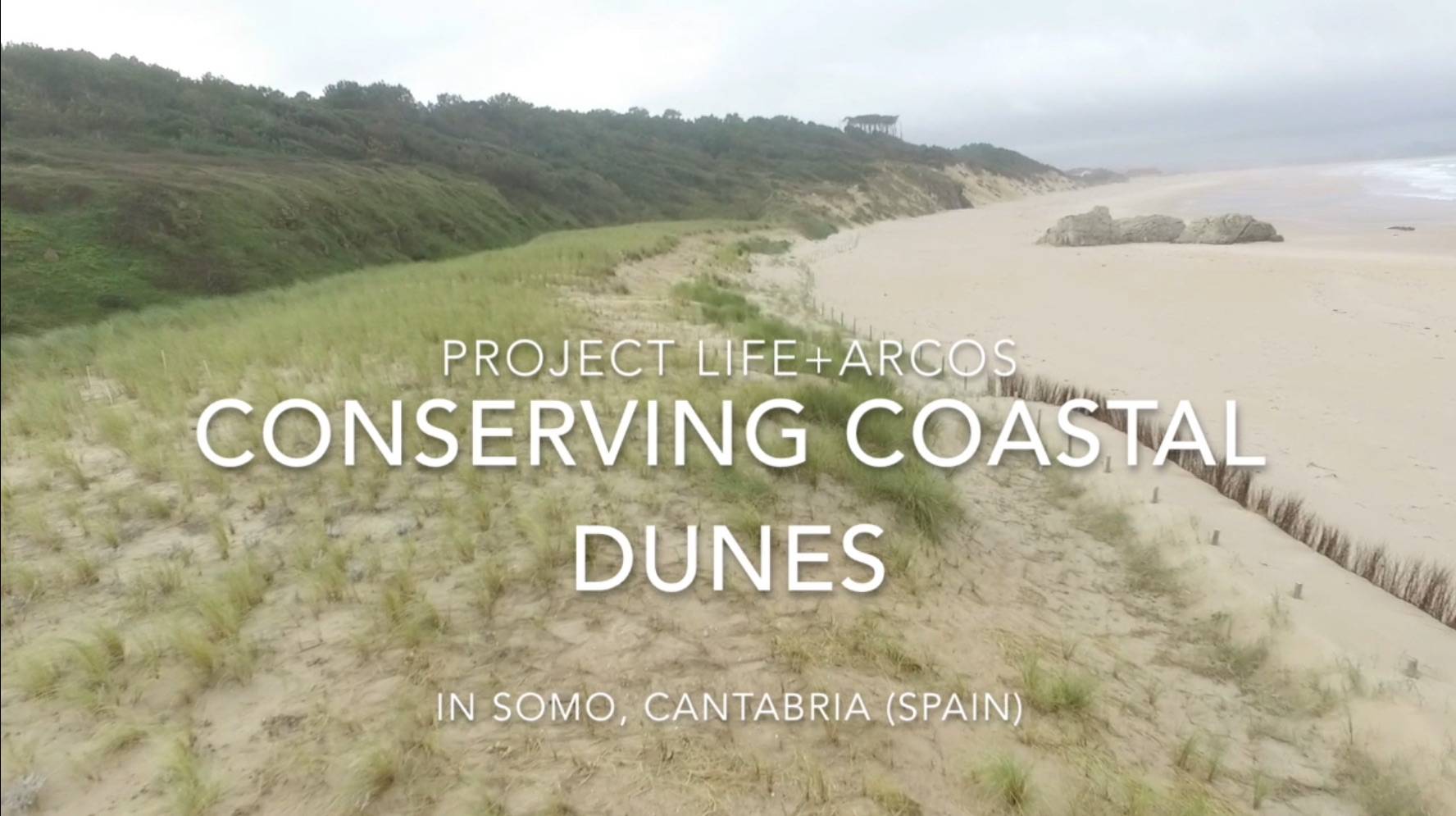
    The following video reveals the current state of the Somo dune system in Cantabria, just a few years from finishing the project.

    We hope you enjoy it!


  • Life+ARCOS closes 2017 with a new volunteers action in Cantabria conducted by AMICA-SAEMA, AMPROS and SERCA

    Life+ARCOS closes 2017 with a new volunteers action in Cantabria conducted by AMICA-SAEMA, AMPROS and SERCA

    On 20th December 2017 a new volunteering day was held, with participants from the AMICA-SAEMA, AMPROS and SERCA groups, closing the annual LIFE Arcos project activity in Cantabria.  

    The activity took place on the Helgueras-Trengandín beach dune system in Noja.  The area chosen for the activity had undergone work on previous occasions, and the effectiveness of the actions carried out over the past years to control invasive species within the LIFE Arcos project were evident. 

    Before starting, the Director of the Santoña, Victoria and Joyel Marshes Natural Park gave the groups a brief introduction about the invasive exotic flora and the importance of eliminating them so as to ensure the conservation of the natural habitats of the Cantabrian dune systems.  Particular emphasis was given during this introduction on identifying the plants to be worked on and how best to control them.  The teams performed an “in situ” recognition and training activity of the invasive exotic species, with the added difficulty of the lack of flowers (given the time of year), which would have made them easier to find.
    The good atmosphere and the energy shown in the tasks carried out made for a productive day, meaning that during the morning the teams managed to remove 1 kg of Crocosmia sp., 2 kg of Agave americana, 6 kg of Sedum praealtum, 10 kg of sweet alyssum (Alyssum maritimum), 18 kg of horseweed (Erigeron canadensis), and 18 kg of evening primrose (Oenothera sp.), totalling 55 kg of invasive plants in an area of approximately 4,000 m2, as well as 3 kg of rubbish.

    Agave Americana specimen (invasive species) before being removed by the participants in this volunteering action.

    The day was also supported at all times by the Technician Assistant of the Environment of the area belonging to the nursery, as well as staff from the Cantabrian Rural Development Network and two trainee technicians from the Government of Cantabria Directorate General of the Environment

    At the end of the morning, and to close the activity, participants were greeted by various regional and municipal authorities, with the Councillor for the Environment, Fisheries and Food, the Mayor, and the technical manager of the Noja Council Environmental Department, all visiting the work area in person.  They all concurred that perseverance in

    these tasks was of the utmost importance, and were able to thank the participants for their involvement first hand.

    This way, and with the aim of continuing with collaborations between bodies to implement these tasks to control invasive exotic species, the 2017 LIFE Arcos activities in Cantabria were brought to a close.   It only remains to reiterate the thanks from the Directorate General of the Environment of the Government of Cantabria to all the people and organisations taking part for their interest and good work.

    The participating work team is greeted by the Councillor for the Environment, Fisheries and Food, the Mayor and the technical manager from the Noja Council Environmental Department, among others.
  • The citizen science project «International cleanup of beaches»  finds synergies with Life+ARCOS objectives with the aim of the project NACAR

    The citizen science project «International cleanup of beaches» finds synergies with Life+ARCOS objectives with the aim of the project NACAR

    On 17th November, a new day of volunteering was held, within the framework of the LIFE ARCOS Project for dune restoration and conservation, this time with a new and different approach.

    The project formed part of the NACAR Programme (Nature and Prison), in which inmates from the El Dueso Penitentiary Centre in Santoña are collaborating with the LIFE ARCOS Project on numerous occasions, mainly in the task of removing invasive exotic species, and producing and planting native flora in the dune system in the beaches near the penitentiary centre (Berria beach in Santoña and Helgueras beach in Noja).

    The director of the Santoña, Victoria and Joyel Marshes Natural Park expressed the importance and value of the dune systems and their habitats; this was followed by a presentation given by members from the Asociación Ambiente Europeo (European environment association) (http://ambienteeuropeo.org/) about the citizen science project “International Coastal Cleanup”, its objectives as well as the deeply concerning issue of plastic waste in the world’s seas and oceans. The Berria beach and dune system (Santoña) were the setting for the first activity of this kind in Cantabria, with man-made waste collected using the Ocean Conservancy methodology employed on an international level in over 100 countries and territories.

    Removing waste

    The painstaking work proposed by this methodology consists in detailing the amount of different types of waste found in the study area so as to discover the nature of it, as well as the surprising ordinariness of much of it, to raise awareness among the public and bring about a change in our everyday lifestyle habits. During the morning, waste collection was carried out (some 14.5 kg) on both the 250 m stretch of the dune system, and then along the tide line where the majority of non-biodegradable waste is concentrated, brought in by the tide.

    Along the route followed to collect the waste, some cuttings of crossworts (Crucianella maritima) and seeds from other local dune flora species such as toadflax (linaria) and sea thrift (Armeria maritima) were moved for reproduction in the El Dueso nursery (Gardening Workshop), to be later replanted back on the dunes on nearby beaches.

    Finally, the slips filled out during the waste collection were pooled to verify their characteristics first hand, once again highlighting the great importance that simple actions in our everyday lives can have on marine ecosystems, such as avoiding buying products that have excessive plastic packaging, or choosing not to have fresh foods wrapped in plastic.

    The Directorate General of the Environment from the Government of Cantabria was extremely grateful to the collaborating entities for their involvement in these kinds of tasks, which highlight just how far small gestures go towards producing major results, and that underscore the need for a change in social awareness, particularly in terms of the waste produced by each and every one of us.

  • LIFE+ARCOS will attend the workshop «Nature in the City» hold by the LIFE project «Anillo verde la Bahía de Santander»

    LIFE+ARCOS will attend the workshop «Nature in the City» hold by the LIFE project «Anillo verde la Bahía de Santander»

    The LIFE+ARCOS project will attend the workshop under the motto of “Nature in the City”, and will present various initiatives about managing and restoring the environment. The event will be held in the University of Cantabria Assembly Hall in Santander from 15th to 17th November.

    The director of the Liencres dune Park, Jesús Varas (Directorate General of the Environment, Cantabria) is set to participate in this workshop, organised by the “Green Belt Bay of Santander” project, presenting the LIFE Arcos Project (Coastal sandbanks: conserving Cantabrian dunes) on Thursday 16th November in the University of Cantabria Assembly Hall.

    The conference is framed within block IV: Conserving Natural Heritage. Along with this, the workshop programme also includes a block dedicated to Green Infrastructures, another covering Environmental Education and Public Use and another about Ecosystem Services (see attached programme).

    Link to download the programme

    The congress, organised by the Fundación Naturaleza y Hombre and the University of Cantabria Ecocampus Department, is framed within the LIFE Project “Green Belt Bay of Santander”, which aims to create a network of natural spaces in the bay area.

    USEFUL INFORMATION:

    FREE ENTRY, PRIOR SUBSCRIPTION.
    Aimed at both specialists and the general public.
    Acknowledged with 0.5 ECTS credits from the University of Cantabria.

    MORE INFO:

    goo.gl/nGM7PL

    REGISTRATIONS:

    goo.gl/sy21rB