Etiqueta: Vega Beach

  • Erradication day of invasive plants in Playa de Vega, Ribadesella, Asturias. A great success¡

    Erradication day of invasive plants in Playa de Vega, Ribadesella, Asturias. A great success¡

    Summary of the volunteering day to remove invasive exotic species on the Vega Beach, Ribadesella (Asturias) on 12th November 2016.

    On 12th November 2016, the Life+ARCOS team brought together around 60 volunteers on the Vega Beach to hold an activity day, with the aim of removing invasive exotic species from the dune space in the Vega Beach Special Area of Conservation, in the municipality of Ribadesella (Asturias).
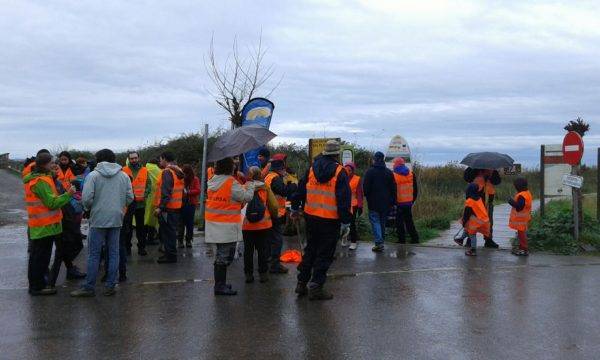
    img_7094
    The first participants approaching the meeting point, before starting the Volunteering day

    The day started off cloudy with the odd drop of rain, but in the end the weather held out and the activity continued until 2 o’clock in the afternoon, when the rain started to fall more heavily.

    After the introduction to the day and the presentation of the target species for removal: Paspalum secundatum (St. Augustine grass), Bidens aurea and various species of the Paspalum genus, the activity attendees were organised into groups, each distributed to different points along the dune system where there were registered patches of invasive species.
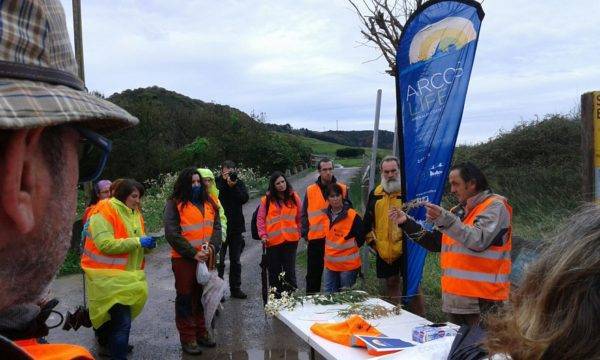
    Momento de presentación de las especies invasoras a eliminar.
    During the presentation of the target invasive species to be removed.

    The participants were provided with jackets and gloves by COGERSA, the company that also set up waste containers on the boundaries of the work areas, where the plant waste could be left and re-used by the company in its composting plants.

    With the help of the weeding tools and rakes, the participants were able to tackle a species that is particularly tricky to remove – St. Augustine grass – whose stolon stems spread along the entire secondary dune system, preventing other dune species from growing normally. The adaptation of this species to being trodden on (it is worth remembering that this invasive species was originally used for lawns), also favour its preponderance against dune species that are native to these environments, but that are less adapted to this kind of threat.
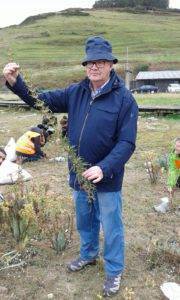
     

    Professor T.E. Díaz showing the stolon stems of the St. Augustine grass.

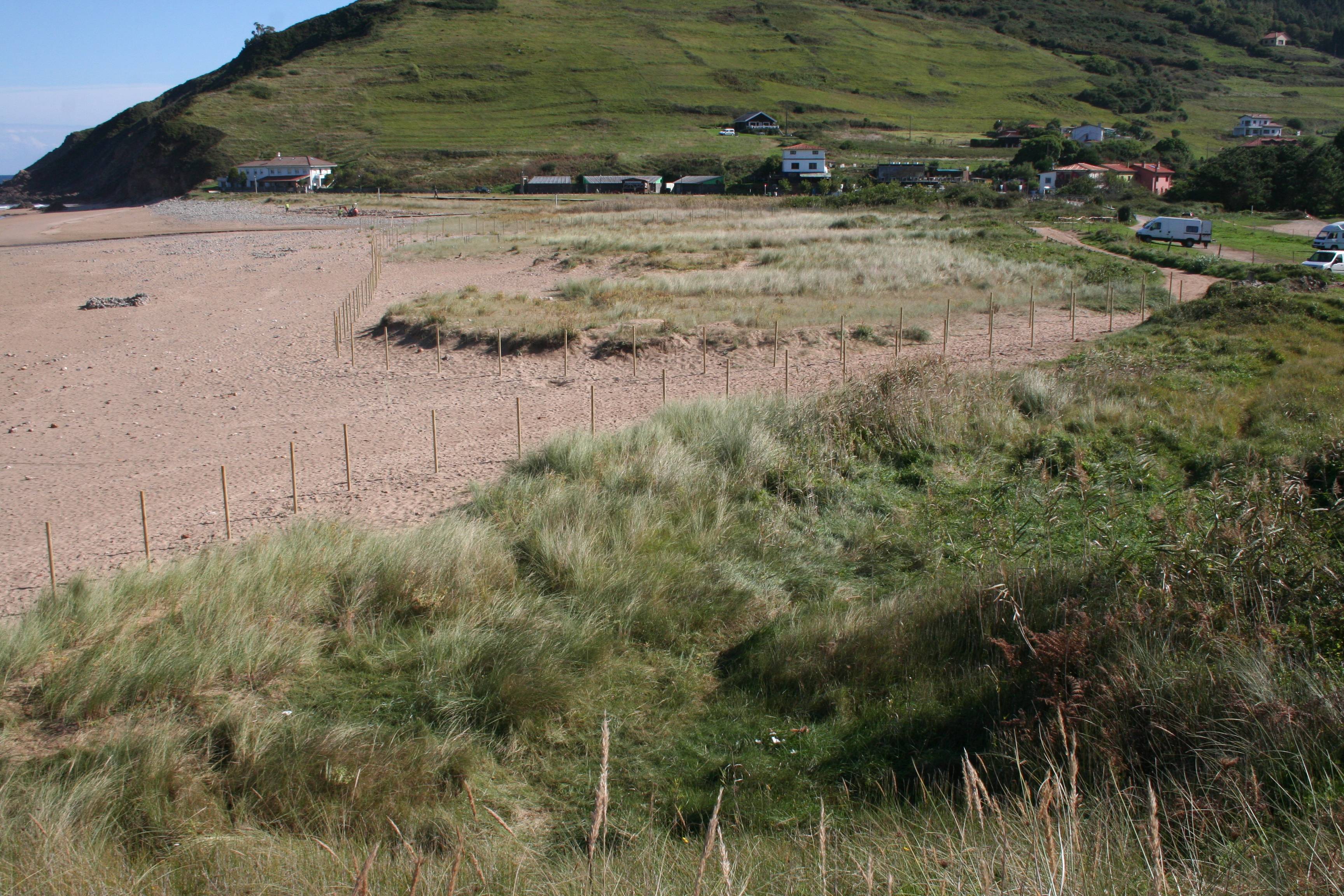
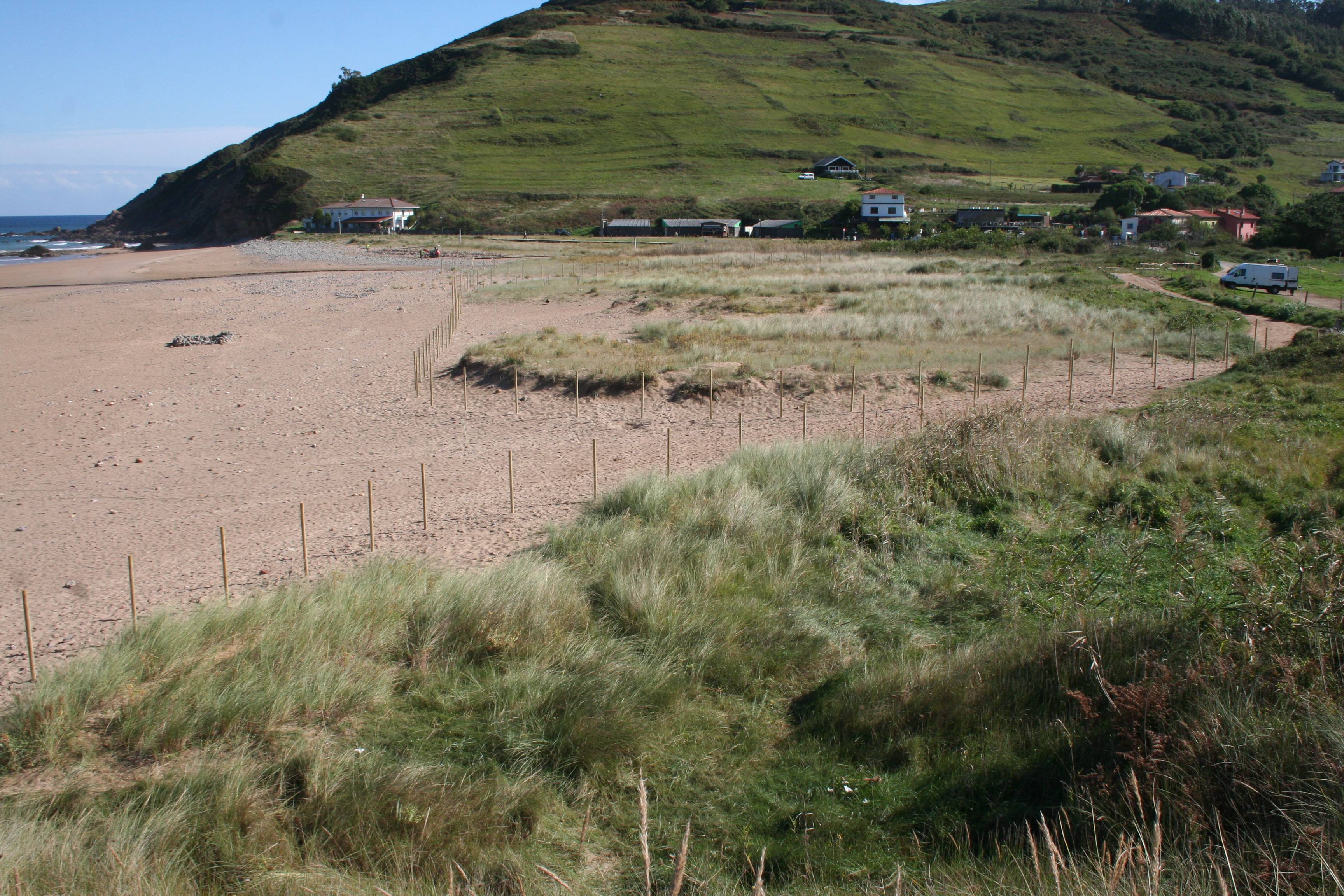
    Precisely to avoid treading on the dune system, participants were able to examine the actions undertaken by the Life+ARCOS project, with the fitting of enclosures that will protect the dune systems during the planting phase of native species in these environments.

    Some attendees to this activity day participated in the census of one of the population hubs of the catalogued species Linaria supina sub species maritima present in one of the action points for removing invasive species. The Life+ARCOS staff remained near the removal area to prevent any possible damage coming to this species.
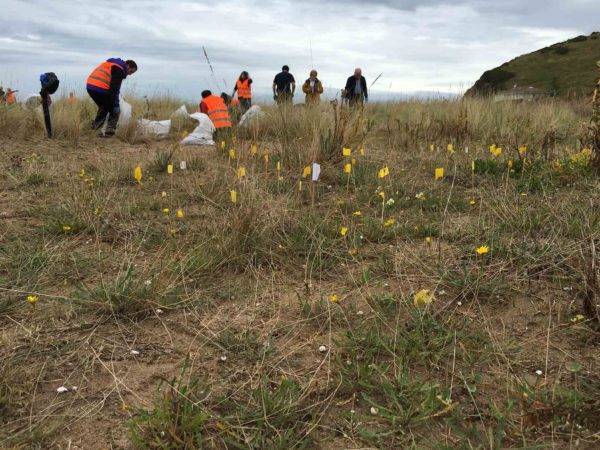
    censo-linaria
    Some attendees were able to participate in the census of one of the population hubs of the Linaria maritima species, included in the Principality of Asturias Catalogue of Threatened Vascular Flora.

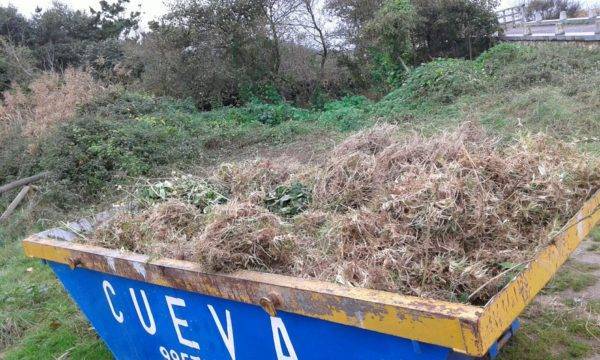
    The day ended with two containers filled with the three eliminated species, and the perception of all participants of the serious problem that biological invasions have in the effort to keep Cantabrian dune systems in a good state of conservation.
    img_7071
    One of the containers with some of the removed invasive species.

    As a final note, the Life+ARCOS would like to extend its deepest thanks for the warm welcome given to these kinds of actions, revealing the awareness of citizens in terms of environmental conservation.
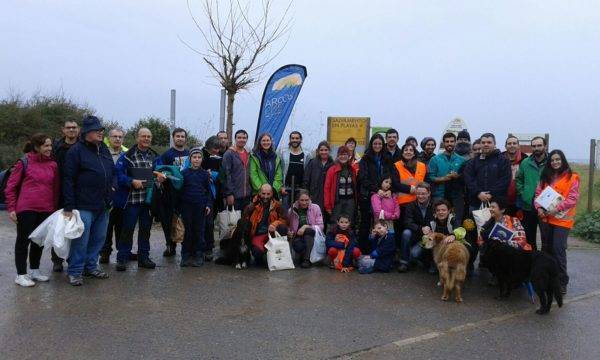
     

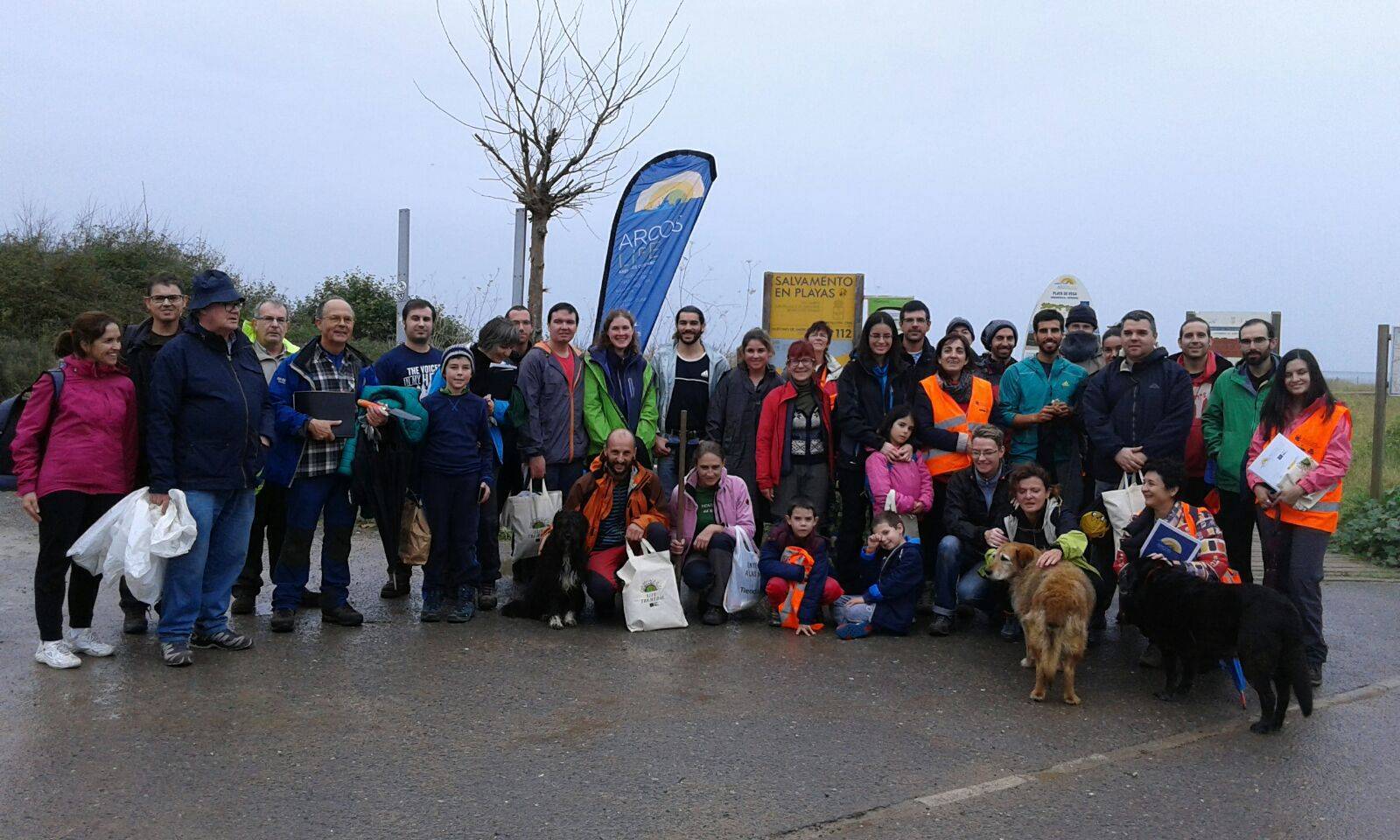
    img_7070
    Final photo with some of the attendees to these activity days.

    Many thanks to all participants, we hope to see you again in future editions.
    The Life+ARCOS team


  • 12th November 2016, volunteer day to eradicate invasive plants on Vega Beach dunes, Ribadesella, Asturias. Registration is closed

    12th November 2016, volunteer day to eradicate invasive plants on Vega Beach dunes, Ribadesella, Asturias. Registration is closed

    Dear friends, 

    Our call for volunteers to eradicate invasive exotic species on Saturday, 12 November on Vega beach (Ribadesella, Asturias) went wellA lot of people participated in this activity.

    Due to organisational reasons, we have to close registration on Friday, 4 November. We will delete the registration form from this link on that day.

    This week, we will send an email to everyone who registered with information about the departure points and specific organisation details. For those who do not have their own car, we have two departure points where you can get a ride: one in Oviedo (to be determined) and another in Gijon (Jardín Botánico Atlántico car park). There, we will coordinate car sharing.

    We would also like to take this opportunity to introduce you to some of the invasive species we will help to eradicate from this protected area within the Natura 2000 Network, which was declared a Special Area of Conservation with the approval of Decree 161/2014, of 29 December. This Decree declared Vega Beach as a Special Area of Conservation (ES1200022) and approved the First Integrated Management Instrument of protected areas on Vega Beach.

    This Decree, which was published in the Official Gazette of the Principality of Asturias of 3 January 2015, constituted the management instrument to regulate activities (allowed, authorisable and not allowed) that can be carried out in this protected area.

    The two invasive species that are directly affecting the biodiversity of Vega Beach dune ecosystems belong to the grass family. They have the strong ability to expand within the dune system, as you can see «in situ.» All these species are native to the Americas and are a problem on European coasts. They arrived to Europe in a number of different ways.

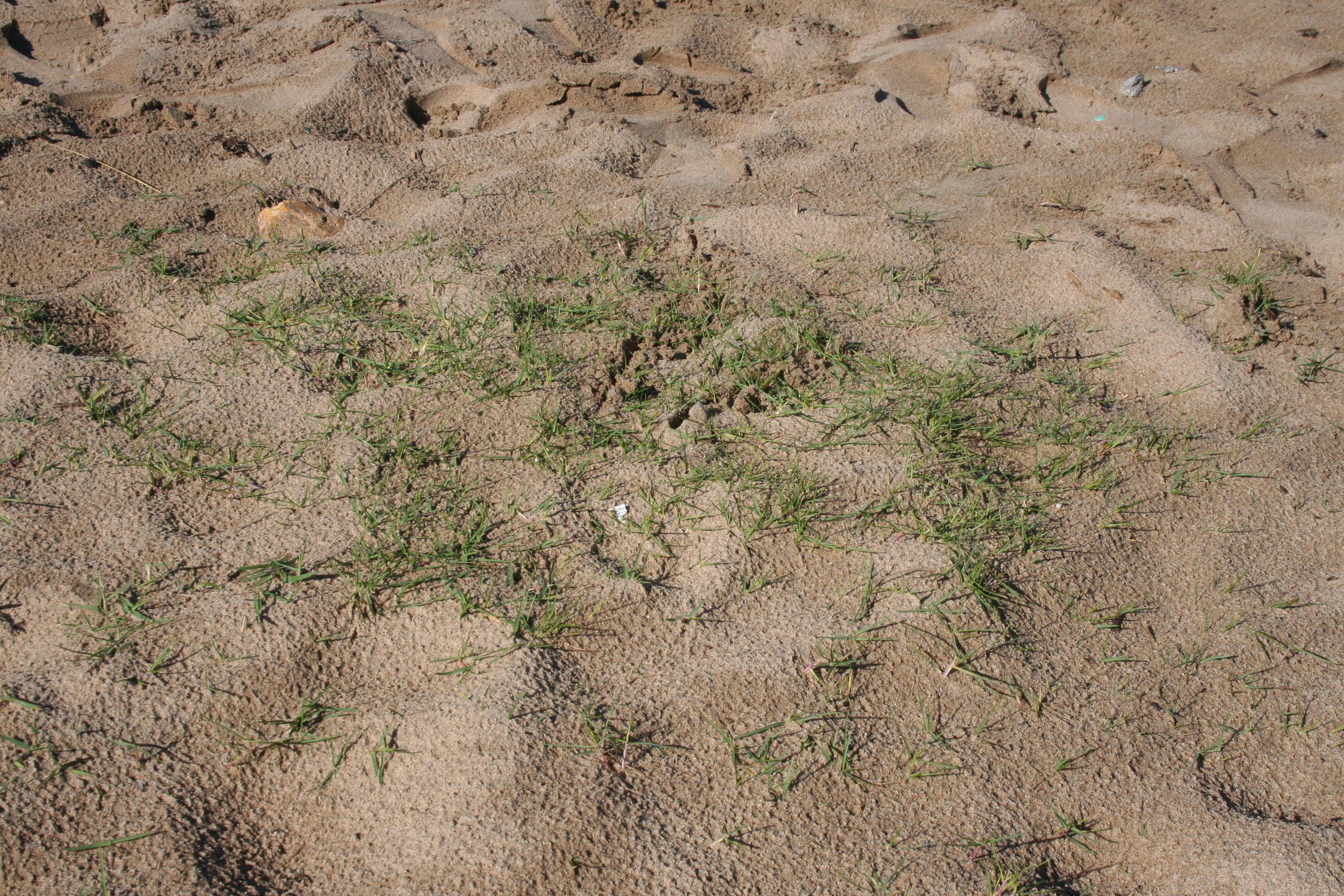
    The first one is called the St. Augustine grass Stenotaprhum secundatum (=Stenotaphrum americanum) which has sprig characteristics and extremely strong creeper roots. Its use in grass formation has proven to be «very effective» and has caused it to expand in natural and semi-natural environments. It is comfortable developing in the sandy soils of coastal dunes and eradicate all other dune species.
    The elimination of this species is done manually, being especially careful not to fragment the stems so new individuals cannot develop.

    Grama americana (Stenotaprhum secundatum)
    St. Augustine grass (Stenotaprhum secundatum)
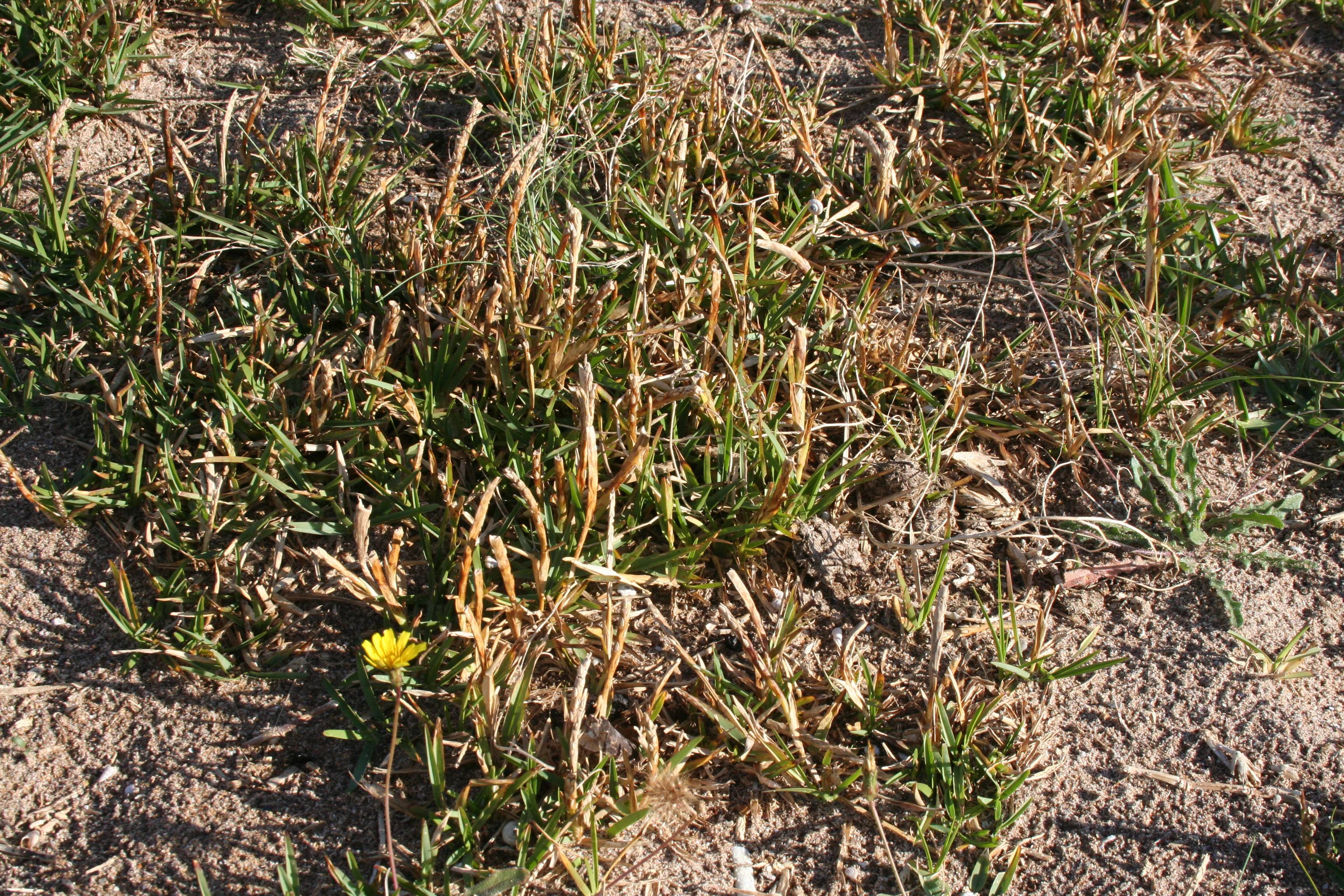
    Duna blanca ocupada por la grama americana
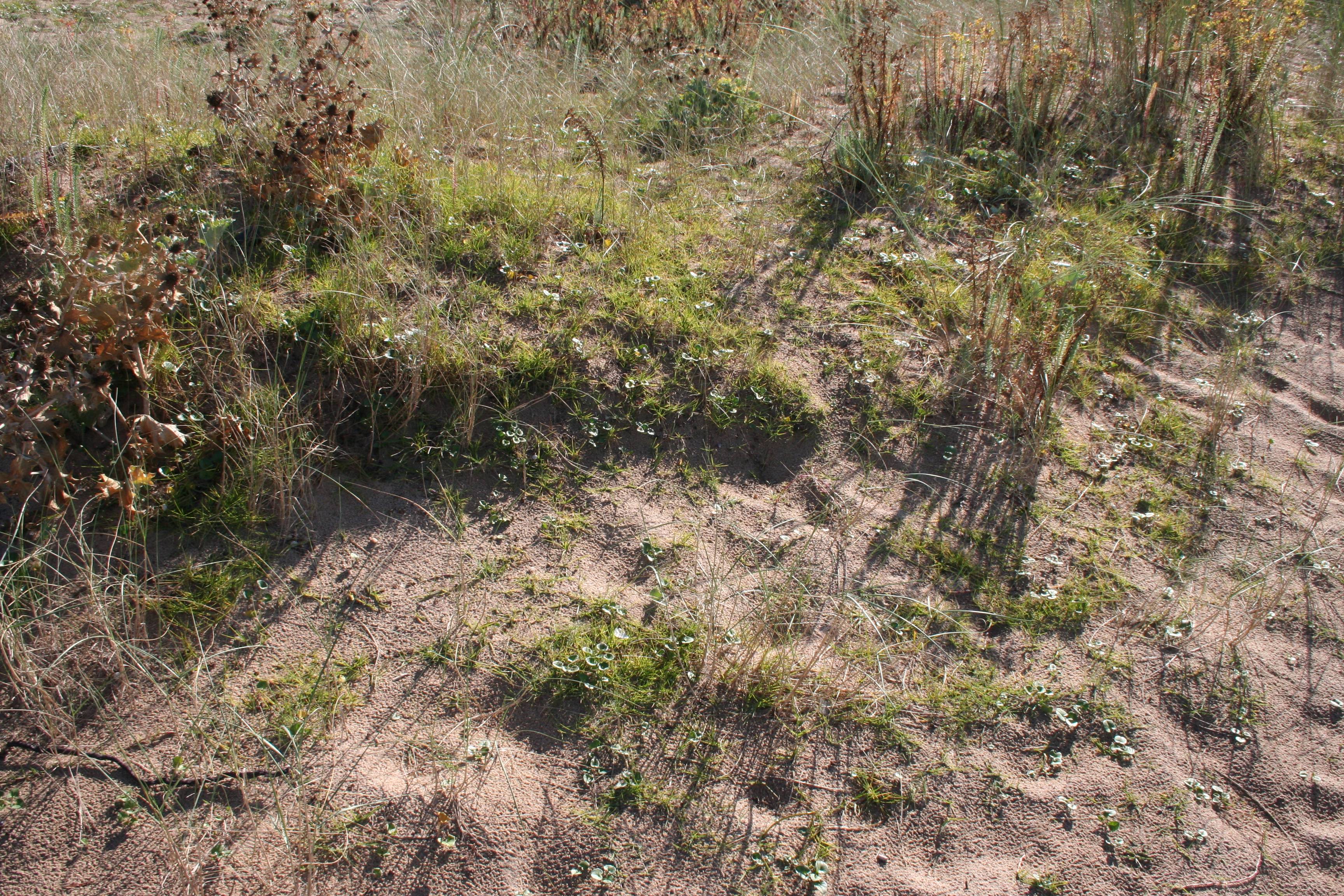
    White dune taken over by St. Augustine grass

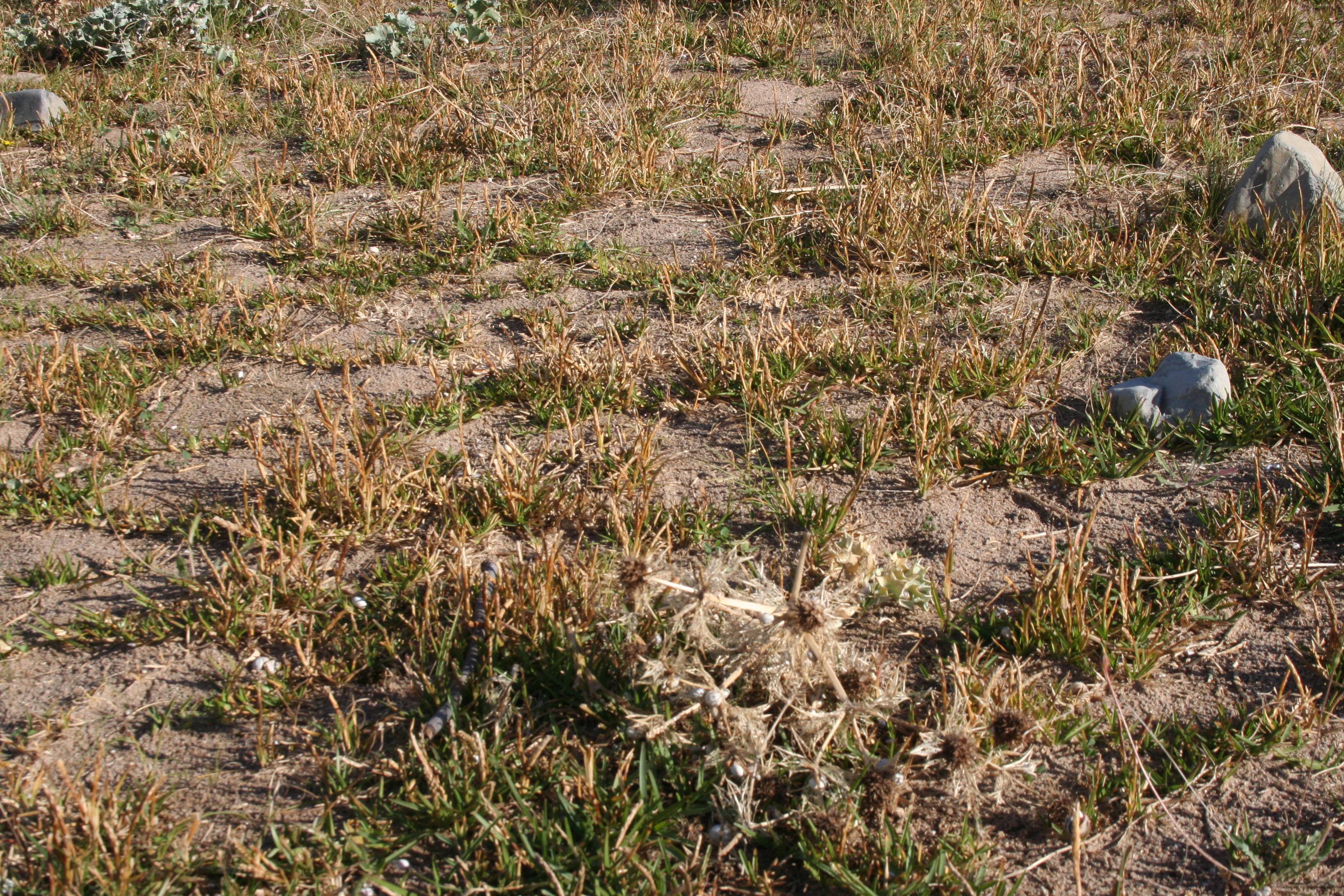
    Another dangerous species in the Vega Beach dune system is the Seashore paspalum or Salt Water Couch Paspalum vaginatum. Its characteristic sprigs–which sprout from the same point (digitate)–and some stems–which are also creeping–have the capacity to root in the soil. This means that any fragment can generate new, cloned individuals.

    Spot of Paspalum vaginatum in the embryonic dune
    Paspalum vaginatum
    Paspalum vaginatum moving from the embryonic dune to the white dune


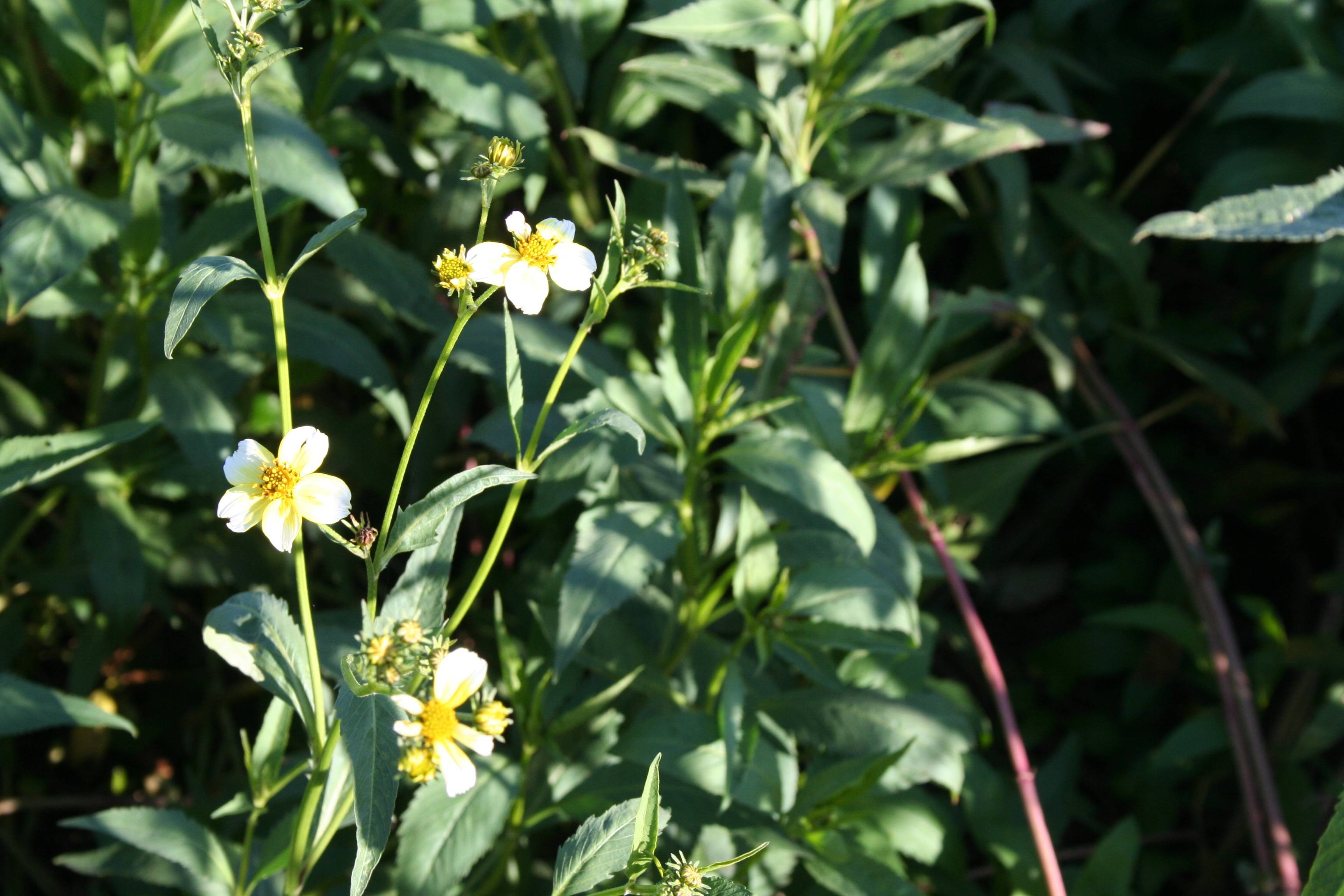
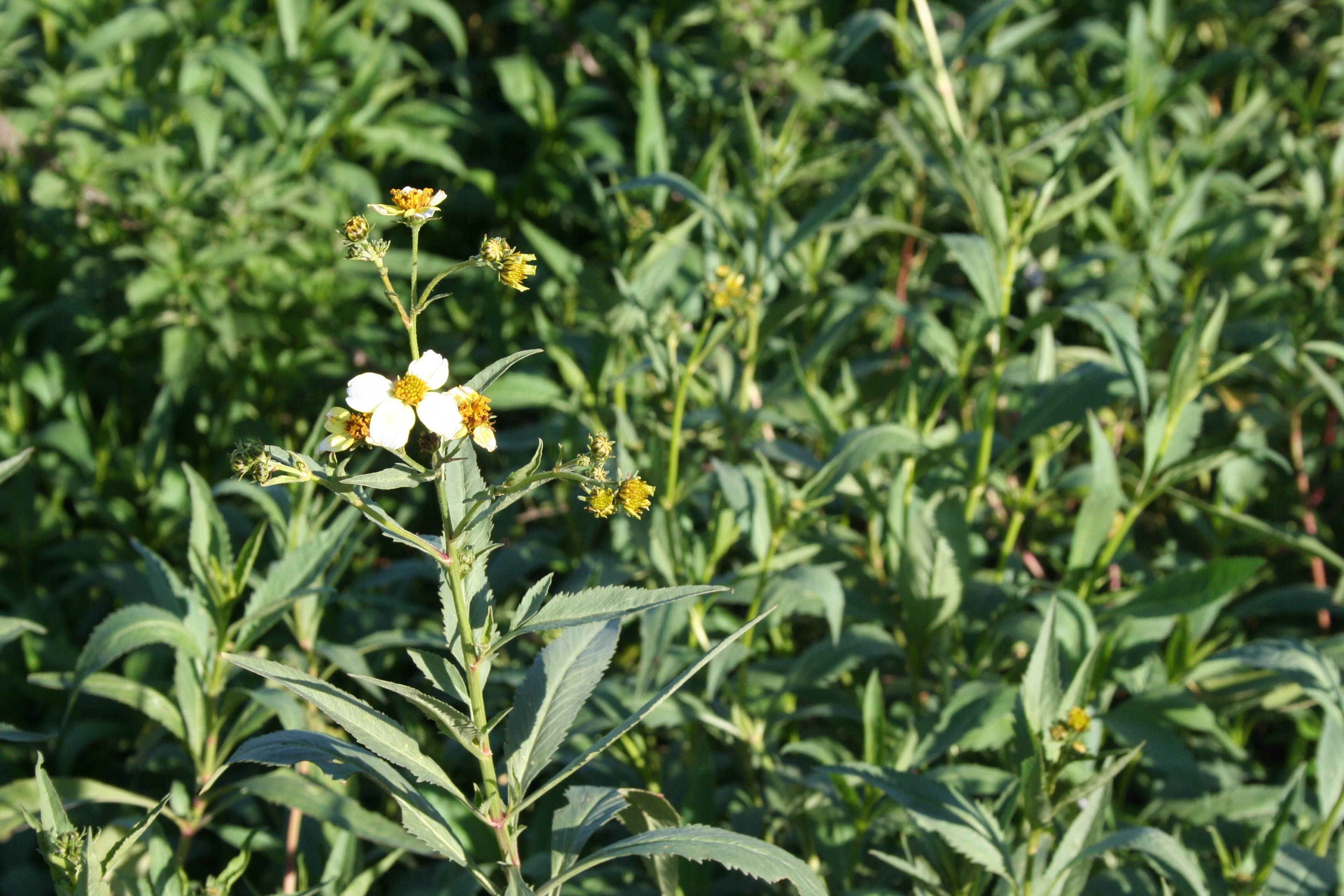
    Another invasive species present in the border of the dune system is the compound of American origin (especially in the central area of North America) known as the Arizona beggarticks, Bidens aurea. This species is located on the border of the Special Area of Conservation, occupying areas with the wettest soil. It is not present in the dune system itself, but its removal from the area will prevent it from moving to the nearest dune where it is also present.

    Arizona beggarticks (Bidens aurea), flower details
    img_3448
    Arizona beggarticks (Bidens aurea) on the border of the dune system


  • Life+ARCOS held a meeting with local authorities from the Ribadesella Council

    Life+ARCOS held a meeting with local authorities from the Ribadesella Council

    On 23 July 2015, members of the University of Oviedo-Atlantic Botanical Garden, coordinating member of the Life+ARCOS project, met at the city council house in Ribadesella to discuss the activities planned within the Life+ARCOS project with members of the municipal corporation, within the Site of Community Importance called “Vega Beach.”

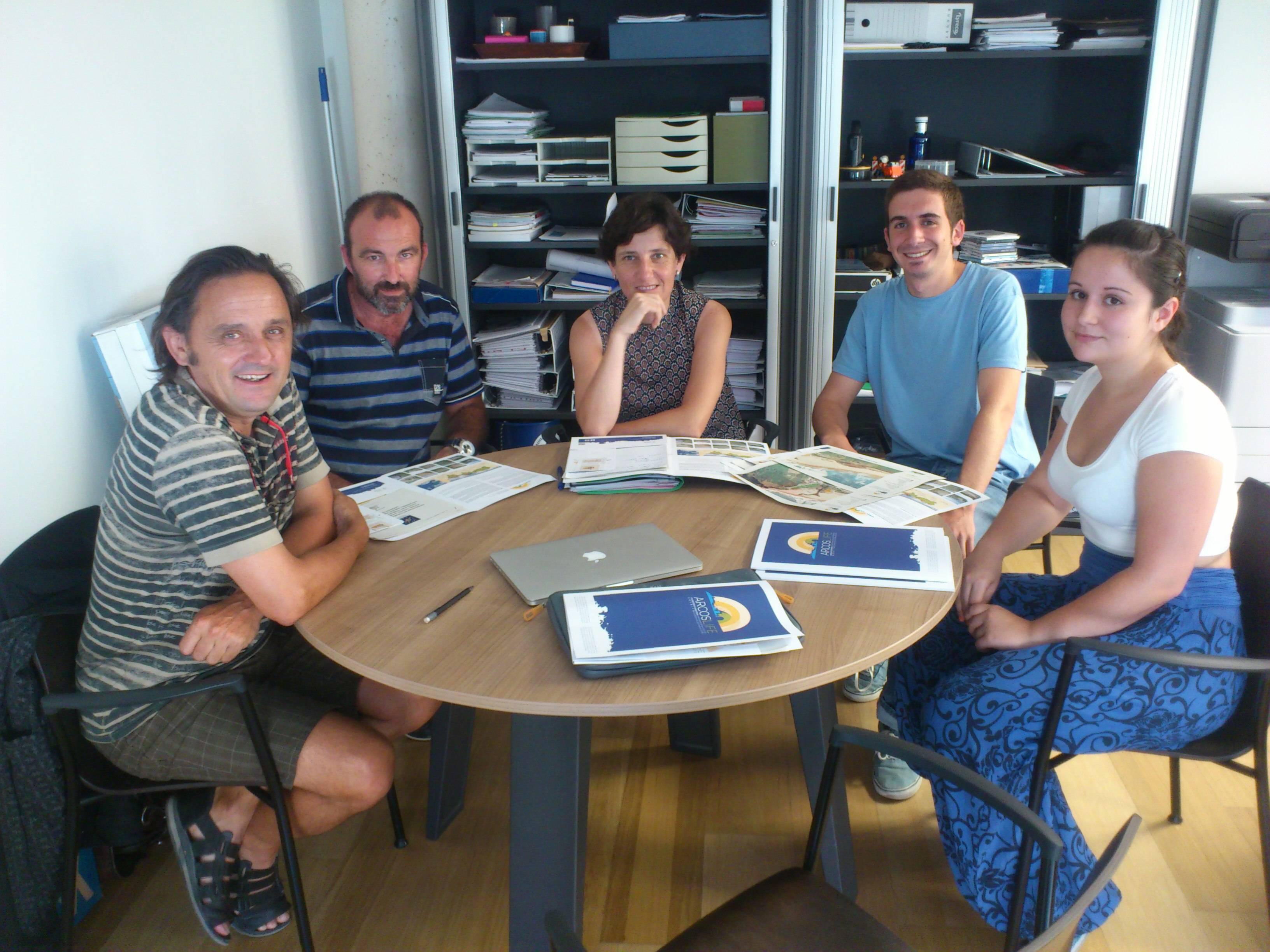
    Reunión Ribadesella
    Photo of the meeting with A. Bueno (University of Oviedo) and Ignacio Baldón and Patricia Toyos (Council of Ribadesella), from left to right.

    The following people attended the meeting from the University of Oviedo: Mr Álvaro Bueno Sánchez and Mr J. Ignacio Alonso Felpete, as technical heads of the project; from the city council of Ribadesella: Mr Ignacio Baldó García, councillor of the environment and Ms Patricia Toyos González, surveyor from the council, who was accompanied by two employees of this section.

    Attendees received a thematic portfolio on the LIFE+ARCOS subject “Conserving Cantabrian Dunes” and learned about the scope of action and activities to be carried out on Vega Beach through 2018.

    The aerial photo of the protected area was used to talk about where the main activities will take place. We talked about the need to regulate access points to the beach, to eradicate exotic invasive species in dune areas—such as the Australian laurel (Pittosporum tobira), Arctoteca calendula or Stenotaphrum americanum and others that are present in fragments of the alder grove (a habitat that is also protected and prioritised by European legislation) at the final part of the river that flows into Vega Beach.

    At the meeting there was also time to coordinate some municipal activities such as placement of lifeguard stands and mechanical cleaning work. The goal was to make sure these activities do not threaten protected species in the Regional Catalogue of Threatened Flora of Asturias.

    The head of the Environment of the city council of Ribadesella’s knowledge of the area, resulting from having lived in the village of Vega for many years, enormously facilitated the conversation and discussion of information about the ownership of land bordering the Site of Community Importance.

    The meeting concluded with council members interest in the project. They agreed to meet in September to discuss important public information functions about activities on Vega Beach and in the council of Ribadesella.