Dear friends,
Our call for volunteers to eradicate invasive exotic species on Saturday, 12 November on Vega beach (Ribadesella, Asturias) went well. A lot of people participated in this activity.
Due to organisational reasons, we have to close registration on Friday, 4 November. We will delete the registration form from this link on that day.
This week, we will send an email to everyone who registered with information about the departure points and specific organisation details. For those who do not have their own car, we have two departure points where you can get a ride: one in Oviedo (to be determined) and another in Gijon (Jardín Botánico Atlántico car park). There, we will coordinate car sharing.
We would also like to take this opportunity to introduce you to some of the invasive species we will help to eradicate from this protected area within the Natura 2000 Network, which was declared a Special Area of Conservation with the approval of Decree 161/2014, of 29 December. This Decree declared Vega Beach as a Special Area of Conservation (ES1200022) and approved the First Integrated Management Instrument of protected areas on Vega Beach.
This Decree, which was published in the Official Gazette of the Principality of Asturias of 3 January 2015, constituted the management instrument to regulate activities (allowed, authorisable and not allowed) that can be carried out in this protected area.
The two invasive species that are directly affecting the biodiversity of Vega Beach dune ecosystems belong to the grass family. They have the strong ability to expand within the dune system, as you can see «in situ.» All these species are native to the Americas and are a problem on European coasts. They arrived to Europe in a number of different ways.
The first one is called the St. Augustine grass Stenotaprhum secundatum (=Stenotaphrum americanum) which has sprig characteristics and extremely strong creeper roots. Its use in grass formation has proven to be «very effective» and has caused it to expand in natural and semi-natural environments. It is comfortable developing in the sandy soils of coastal dunes and eradicate all other dune species.
The elimination of this species is done manually, being especially careful not to fragment the stems so new individuals cannot develop.
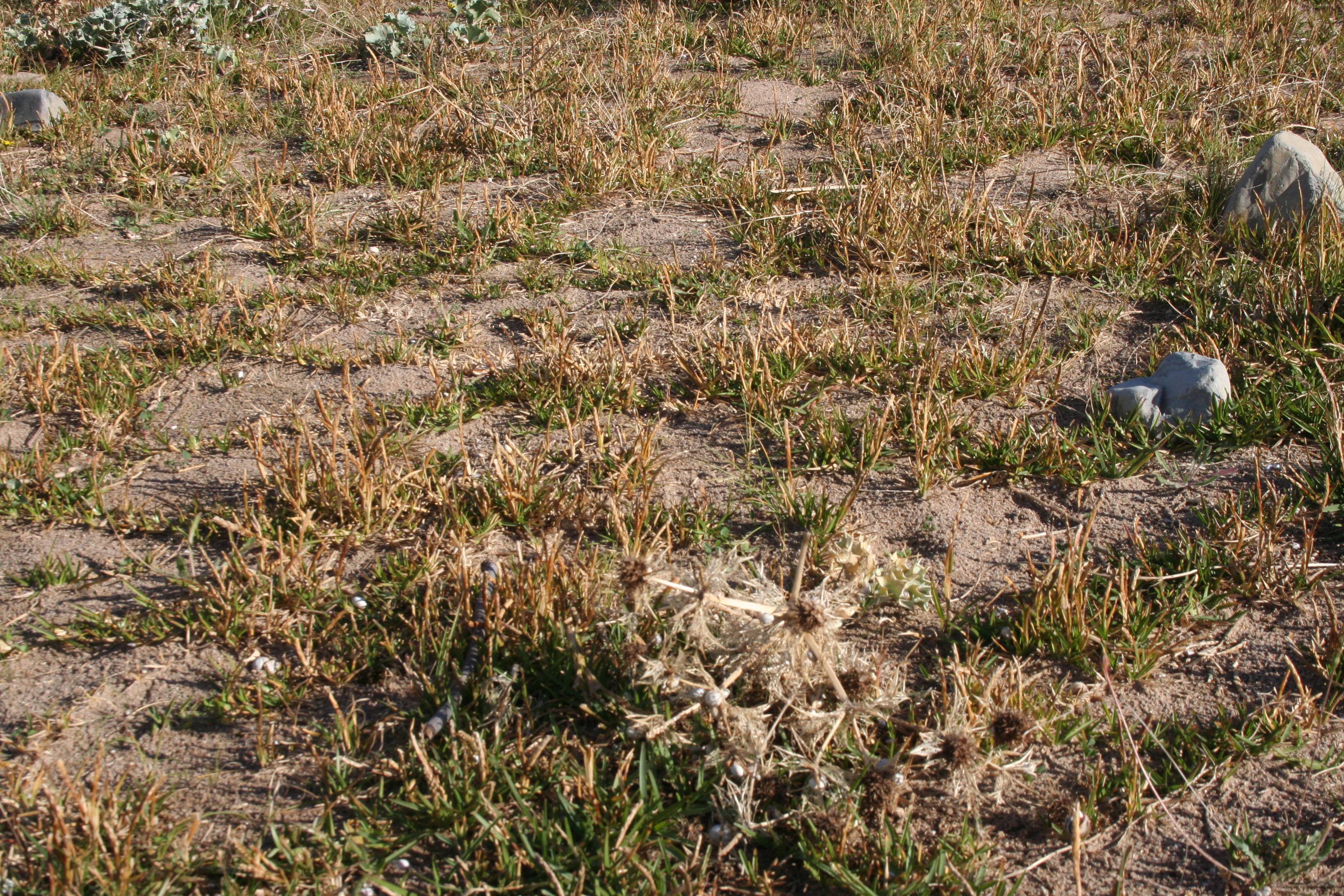
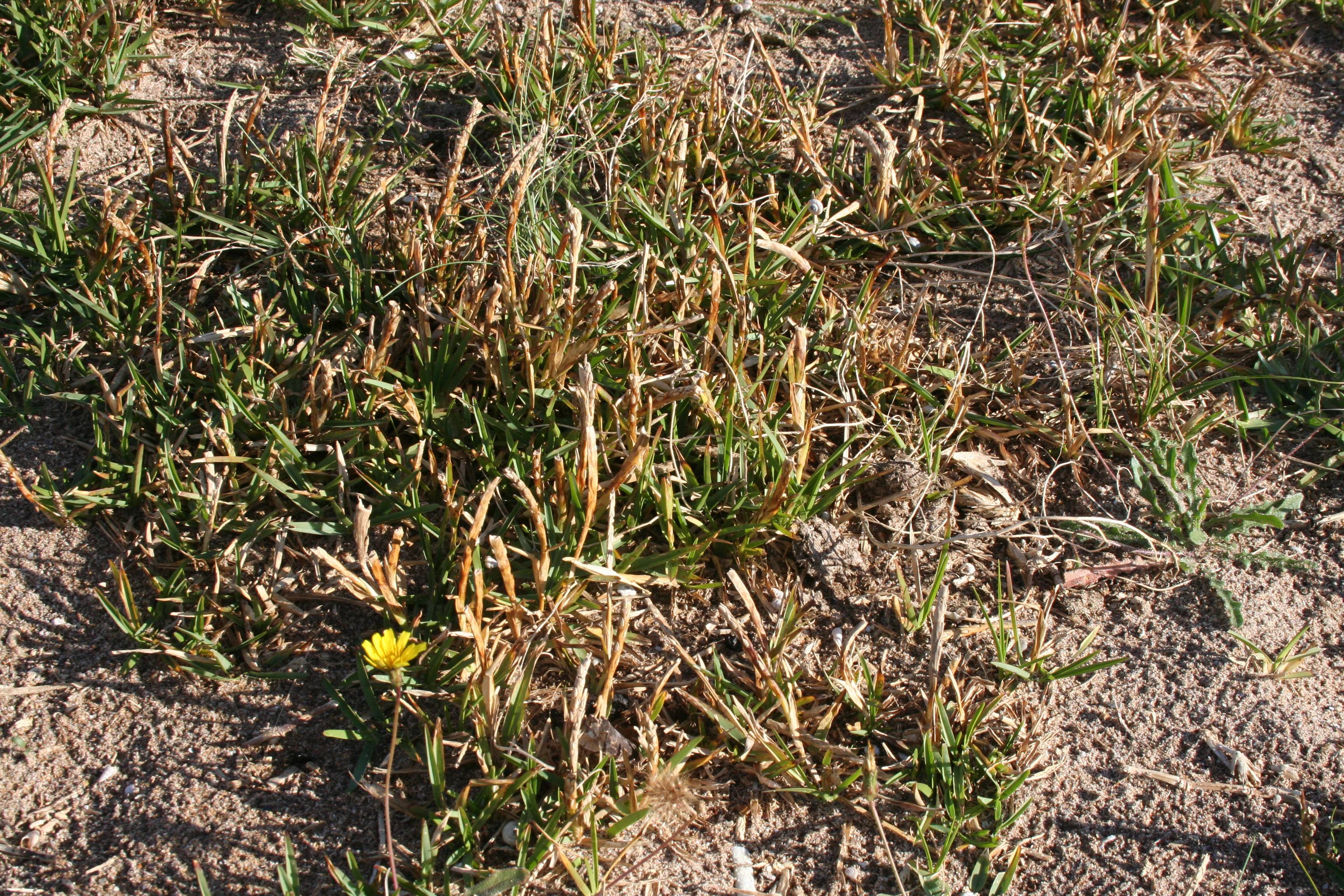
Another dangerous species in the Vega Beach dune system is the Seashore paspalum or Salt Water Couch Paspalum vaginatum. Its characteristic sprigs–which sprout from the same point (digitate)–and some stems–which are also creeping–have the capacity to root in the soil. This means that any fragment can generate new, cloned individuals.
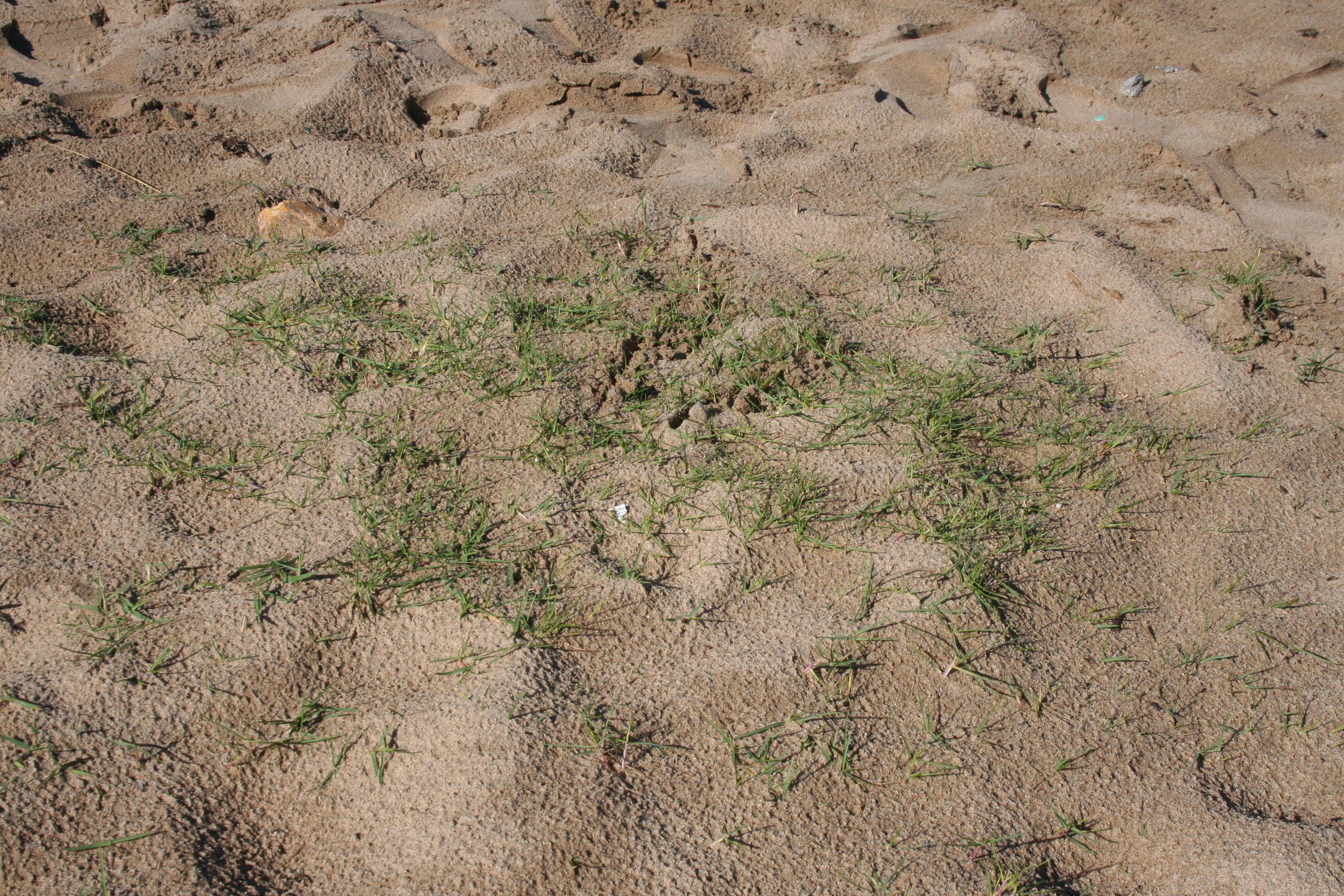
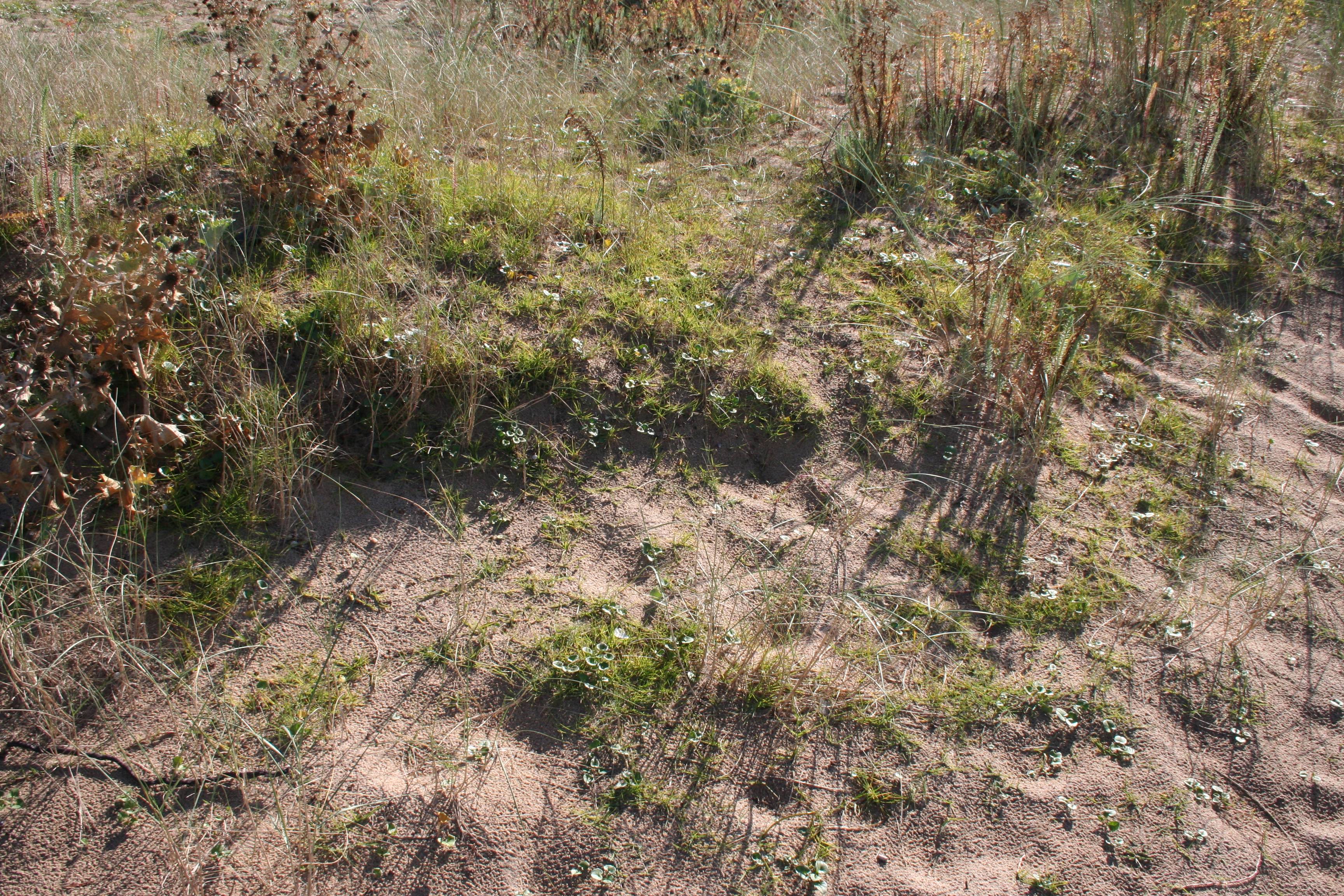
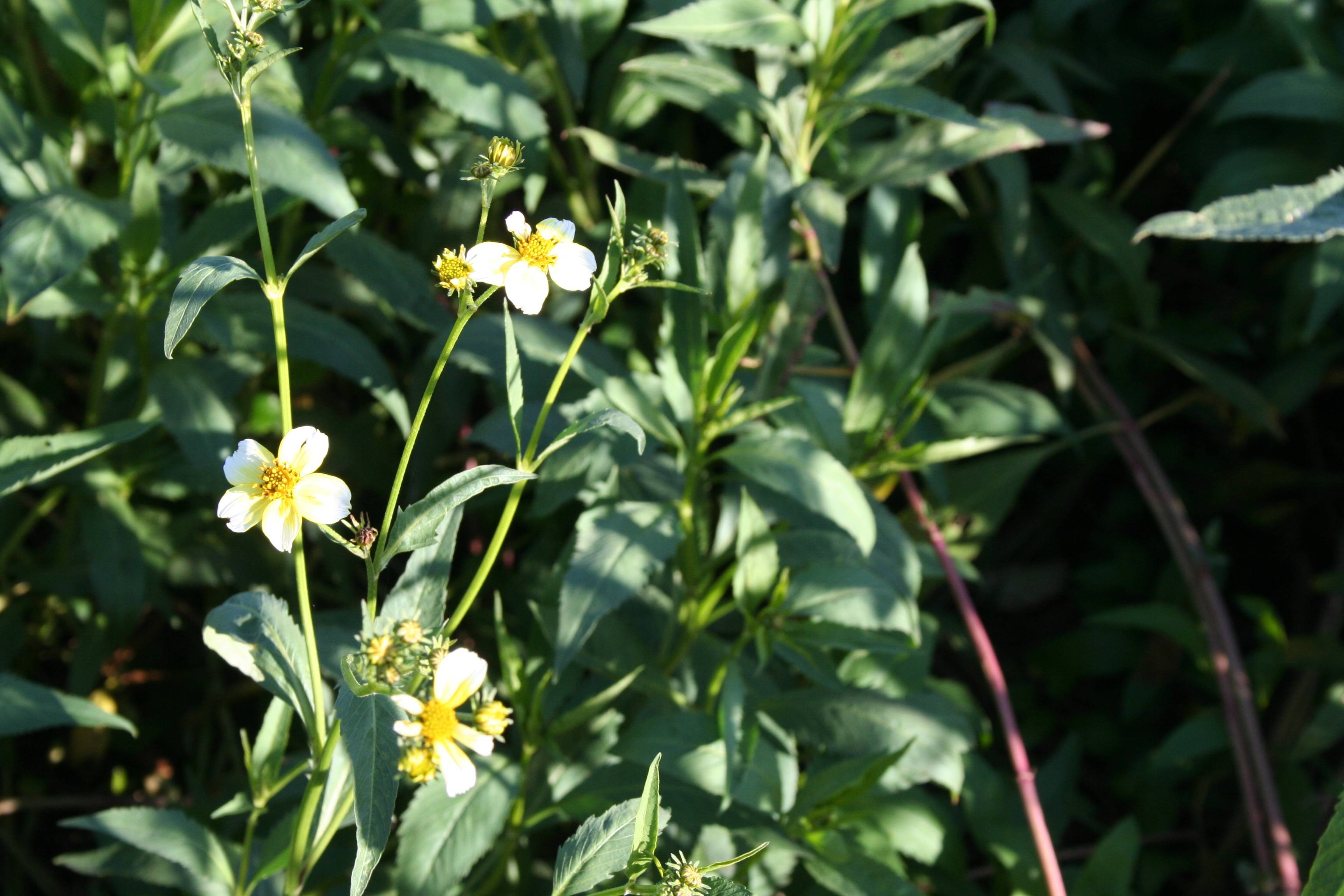
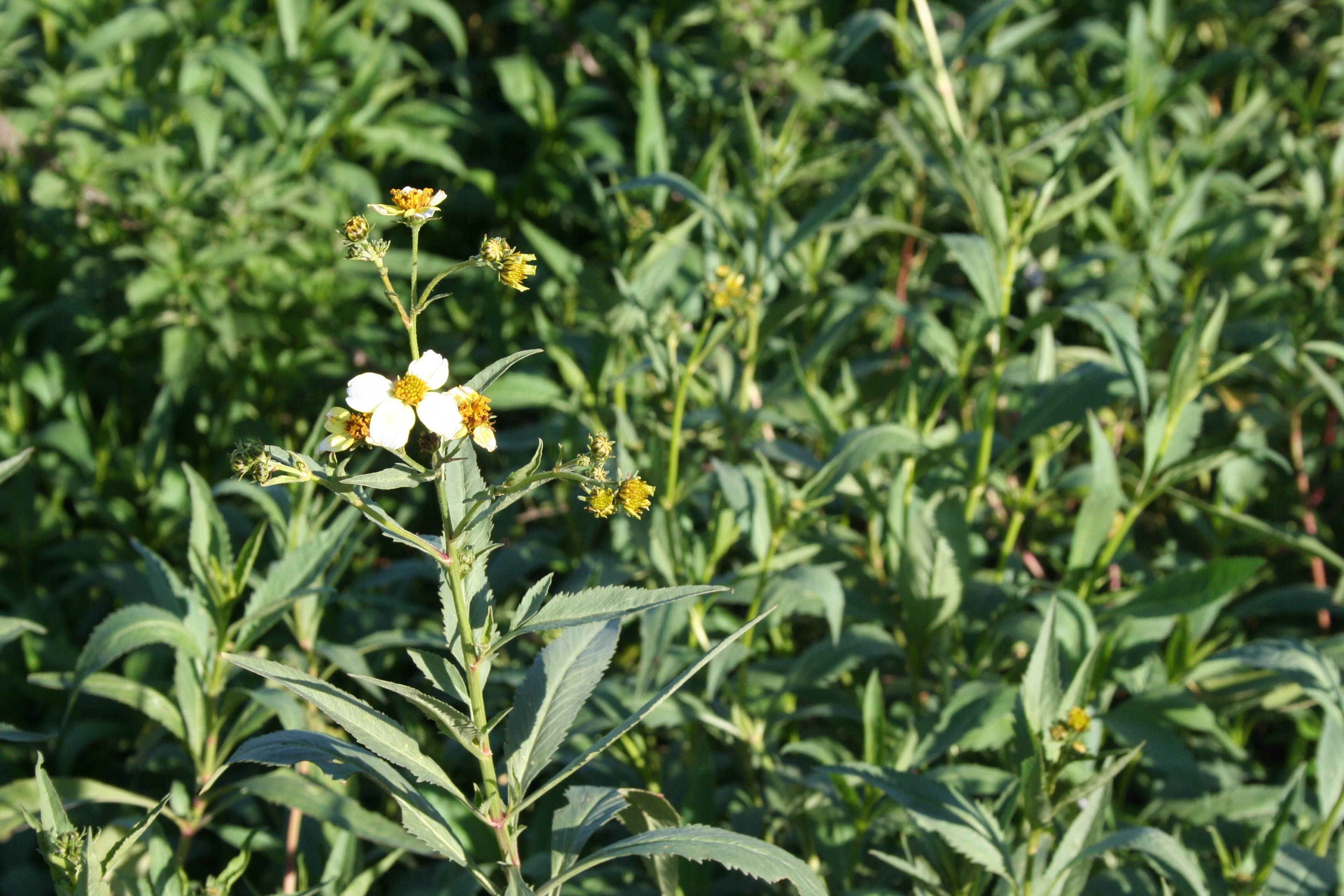
Another invasive species present in the border of the dune system is the compound of American origin (especially in the central area of North America) known as the Arizona beggarticks, Bidens aurea. This species is located on the border of the Special Area of Conservation, occupying areas with the wettest soil. It is not present in the dune system itself, but its removal from the area will prevent it from moving to the nearest dune where it is also present.