Etiqueta: Volunteering

  • Dune restoration by removing invasive plants and waste and by collecting seeds on the Berria beach (SCI Santoña, Victoria and Joyel Marshes)

    Dune restoration by removing invasive plants and waste and by collecting seeds on the Berria beach (SCI Santoña, Victoria and Joyel Marshes)

    Once again, the Directorate General of the Environment (Rural Affairs, Fisheries and Food Department of the Government of Cantabria) with the collaboration of inmates from the El Dueso Penitentiary Centre as part of the NACAR Programme (Nature and Prison), carried out a volunteering activity encompassed within the LIFE+ ARCOS programme on the Berria beach dune system (municipality of Santoña).
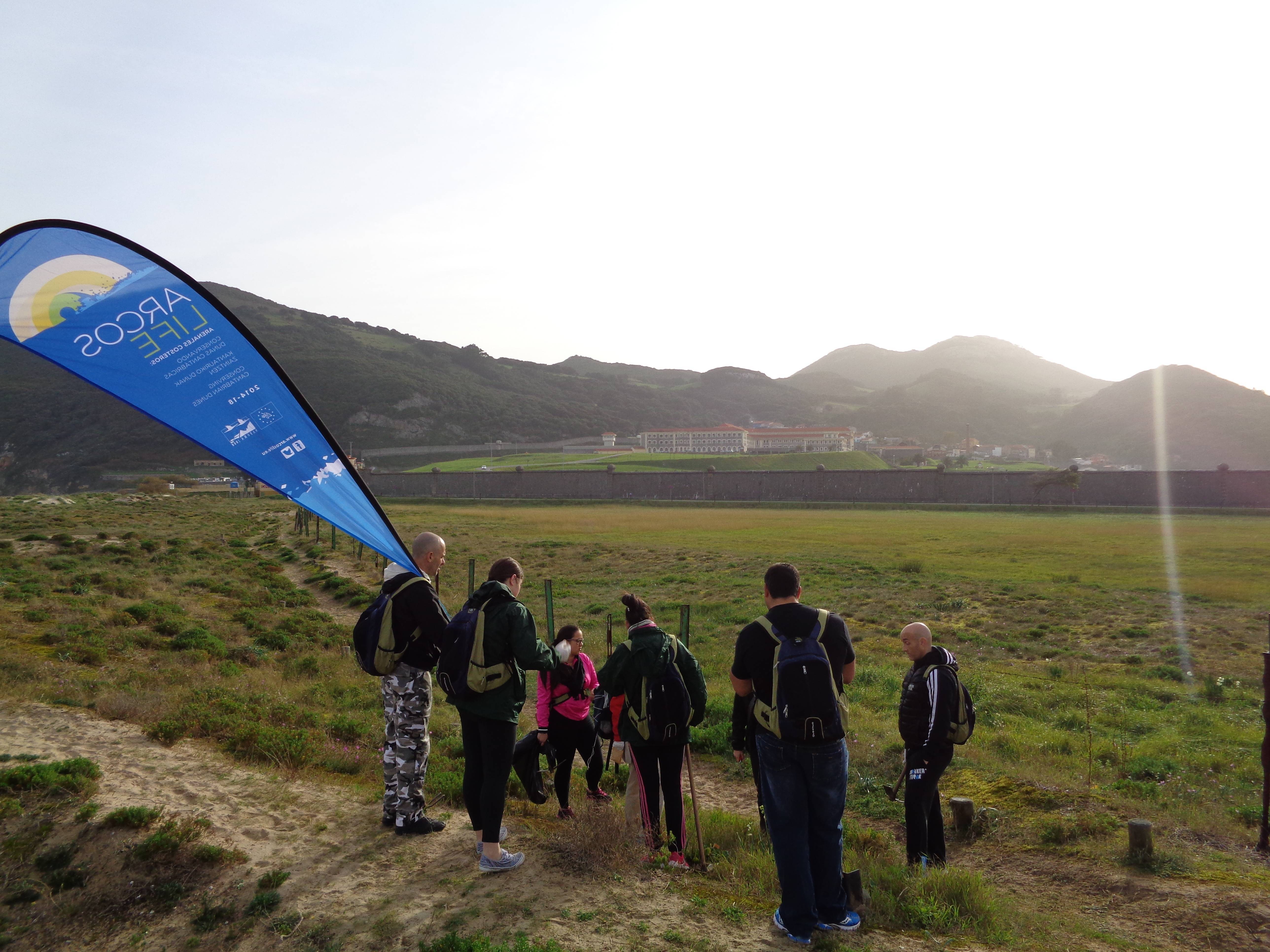
    Voluntariado del Programa NACAR, al fondo Centro Penitenciario El Dueso
    Volunteers from the NACAR Programme, in the background the El Dueso Penitentiary Centre

    The activity carried out on 20th November 2015 led by an Expert from the Nature Conservation Service and a Forestry Expert from the same Service, focused on restoring the dune systems along the Cantabrian coast.

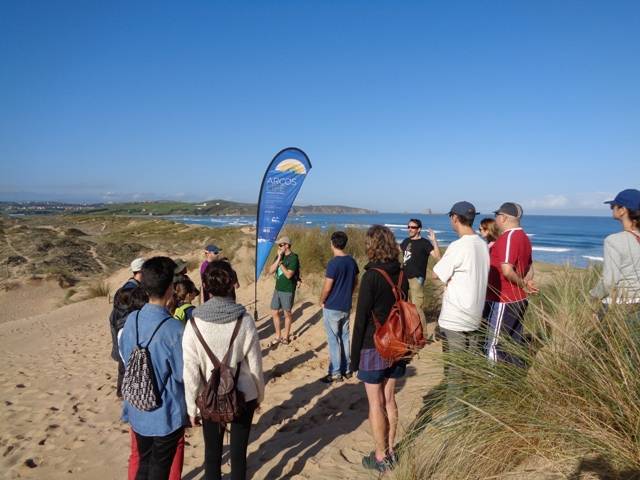
    The day began with an introduction to the Natural Protected Space, in which participants were given an explanation of the dynamic of the dune systems, the importance of preserving native plant life in these ecosystems, and the significance of fighting against invasive species
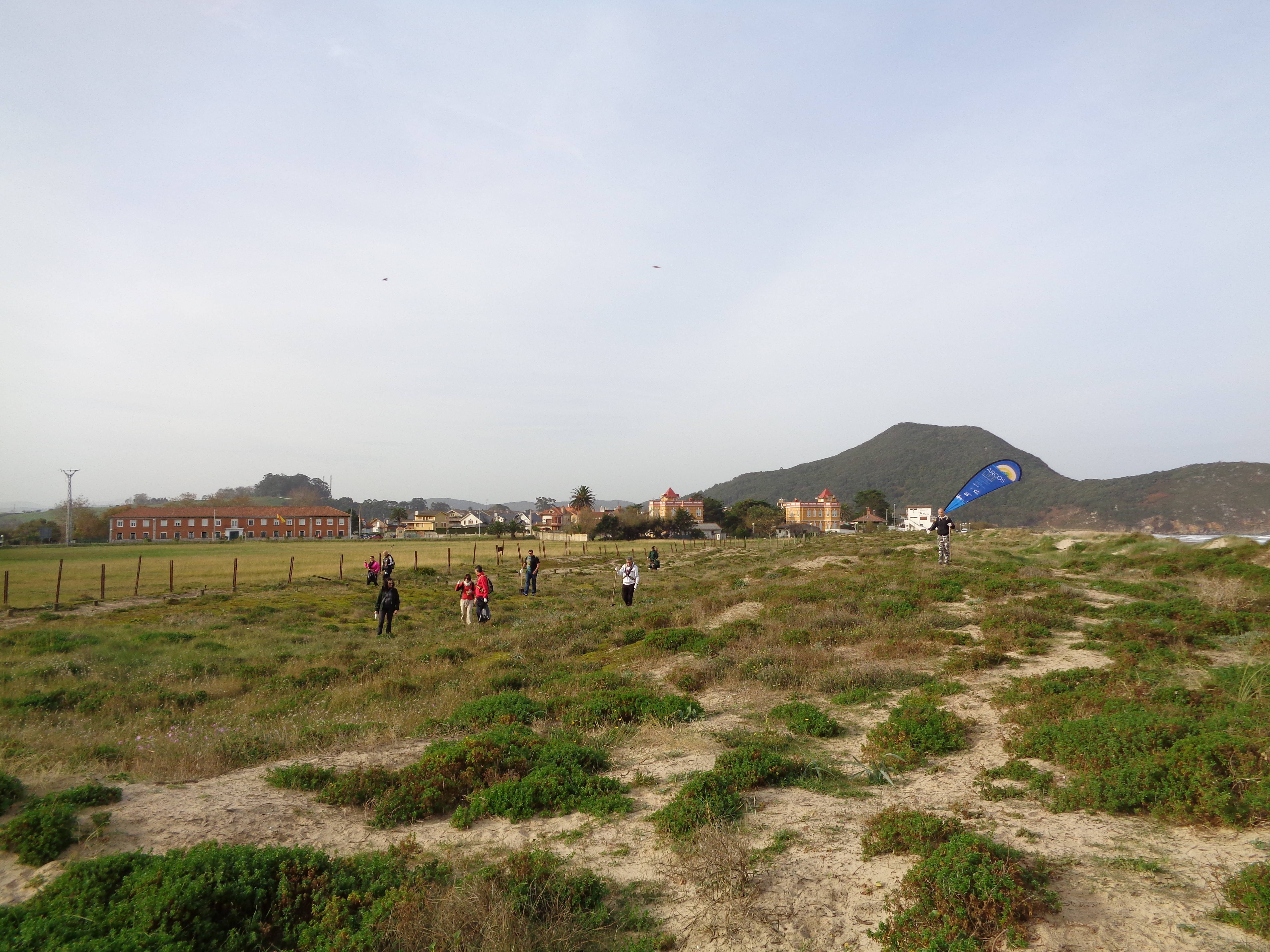
    Limpiezaresiduos, 20.11.15
    An instant taken on the route followed for the waste clean-up.

    Next, participants walked along the front of the existing dune system on Berria beach collecting rubbish, filling a 120-litre bin bag. During the walk along the dune front, numerous sea daffodil bulbs (Pancratium maritimum) were collected, which were found displaced, and inside the dune system seeds were collected from the same species, from carnations (Dianthus hyssopifolius), toadflax (Linaria supina subsp. maritima) and crosswort cuttings (Crucianella maritima) to be moved (bulbs, seeds and cuttings) to the nursery Gardening Workshop at the El Dueso Penitentiary Centre, where they will be nurtured in view of future activities within the NACAR Programme.
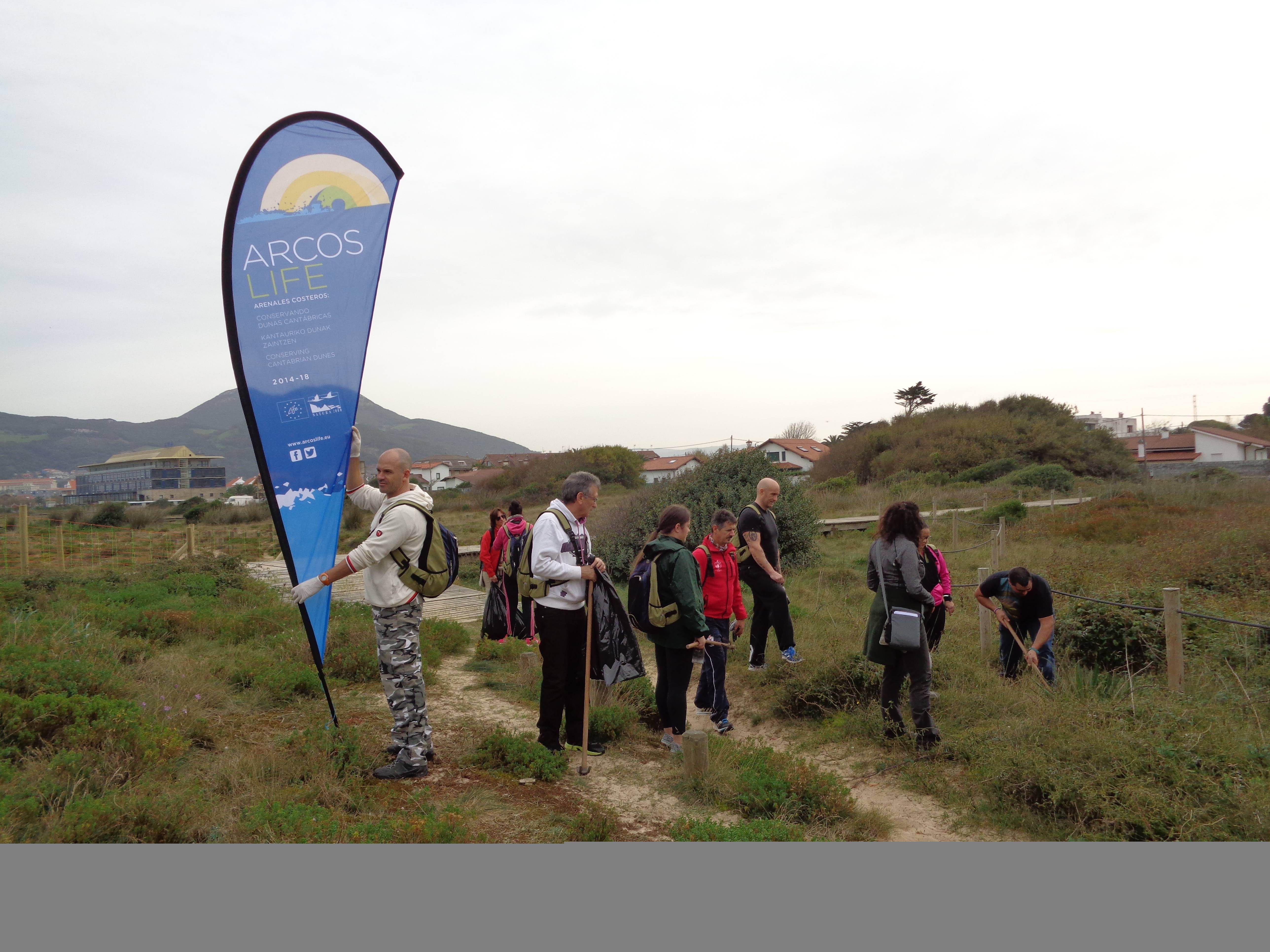
    Retirada Yucas, 20.11.15
    Photo of the team of participants in the activity day

    The major part of the day’s activity focused on removing the invasive Adam’s needle plant (Yucca gloriosa) manually using spades and trowels, resulting in the removal of six 120-litre bags full. In 2010, the Berria beach dune system had numerous adult flowering Yucca specimens that were removed, and with this activity they are being controlled and practically eliminated from the dunes. This activity took place in an area inside the dune system in the middle zone, spanning from the Juan de la Cosa Hotel to the El Brusco hill.

    Some of the volunteers had previously carried out dune restoration work on the Berria beach with the Directorate General of the Environment, and they remembered some of the native dune species, the invasive species and the restoration tasks they had carried out on previous occasions. Specifically, the areas replanted with sea daffodil bulbs collected in March 2015 and transplanted back into the dune system were particularly visible.

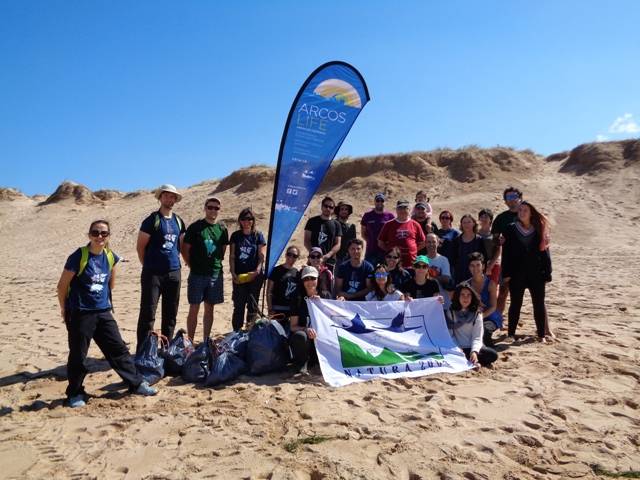
    At the end of the day and as a keepsake, the inmates along with the instructors from the El Dueso Penitentiary Centre, a trainee and the Expert from the Nature Conservation Service from the Government of Cantabria, posed for a photo to leave a record of the hard work that they had all done to conserve the dune systems.
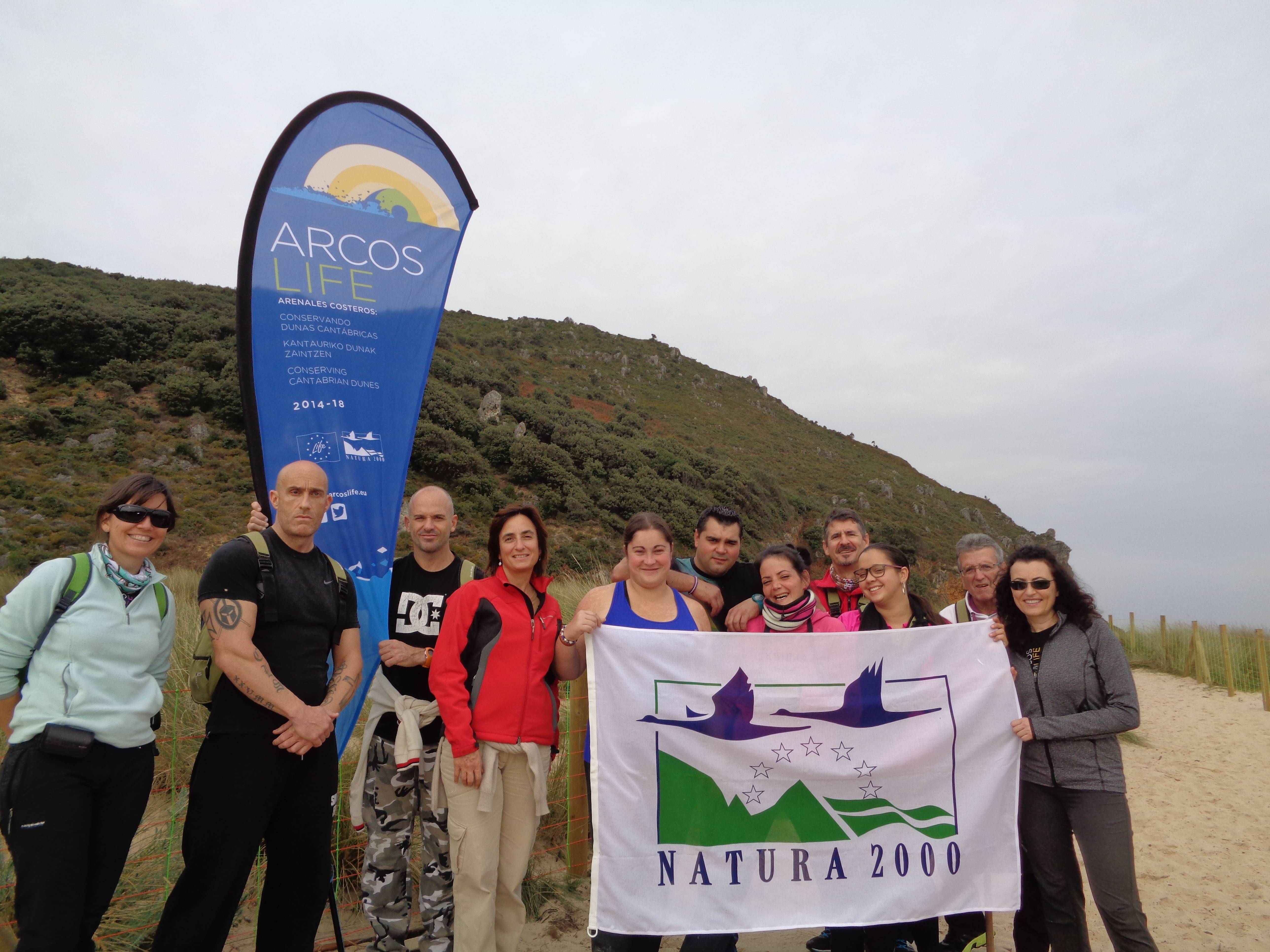
     

    Final jornada, 20.11.15
    Photo of the team of participants in the activity day
  • Restoration of dunes by cleaning wastes, invasive plant species and census of Chamaesyce peplis in Liencres (SAC of Liencres and Pas Estuary)

    Restoration of dunes by cleaning wastes, invasive plant species and census of Chamaesyce peplis in Liencres (SAC of Liencres and Pas Estuary)

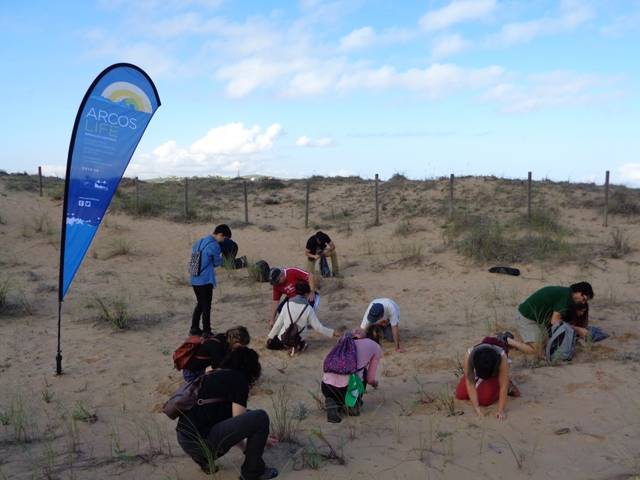
    Photo of the volunteer group and members of the Directorate-General of Natural Environment of the Government of Cantabria who participated in this activity on Valdearenas Beach.

    Last Saturday, 19 September 2015, a volunteer day of the LIFE+ Arcos project was held within the existing dune system of Valdearenas beach in Liencres. Personnel from the Directorate-General of Natural Environment attended (which belongs to the Directorate-General of Natural Environment of the Regional Ministry of Rural Affairs, Fisheries and Food of the Government of Cantabria).

    The main objective of this activity was to raise awareness about the LIFE+Arcos project and its activities, especially within SCI Dunes of Liencres and the Pas Estuary.

    Volunteers attended a presentation about the importance of these dune systems.

    The day was organized by two technicians from the Nature Conservation Service of the aforementioned Directorate-General. It began with an introduction to the Natural Protected Area and to the dynamic and biological communities of the dune system’s ecosystem on the Cantabrian coast. It also included a presentation about the main problems this natural area faces.


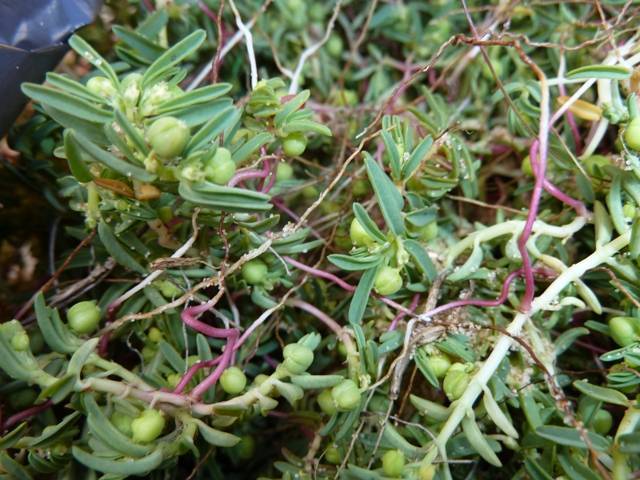
    One of the activities carried out during the day was the eradication of an invasive species, the Chamaesyce polygonifoliaan annual plant from the East Coast of North America that competes for space with other plants from the same genus, the Chamaesyce peplis. This natural area in Cantabria is the only area known to be home to this plant, and is classified as VULNERABLE in the Regional List of Threatened Species of Cantabria. A total of 30 litres of the invasive plant were extracted


    Euphorbia polygonifolia (originating in North America) lives in the same area as the native species Euphorbia peplis.


    At the peak of the volunteer day, we swept the area to locate specimens of the only known population of Chamaesyce peplis in Cantabria and gathered their location points via GPS. A total of 38 specimens of this species were found. Some of them were completely covered in sand due to strong winds, which means there were probably more specimens in the area than what we found.

    Throughout the day, participants collected a total of three, 20-litre bags of different types of waste.


    Participants’ expectations were met. We also met our goal to raise awareness about dune system habitats and the environment. Even so, there is still more work to be done to eradicate the invasive species threatening Chamaesyce peplis conservation.

    Volunteers work to eradicate Chamaesyce polygonifolia and carry out a census of Chamaesyce peplis


  • Dune restoration by collecting waste, invasive plants, seeds and by planting sea daffodil on Berria beach (SCI Santoña, Victoria and Joyel Marshes)

    Dune restoration by collecting waste, invasive plants, seeds and by planting sea daffodil on Berria beach (SCI Santoña, Victoria and Joyel Marshes)

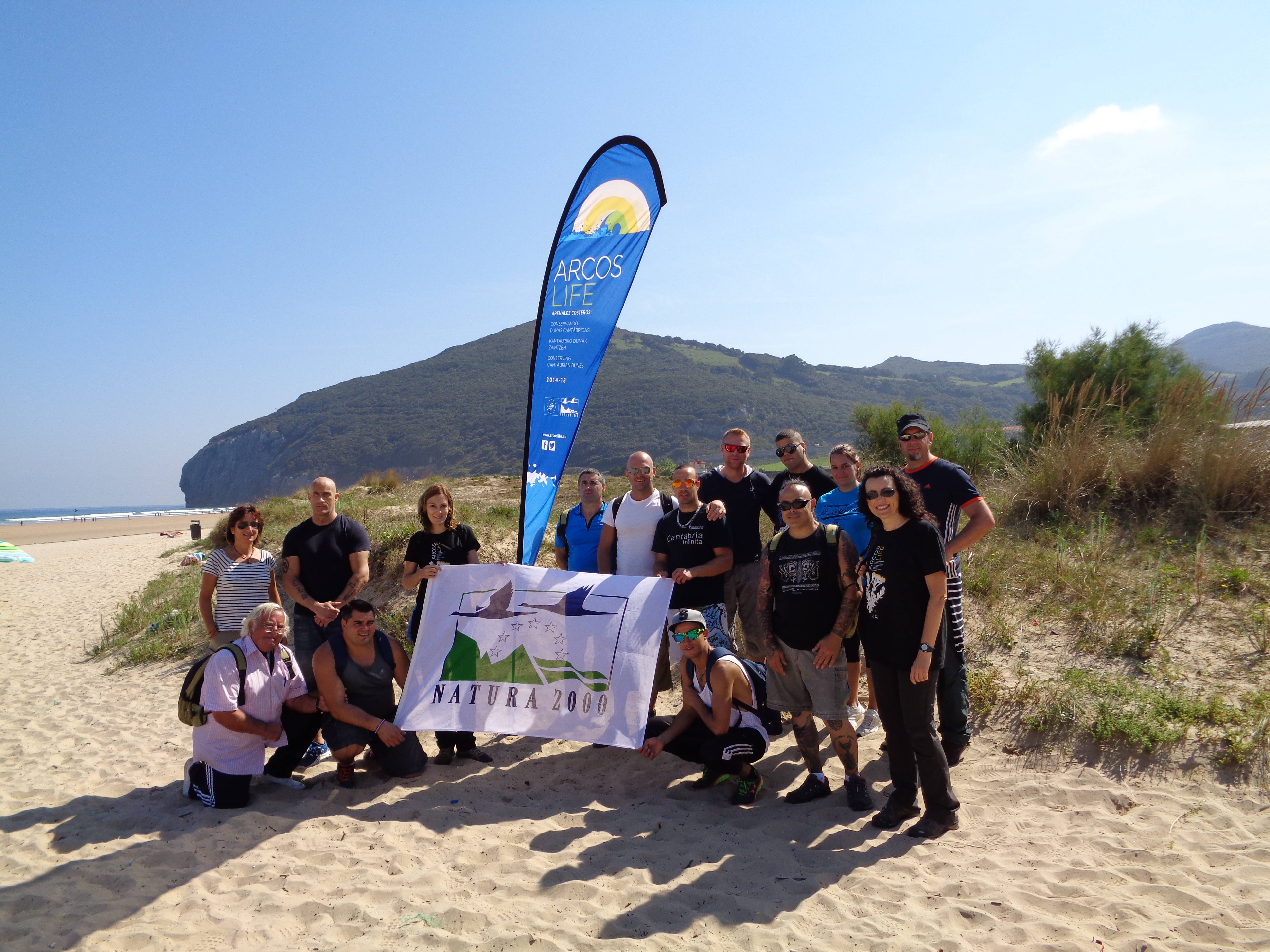
    Participants of the NACAR programme pose on Berria beach, an area included in the Natura 2000 Network.

    Once again, the Directorate-General of Natural Environment (Regional Ministry of Rural Affairs, Fisheries and Food of the Government of Cantabria) with collaboration from inmates from the El Dueso Penitentiary of the NACAR (Nature and Prison) programme, carried out a volunteer activity within the LIFE+ Arcos project at the Berria Beach dune system (Municipality of Santoña).

    The activity was carried out by one Technician and two Forest Technicians from the Nature Conservation Service on 11 September 2015. They focused on restoring dune systems on the Cantabrian coast.

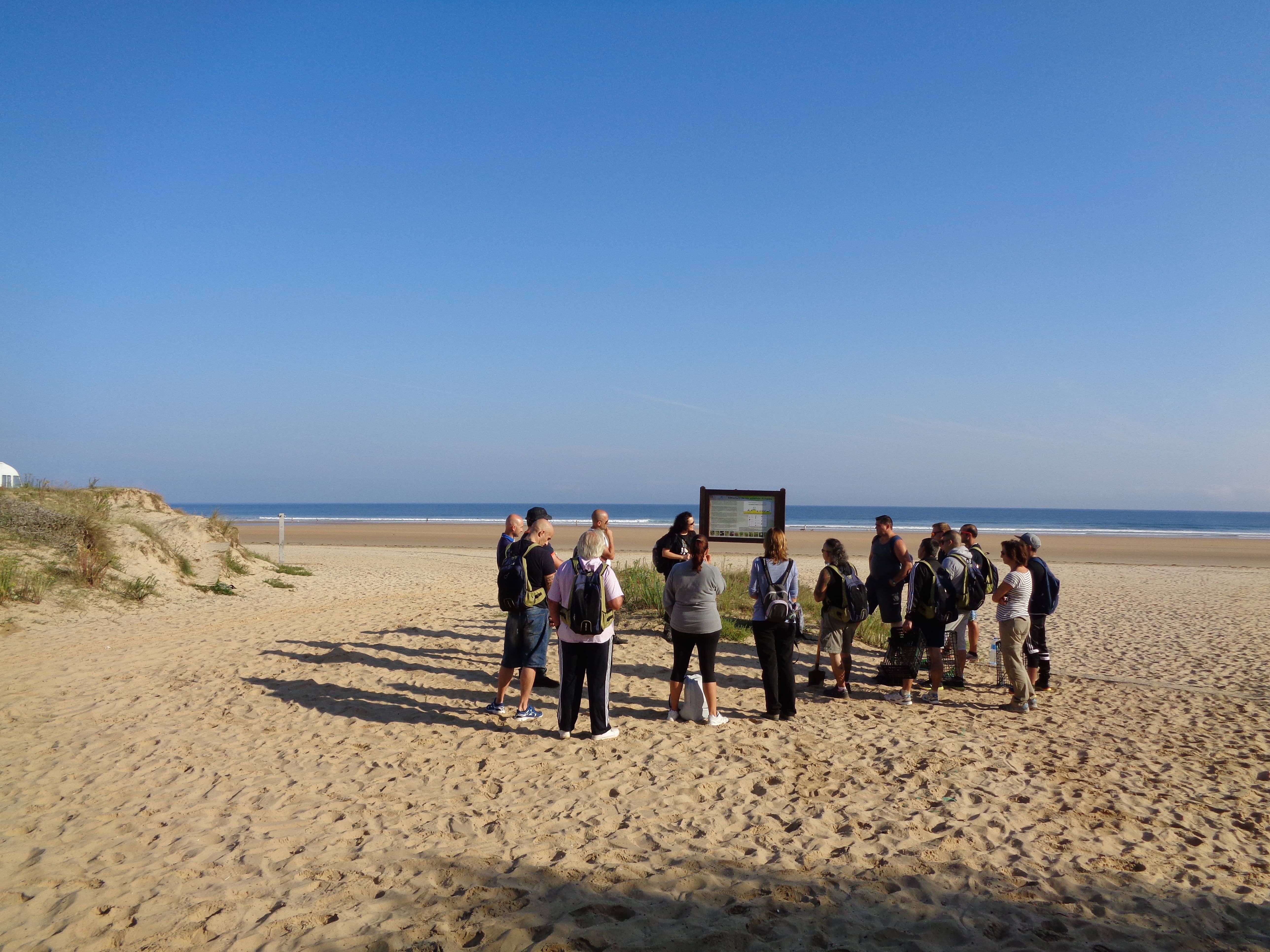
    Participants attended a briefing about the protected area where the activity was going to take place.

    The day started with an introduction to the Natural Protected Area, and to the dynamic and biological communities of dune system ecosystems on the Cantabrian coast. We used an educational sign located at the entrance of the beach, next to the car park.

    After that explanation, we moved towards the frontal dune on Berria beach to collect specimens of plants uprooted by the tide. Sea daffodil (Pancratium maritimum) bulbs were found and transplanted to areas devoid of vegetation later that day.

    On the way back we walked inside the dune system and collected a small amount of fringed pink (Dianthus hyssopifolius) and Virginia stock (Matthiola sinuata) to plant in the El Dueso Penitentiary Gardening Workshop nursery centre. The plants will be used in future activities within the NACAR project. The seeds and some cuts of crossworts (Cruccianella maritima) were given to the El Dueso Penitentiary Gardening Workshop instructor so they can practice with these species.

    During the entire walk, we extracted and collected 60 litres of different types of waste.

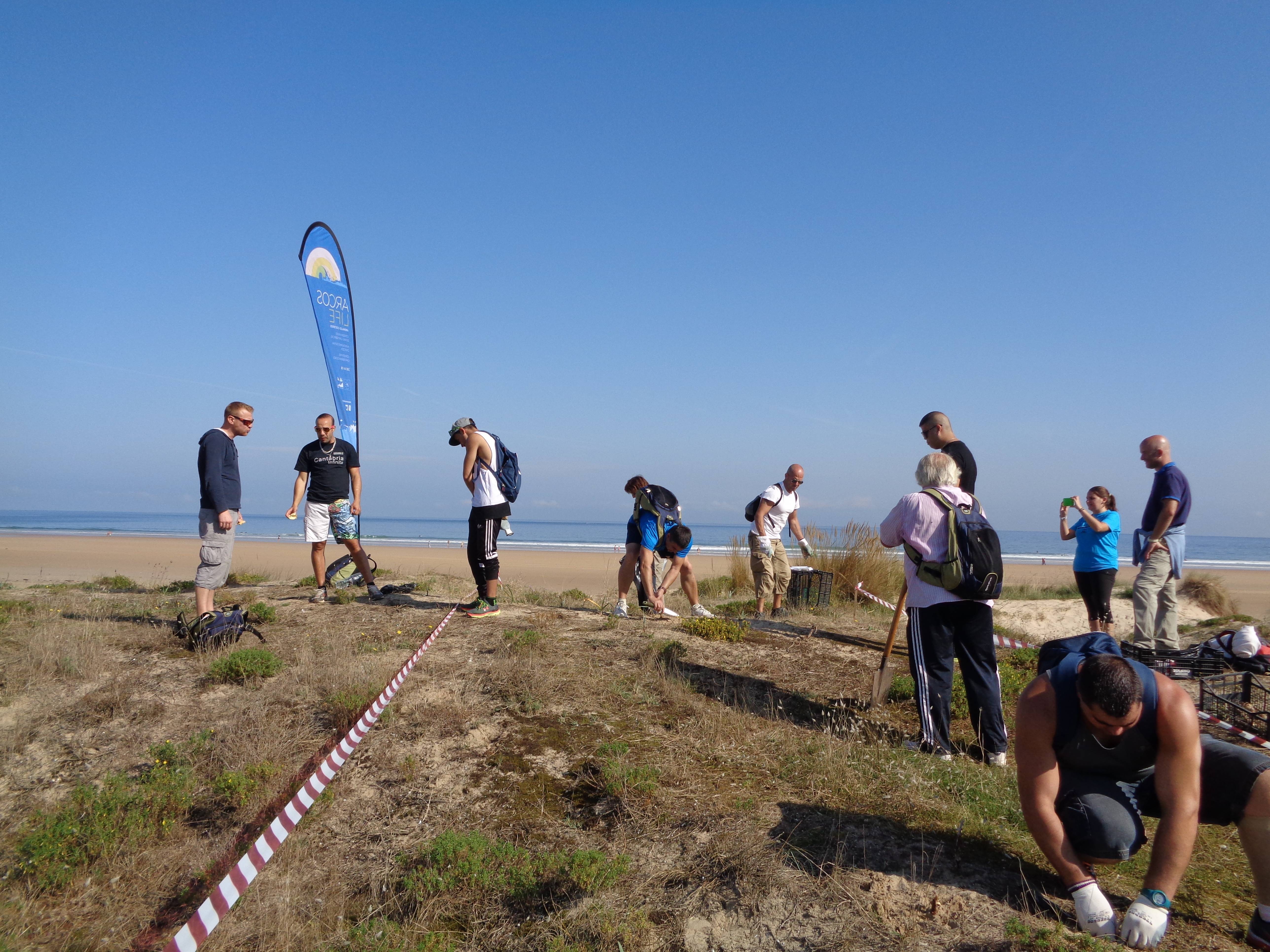
    Photo of volunteers extracting common ragweed within the marked area.

    The last activity was to manually and carefully extract specimens of the entire existing population of common ragweed (Ambrosia artemisiifolia) in the tertiary dune area of Berria beach to prevent its creeping rhizome from re-growth. We also extracted around 15 very young specimens of another invasive species, the Adam’s needle (Yucca gloriosa)—its roots were extracted with hand shovels. A few specimens of horseweed (Coniza canadensis) were also extracted. A total of approximately 40 litres of invasive plants were extracted.

    We eradicated invasive plants in two areas. The first was around 738 m2, where the vast majority of the common ragweed population is located and where all the Adam’s needles extracted in the tertiary dune area are located. The second area, located in a secondary dune, was around 64 m2. Only common ragweed was extracted from the second area.

    The areas where we eradicated invasive plants were marked off with tape and wood posts to clear the area better and to eliminate 100% of the existing individuals. Since we also extracted common ragweed in this area during an activity on 12 June, this time we found just a few, small plants. This means the area is currently quite under control.

    We met the goals of this dune system habitat restoration and environmental awareness day. Inmates expressed interest in participating in future volunteer days.

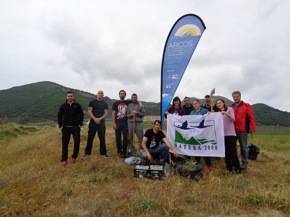
    When the day ended, the inmates and educators from El Dueso Penitentiary, two interns and the Technician from the Nature Conservation Service of the Government of Cantabria posed for a photo to commemorate the magnificent day they spent conserving dune systems.

  • Volunteering day in Berria with the aim of NACAR project. Event date: 12/06/2015

    Volunteering day in Berria with the aim of NACAR project. Event date: 12/06/2015

    Dune restoration by removing waste, invasive plants and by planting sea daffodils on the Berria beach (SCI Santoña, Victoria and Joyel Marshes)

    NACAR_banderola
    Image of the group of participants on the volunteering day

    After being forced to rain off the activity set for 15th May, this time inmates and technicians from the El Dueso Penitentiary Centre participated in the start of the volunteering activities within the Life+ARCOS programme, also giving continuity to the NACAR Programme (Nature and Prison) that has involved environmental volunteering work since 2009 on the Berria beach dune system.

    articulo_NACAR_localizacion
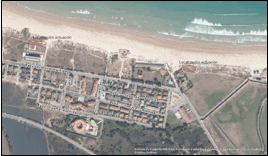
    Area of action

    The Nature Conservation Expert from the Directorate General of Forestry and Conservation from the Government of Cantabria and two trainees (Technical Forestry Engineers) explained the Life+ARCOS programme, whose main aim is to restore dune systems on different points along the Cantabrian coast. They gave them notions about the Protected Natural Space, the problematic issue of invasive species, planting bulbs, giving their full support at all times for hands-on implementation.

    The first action that was carried out was collecting waste and removing specimens from the entire ragweed population (Ambrosia artemisiifolia) along the tertiary dune area on the Berria beach, using careful manual removal techniques to avoid new shoots from forming in the future from the stoloniferous rhizomes. Some 30 young specimens of another invasive species were found in the same area: Adam’s needle (Yucca gloriosa), which were also removed, excavating the sand so as to remove its roots.

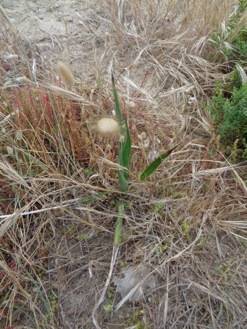
    yucca
    Yucca gloriosa

    Next, almost 100 sea daffodils were replanted (Pancratium maritimum) in the areas cleared of the ragweed. The sea daffodil bulbs used had been kept since March in the nursery of the El Dueso Penitentiary Centre Gardening Workshop, as part of another activity carried out by inmates involving collecting the bulbs from the same dune system where they had been displaced by winter storms.

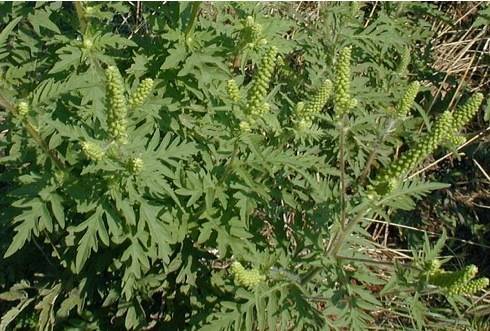
    ambrosia
    Ambrosia artemisiifolia

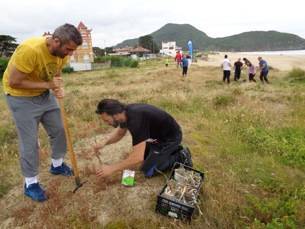
    The second activity was carried out on the middle zone of the dune system, in front of the Juan de la Cosa Hotel, also on the Berria beach tertiary dune. First the small stones and rubble piled on the sand were sieved out, so as to remove the largest materials. Next, the sea daffodil bulbs were replanted.

    Plantación de bulbos de azucena marina
    Plantación de bulbos de azucena marina


    The objectives of this day to improve the dune system habitats and to raise environmental awareness have been successfully achieved. The area worked on directly, in total comprised some 1,500 m2 of tertiary dune.

    At the end of the day, the inmates received a Life+ARCOS project t-shirt and they were enthusiastic about having the opportunity to have collaborated in this environmental activity.

    As well as various workshops, the El Dueso Penitentiary Centre also has a Radio channel that broadcasts the most important events in which the inmates participate. After the day of volunteering, one of the participants broadcast on the El Dueso Radio Programme in the local area of Santoña, about the activities carried out, including details about the plant species that they had been working on.

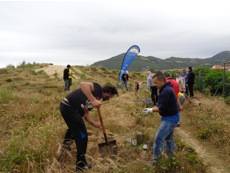
    Voluntarios durante los trabajos de restauración de la duna terciaria de Berria
    Volunteers during the Berria tertiary dune restoration works

    We hope to carry out a new activity from the LIFE+ARCOS soon, in collaboration with the NACAR Programme (Nature and Prison)!