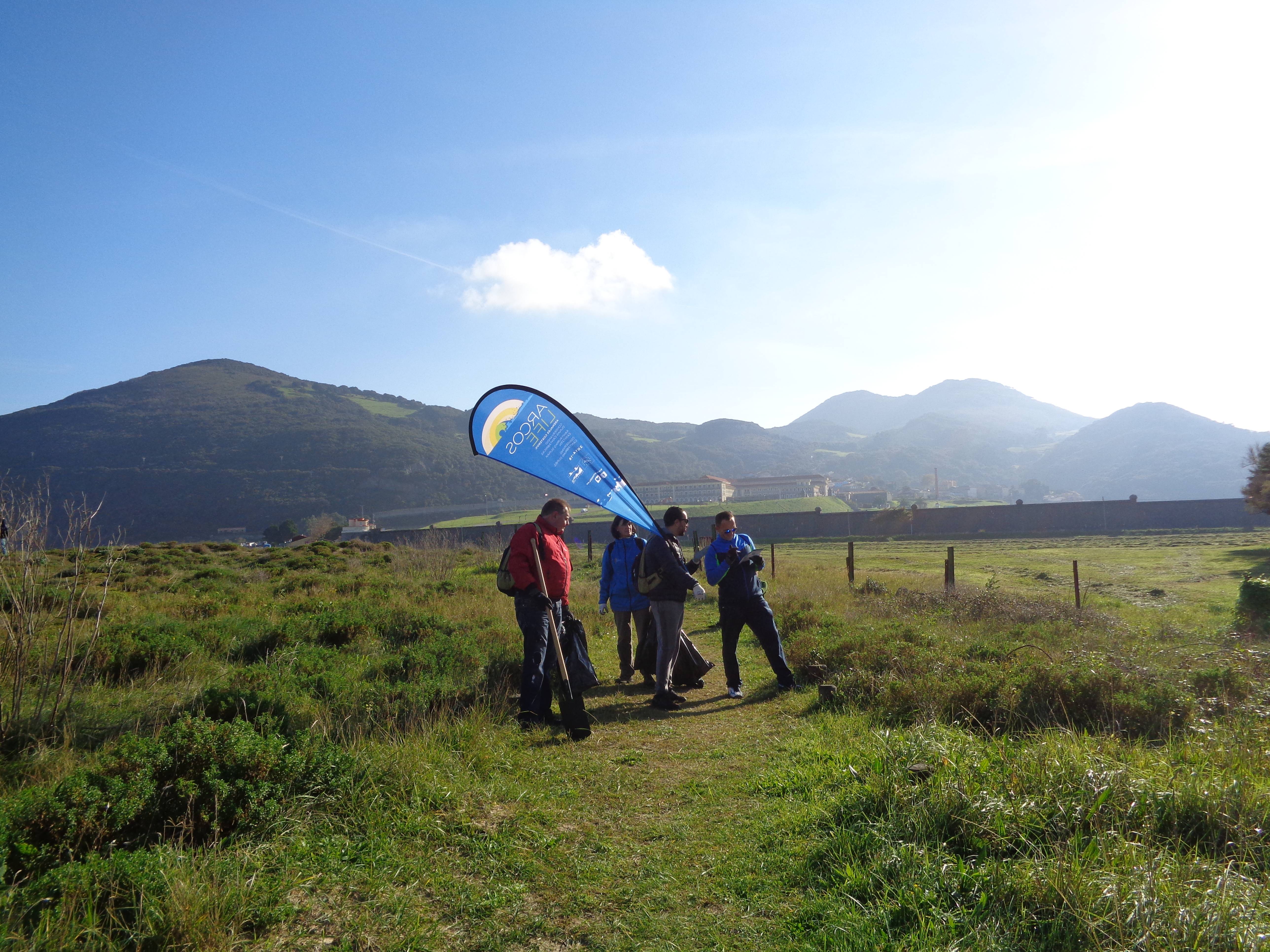
Autor: me

  • Life+ARCOS cierra el año en Cantabria con más acciones de voluntariado de AMICA-SAEMA, AMPROS y SERCA

    Life+ARCOS cierra el año en Cantabria con más acciones de voluntariado de AMICA-SAEMA, AMPROS y SERCA

    Una nueva jornada de voluntariado, a la cual se sumaron los grupos de AMICA-SAEMA, AMPROS y SERCA, cerró el pasado 20 de diciembre 2017 la actividad anual del Proyecto LIFE Arcos en Cantabria. 

    La actuación se llevó a cabo en el sistema dunar de la playa de Helgueras-Trengandín, en Noja.  El área de trabajo donde ya se había trabajado en anteriores ocasiones y en el que se ha evidenciado en los últimos años la eficacia de los trabajos realizados de control de especies invasoras en el marco del Proyecto LIFE arcos. 

    Antes de comenzar, los grupos recibieron, por parte de la Directora del Parque Natural de las Marismas de Santoña, Victoria y Joyel, una breve introducción acerca de la flora exótica invasora y la importancia de su eliminación para garantizar la conservación de los hábitats naturales de los sistemas dunares cantábricos.  En dicha introducción, se puso especial interés en la identificación de las plantas sobre las cuales se trabajaría posteriormente y el modo de proceder para su control.  Los equipos practicaron el reconocimiento de las especies exóticas invasoras “in situ” con la dificultad de que en esta época estas plantas no presentan las flores que facilitarían su búsqueda pero les sirvió de entrenamiento.

    El buen ambiente y dinamismo en las labores realizadas marcaron la jornada y fruto de ello durante la mañana se lograron eliminar 1 kg de Crocosmia sp., 2 kg de Agave americana, 6 kg de Sedum praealtum, 10 kg de canastilla de plata (Alyssum maritimum), 18 kg de humagón (Erigeron canadensis), 18 kg de Onagra (Oenothera sp.), sumando un total de 55 kg de plantas invasoras en una superficie aproximada de 4.000 m2, así como 3 kg de basura.

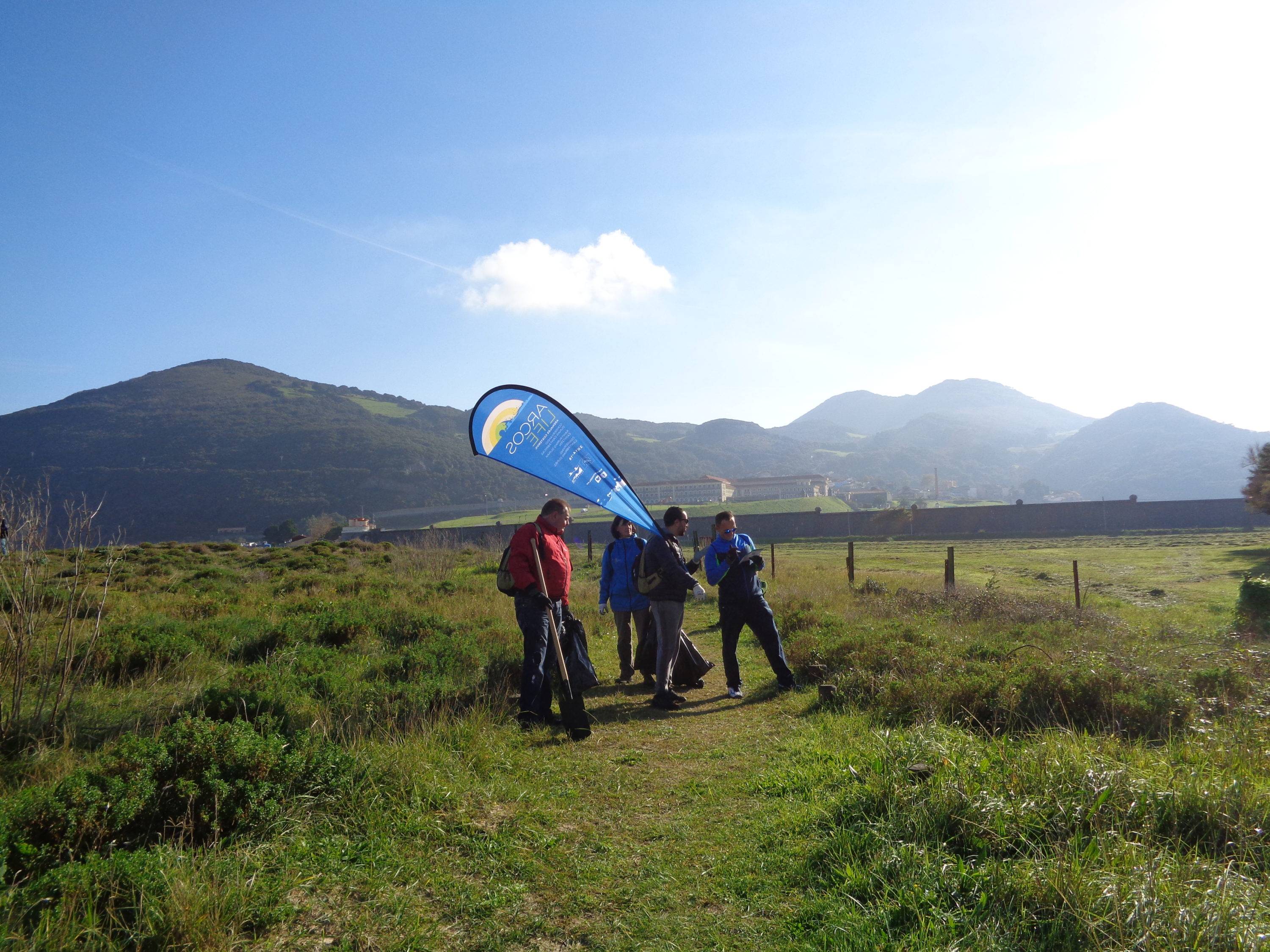
    Ejemplar de Agave americana (especie invasora) antes de su retirada por los participantes en esta acción de voluntariado

    En este día se contó también con el apoyo en todo momento del Técnico Auxiliar del Medio Natural de la zona perteneciente a la guardería, así como del personal de la Red Cántabra de Desarrollo Rural y dos técnicos becarios de la Dirección General del Medio Natural del Gobierno de Cantabria.

    Al final de la mañana y como cierre de la actividad, se recibió la visita y el saludo de diversas autoridades tanto autonómicas como municipales, acudiendo personalmente a la zona de trabajo el Consejero de Medio Natural, Pesca y Alimentación, el Alcalde y la responsable técnica del área de Medio Ambiente del Ayuntamiento de Noja.  Todos ellos coincidieron en señalar la importancia de la perseverancia en estas labores y agradecieron en primera persona su implicación a los participantes.

    De este modo, y con el propósito de seguir con la colaboración entre organismos para llevar a cabo estos trabajos de control de especies exóticas invasoras se cerraron las actividades del 2017 en lo referente al LIFE Arcos en Cantabria.  No queda sino reiterar el agradecimiento por parte de la Dirección General del Medio Natural del Gobierno de Cantabria a las personas y organizaciones colaboradoras por su interés y buen hacer.
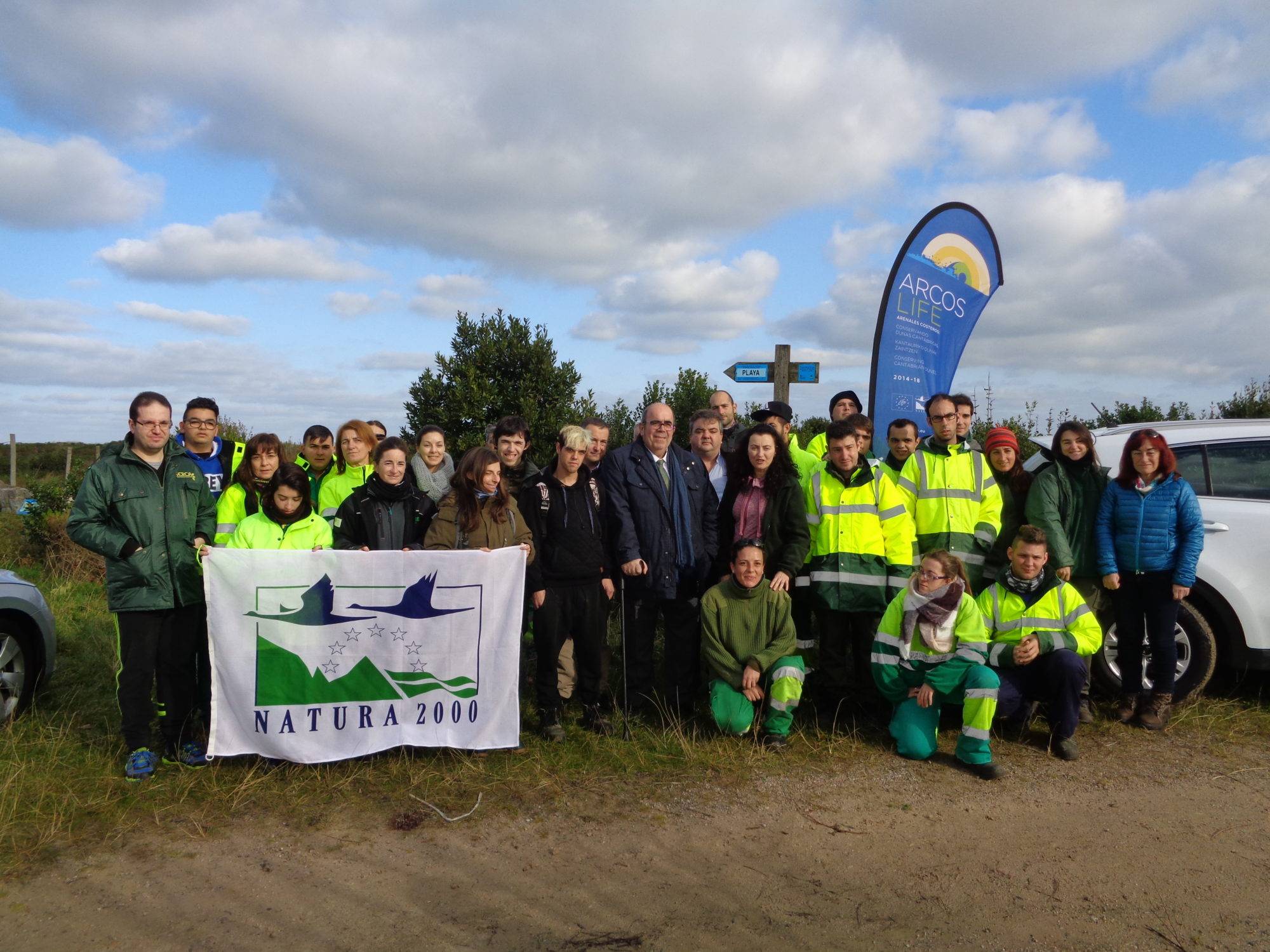
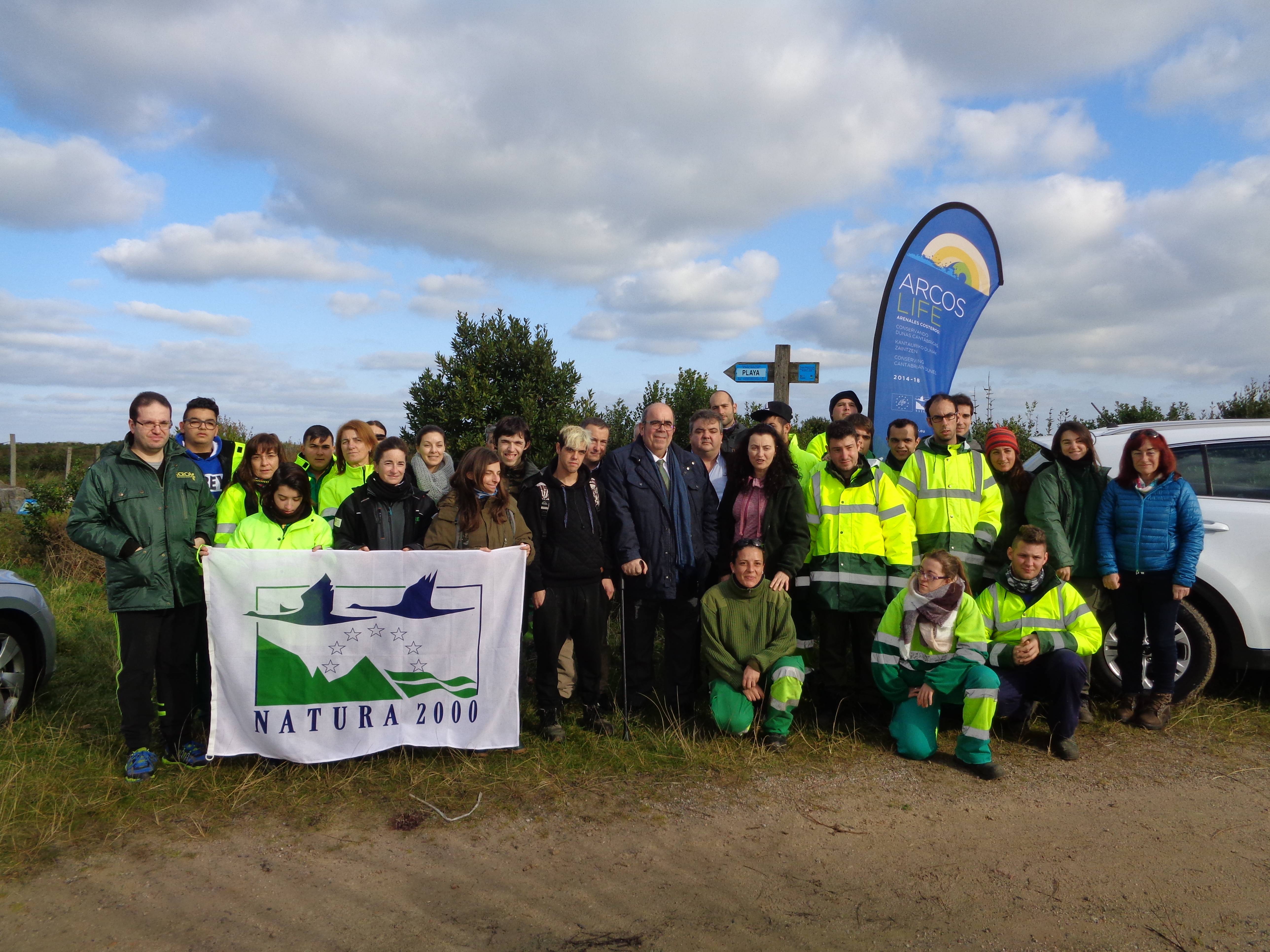
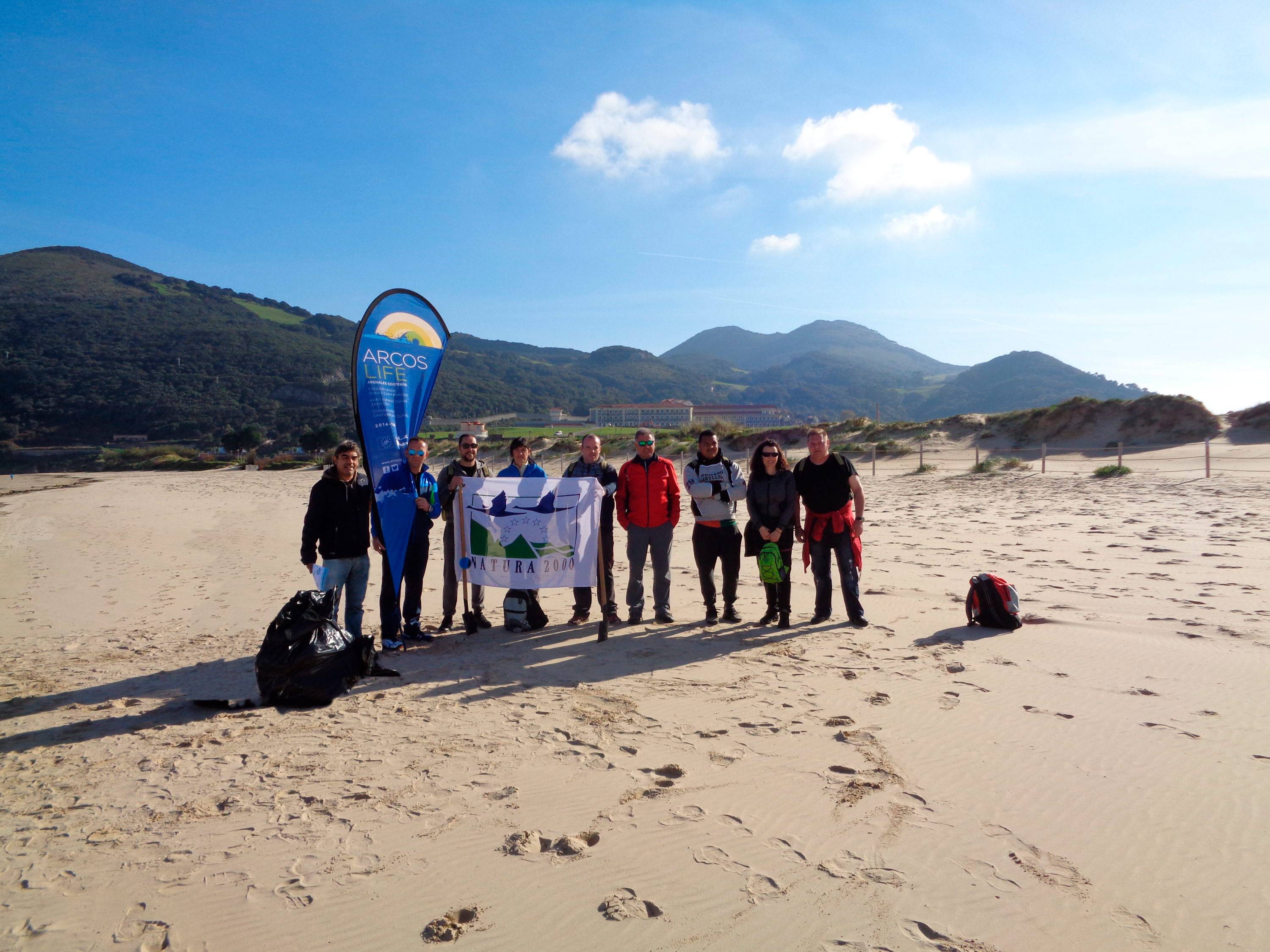
    El equipo de trabajo participante recibe la presencia del Consejero de Medio Natural, Pesca y Alimentación, el Alcalde y la responsable técnica del área de Medio Ambiente del Ayuntamiento de Noja, entre otros.
  • Life+ARCOS closes 2017 with a new volunteers action in Cantabria conducted by AMICA-SAEMA, AMPROS and SERCA

    Life+ARCOS closes 2017 with a new volunteers action in Cantabria conducted by AMICA-SAEMA, AMPROS and SERCA

    On 20th December 2017 a new volunteering day was held, with participants from the AMICA-SAEMA, AMPROS and SERCA groups, closing the annual LIFE Arcos project activity in Cantabria.  

    The activity took place on the Helgueras-Trengandín beach dune system in Noja.  The area chosen for the activity had undergone work on previous occasions, and the effectiveness of the actions carried out over the past years to control invasive species within the LIFE Arcos project were evident. 

    Before starting, the Director of the Santoña, Victoria and Joyel Marshes Natural Park gave the groups a brief introduction about the invasive exotic flora and the importance of eliminating them so as to ensure the conservation of the natural habitats of the Cantabrian dune systems.  Particular emphasis was given during this introduction on identifying the plants to be worked on and how best to control them.  The teams performed an “in situ” recognition and training activity of the invasive exotic species, with the added difficulty of the lack of flowers (given the time of year), which would have made them easier to find.

    The good atmosphere and the energy shown in the tasks carried out made for a productive day, meaning that during the morning the teams managed to remove 1 kg of Crocosmia sp., 2 kg of Agave americana, 6 kg of Sedum praealtum, 10 kg of sweet alyssum (Alyssum maritimum), 18 kg of horseweed (Erigeron canadensis), and 18 kg of evening primrose (Oenothera sp.), totalling 55 kg of invasive plants in an area of approximately 4,000 m2, as well as 3 kg of rubbish.

    Agave Americana specimen (invasive species) before being removed by the participants in this volunteering action.

    The day was also supported at all times by the Technician Assistant of the Environment of the area belonging to the nursery, as well as staff from the Cantabrian Rural Development Network and two trainee technicians from the Government of Cantabria Directorate General of the Environment

    At the end of the morning, and to close the activity, participants were greeted by various regional and municipal authorities, with the Councillor for the Environment, Fisheries and Food, the Mayor, and the technical manager of the Noja Council Environmental Department, all visiting the work area in person.  They all concurred that perseverance in

    these tasks was of the utmost importance, and were able to thank the participants for their involvement first hand.

    This way, and with the aim of continuing with collaborations between bodies to implement these tasks to control invasive exotic species, the 2017 LIFE Arcos activities in Cantabria were brought to a close.   It only remains to reiterate the thanks from the Directorate General of the Environment of the Government of Cantabria to all the people and organisations taking part for their interest and good work.

    The participating work team is greeted by the Councillor for the Environment, Fisheries and Food, the Mayor and the technical manager from the Noja Council Environmental Department, among others.
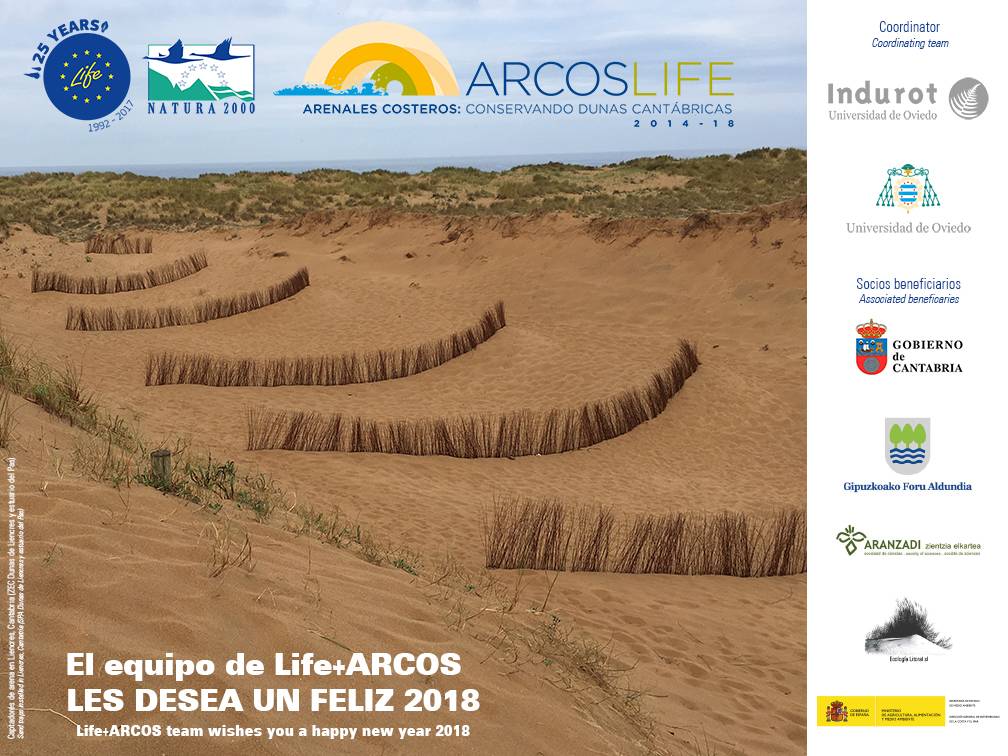
  • Life+ARCOS os desea un feliz año 2018

    Life+ARCOS os desea un feliz año 2018

    Todo lo mejor para este nuevo año 2018. Todavía hay mucho trabajo por hacer en nuestras dunas costeras. Seguimos en ello.

    All the best for this new year 2018. There is still a hard work to do on our coastal dunes. We are all in.


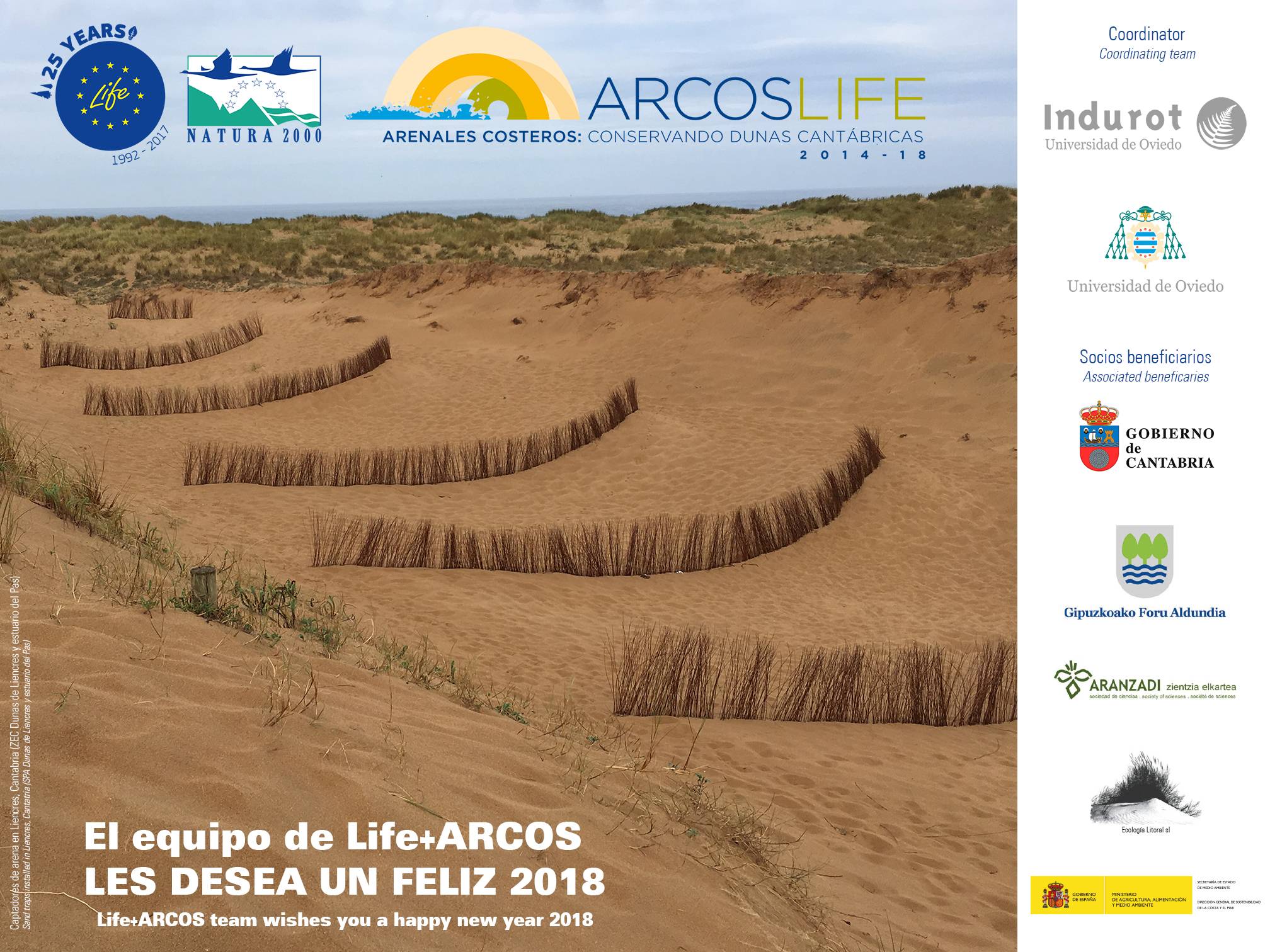
  • Life+ARCOS wishes you a happy new year 2018

    Life+ARCOS wishes you a happy new year 2018

    Todo lo mejor para este nuevo año 2018. Todavía hay mucho trabajo por hacer en nuestras dunas costeras. Seguimos en ello.

    All the best for this new year 2018. There is still a hard work to do on our coastal dunes. We are all in.


  • Life+ARCOS discuss the planned actions for restoring Barayo with Municipal representatives from Navia and Valdés and with the NGO Asociación de Amigos de Barayo

    Life+ARCOS discuss the planned actions for restoring Barayo with Municipal representatives from Navia and Valdés and with the NGO Asociación de Amigos de Barayo

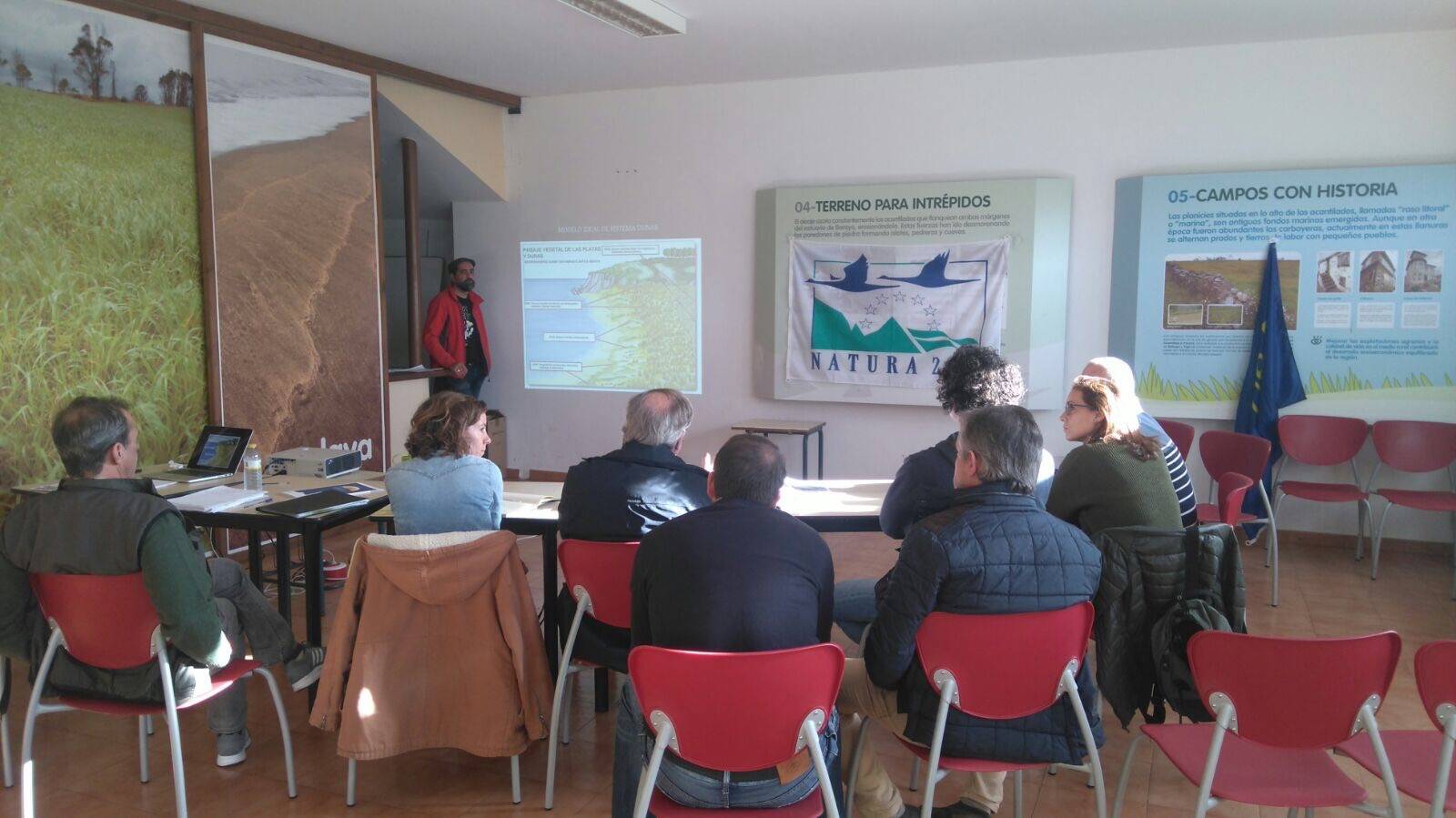
    On 23rd November 2017, the Life+ARCOS team travelled to the town of Vigo in Navia, home to the Partial Natural Reserve of Barayo Interpretation Centre, to take part in an information session including the participation of various members of the Life+ARCOS project coordinating team belonging to the University of Oviedo, along with ECOLOGÍA Litoral, also a project partner, with the manager Carlos Ley Vega de Seoane.

    Representatives from the two councils that share the space occupied by the Partial Natural Reserve of Barayo, Valdés and Navia attended the meeting. Representing the Navia Council was Marino Fernández, and on behalf of the Valdés Council were Ricardo García and Marcos Fernández. The Principality of Asturias was also present at the meeting, represented by Susana García Díaz, a biologist from the Service of Protected Spaces and Nature Conservation from the Directorate-General of Biodiversity.

    Tomás E. Díaz, the principal researcher, and Elena Fernández Iglesias along with J.Ignacio Felpete, technicians from the project linked to the INDUROT (Institute of Natural Resources and Territorial Planning), were in charge of breaking down the actions proposed in the Action Plan for Barayo. This Action Plan constitutes an internal document to manage the actions that have been agreed to by the players involved in managing the protected space

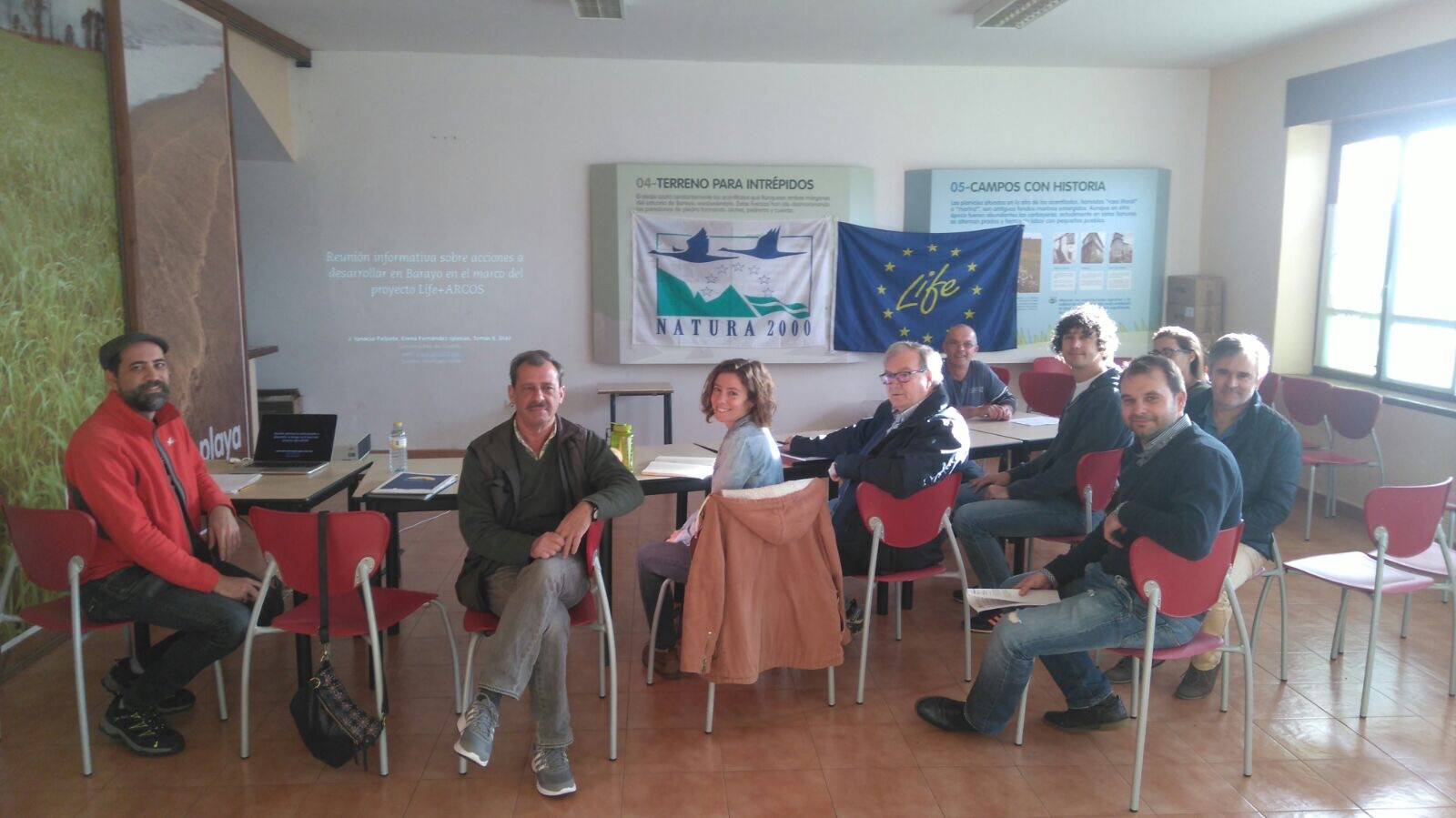
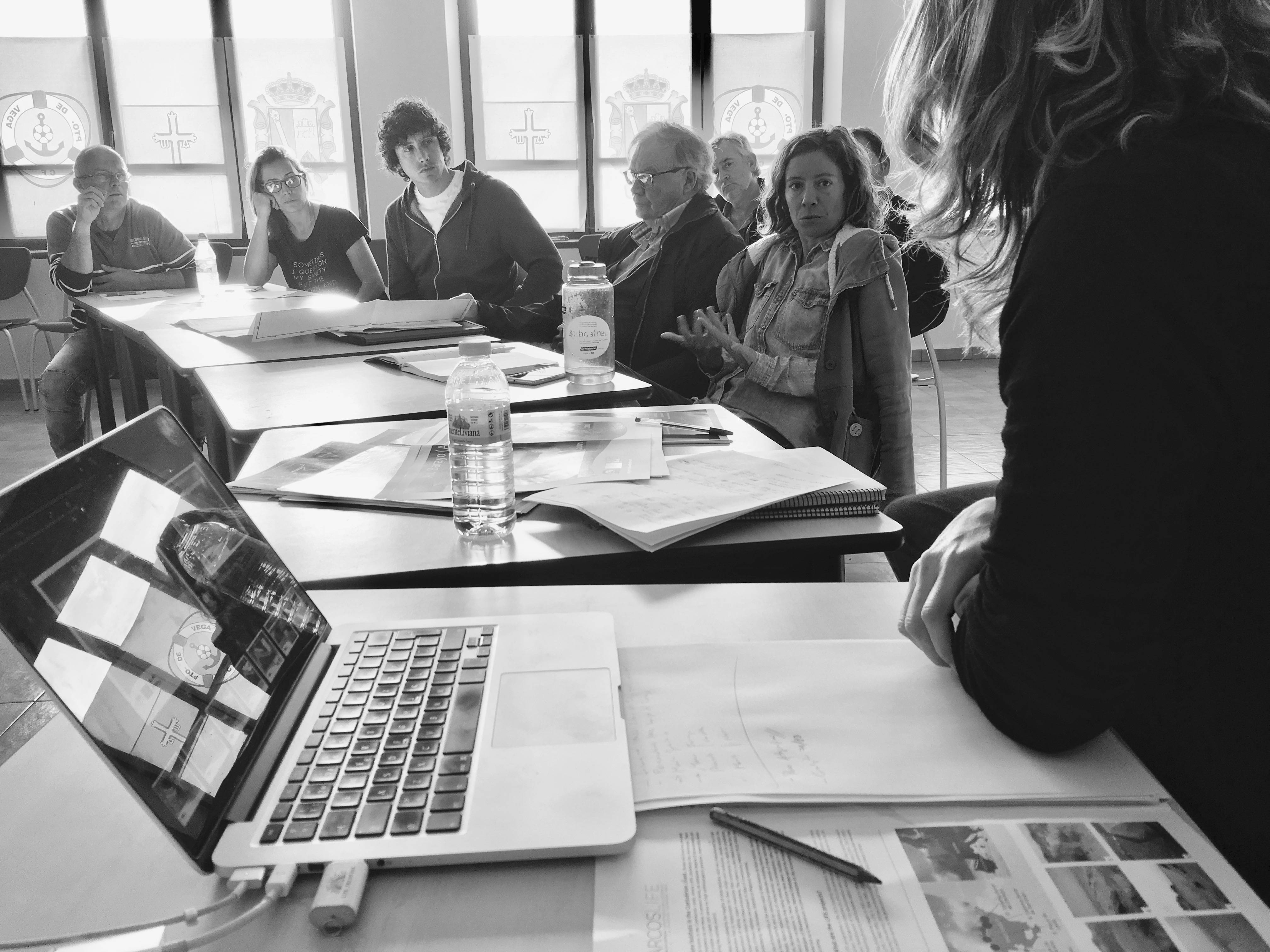
    Some of the attendees at the information meeting held at the Partial Natural Reserve of Barayo Interpretation Centre

    The meeting format meant that questions or debates about the scope of the actions could be proposed whilst they were being presented. The contributions of the attendees, in particular those from local people from the area of action, were extremely interesting. Particularly significant, in terms of the action to eliminate the pine covering currently present on the dune space, was the historical review using aerial photos from 1956 to the modern day, to confirm that the first Pinus pinaster plantations must have occurred at the end of the 1950s. Some unsuccessful management actions performed on the space were also reviewed, in comparison with those proposed today, and some of the reasons behind the failure of these actions were analysed.

    Part of the presentation was also dedicated to understanding the extent of the problem of invasive exotic species within the protected space, very insignificant in terms of diversity (around 5 species), yet extremely important in terms of the space occupied by the most worrying of them all: Spartina patens. Information was given about the results obtained from the partial trials performed in situ, and discussions were held about the possibility of applying the same technique used in the trials across the entire occupied area.

    The presentation

    The meeting was an opportunity to reveal the actions that are going to be carried out in the space, and to reinforce or set up communication channels between neighbouring groups and associations such as the Asociación de Amigos de Barayo (with which a joint day of volunteering was already planned). In short, the aim was to link together the actions of this project funded by the European LIFE programme, with the reality of the inhabitants of the spaces targeted for recovery, so as to involve them in the decision-making process. The pleasant atmosphere enjoyed throughout the day leads us to think that the environmental improvement targets for the protected space are shared by all participants, and also helped us close this year with a common wish for actions to be implemented as best as possible, without forgetting the need for these actions to continue over time to ensure both mid and long-term success.

  • Life+ARCOS expone su plan de acción para Barayo en una jornada informativa que reúne a ayuntamientos y asociaciones

    Life+ARCOS expone su plan de acción para Barayo en una jornada informativa que reúne a ayuntamientos y asociaciones

    Este jueves 23 de noviembre de 2017, el equipo de Life+ARCOS se ha desplazado hasta la localidad naviega de Vigo, donde se localiza el Centro de Interpretación de la Reserva Natural Parcial de Barayo, para desarrollar una sesión informativa en la que han participado varios miembros del equipo coordinador del proyecto Life+ARCOS pertenecientes a la Universidad de Oviedo, junto con  ECOLOGÍA Litoral, socio también del proyecto, a través de su gerente Carlos Ley Vega de Seoane.

    A la reunión han asisitido representantes de los dos ayuntamientos que se reparten el espacio ocupado por la Reserva Natural Parcial de Barayo: Valdés y Navia. Por parte del ayuntamiento naviego contamos con la presencia de Marino Fernández, mientras que  Ricardo García y Marcos Fernández, lo hicieron en representación del ayuntamiento de Valdés. También el Principado de Asturias estuvo presente en la reunión, representado por Susana García Díaz, bióloga del Servicio de Espacios Protegidos y Conservación de la Naturaleza de la Dirección General de Biodiversidad.

    Tomás E. Díaz, investigador principal y Elena Fernández Iglesias junto a J.Ignacio Felpete, técnicos del proyecto vinculados al INDUROT, se encargaron de desgranar las acciones planteadas en el Plan de Acción para Barayo. Este Plan de Acción constituye un documento interno de gestión de las acciones que ha sido consensuado con parte de los actores implicados en la gestión del espacio protegido.

    Parte de los asistentes a la reunión informativa celebrada en el Centro de Interpretación de la Reserva Natural de Barayo

    El formato de la reunión permitió que durante la presentación de las acciones, se debatiera o preguntara al mismo tiempo sobre el alcance de las mismas. Las aportaciones de los asistentes, fundamentalmente de aquellos vecinos a la zona de actuación fueron muy interesantes. Especialmente significativo, en lo que tiene que ver con la acción de eliminación de la cubierta de pinos existente sobre el espacio dunar, fue el repaso histórico mediante fotogramas aéreos desde al año 1956 a la actualidad, para confirmar que la primeras plantaciones de Pinus pinaster debieron hacerse a finales de los años 50. Se revisaron también algunas actuaciones no exitosas en la gestión del espacio, por su parecido con la que se plantea actualmente y se analizaron algunas de las causas que motivaron el fracaso de tales acciones.

    También se dedicó parte de la presentación a entender la dimensión del problema de las especies exóticas invasoras en el espacio protegido, muy poco significativos en cuanto a su diversidad (alrededor de 5 especies) pero sí en la superficie ocupada por la más preocupante de todas ellas: Spartina patensSe informó sobre los resultados obtenidos en los ensayos parciales de realizado in situ y se discutió sobre la posibilidad de abordar la misma técnica utilizada en los ensayos,  para todo el área de ocupación.

    Momento de la presentación

    La reunión sirvió para dar a conocer las acciones que se van a llevar a cabo en el espacio, reforzar o establecer canales de comunicación con los grupos vecinales y asociaciones como la Asociación de Amigos de Barayo, con la que ya se propuso el desarrollo de una jornada conjunta de voluntariado y, en definitiva, enlazar las acciones de este proyecto financiado por el programa europeo LIFE, con la realidad de los habitantes de estos espacios que se pretenden recuperar, haciéndoles partícipes en la toma de decisiones. El distendido ambiente con el que transcurrió la jornada nos hace pensar que los objetivos de mejora ambiental del espacio protegido son comunes a todos los que allí nos reunimos y sirvió además para acometer este fin de año con un deseo conjunto de que las acciones se lleven a cabo de la mejor manera posible, sin olvidar la necesidad de que dichas acciones cuenten con una continuidad en el tiempo que asegure su éxito a medio y largo plazo.

  • El proyecto de Limpieza Internacional de Costas de ciencia ciudadadana se pone en marcha en Cantabria de la mano del Programa NACAR (Naturaleza y Cárcel) y del Proyecto LIFE ARCOS

    El proyecto de Limpieza Internacional de Costas de ciencia ciudadadana se pone en marcha en Cantabria de la mano del Programa NACAR (Naturaleza y Cárcel) y del Proyecto LIFE ARCOS

    El pasado 17 de noviembre tuvo lugar una nueva jornada de voluntariado, en el marco del Proyecto LIFE ARCOS de restauración y conservación dunar, en esta ocasión con un enfoque distinto y novedoso.

    La actividad formaba parte del programa NACAR (Naturaleza y Cárcel), programa a través del cual los internos del Centro Penitenciario de El Dueso en Santoña colaboran en numerosas ocasiones con el Proyecto LIFE ARCOS, principalmente en la retirada de especies exóticas invasoras, la producción y plantación de flora autóctona en los sistemas dunares de las playas cercanas al centro penitenciario (Playa de Berria en Santoña y Helgueras en Noja).

    La directora del Parque Natural de las Marismas de Santoña, Victoria y Joyel expuso la importancia y funcionamiento de los sistemas dunares y sus hábitats; y seguido se pasó a la presentación, por parte de los miembros de la Asociación Ambiente Europeo (http://ambienteeuropeo.org/) del proyecto de ciencia ciudadana “Limpieza Internacional de Costas”, sus objetivos así como la preocupante problemática de los residuos plásticos en los mares y océanos a nivel mundial. La playa y el sistema dunar de Berria (Santoña) fueron el escenario de esta primera actividad en Cantabria realizando una recogida de residuos de origen antrópico con la metodología de Ocean Conservancy utilizada a nivel internacional en más de 100 países y territorios.

    Retirada de residuos

    El minucioso trabajo que plantea esta metodología consiste en detallar la cantidad de los diferentes residuos encontrados en el área de estudio con el fin de dar a conocer la naturaleza de los mismos, y la sorprendente cotidianidad de muchos de ellos, de manera que pueda generar en la opinión pública un cambio de conciencia que derive en cambios de hábitos en la vida diaria. Durante la mañana se llevó a cabo la recogida de residuos (unos 14,5 kg) tanto en 250 m de la zona del sistema dunar como, posteriormente, en la línea de marea donde se concentra la mayor parte de residuos no biodegradables que arrastra el oleaje.

    Durante el recorrido realizado para la recogida de residuos, se trasladó algún esqueje de espigadilla de mar (Crucianella maritima) y semillas de otras especies de flora autóctona dunar como linaria marina y clavelina marina para su reproducción en el vivero de El Dueso (Taller de Jardinería) y su posterior implantación en las dunas de las playas cercanas.

    Por último, se realizó una puesta en común de los estadillos rellenados durante la recogida de residuos para comprobar de primera mano sus características que sirvió para poner nuevamente de manifiesto la importancia que pueden tener simples acciones de nuestro día a día sobre los ecosistemas marinos como evitar adquirir productos con mucho embalaje de plástico o pedir que no nos envuelvan alimentos frescos en plásticos.

    La Dirección General del Medio Natural del Gobierno de Cantabria se muestra enormemente agradecida a las entidades colaboradoras por su implicación en este tipo de trabajos, que ponen de manifiesto la importancia de pequeños gestos para generar grandes resultados e inciden en la necesidad de un cambio de conciencia social especialmente en lo alusivo a la generación de residuos por parte de todos nosotros.

  • The citizen science project «International cleanup of beaches»  finds synergies with Life+ARCOS objectives with the aim of the project NACAR

    The citizen science project «International cleanup of beaches» finds synergies with Life+ARCOS objectives with the aim of the project NACAR

    On 17th November, a new day of volunteering was held, within the framework of the LIFE ARCOS Project for dune restoration and conservation, this time with a new and different approach.

    The project formed part of the NACAR Programme (Nature and Prison), in which inmates from the El Dueso Penitentiary Centre in Santoña are collaborating with the LIFE ARCOS Project on numerous occasions, mainly in the task of removing invasive exotic species, and producing and planting native flora in the dune system in the beaches near the penitentiary centre (Berria beach in Santoña and Helgueras beach in Noja).

    The director of the Santoña, Victoria and Joyel Marshes Natural Park expressed the importance and value of the dune systems and their habitats; this was followed by a presentation given by members from the Asociación Ambiente Europeo (European environment association) (http://ambienteeuropeo.org/) about the citizen science project “International Coastal Cleanup”, its objectives as well as the deeply concerning issue of plastic waste in the world’s seas and oceans. The Berria beach and dune system (Santoña) were the setting for the first activity of this kind in Cantabria, with man-made waste collected using the Ocean Conservancy methodology employed on an international level in over 100 countries and territories.

    Removing waste

    The painstaking work proposed by this methodology consists in detailing the amount of different types of waste found in the study area so as to discover the nature of it, as well as the surprising ordinariness of much of it, to raise awareness among the public and bring about a change in our everyday lifestyle habits. During the morning, waste collection was carried out (some 14.5 kg) on both the 250 m stretch of the dune system, and then along the tide line where the majority of non-biodegradable waste is concentrated, brought in by the tide.

    Along the route followed to collect the waste, some cuttings of crossworts (Crucianella maritima) and seeds from other local dune flora species such as toadflax (linaria) and sea thrift (Armeria maritima) were moved for reproduction in the El Dueso nursery (Gardening Workshop), to be later replanted back on the dunes on nearby beaches.

    Finally, the slips filled out during the waste collection were pooled to verify their characteristics first hand, once again highlighting the great importance that simple actions in our everyday lives can have on marine ecosystems, such as avoiding buying products that have excessive plastic packaging, or choosing not to have fresh foods wrapped in plastic.

    The Directorate General of the Environment from the Government of Cantabria was extremely grateful to the collaborating entities for their involvement in these kinds of tasks, which highlight just how far small gestures go towards producing major results, and that underscore the need for a change in social awareness, particularly in terms of the waste produced by each and every one of us.

  • Ya queda menos para que empecemos a recuperar el sistema dunar de la Reserva Natural de Barayo

    Ya queda menos para que empecemos a recuperar el sistema dunar de la Reserva Natural de Barayo

    El próximo día 23 de noviembre el equipo de LIFE+ARCOS se reúne con las autoridades responsables de la gestión del espacio protegido «Reserva Natural de Barayo» para informar sobre la actuaciones que tienen previsto realizarse en dicho espacio antes de que finalice el año 2017.

    Responsables del Principado de Asturias, de los ayuntamientos de Navia y Valdés, de la empresa Ecología Litoral, socia del proyecto Life+ARCOS y de la Demarcación de Costas de Asturias se reunirán en el Centro de Interpretación de la Reserva Natural de Barayo.

    El motivo de esta reunión es informar a las autoridades competentes sobre la dimensión de las acciones que se llevarán a cabo y más particularmente la tala de los pinos que actualmente ocupan todo el espacio que, en otra época, estuvo ocupado por dunas grises, hábitat prioritario para su conservación, según se recoge en la Directiva 92/43/CEE del Consejo, de 21 de mayo de 1992, relativa a la conservación de los hábitat naturales y de la fauna y flora silvestres, más conocida como “Directiva Hábitat”.

    Con el fin de que todos recordemos cómo fue en su momento este espacio protegido, os dejamos una imagen que os permitirá evidenciar la pérdida de superficie dunar que se ha producido en los últimos 50 años, no sólo como consecuencia de los cambios en el uso del espacio, si no también como consecuencia de los problemas de aporte sedimentario a los que se enfrenta esta singular lugar.

    Sitúate en la barra central que separa ambas imágenes y desplázala de izquierda a derecha para ver el antes y el después.

    El sistema dunar de Barayo (Navia y Valdés) en los años 50 y en la actualidad

  • There’s no much time less to begin the actions to restore the dune system in Barayo protected site (Navia-Valdés, Asturias)

    There’s no much time less to begin the actions to restore the dune system in Barayo protected site (Navia-Valdés, Asturias)

    On 23rd November, the LIFE+ARCOS team is meeting up with the authorities responsible for managing the “Natural Reserve of Barayo” protected space to inform them about the actions envisaged to be implemented in this space before the end of 2017.

    Authorities from the Principality of Asturias, the Navia and Valdés Councils, the Ecología Litora company (partner of the Life+ARCOS project) and the Asturias Coast Demarcation, are set to meet in the Natural Reserve of Barayo Interpretation Centre.

    The aim of this meeting is to inform the competent authorities about the dimension of the actions that will take place, and in particular the felling of the pine trees that currently occupy the entire space. In the past this space was occupied by grey dunes, a priority habitat for conservation, according to that stipulated in the  Directive 92/43/EEC from the Council, 21st May 1992, governing the conservation of natural habitats and wild flora and fauna, better known as the “Habitat Directive”.

    To help us all remember what this protected space used to be like, we will leave you with an image that shows us how much dune area has been lost over the past 50 years, not just as a result of changes in the use of the space, but also as a consequence of the sediment input problems faced by this unique place.

    Place the cursor on the central bar that separates both images and slide it from left to right to see before and after.

    The Barayo dune system (Navia and Valdés) in the 1950s and today