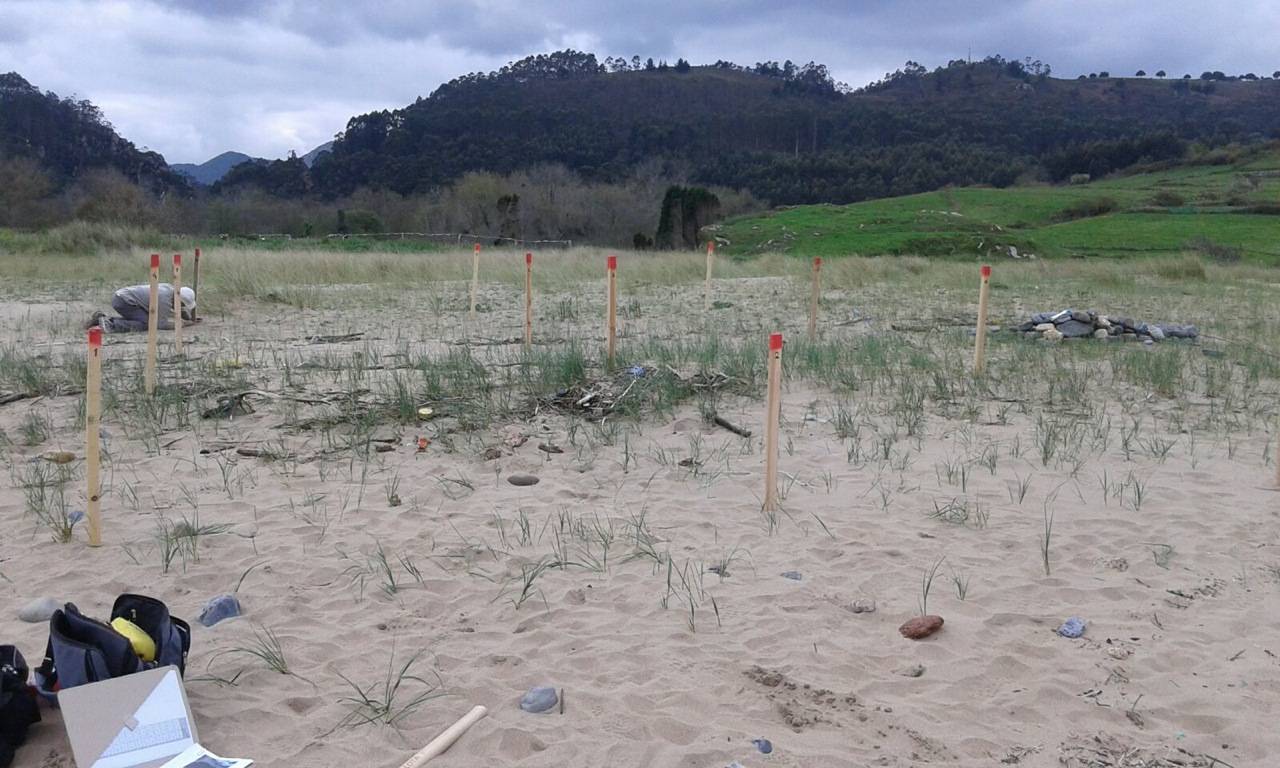
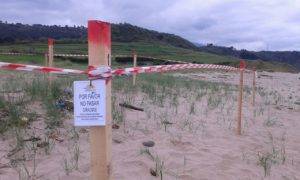
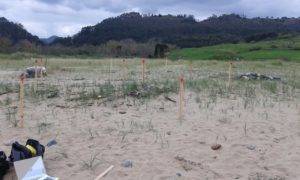
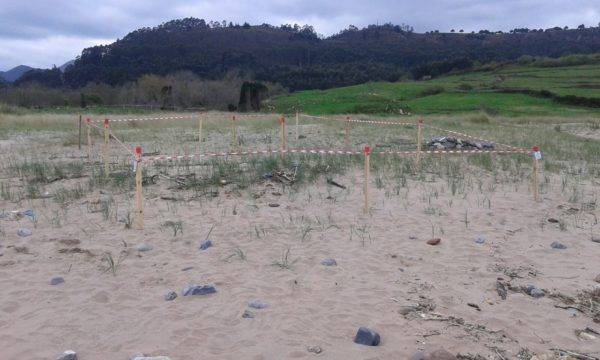
Close-up of the wooden stakes and the enclosure marking off the space where the study is being carried out
The Life+ARCOS team has set up a follow-up system for sand input on the Vega beach (Ribadesella, Asturias).
By positioning graduated wooden stakes in the dune, the aim is to estimate the quantity of sand inputs that occur in this enclave. The Institute of Natural Resources and Land Planning of the University of Oviedo is carrying out this part of the follow-up, led by Jorque Marquínez and Rosana Menéndez.
After setting up an identical measurement system on the Verdicio beach, and yesterday on the Vega beach, all that remains is to install this system on the Barayo beach to complete the three Asturian dune systems where this study is being carried out.
Measurement system installation works
Final appearance of the marked off study area with tape on the graduated wooden stakes
Take a photo of a plant on any of the dunes in the Autonomous Communities where work is being carried out within the Life+ARCOS project (Asturias, Cantabria or the Basque Country)
Upload your dune plant photos using the #natura2000day hashtag
We will only enter your photos into the competition if they include our twitter account @infoarcolife
PRIZES
The best photos will be awarded with the following books:
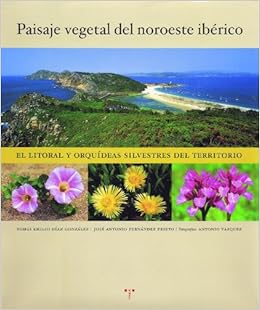
Paisaje Vegetal del noroeste ibérico. El litoral y orquídeas silvestres del territorio (Plant life in North-West Spain. The Coast and Wild Orchids from the Region): book by the co-authors Tomás E. Díaz and J.A. Fernández Prieto and the magnificent photographic illustration by Antonio Vazquez.
Manual de restauración de dunas costeras (Coastal Dune Restoration Manual): by co-author Carlos Ley, from the Ecología Litoral company, beneficiary partner of the Life+ ARCOS Project
El paisaje vegetal de noroeste Ibérico: el litoral y orquídeas silvestres del territorio
At ARCOS+LIFE we want to celebrate the European Natura 2000 Day, which is held on 21st May across Europe.
We are already organising some activities and would love you to take part in them to celebrate this day with us. Keep an eye on our facebook page and our twitter account to receive the latest news. In Asturias, Cantabria and the Basque Country, where LIFE+ARCOS is participating in the conservation of dune ecosystems, we will hold invasive species removal campaigns and talks on the chosen dunes, allowing us to gauge a deeper understanding of the way these fragile ecosystems work, and to witness the problem of invasive exotic species first hand.
We are also going to open a photo competition that will award the best images of dune species, with prizes of books and t-shirts. We will publish the competition rules on our facebook page.
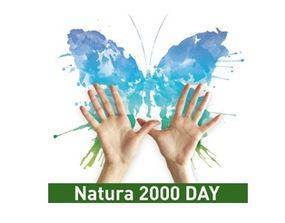
In the meantime, you are welcome to take part in the campaign promoted by the http://www.natura2000day.eu/ page, by sending a photo with the symbol of a butterfly made with your hands, as this video explains.
You can publish your photos using the #natura2000day hashtag, or upload them onto the website http://www.natura2000day.eu/sube-tu-foto/. If you use Twitter, include the #arcoslifeproject hashtag or @InfoArcoslife so we can follow you.
The LIFE+Arcos project is opening up various new channels of citizen participation. One of them is the Association of Friends of the Gijon Atlantic Botanical Garden (AAJBA in Spanish), which is participating in this Cantabrian coastal dune recovery project as a collaborating partner.
The Association brings together botany enthusiasts, some amateur and others professional, who play a major role in environmental education, turning the focus of attention onto the importance of environmental conservation.
An unquestionable bond between citizens and the Atlantic Botanical Garden of Gijon (JBA), the AAJBA has collaborated in numerous different activities implemented by the JBA scientific team, affiliated with the University of Oviedo, a coordinating partner of Life+ARCOS.
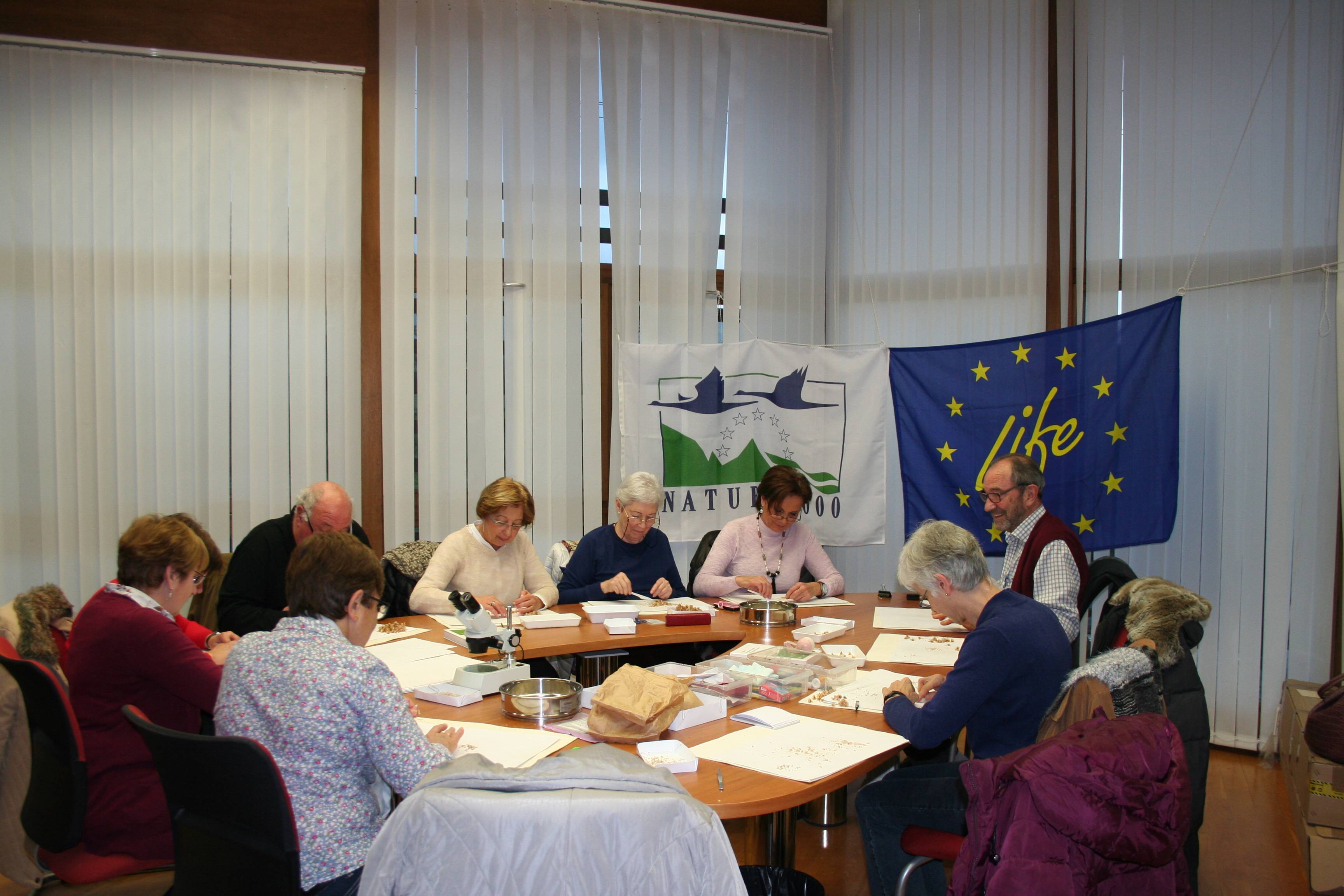
Within Life+ARCOS, the AAJBA is collaborating in the processing and cleaning of dune species’ seeds collected from the La Vega, Verdicio and Barayo beaches. These seeds will be used to produce plants that will later be re-planted in the same enclaves.
Members of the Association of Friends of the Gijon Botanical Garden collaborating by cleaning seeds collected during the Life+ARCOS activity
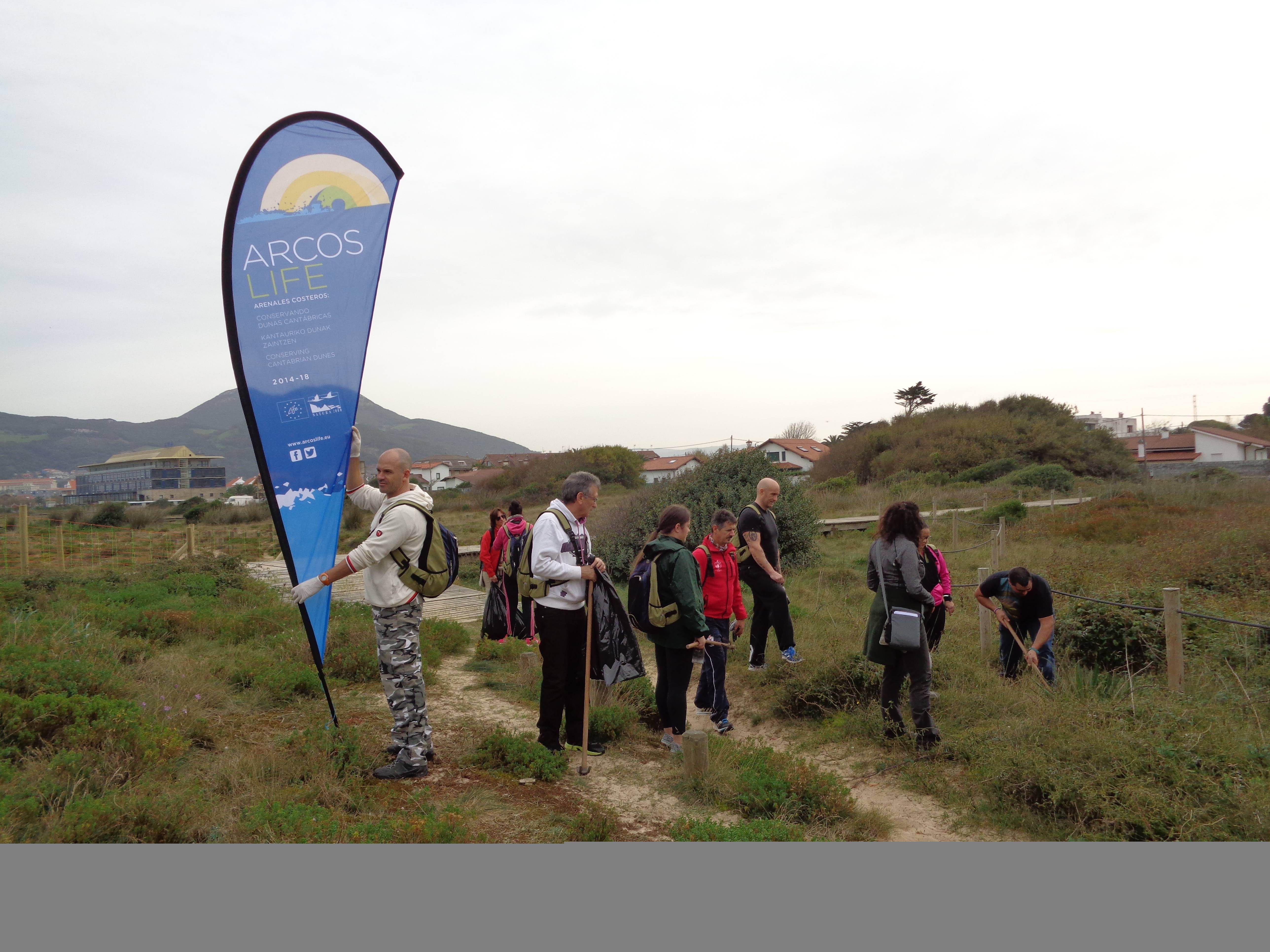
The AAJBA will also participate in the volunteering days to be held by Life+ARCOS with the aim of marking the European Natura 2000 Day, which will take place in some of the locations where they are carrying out their actions.
Once again, the Directorate General of the Environment (Rural Affairs, Fisheries and Food Department of the Government of Cantabria) with the collaboration of inmates from the El Dueso Penitentiary Centre as part of the NACAR Programme (Nature and Prison), carried out a volunteering activity encompassed within the LIFE+ ARCOS programme on the Berria beach dune system (municipality of Santoña).
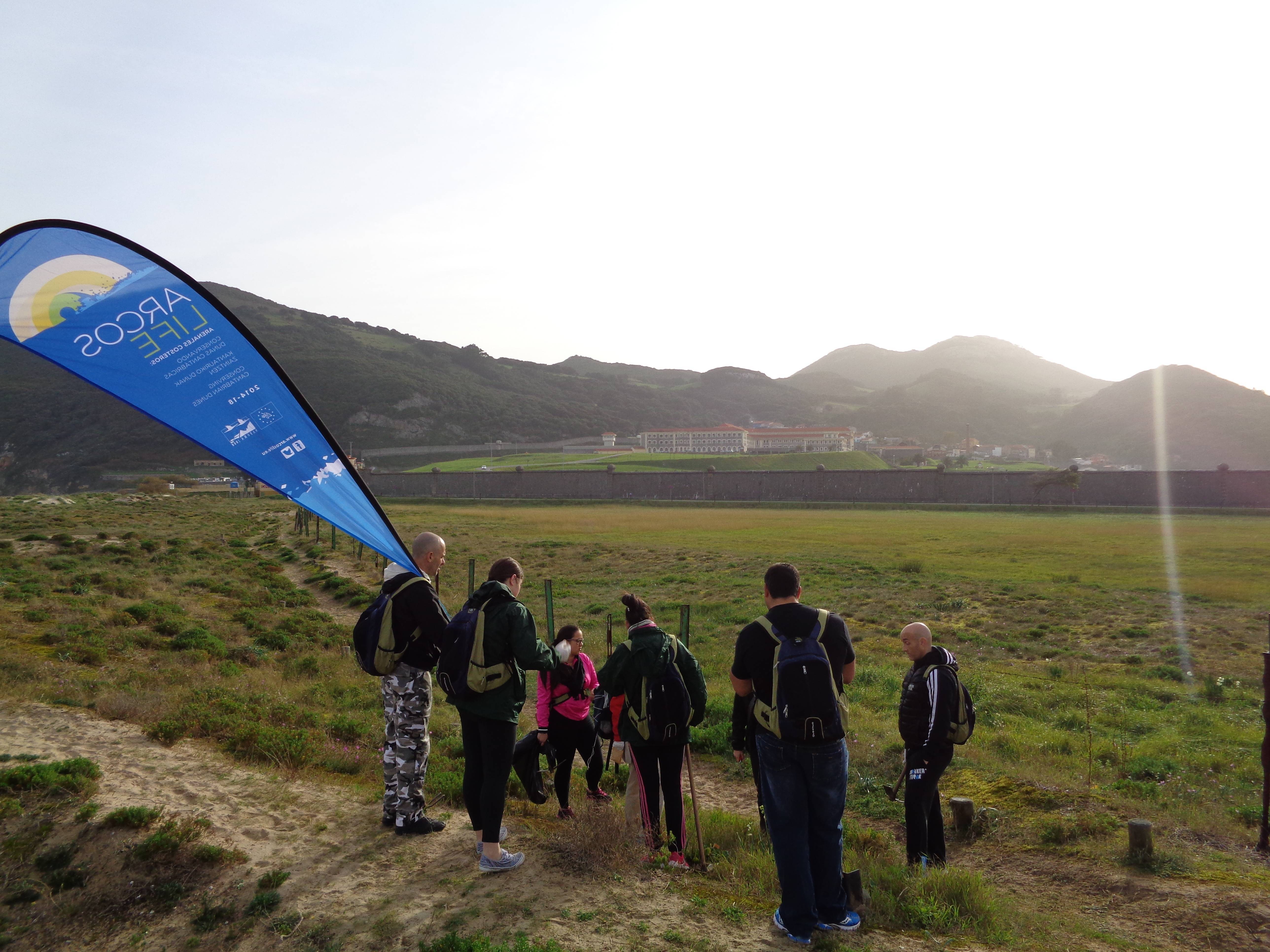
Volunteers from the NACAR Programme, in the background the El Dueso Penitentiary Centre
The activity carried out on 20th November 2015 led by an Expert from the Nature Conservation Service and a Forestry Expert from the same Service, focused on restoring the dune systems along the Cantabrian coast.
The day began with an introduction to the Natural Protected Space, in which participants were given an explanation of the dynamic of the dune systems, the importance of preserving native plant life in these ecosystems, and the significance of fighting against invasive species
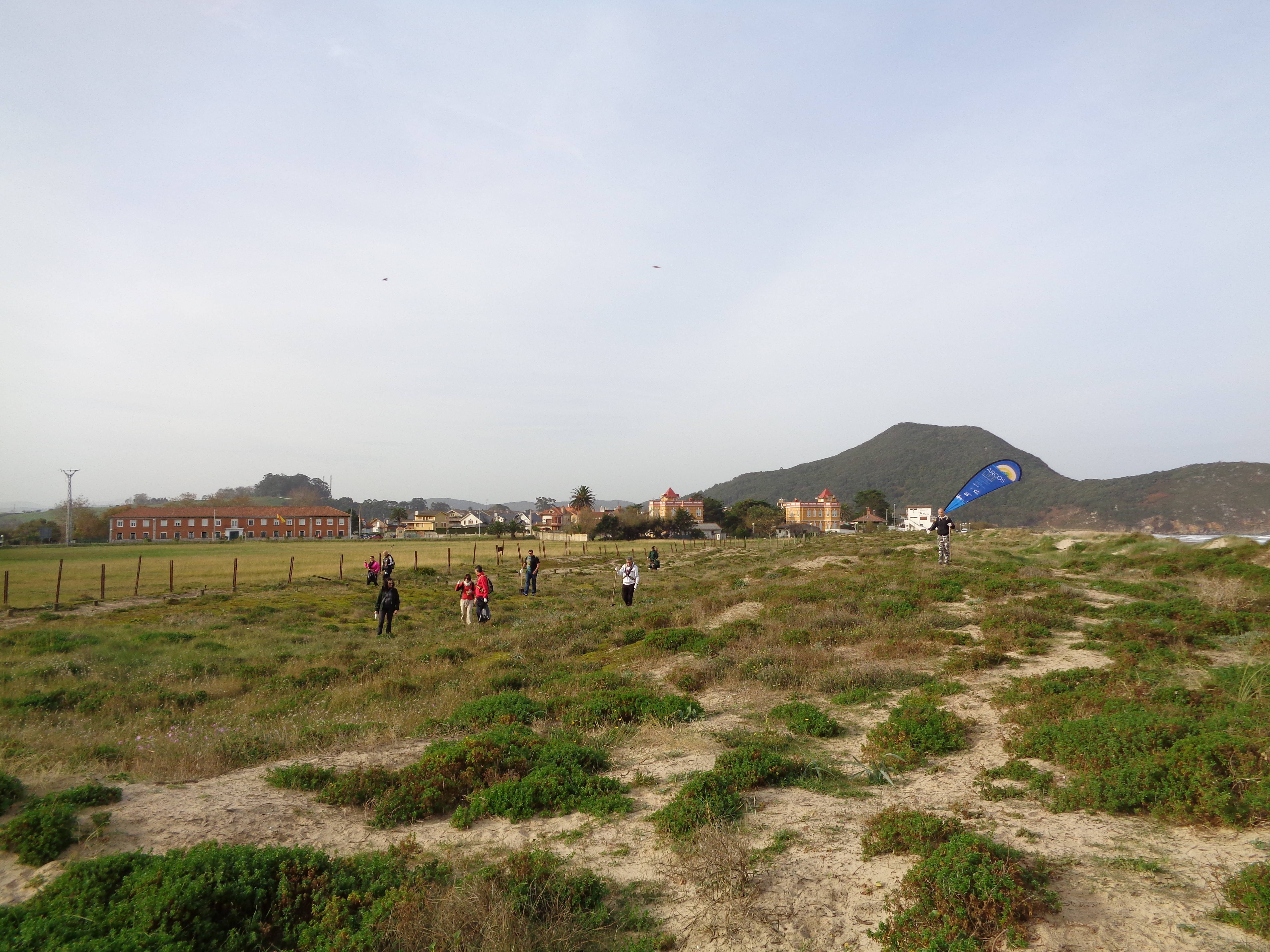
An instant taken on the route followed for the waste clean-up.
Next, participants walked along the front of the existing dune system on Berria beach collecting rubbish, filling a 120-litre bin bag. During the walk along the dune front, numerous sea daffodil bulbs (Pancratium maritimum) were collected, which were found displaced, and inside the dune system seeds were collected from the same species, from carnations (Dianthus hyssopifolius), toadflax (Linaria supina subsp. maritima) and crosswort cuttings (Crucianella maritima) to be moved (bulbs, seeds and cuttings) to the nursery Gardening Workshop at the El Dueso Penitentiary Centre, where they will be nurtured in view of future activities within the NACAR Programme.
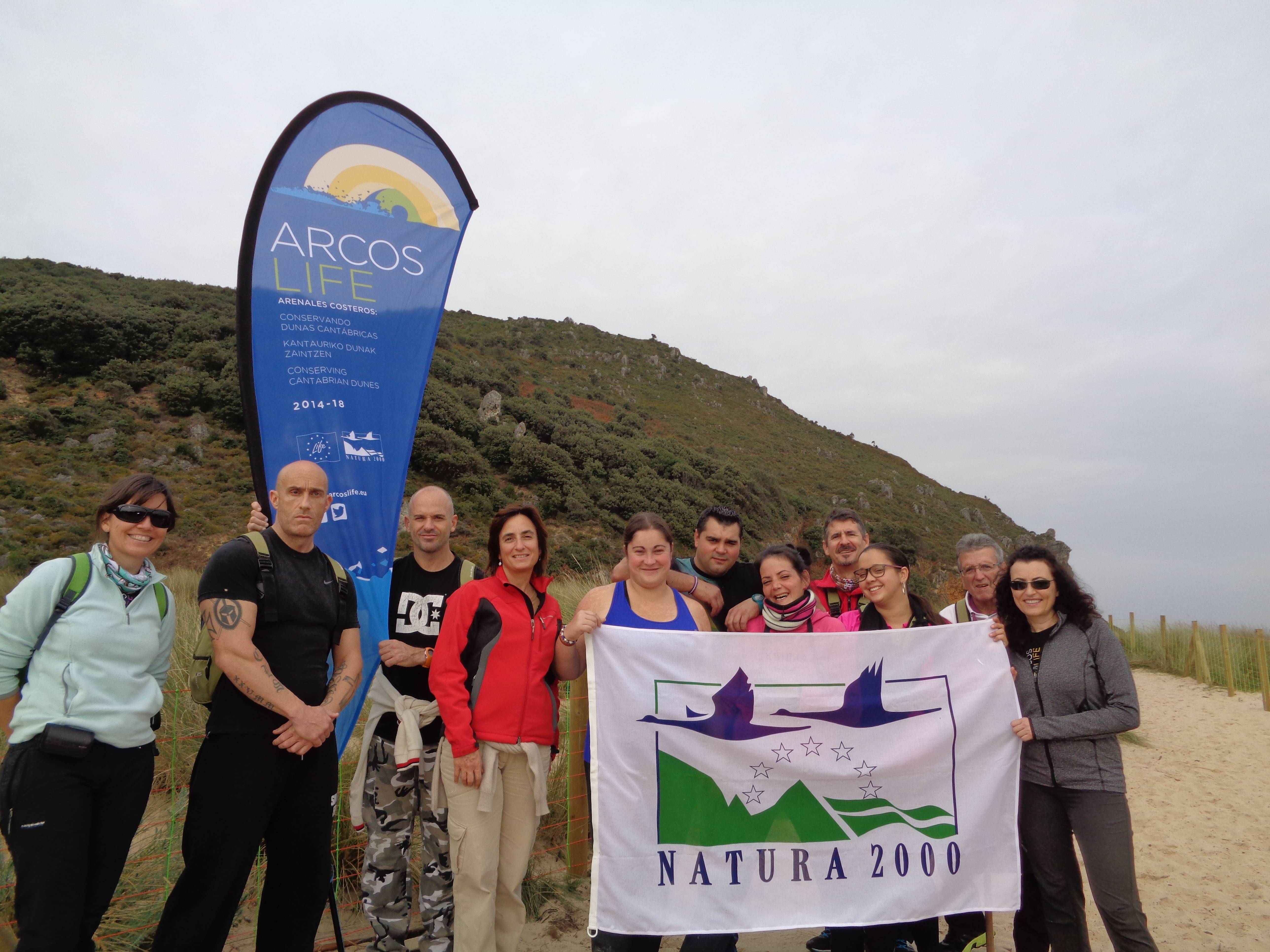
Photo of the team of participants in the activity day
The major part of the day’s activity focused on removing the invasive Adam’s needle plant (Yucca gloriosa) manually using spades and trowels, resulting in the removal of six 120-litre bags full. In 2010, the Berria beach dune system had numerous adult flowering Yucca specimens that were removed, and with this activity they are being controlled and practically eliminated from the dunes. This activity took place in an area inside the dune system in the middle zone, spanning from the Juan de la Cosa Hotel to the El Brusco hill.
Some of the volunteers had previously carried out dune restoration work on the Berria beach with the Directorate General of the Environment, and they remembered some of the native dune species, the invasive species and the restoration tasks they had carried out on previous occasions. Specifically, the areas replanted with sea daffodil bulbs collected in March 2015 and transplanted back into the dune system were particularly visible.
At the end of the day and as a keepsake, the inmates along with the instructors from the El Dueso Penitentiary Centre, a trainee and the Expert from the Nature Conservation Service from the Government of Cantabria, posed for a photo to leave a record of the hard work that they had all done to conserve the dune systems.
Photo of the team of participants in the activity day
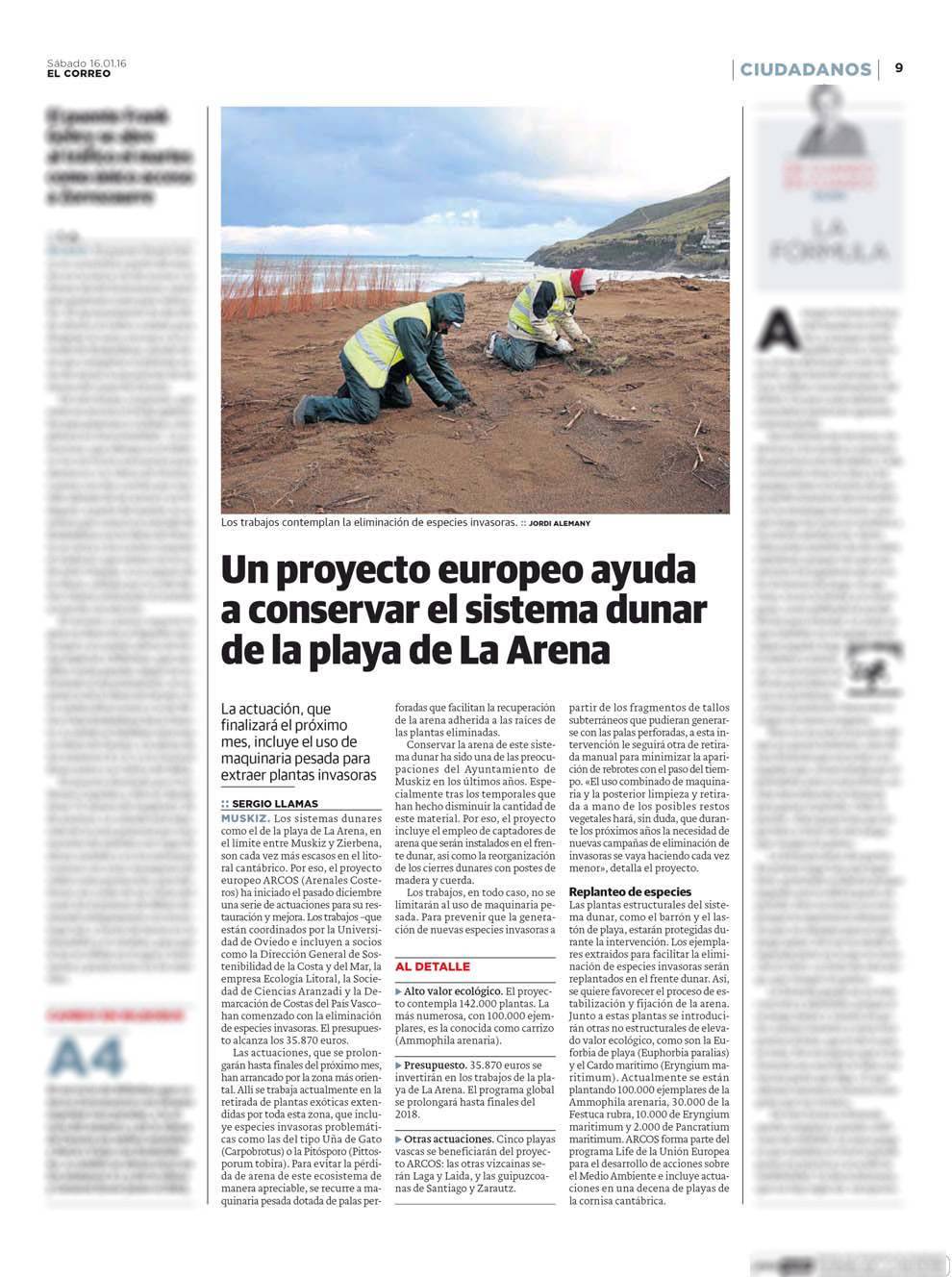
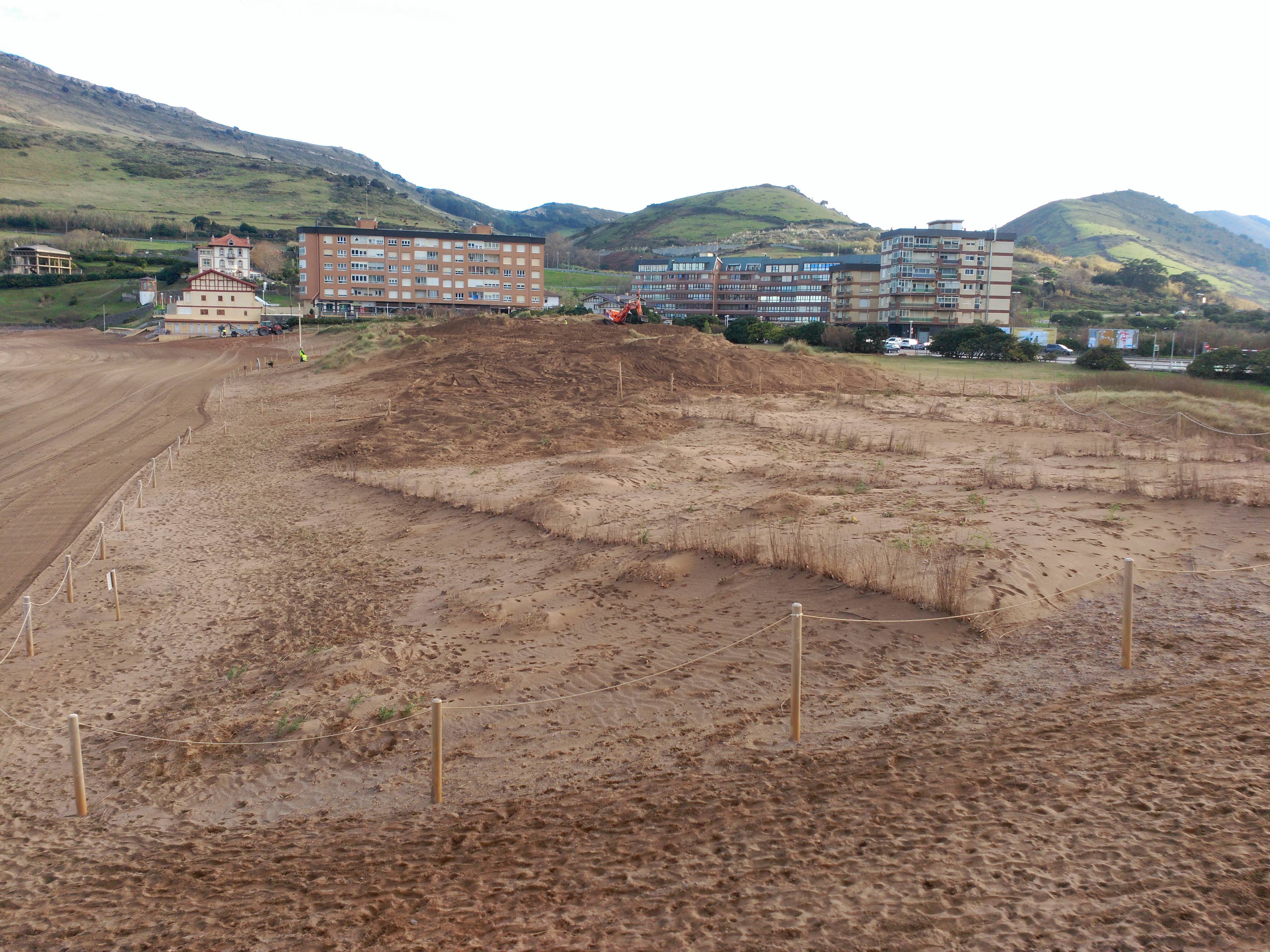
La Arena beach with the replanted species in the foreground and the machinery working to remove the invasive exotic species.
We should congratulate ourselves. Whoever visits the “La Arena” beach (Zierbena, Bizkaia) over this December bank holiday, will be able to see the start of the restoration works being carried out on the dune systems in this protected space, as part of the actions proposed within the Life+ARCOS project.
The space chosen on the La Arena beach to start these removal actions of invasive exotic species is located on the most easterly part of the dune system. After releasing the news of these initiatives to the competent authorities and interest groups (see news published on this blog), work is already underway to effectively remove a large number of invasive species that are currently occupying this space. Among the most problematic species are: Arundo donax (giant cane), Tamarix sp. (tamarisk), Pittosporum tobira (Australian laurel) and different species from the Carpobrotus genus (ice plant).
The use of heavy machinery with perforated blades that facilitate the recovery of the sand attached to the roots of the removed plants, allows the moved sand to remain within the dune system. Removing this element would entail a significant loss to the dune. More direct benefits emerging from the use of this kind of machinery, include the removal of the deepest rhizomes of this species and increased surface area where effective action can be taken.
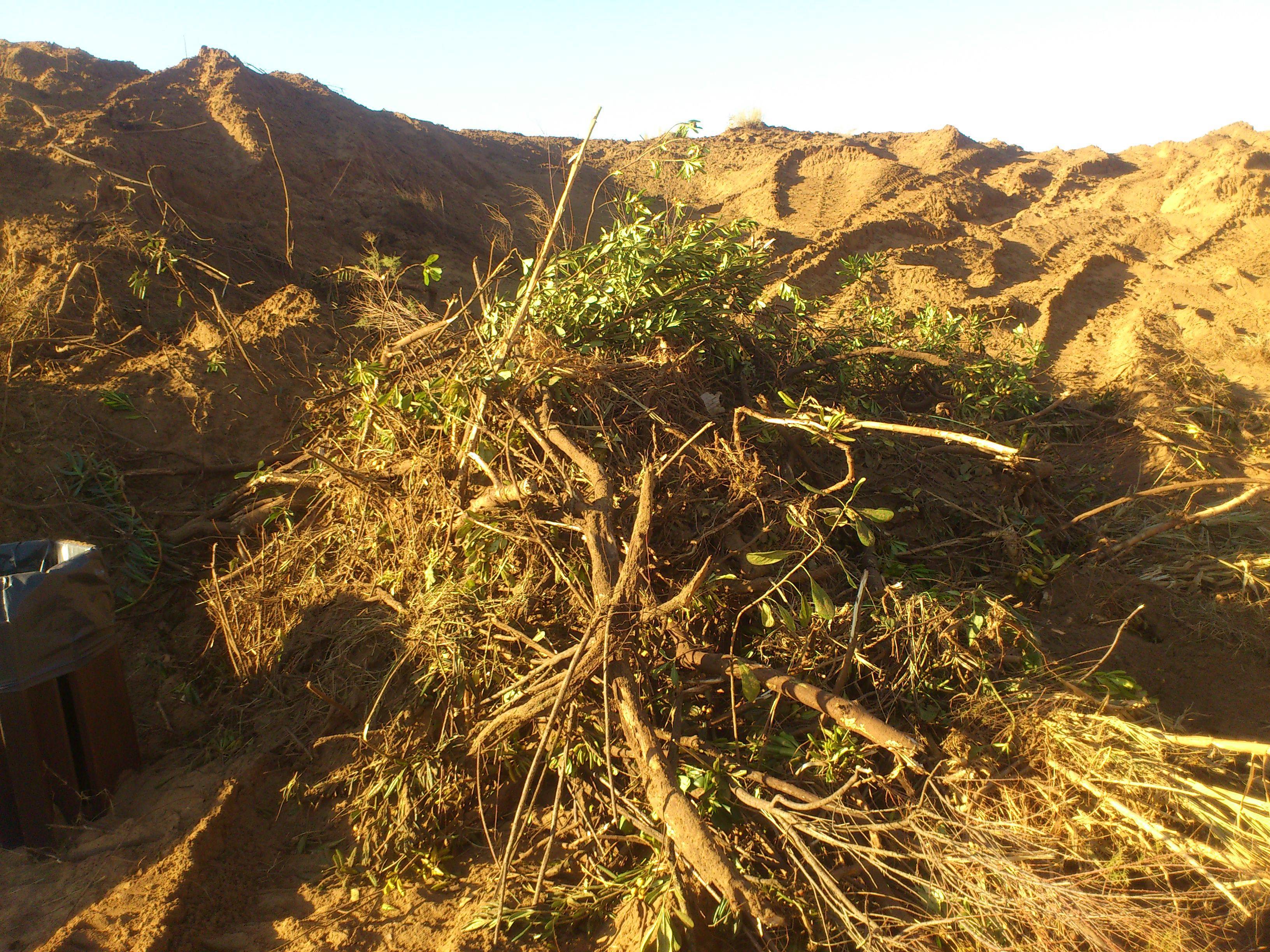
Parte de restos de pitósporo eliminados del sistema dunar.
To minimise the generation of new specimens of invasive species from the fragments of rhizomes that can be generated with the use of this machinery, this action was complemented with a manual removal process of these fragments, minimising the possibility that new shoots may appear over time. The combined use of machinery, followed by manual cleaning and removal of possible plant remains, will undoubtedly ensure that over the coming years there will be a decreasing need for new removal campaigns for invasive species.
The structural plants removed (European beach grass and brome) – to facilitate the removal of invasive species – are planted in the selected spots on the dune front to help facilitate the stabilisation and setting process of the sand. Likewise, other non-structural species such as Euphorbia paralias (sea spurge) and Eryngium maritimum (sea holly) are also being used in the replanting action.
The use of sand collectors that will be fitted in the dune face and the replanting of the entire space with structural species and other high ecological value species, will contribute to recovering the plant biodiversity of these ecosystems, which are becoming increasingly scarce on the Cantabrian coast.
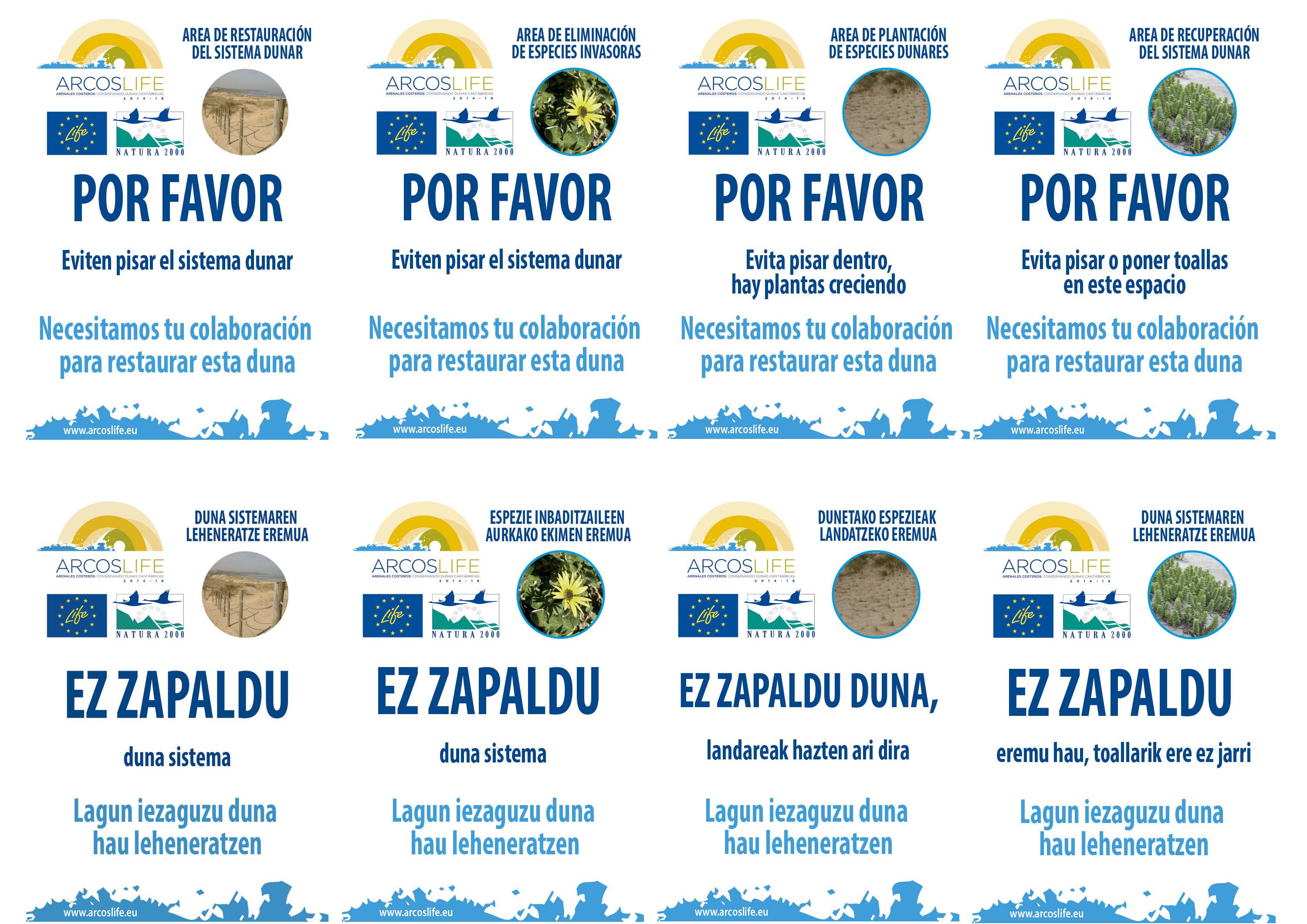
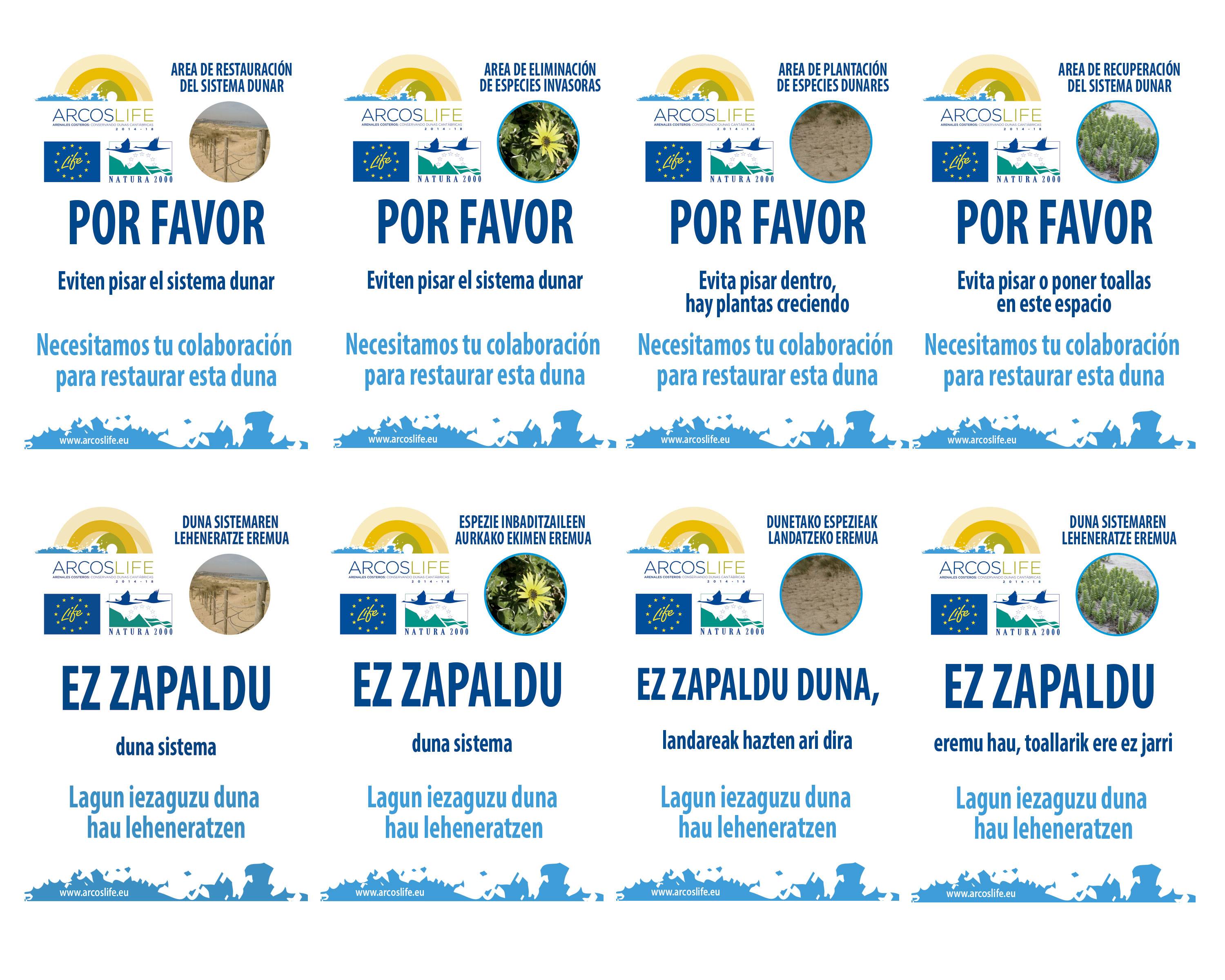
Vertical sign indicating that a LIFE+ARCOS conservation activity is taking place.
The signs are in Basque and Spanish and provide a general explanation of planting, eradication of exotic invasive species, dune closure and dune restoration activities.
We hope its visibility on the entire Cantabrian coast—from the Principality of Asturias to the Basque Country—will raise awareness in the general population about the importance of respecting the conservation activities that are being carried out in the 10 Sites of Community Importance chosen for the LIFE+ARCOS project.
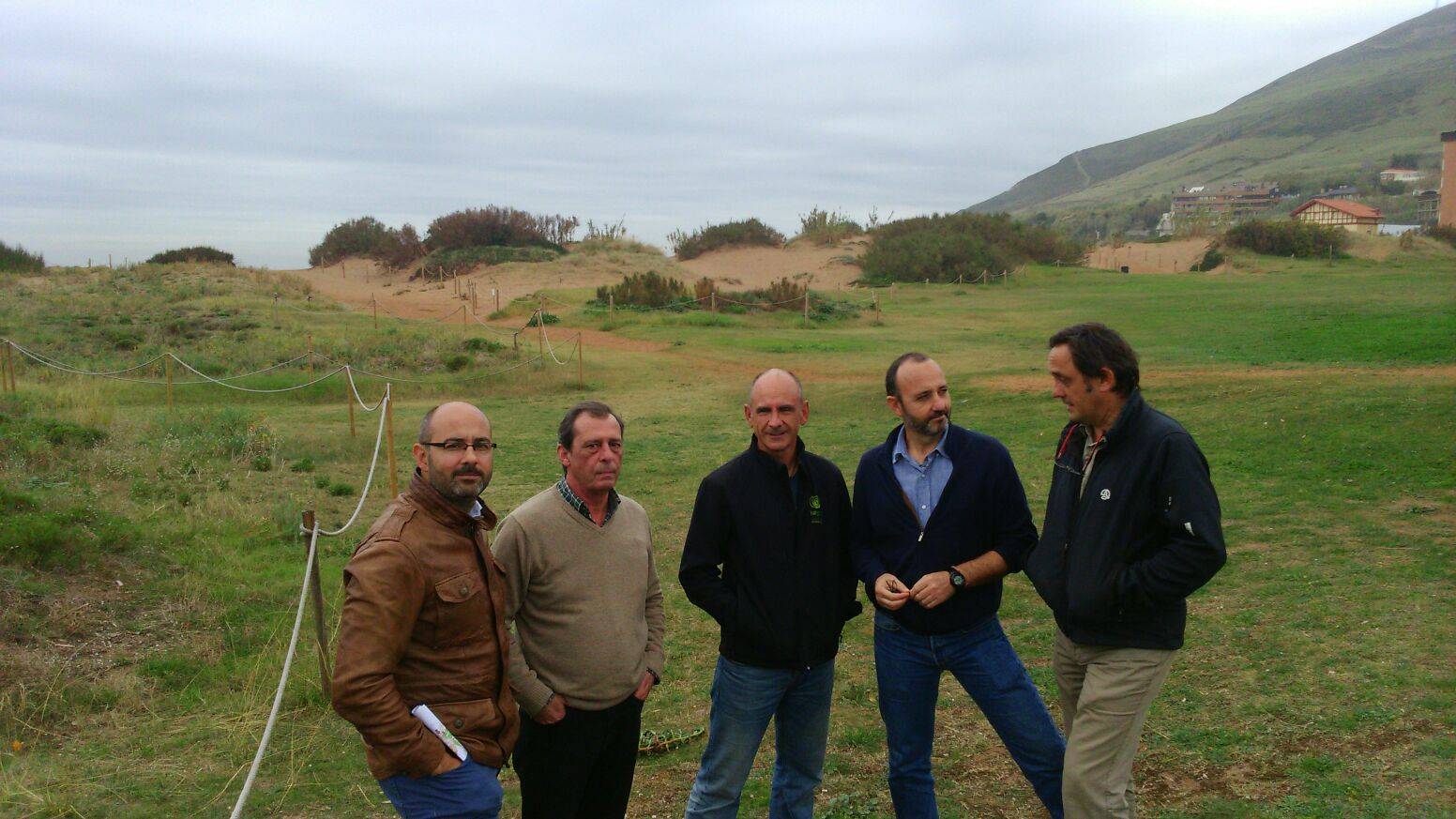
From left to right: Santiago Fuentes, Carlos Ley, Jon Hidalgo, Aitor Uriarte and Álvaro Bueno during a meeting.
On 13 November, a technical meeting was held on La Arena beach (Bizkaia). LIFE+ARCOS project heads and members of the Provincial Council of Bizkaia and the Lurgaia Foundation were in attendance.
The following were in attendance: Álvaro Bueno Sánchez, head and technical coordinator of ARCOS project activities and in representation of the University of Oviedo, Carlos Ley Vega de Seoane, head of the company Ecología Litoral S.A., Jon Hidalgo Mugica, member of the Lurgaia Fundazioa Foundation, Aitor Uriarte, head of the Special Area of Conservation, a representative from the Council of Bizkaia and Santiago Fuentes Sánchez, head of Coast Demarcation of the Basque Country.
In this technical meeting, the Provincial Council of Bizkaia and the Lurgaia Foundation—a naturalist collective that has been working in this protected area for many years—were informed about upcoming activities to eradicate invasive exotic species, install sand fencing and plant structural species. These activities form part of the activities set forth by the LIFE+ARCOS project.
Este sitio web utiliza cookies para que usted tenga la mejor experiencia de usuario. Si continúa navegando está dando su consentimiento para la aceptación de las mencionadas cookies y de nuestra política de cookies. Pinche el enlace para mayor información.